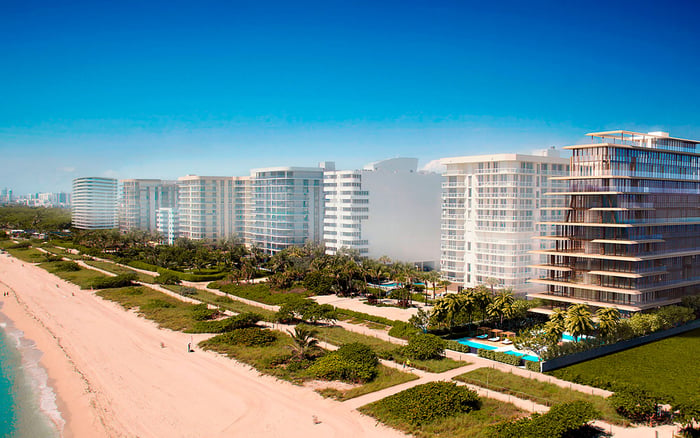
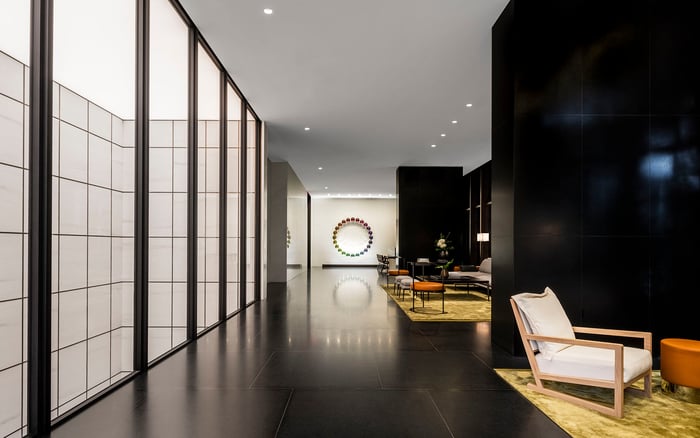
A discreet 2026 buyer framework for comparing The Berkeley Palm Beach and Arte Surfside through private dining, entertaining flow, guest movement, and acoustic separation.
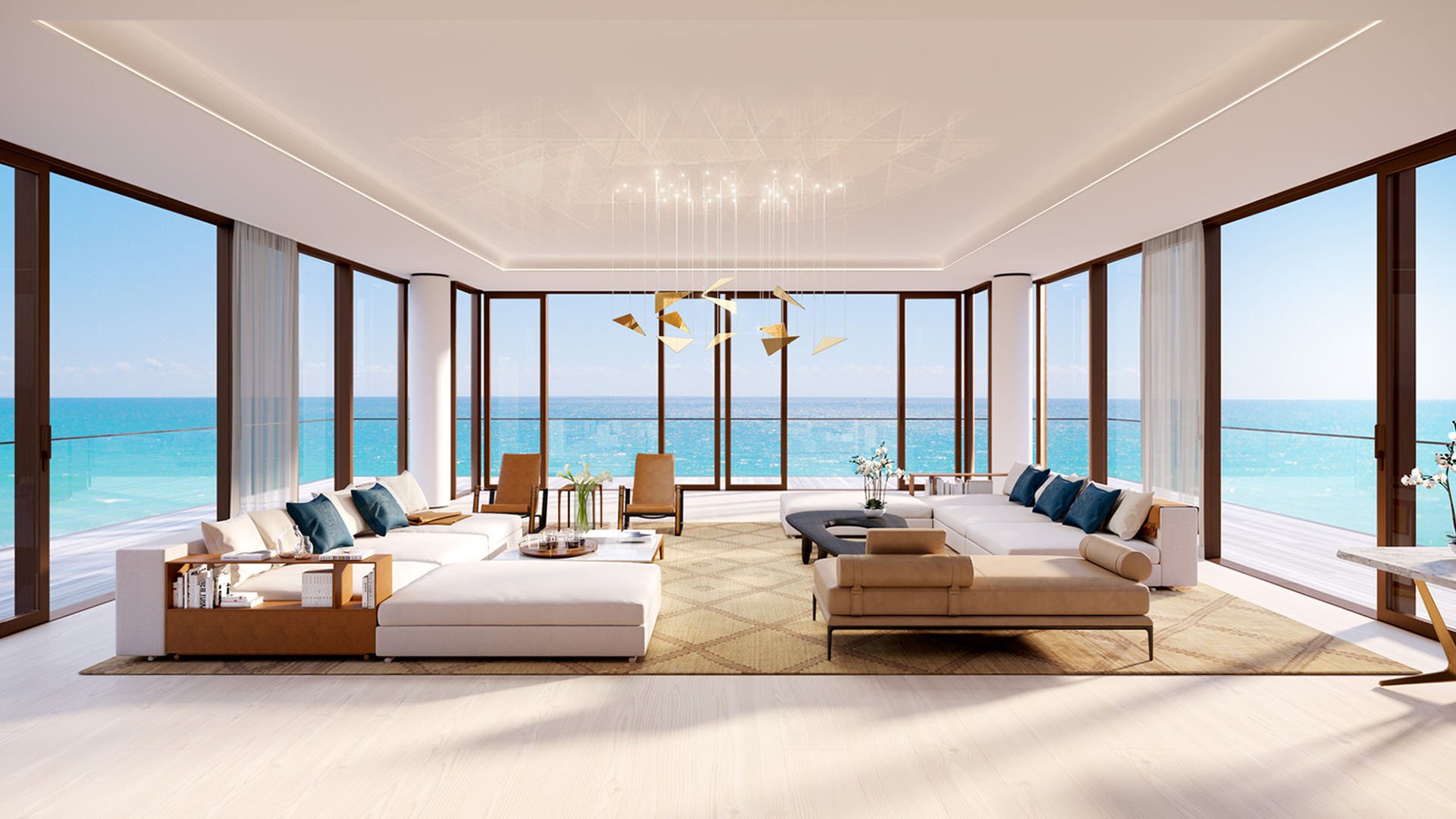
The decision between The Berkeley Palm Beach and Arte Surfside should not be reduced to one address versus another. For a sophisticated 2026 buyer, the sharper test is behavioral: how the residence supports dinner, arrival, privacy, staff movement, overnight guests, terrace use, and the quiet recovery that follows a night of entertaining.
That lens matters because both names sit in markets where luxury is not defined by finish alone. Palm Beach and Surfside attract buyers who expect discretion, disciplined design, and a home that can shift from private retreat to polished hosting environment without friction. The right choice is the plan that feels natural under pressure.
For some, The Berkeley Palm Beach will appeal because a Palm Beach lifestyle often leans toward clubby refinement, composed evenings, and a more formal sense of occasion. Arte Surfside, by contrast, speaks to the buyer who wants Surfside calm and a quieter beach rhythm without sacrificing architectural presence.
Private dining is not simply a room-count question. It is a sequence question. A serious buyer should ask where guests arrive, where they pause, how they are introduced to the living area, and whether the dining zone feels ceremonious without becoming stiff.
In a strong entertaining residence, the path from entry to drink to table feels choreographed. The kitchen can be open, concealed, or hybrid, but it must not compromise the host’s control of the evening. A beautiful table loses impact if guests see too much service traffic or if preparation noise overtakes conversation.
This is where buyers should be exacting during walkthroughs. Stand where a host would stand. Imagine eight guests, then twelve. Consider whether lighting can shift from cocktail energy to dinner intimacy. Ask whether the room can carry art, flowers, a service piece, and real conversation without feeling staged.
For second-home buyers, private dining carries added weight. The residence may sit empty for stretches, then suddenly host family, friends, advisors, and visiting guests across a concentrated weekend. The best plan handles that compression gracefully.
Large rooms impress quickly, but separation determines whether they live well. A buyer comparing The Berkeley Palm Beach and Arte Surfside should study the invisible borders between social, service, and private zones.
The ideal entertaining flow lets guests move easily while residents retain control. The entry should not expose bedrooms. A powder room should be intuitive but discreet. A terrace should feel connected to the main living space without forcing every guest through the host’s quietest rooms. Terrace planning matters because South Florida entertaining often expands outdoors, even when the formal moment begins inside.
Boutique residential environments can be especially compelling when the plan has discipline. Fewer distractions, fewer shared thresholds, and a more deliberate sense of arrival can make a residence feel calmer and more personal. But boutique scale only works when the private and public portions of the home are clearly resolved.
For a Palm Beach-oriented buyer, the entertaining ideal may be a polished evening that begins with a restrained arrival and culminates in a formal meal. For a Surfside buyer, the evening may be more relaxed, moving between living room, balcony, and ocean air. Neither is inherently better. The question is which rhythm feels like your life, not merely your vacation self.
Acoustic separation is often under-tested during a first showing. Yet it becomes one of the most meaningful elements of long-term satisfaction. A residence that looks serene but carries sound poorly can feel less private than its price suggests.
Buyers should listen for sound migration between the kitchen and dining area, living room and bedrooms, primary suite and guest rooms, and interior rooms and terrace doors. The issue is not silence in the abstract. It is whether different members of the household can use the home at the same time without negotiating every activity.
This is especially important for families, multigenerational owners, and hosts who entertain late while some guests retire early. A well-separated plan allows one person to take a call, another to sleep, and others to remain at the table. That is not a luxury flourish. It is daily function at the highest end of the market.
Acoustic discipline also protects resale logic. The next buyer may not share your furniture, art, or entertaining style, but they will understand a home that permits privacy. In 2026, the most persuasive residences will be those that feel composed even when fully occupied.
The Berkeley Palm Beach and Arte Surfside frame two distinct versions of South Florida luxury. One may feel closer to Palm Beach formality, with an emphasis on social polish, residential poise, and a slower ceremonial cadence. The other may resonate with Surfside restraint, where a quieter beach context can shape the mood of ownership.
The buyer who frequently hosts seated dinners should prioritize dining geometry, pantry adjacency, powder room placement, and a gracious arrival sequence. The buyer who hosts fluidly should prioritize indoor-outdoor movement, conversation zones, and the ability to shift from daytime ease to evening atmosphere.
Buyers should also test how exterior exposure changes the way they live. A view is emotional, but flow is operational. If every guest gravitates outdoors, the interior must support that movement without becoming a corridor. If the terrace is more contemplative than social, the interior dining and living areas must carry the entertaining experience on their own.
Before choosing, walk each residence as if the party has already begun. Where are flowers delivered? Where does catering pause? Where do guests place bags? Where do children disappear after dinner? Where does a couple have a quiet conversation away from the table?
Then walk it again in your imagination the next morning. Does the home recover elegantly? Can the primary suite feel removed from the previous night’s activity? Does the kitchen function for breakfast without confronting the entire entertaining footprint? Does the plan feel intimate when only two people are home?
That second test is often decisive. Luxury buyers are skilled at evaluating spectacle. The harder question is whether the residence remains graceful on an ordinary Tuesday.
Which residence is better for formal private dining? The better choice is the one with the stronger arrival sequence, dining proportions, and service separation for your style of hosting.
Is Arte Surfside more appropriate for relaxed entertaining? Arte Surfside may appeal to buyers who want a quieter Surfside rhythm, but the individual plan should still be tested for guest flow.
Why does acoustic separation matter so much? It protects privacy when residents, guests, service, and outdoor spaces are being used at the same time.
Should terrace size drive the decision? Terrace quality matters, but connection, privacy, wind exposure, and furniture logic are just as important as scale.
What should a buyer test during a showing? Walk the path from entry to cocktails to dining to terrace, then test how private rooms remain protected.
Is a boutique building always quieter? Not automatically. Boutique scale can feel more private, but acoustic design and plan separation still matter.
Does beach living change entertaining priorities? Yes. Guests often move toward light and air, so the home must manage indoor-outdoor circulation elegantly.
Are these residences better as primary homes or second-home purchases? Either can work if the plan supports both daily privacy and concentrated periods of hosting.
How should Palm Beach buyers think about this comparison? They should focus on ceremony, dining comfort, and whether the residence supports a composed social life.
What is the best way to shortlist comparable options for touring? Start with location fit, delivery status, and daily lifestyle priorities, then compare stacks and elevations to validate views and privacy.
When you're ready to tour or underwrite the options, connect with MILLION.
If branded residences are on your mind — as a home or as an allocation — we would be glad to share what we are seeing, privately.
Begin a quiet conversation