A practical, buyer-focused look at why a property-management handoff at The Berkeley Palm Beach should be treated as a material ownership event, with attention to governance, service quality, assessments, resale value, and household expectations.
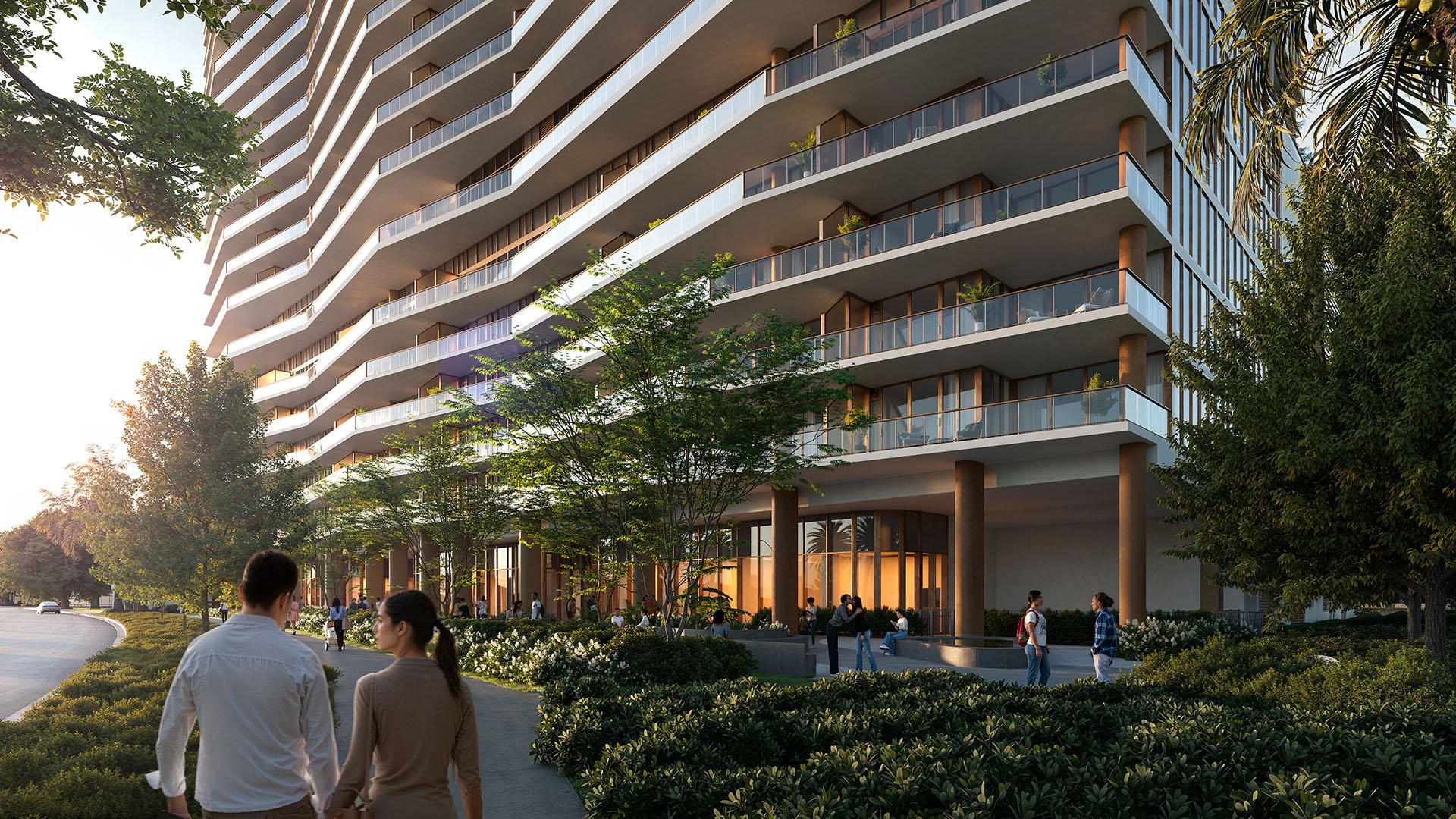
At The Berkeley Palm Beach, a property-management handoff should be treated as a material ownership event, not a routine administrative change. For households evaluating a luxury condominium, the transition from one operating structure to another can influence far more than who answers the phone at the front desk. It can shape assessments, service quality, risk exposure, resale perception, and the daily rhythm of life inside the building.
The relevant handoff may take several forms. It may be the shift from developer-to-association control, a move from one management company to another, or the professionalization of arrangements that were previously handled more informally. Each version carries different implications, but the central question is the same: can the post-handoff structure sustain the building’s intended service profile without introducing avoidable financial or governance risk?
For households comparing luxury condominium options in West Palm Beach and Palm Beach County, the ownership lens often extends beyond design. Boutique positioning, new-construction considerations, investment discipline, and future resale confidence all influence how sophisticated buyers evaluate the asset.
The most successful households do not wait for a formal notice before asking management questions. They begin with a multi-year view. A handoff should be evaluated through financial analysis, legal review, governance scrutiny, service benchmarking, and household expectation-setting. In a luxury context, each discipline is connected.
Financially, owners should understand whether current assessments are sufficient to support the service level that was marketed and expected. Early years in a newer luxury building can feel calm and low-maintenance, but that period may not reflect the full cost of long-term operations. Contracts mature, systems require upkeep, staffing models settle into reality, and capital needs become clearer.
Legally and operationally, households should review how authority shifts, how decisions are documented, and how conflicts will be resolved. The best handoff is not merely efficient. It is legible. Owners should know who has decision-making power, which standards are enforceable, and how the association will measure performance after the transition.
Luxury buyers are often introduced to a residence through renderings, hospitality language, amenity narratives, and a vision of effortless living. Those materials shape expectations, but the operating era is where the promise is tested. Owners at The Berkeley Palm Beach should distinguish between marketing-era amenity promises and the day-to-day reality after developer control recedes or management changes hands.
This does not mean approaching the building with skepticism. It means asking precise questions. Which services are core, and which are discretionary? What staffing model is required to maintain the intended resident experience? Are service levels dependent on subsidies, temporary arrangements, or unusually favorable early contracts? If costs rise, will the association preserve the original service profile, modify it, or shift more expenses to owners?
The answers matter because the Palm Beach County luxury condominium market often emphasizes privacy, security, larger residences, private outdoor space, waterfront settings, and elevated service levels. Buyers are not simply purchasing square footage. They are buying confidence that the building will be run with discipline equal to its design ambitions.
In a boutique luxury condominium, the budget is not only a financial statement. It is a lifestyle document. It reveals what the building prioritizes, what it defers, and what kind of daily experience residents can reasonably expect.
A household should examine whether the budget aligns with the services residents value most. If the building aspires to a hotel-like standard, the association must still operate within condominium budgets and governance constraints. That balance is delicate. Overfunding can create unnecessary friction. Underfunding can erode service, increase future assessments, and weaken resale confidence.
Owners should pay close attention to recurring expenses, reserve planning, insurance-related costs, vendor contracts, maintenance obligations, and staffing assumptions. None of these categories should be viewed in isolation. A reduced staffing line may affect service. A deferred maintenance item may affect risk. A short-term saving may become a long-term capital issue.
The key is not to demand the lowest possible carrying cost. At this level, the sharper question is whether the cost structure is credible, transparent, and aligned with the building’s positioning.
Discretion, privacy, and ease are central to the luxury residential experience, but they depend on governance that is organized, transparent, and capable. A well-run association can preserve calm. A poorly structured one can turn routine matters into recurring conflict.
During a handoff, owners should evaluate how the board will communicate, how committees will function, how records will be maintained, and how priorities will be set. Luxury households often include primary residents, seasonal users, and owners who travel frequently. That mix requires clear systems. Meeting cadence, digital access to documents, owner communication protocols, and escalation procedures can all affect the quality of ownership.
Governance also influences resale. Prospective buyers may not see every operational detail, but they sense whether a building is orderly. Clean records, stable assessments, coherent policies, and consistent service standards help support confidence. Confusion, recurring disputes, and sudden cost changes can do the opposite.
Service quality should not be evaluated in vague terms. Owners should define what excellent management means for The Berkeley Palm Beach. Is responsiveness the priority? Preventive maintenance? Vendor oversight? Security procedures? Staff continuity? Cleanliness? Communication? The answer may be all of the above, but each should be measurable.
A practical benchmark might include response times for owner requests, preventive maintenance schedules, incident reporting practices, vendor performance reviews, and resident satisfaction feedback. The point is not to create bureaucracy for its own sake. It is to ensure that the association can protect the building’s intended standard without relying on memory, personality, or informal habits.
This is especially important in boutique settings, where the resident experience can be highly personal. A small change in staffing, communication, or vendor quality can be felt immediately. Professional management should preserve intimacy while adding accountability.
Before a handoff, households should ask for a clear transition plan. Who is responsible for open items? Which contracts are being assumed, renegotiated, or replaced? What is the status of reserves and capital planning? Are there known maintenance issues, warranty matters, or operational gaps? How will residents be informed as the transition progresses?
After the handoff, owners should continue to monitor whether the new structure is performing as promised. The first months are important, but the more meaningful test is consistency over time. Service standards should become more reliable, not more ambiguous. Financial reporting should become clearer, not less accessible. Governance should feel more mature, not more political.
The goal is not perfection. Every building evolves. The goal is a management model that can adapt without compromising the qualities that made the residence desirable in the first place.
For luxury households, property management is part of capital preservation. A beautifully designed condominium can still suffer if management is weak, budgets are unrealistic, or governance becomes unstable. Conversely, a disciplined handoff can reinforce long-term confidence by aligning operations with the expectations of the ownership base.
At The Berkeley Palm Beach, the right approach is measured, not reactive. Owners should view the handoff as a multi-year project that connects lifestyle, risk, and value. The strongest buildings are not only well conceived. They are well operated, year after year.
Why is a property-management handoff important at The Berkeley Palm Beach? It can affect assessments, service quality, risk exposure, resale perception, and the daily residential experience.
Is a handoff only about changing management companies? No. It may involve developer-to-association control, a new management company, or a shift to a more professionalized operating platform.
What should owners review first? Owners should begin with budgets, reserves, vendor contracts, governance documents, and service expectations.
Can early years in a new building be misleading? Yes. Early operations can feel low-conflict, while later capital needs and service costs become more visible over time.
How does management affect resale value? Buyers often respond to stable assessments, clean governance, consistent service, and confidence in long-term operations.
Should owners focus mainly on keeping assessments low? Not exclusively. The better goal is a credible cost structure that supports the building’s intended luxury profile.
What is the main governance issue during handoff? Owners need clarity on decision-making authority, communication standards, records, and performance oversight.
How should households think about amenities after handoff? They should distinguish between marketing-era expectations and the practical operating model required to sustain them.
Why does service benchmarking matter? It turns subjective expectations into measurable standards for responsiveness, maintenance, staffing, and communication.
What is the central question for owners? Whether the post-handoff management structure can sustain the desired lifestyle without avoidable financial or governance risk.
When you're ready to tour or underwrite the options, connect with MILLION.
If branded residences are on your mind — as a home or as an allocation — we would be glad to share what we are seeing, privately.
Begin a quiet conversation