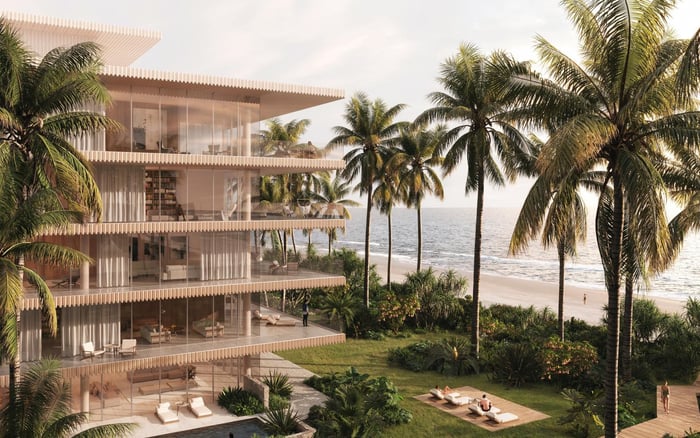
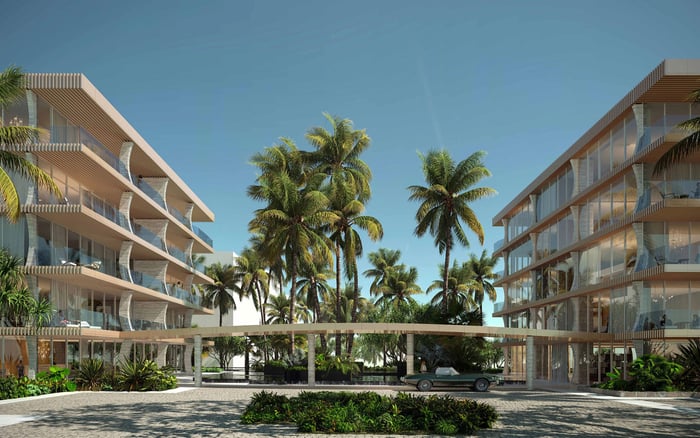
A buyer-focused guide to understanding special-assessment culture, reserves, governance, capital planning, and closing exposure before purchasing at Palm Beach Residences.

At the upper end of the Palm Beach market, buyers often scrutinize views, privacy, service, finish quality, and the tone of the ownership base. Yet one of the most revealing questions is less visible: how does the building handle special assessments?
A special assessment is generally an extra charge outside regular maintenance or common charges. It may be used for capital projects, emergency repairs, reserve shortfalls, or improvements owners deem necessary to preserve the building’s position. For a buyer evaluating Palm Beach Residences, the issue should not be treated as a minor closing-cost detail. It belongs alongside title review, inspection strategy, financing terms, and long-term carrying-cost analysis.
The better question is not simply whether a building has had assessments. Many well-run buildings assess owners for prudent reasons. The sharper question is whether past assessments point to proactive planning or deferred maintenance. That distinction can affect resale value, liquidity, monthly carrying costs, and the true cost basis of ownership.
A serious buyer should request the building’s full special-assessment history: amounts, dates, stated purposes, payment schedules, and whether any owners defaulted. Purpose matters as much as price. An assessment tied to a long-planned building-system upgrade tells a different story from one that appears suddenly after years of postponed work.
Ask whether assessments were one-time events or part of a recurring pattern. Repeated large assessments may indicate underfunding or delayed capital planning, while a stronger reserve position may suggest a more disciplined culture. Neither conclusion should be automatic. A luxury building may choose to assess owners for an amenity or service upgrade intended to preserve market positioning, especially when the ownership base values a highly curated residential experience.
This analysis becomes especially relevant when comparing established Palm Beach inventory with nearby luxury offerings where buyers may be weighing different ownership structures, building ages, and future capital expectations.
Palm Beach coastal buildings can face substantial capital needs tied to concrete restoration, seawalls, roofing, windows, elevators, plumbing, electrical systems, and life-safety upgrades. These categories deserve careful review because they often extend beyond cosmetic preference. A buyer should ask whether recent or upcoming assessments relate to structural safety, code compliance, insurance, amenity upgrades, or aesthetic improvements.
That distinction changes the conversation. Structural and life-safety work may be unavoidable. Amenity enhancements may be discretionary, yet still important in a luxury context if the building wants to remain competitive. A lobby refresh, service-area improvement, wellness upgrade, or exterior enhancement may influence market perception, even when it is not strictly required for basic operation.
The issue is not limited to one buyer profile: investors, resale buyers, second-home purchasers, oceanfront buyers, new-construction buyers, and West Palm Beach purchasers all need to understand whether monthly charges realistically cover long-term needs. Buyers comparing Palm Beach with projects such as Forté on Flagler West Palm Beach should be especially attentive to how each building frames future capital obligations.
Assessment culture is governance culture expressed in financial form. Before signing, buyers should review reserve studies, engineering reports, board minutes, annual budgets, audited financials, and pending project lists. These documents can reveal whether the board communicates early, budgets realistically, and approaches risk with discipline.
The annual budget should be read for more than the monthly maintenance figure. Ask whether current monthly charges are sufficient to cover long-term needs or whether they appear artificially restrained. Low carrying costs can be attractive at first glance, but if they are achieved by underfunding reserves, the savings may simply return later as assessments.
Board minutes are often particularly revealing. They may show how long a capital need has been discussed, whether owners were prepared in advance, and whether the board has a habit of transparent communication. A board that communicates early about capital needs is generally less risky than one that surprises owners with urgent assessments.
Every luxury building has a culture. Some ownership bases support preventive spending, even when it requires higher monthly charges or planned assessments. Others resist increases until repairs become unavoidable. The second pattern can create a cycle in which visible costs stay low until they become disruptive.
A buyer should ask how owners have historically voted on major projects. Were capital plans approved with broad support, or did they become contentious? Did owners understand the scope and timing? Was communication clear enough for residents to plan their own liquidity? These questions are not merely administrative. They speak to the building’s ability to protect value over time.
This is also where comparisons across the broader luxury corridor become useful. A buyer considering Alba West Palm Beach or The Ritz-Carlton Residences® West Palm Beach may be evaluating a different mix of building age, amenity expectations, and projected capital planning. The key is to compare not only purchase price and monthly charges, but also the culture of how future needs are funded.
Special assessments can become negotiation issues. Buyers should ask whether the seller will pay approved assessments at closing or whether the buyer will inherit future installments. The answer should be explicit in the contract and understood before contingencies expire.
It is also important to distinguish approved assessments from rumored, discussed, or anticipated assessments. A board may have a pending project list even if an assessment has not yet been formally adopted. That does not make the cost irrelevant. It simply means the buyer needs to understand the probability, timing, and funding options.
Ask three practical questions. What projects are planned? How will they be funded? Do current monthly charges realistically cover long-term needs? If the answers are vague, the risk is not necessarily the assessment itself. The risk is uncertainty.
The goal is not to avoid every building that has assessed owners. In many cases, assessments reflect responsible stewardship. The goal is to identify whether the building’s financial behavior is coherent, transparent, and aligned with the expectations of a Palm Beach luxury owner.
A well-governed building should be able to explain its capital priorities, reserve philosophy, communication process, and payment expectations. A buyer should leave the review with a clear sense of what has been done, what remains ahead, and whether the ownership base has the will and resources to maintain the property at the level its market position requires.
In Palm Beach, discretion is part of the lifestyle. Due diligence should be equally discreet, but never passive.
What is a special assessment? A special assessment is an extra charge outside regular maintenance or common charges, often used for capital projects, emergency repairs, or reserve shortfalls.
Is a past special assessment always a negative sign? No. The key is whether the assessment reflects proactive planning or deferred maintenance.
What assessment history should a buyer request? Ask for amounts, dates, purposes, payment schedules, and whether any owners defaulted.
Which documents should be reviewed before signing? Review reserve studies, engineering reports, board minutes, annual budgets, audited financials, and pending project lists.
Why do coastal buildings require special attention? Coastal buildings may face capital needs involving concrete, seawalls, roofing, windows, elevators, plumbing, electrical systems, and life-safety upgrades.
Can assessments fund luxury upgrades rather than repairs? Yes. In luxury buildings, assessments may support amenity and service upgrades intended to preserve market positioning.
How do reserves affect assessment risk? Strong reserves may indicate disciplined planning, while repeated large assessments can suggest underfunding or delayed capital work.
What should be negotiated at closing? Clarify whether the seller pays approved assessments or whether the buyer assumes future installments.
Why does board communication matter? Transparent boards that communicate early are generally less risky than boards that surprise owners with urgent assessments.
How can assessments affect resale? Assessments can influence carrying costs, liquidity, resale value, and the buyer’s true cost basis.
For a tailored shortlist and next-step guidance, connect with MILLION.
If branded residences are on your mind — as a home or as an allocation — we would be glad to share what we are seeing, privately.
Begin a quiet conversation