A buyer-focused look at how The Berkeley Palm Beach can function as a reliable home port for owners who move frequently between cities, countries, and residences.
For a frequent traveler, a Palm Beach residence has to do more than look composed on arrival. It has to function before the owner lands, while the owner is away, and in the first quiet hour after a long flight. That is the lens through which The Berkeley Palm Beach becomes especially interesting: not simply as a conventional full-time home, but as a poised home port for people whose calendars are shaped by movement.
This buyer may already live across several addresses, with Palm Beach serving as one point in a broader South Florida routine. In that world, the real luxury is not only square footage. It is confidence. The owner wants to know the residence can sit unused, be re-entered quickly, receive service attention when needed, and preserve a sense of continuity between stays.
The best version of this lifestyle is almost invisible. The home is ready without ceremony. Arrival feels calm. Departure does not require a checklist that feels like managing an estate from afar.
A primary residence is judged by daily rhythm. A frequent-traveler residence is judged by interruption. It may be empty for stretches, occupied for a long weekend, used for a season, or opened with little notice. That pattern changes how a buyer should evaluate layout, operations, privacy, technology, and storage.
The Berkeley Palm Beach should be considered less as a static object and more as a system. Can it support fast re-entry after travel? Can personal items stay organized without making the home feel closed down? Can services be coordinated without the owner constantly intervening? Can the residence feel private even when occupancy is intermittent?
Within buyer shorthand, the decision spans Palm Beach lifestyle, West Palm Beach access, second-home discipline, new-construction expectations, boutique scale, and investment restraint. Those categories matter because a high-mobility owner is usually filtering for performance first and image second.
The phrase lock-and-leave is often used casually, but for ultra-premium buyers it is a rigorous standard. It is not merely about closing the door. It is about whether the residence can tolerate absence without creating unease.
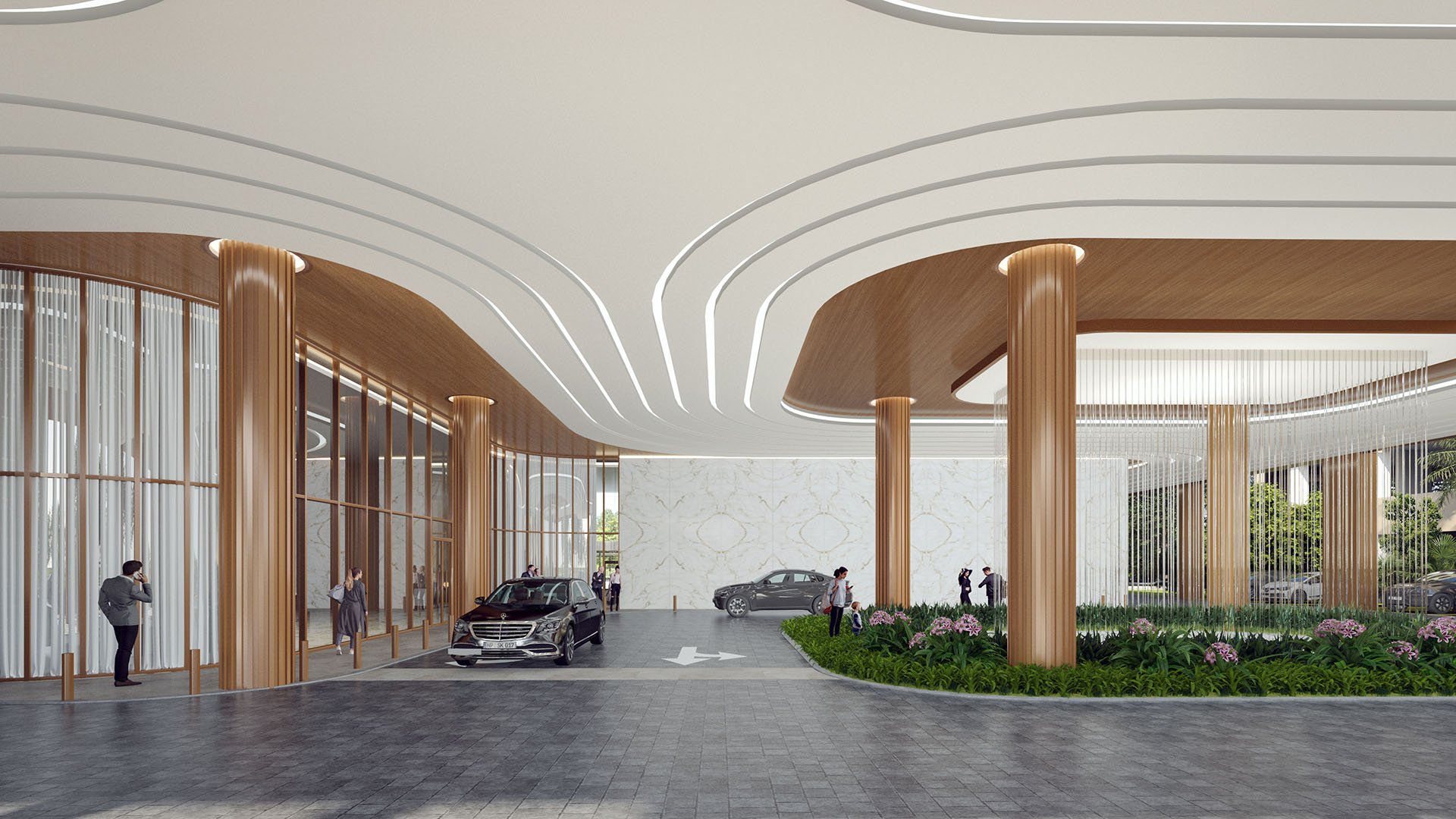
For this reason, building operations become central. Frequent travelers need a residence that can accommodate arrivals and departures with limited notice. The most valuable support is not theatrical; it is logistical. Access must be clean. Service coordination must be dependable. The home should be capable of being prepared, checked, and reset around an owner’s travel pattern.
This is where The Berkeley Palm Beach’s appeal sits: in the possibility of reduced friction. The owner is not buying a showpiece to supervise. The owner is buying a base that can wait, perform, and welcome them back.
The first 20 minutes after arrival reveal whether a residence truly suits a traveler. Luggage comes in. Climate, lighting, privacy, and basic comfort need to feel resolved. There should be no sense that the home has been dormant, even if it has been lightly used.
Architecture and layout matter here. Intermittent use favors intuitive circulation, practical storage, separation between private and service areas, and rooms that can be activated quickly. A residence for this buyer should not require a day of unpacking to feel livable. It should allow the owner to resume Palm Beach life almost instantly.
Buyers comparing the broader West Palm Beach landscape may also look at Alba West Palm Beach or Forté on Flagler West Palm Beach for context, but the essential question remains consistent: which residence makes return feel effortless rather than procedural?
For owners who travel frequently, security is not an amenity category. It is part of the ownership architecture. A residence may be vacant or lightly occupied between stays, which makes access control, monitoring, and privacy protocols more meaningful.
The ideal arrangement should create confidence without turning the home into a fortress. Discretion matters. The owner wants controlled access, predictable communication, and a sense that the residence is being protected while remaining easy to inhabit when they return.
This is especially important in Palm Beach, where personal visibility and privacy often exist in close proximity. A home port must allow the owner to be present without feeling exposed, and absent without feeling vulnerable.
Technology carries more weight for a frequent traveler than for an owner who is home every day. Remote monitoring, access coordination, climate management, and service scheduling are not conveniences; they are the infrastructure of peace of mind.
The best technology does not dominate the residence. It allows the owner to check in, grant access when appropriate, prepare the home before arrival, and manage the environment from a distance. When executed well, it supports the lifestyle without making the home feel overly automated or impersonal.
This is one of the clearest ways to distinguish a travel-ready residence from a beautiful apartment. The question is not whether technology exists. The question is whether it reduces decision fatigue for an owner whose life already involves constant movement.
A frequent traveler’s Palm Beach residence is only as useful as its connection to the rest of the owner’s South Florida life. Movement by air, car, rail, and boat can shape the practicality of ownership. The relevant question is not simply where the building is, but how quickly the owner can transition from travel mode to residence mode.
That transition may involve airport access, private car movement, regional rail connections, or waterfront routines. Each owner will rank these differently, but the underlying priority is the same: speed, predictability, and minimal friction.
Other West Palm Beach options, including Mr. C Residences West Palm Beach and The Ritz-Carlton Residences® West Palm Beach, sit within the same broader conversation about mobility, service expectations, and the maturing role of West Palm Beach as a luxury residential base.
The most sophisticated buyer will look past the first impression and ask operational questions. How is the residence prepared when the owner is away? How easily can service needs be handled? Does the layout support luggage, wardrobe rotation, private storage, and guest separation? Can the home be left unused without creating anxiety?
The Berkeley Palm Beach works as an editorial case study because it focuses attention on the right issue: performance. For a high-mobility owner, beauty matters, but continuity matters more. The property has to make life simpler, not add another address to manage.
In this sense, the most desirable residence is the one that disappears into the owner’s routine. It is present when needed, quiet when not, and reliable across the uneven rhythm of modern luxury travel.
Is The Berkeley Palm Beach best understood as a primary residence? It can be considered as a primary residence, but its strongest appeal here is as a home port for owners who travel frequently.
Why does irregular occupancy matter for buyers? Irregular occupancy shifts the focus from daily living alone to how well the residence performs while empty and upon return.
What should frequent travelers value most? They should prioritize reliability, low-friction logistics, privacy, storage, technology, and ease of arrival.
Is square footage the main consideration? Not for this buyer profile. Convenience, predictability, and reduced management burden may matter as much as size.
Why are building operations important? Operations determine whether arrivals, departures, access, and service coordination can happen smoothly with limited notice.
How does technology fit into the ownership experience? Remote monitoring, climate control, access management, and service coordination can help owners manage the residence while away.
Does security matter more for frequent travelers? Yes. Owners who leave a residence vacant or lightly used need confidence in privacy, access control, and oversight.
What role does transportation access play? Connectivity by air, car, rail, and boat helps determine how practical the residence is within a multi-residence lifestyle.
How should buyers compare The Berkeley Palm Beach with other residences? They should compare how each property supports absence, fast re-entry, service needs, and long-term ease of ownership.
What is the core luxury for this buyer? The core luxury is continuity: arriving in Palm Beach and feeling immediately at home without operational friction.
If you'd like a private walkthrough and a curated shortlist, connect with MILLION.
If branded residences are on your mind — as a home or as an allocation — we would be glad to share what we are seeing, privately.
Begin a quiet conversation