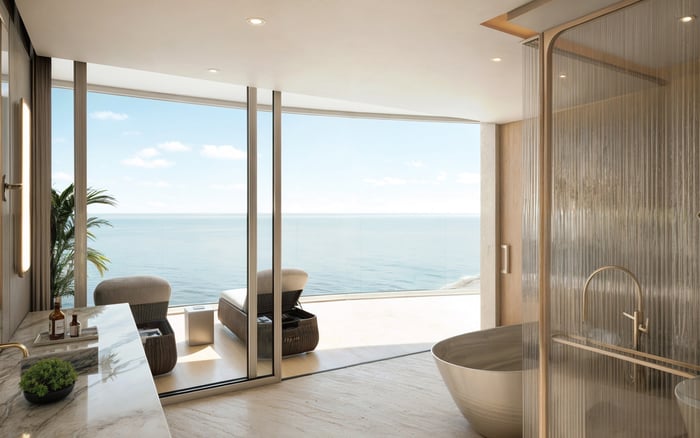
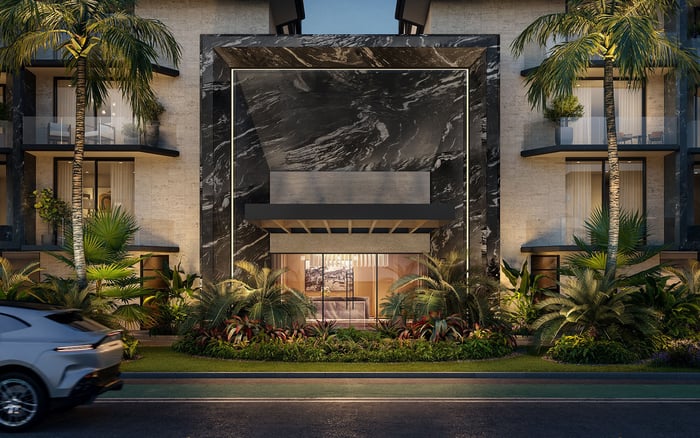
A refined guide for waterfront buyers on evaluating dockmaster service during a private showing, with practical cues for discretion, readiness, safety, and owner-level hospitality.
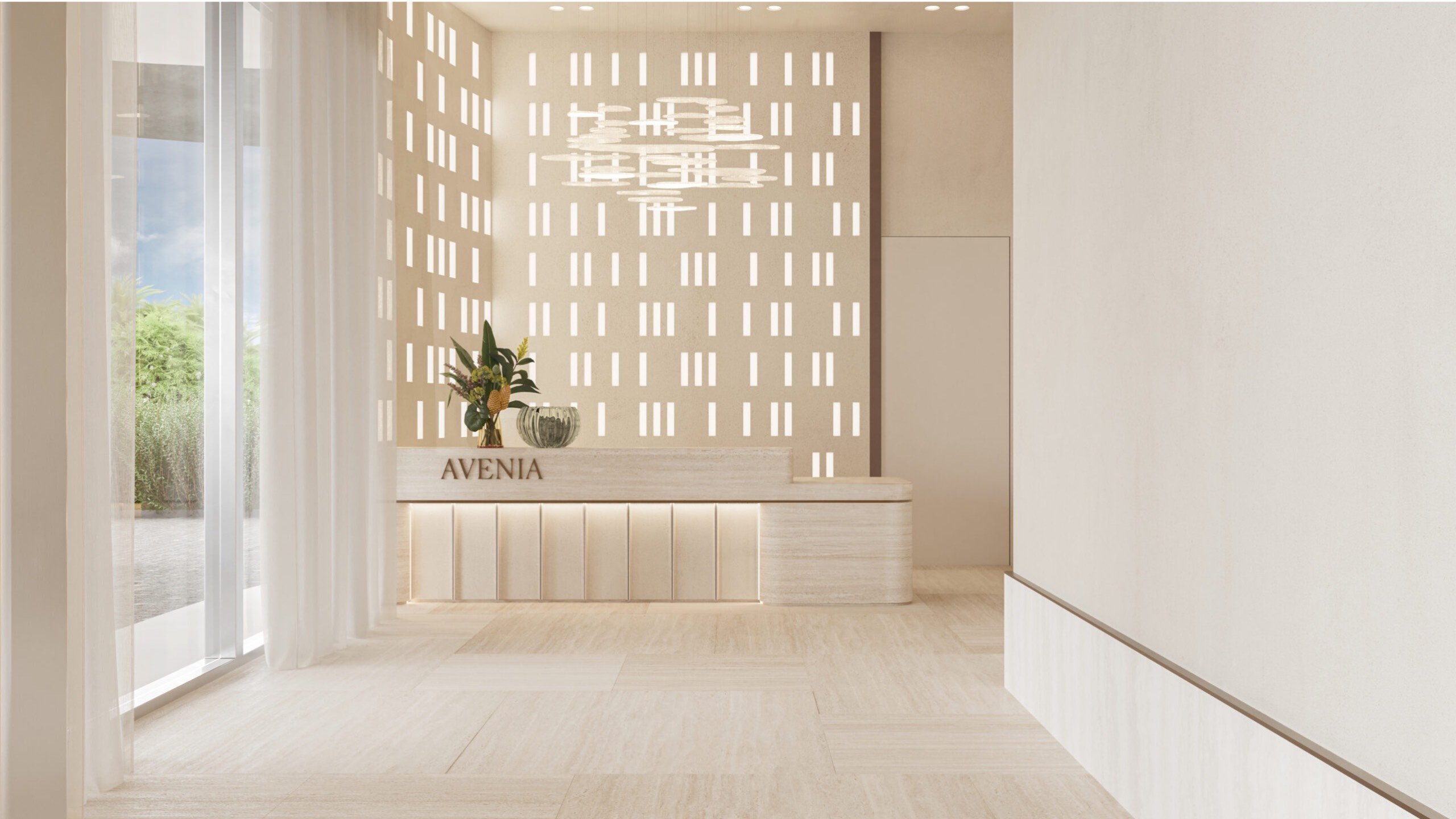
In South Florida luxury real estate, the water is not merely a view. For the buyer who lives by yacht, tender, paddleboard, or sunset cruise, the dock is an extension of the foyer. It is where guests arrive, provisions are received, crew coordinate, and privacy is either protected or quietly compromised.
That is why dockmaster service deserves the same scrutiny as the lobby, valet, spa, or private elevator. During a private showing, the goal is not to interrogate. It is to observe with intention. The best dock operations reveal themselves through calm timing, clear answers, and the sense that the waterfront was being managed well before you arrived.
A buyer should leave knowing more than whether a slip looks beautiful. The real question is whether the dock experience will feel effortless on a crowded weekend, during a guest arrival, after a late dinner, or when weather changes quickly.
The test starts with scheduling. Ask the sales representative or listing agent to include dock access as part of the showing, not as an afterthought. Request that the dockmaster, marine manager, or appropriate staff member be available for a brief introduction. This simple request reveals how seriously the property treats waterfront operations.
Notice whether the appointment is handled smoothly. Are arrival instructions clear? Is the dock easy to reach from the residence? Does the team understand the difference between a buyer who admires water and a buyer who actively uses it? A serious waterfront property should be able to speak about movement, not only scenery.
If the showing is at a condominium or club-style waterfront setting, ask how owners typically coordinate dock use, visiting vessels, deliveries, marine vendors, and guest arrivals. If it is a single-family residence, ask how the current owner has organized service, maintenance access, fuel coordination, cleaning, and hurricane preparation. The answers do not need theater. They need specificity, composure, and practical command.
Good dockmaster service feels gracious, but it is built on choreography. Watch how staff move around lines, gates, carts, lifts, tenders, and guests. The best service teams do not crowd the buyer, yet they remain present enough to anticipate what comes next.
During the tour, pause near the dock and let silence do some of the work. Is the area orderly? Are access points intuitive? Does the staff member explain protocols without sounding uncertain? Can they describe what happens when an owner is away for the season, when guests arrive by boat, or when a captain needs access before dawn?
Discretion is essential. A dockmaster may know when owners travel, what vessels they use, and who is visiting. During a showing, the right professional answers operational questions without volunteering private details about other residents. That restraint is a form of luxury.
In private notes, a buyer might classify the setting as Aventura, Marina, Boat-slip, Waterview, Oceanfront, or Terrace, but the more meaningful note is how confidently the waterfront is run. A remarkable view can be photographed. Competent service has to be witnessed.
Generic questions produce polished answers. Scenarios reveal the operating culture. Instead of asking whether the dock is well managed, ask what happens in ordinary moments that matter.
Consider questions such as: If guests arrive by boat during a dinner party, who greets them and where do they wait? If a captain needs vendor access while the owner is traveling, what approval process is used? If a storm is approaching, who communicates with owners and how early? If an owner wants the boat ready at a specific time, how is that request confirmed?
The purpose is not to trap anyone. It is to understand whether the dockmaster thinks like a hospitality professional, a marine operator, or merely a gatekeeper. The strongest answer usually includes a sequence: request, confirmation, access, supervision, and follow-up.
Pay close attention to language. Phrases such as “we usually figure it out” can signal informality, which may be acceptable for some owners and insufficient for others. More reassuring is a calm explanation of how requests are logged, who is authorized to act, and how the owner is updated.
A private showing provides a rare chance to test response without creating drama. Ask for one minor, reasonable item related to the dock experience. It might be the best walking route from residence to slip, where guests would arrive, where marine vendors check in, or how a tender pickup would be staged.
Then watch the response. Does the team know immediately, or does everyone look to someone else? Is the answer delivered with confidence? Does the dockmaster appear comfortable coordinating with concierge, security, valet, or property management?
Waterfront living is multidisciplinary. It involves hospitality, security, maintenance, weather awareness, guest service, and, at times, crew coordination. If the dockmaster operates in isolation, owners may feel it later. If the dockmaster is integrated into the broader service culture, ownership feels more seamless.
Also observe tone. A luxury dock environment should never feel casual about safety, yet it should not feel stiff or defensive. The ideal impression is quiet control.
A superior dockmaster thinks beyond the slip. They understand that an owner may be hosting guests, receiving provisions, preparing for a weekend run, or stepping aboard after a long flight. The dock should support the rhythm of the residence.
Ask how owners communicate preferences. Some may prefer text-style brevity, while others may want communication through household staff or a captain. Ask how guest names are handled, how recurring vendors are recognized, and how the property avoids unnecessary exposure of personal routines.
Details matter. Lighting, access control, cart movement, storage etiquette, trash removal, hose management, and vendor timing all shape the experience. None of these elements is glamorous on its own. Together, they determine whether waterfront ownership feels serene or managerial.
A strong dockmaster also understands boundaries. They will not overpromise on matters controlled by regulations, associations, weather, tides, or independent marine service providers. Confidence is valuable. Overconfidence is not.
The dock is one of the most revealing social zones in a waterfront property. It shows how the residence handles privacy when owners are outside controlled interiors. During the showing, note whether the area feels like a service corridor, a recreational amenity, or a private club threshold.
A refined dock environment should support both movement and pause. There should be a natural place for introductions, a clear path for loading, and enough order that guests do not wonder where to stand. If the residence promises effortless entertaining, the dock should not feel improvised.
For buyers comparing multiple waterfront homes, create a simple post-showing scorecard. Rate communication, access, discretion, safety posture, vendor coordination, guest arrival experience, and confidence under scenarios. The property with the most beautiful water may not be the one with the best operational life.
Dockmaster service is easy to overlook because it is rarely staged as the centerpiece of a showing. Yet for the right buyer, it may influence daily enjoyment more than a secondary lounge or decorative amenity. A dockmaster is part host, part operator, part guardian of privacy.
The most persuasive service is not loud. It is the feeling that the waterfront has a rhythm, that staff know the property’s marine life intimately, and that the owner will not need to manage every detail personally. In the ultra-premium market, that quiet competence is not secondary. It is part of the asset.
Why should I test dockmaster service during a private showing? Because the dock is a functional part of waterfront ownership. Service quality affects privacy, access, guest arrivals, and daily ease.
What is the first question to ask about dock operations? Ask who coordinates owner requests and how those requests are confirmed. The answer should reveal the chain of responsibility.
Should the dockmaster attend the showing? If available, a brief introduction is useful. It lets you evaluate confidence, discretion, and practical knowledge directly.
What is a red flag during the dock portion of a tour? Vague answers about access, guests, vendors, or storm procedures can indicate weak systems. Disorganization around the dock is also telling.
How can I test discretion without being intrusive? Ask operational questions and listen for whether staff avoid discussing other owners. Privacy discipline is a luxury service marker.
What should boat owners ask specifically? Ask about arrival staging, vendor access, captain coordination, owner communication preferences, and how requests are handled when you are away.
Does beautiful dock design guarantee strong service? No. Design creates the setting, but staffing, protocols, and communication determine the ownership experience.
How long should the dock evaluation take? Ten to fifteen focused minutes can be enough if you ask scenario-based questions and observe the service choreography carefully.
Should I compare dock service between properties? Yes. Use the same questions at each showing so differences in readiness, tone, and professionalism become clear.
Can dockmaster quality affect resale appeal? For serious waterfront buyers, service culture can influence desirability. A well-run dock supports the sense of effortless ownership.
If you'd like a private walkthrough and a curated shortlist, connect with MILLION.
If branded residences are on your mind — as a home or as an allocation — we would be glad to share what we are seeing, privately.
Begin a quiet conversation