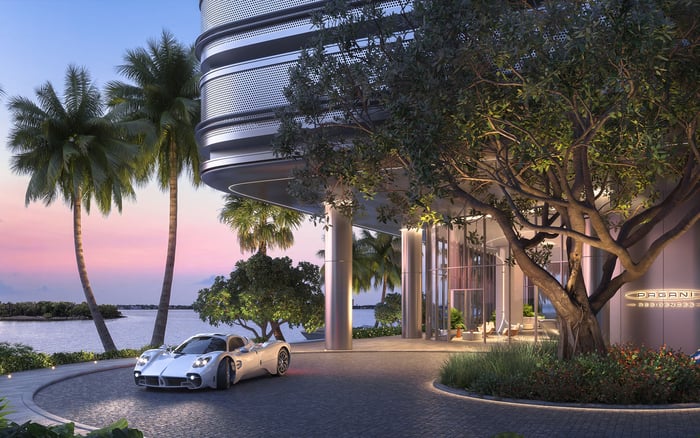
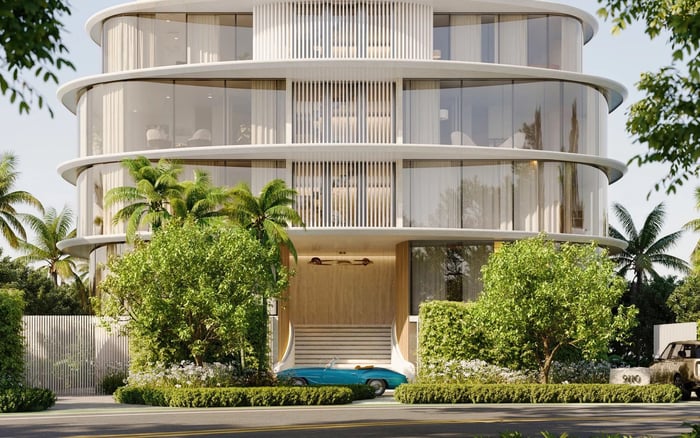
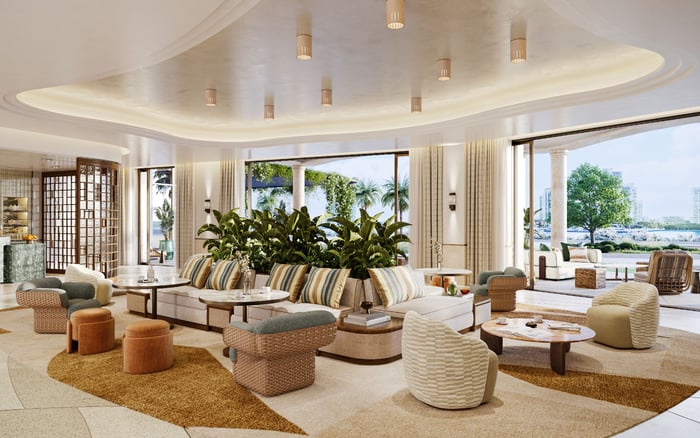
Aventura can suit Washington, D.C. buyers who value discreet service, controlled privacy, and a residence that remains manageable when they are away.
For Washington, D.C. buyers, the most persuasive version of South Florida luxury may be the one that asks the least of its owner. The priority is not simply a polished residence, but a home that supports an exacting schedule, preserves personal discretion, and remains straightforward to manage between visits.
That is the frame through which Aventura deserves consideration. Its appeal lies less in theatricality than in operational composure: the ability to arrive, settle in, and leave without allowing ownership to become another demand. For principals accustomed to managed calendars and carefully calibrated environments, that sense of order can be the defining amenity.
A second-home purchase should therefore be evaluated as both a residence and an operating system. The central question is not how many features a building advertises, but how consistently its design, staff, rules, and management align with the owner's habits.
Excellent residential service is most valuable when it is nearly invisible. It should simplify arrivals, coordinate routine needs, and provide a dependable point of contact while allowing the owner to determine the level of engagement.
Washington buyers should examine staffing coverage, package handling, guest protocols, maintenance coordination, residence access, and procedures during an extended absence. These details reveal whether service is genuinely integrated or merely presented as a collection of amenities.
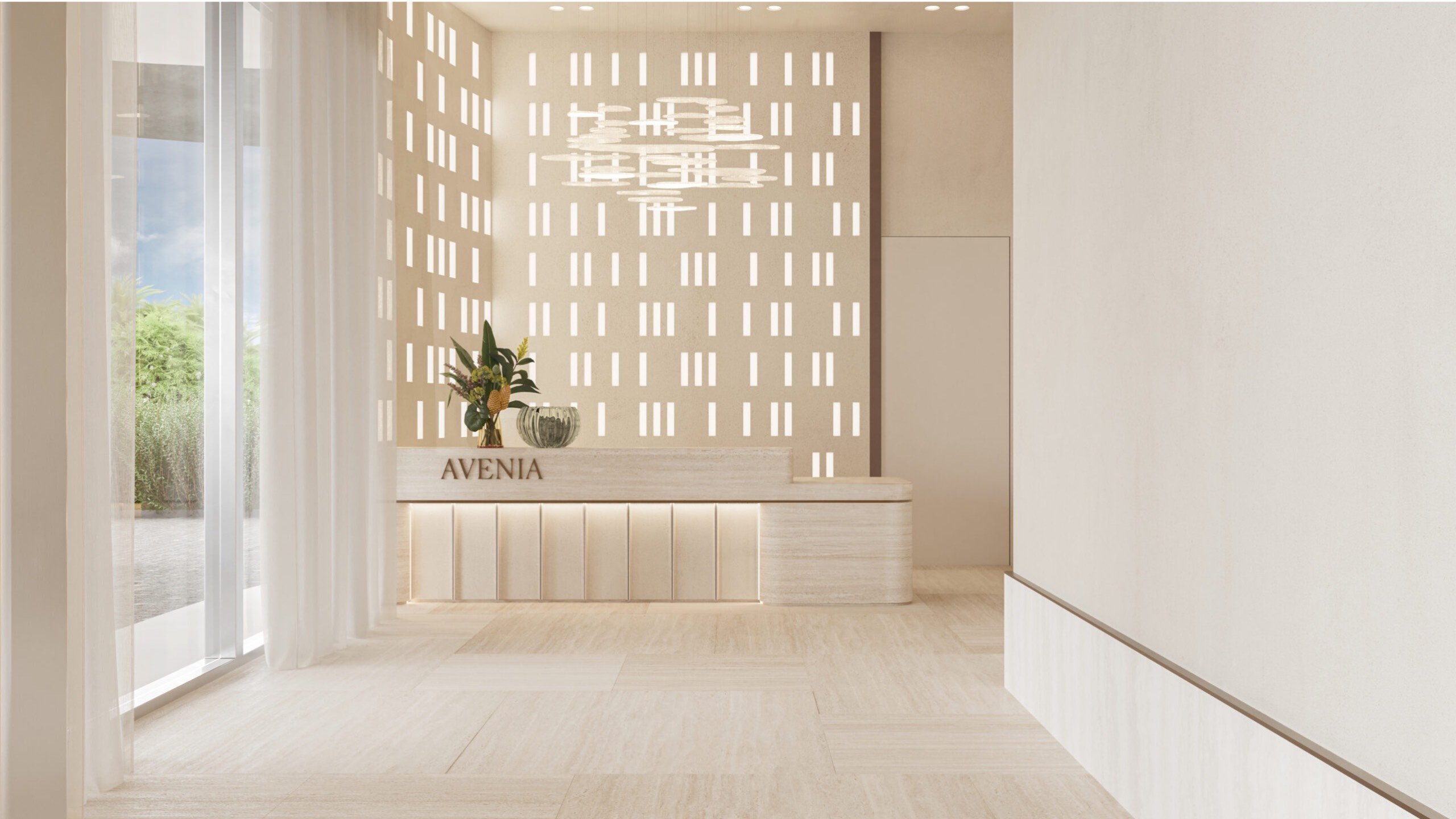
Avenia Aventura offers an Aventura-specific starting point for that conversation. Buyers should still test every service expectation against current governing documents, management policies, purchase materials, and written disclosures. A promise of convenience becomes meaningful only when its responsibilities and limitations are clear.
Privacy begins before the front door. It is shaped by the route from arrival to residence, the visibility of common areas, guest access, delivery procedures, elevator circulation, staffing practices, and the relationship between indoor and outdoor space.
A buyer seeking discretion should walk the complete arrival sequence at different times rather than rely solely on a private presentation. Observe how residents, guests, vendors, and staff move through the property. Ask who can authorize access, how records are handled, and what happens when an owner is absent.
Residence selection matters as much as building selection. Orientation, proximity to shared spaces, terrace relationships, and elevator placement can influence the lived experience. Waterfront outlooks may be desirable, but waterfront positioning should be assessed alongside exposure, maintenance considerations, and the owner's preference for visual separation.
No-frictions ownership does not mean ownership without obligations. It means foreseeable obligations have been identified, assigned, and made manageable. The strongest purchase is one in which the buyer understands who handles each recurring task, what requires advance approval, and which decisions cannot be delegated.
For an owner dividing time between Washington and South Florida, the review should encompass association responsibilities, insurance requirements, residence monitoring, vendor access, renovation rules, parking procedures, pet policies, guest permissions, and any leasing restrictions relevant to future plans. Legal, tax, insurance, and financial advisers should review the structure independently.
Lifestyle compatibility also demands precision. A beautiful residence can create friction if its rules do not align with the household's staffing, entertaining, security, or travel patterns. The goal is not maximum optionality at any cost, but a framework that permits the right kind of use with minimal ambiguity.
Aventura buyers often benefit from comparing nearby residential propositions before committing to a particular ownership model. The comparison should center on privacy, management, service culture, residence scale, and rules-not finishes alone.
To the south, One Park Tower by Turnberry North Miami can serve as a reference point for buyers considering North Miami. Along the coast, St. Regis® Residences Sunny Isles and Bentley Residences Sunny Isles allow buyers to examine how branded residences may differ in identity and proposed ownership experience.
These comparisons are not substitutes for project-level diligence. They help refine the brief. A buyer may discover that discreet staffing matters more than an extensive amenity program, or that predictable access protocols outweigh a more visible social atmosphere.
Before touring, define the nonnegotiables in writing. Specify the expected visit pattern, household composition, guest frequency, privacy threshold, vehicle needs, remote-management requirements, and tolerance for shared activity. This prevents attractive details from obscuring operational fit.
During diligence, request the current documents governing use and costs. Clarify what the building handles, what the owner must arrange, and how exceptions are approved. Buyer's guides can help organize the initial questions, but counsel and specialist advisers should confirm the answers that could affect a purchase.
The result should feel calm rather than complicated. For the right Washington buyer, Aventura's promise lies in a residence selected not simply for its appearance, but for its ability to support privacy, service, and control with disciplined ease.
Why might a Washington, D.C. buyer consider Aventura? Aventura can be evaluated as a discreet South Florida base where service, privacy, and ease of management take priority.
What does no-frictions ownership mean? It means clearly understanding obligations and arranging them so routine ownership demands remain manageable between visits.
Which service questions should buyers ask? Ask about staffing coverage, deliveries, guest access, maintenance coordination, absence procedures, and escalation protocols.
How should a buyer assess privacy? Walk the full arrival route and review circulation, elevator access, vendor movement, guest procedures, and adjacent shared spaces.
Are amenities the best measure of service? No. Operational consistency, staff discretion, written policies, and accountability may matter more than the number of amenities.
Should buyers compare Aventura with nearby markets? Yes. Comparing ownership models can clarify preferences regarding service culture, privacy, management, and residence type.
What documents deserve close review? Review governing documents, purchase materials, disclosures, budgets, rules, insurance requirements, and applicable management policies with advisers.
How important are leasing and guest rules? They are important whenever future flexibility, family use, staff access, or extended guest stays are part of the plan.
Who should advise on tax and legal matters? Qualified legal and tax professionals should evaluate the buyer's personal circumstances and proposed ownership structure.
What should guide the final decision? Choose the residence whose design, rules, management, and service model best support the household's actual pattern of use.
If you'd like a private walkthrough and a curated shortlist, connect with MILLION.
If branded residences are on your mind — as a home or as an allocation — we would be glad to share what we are seeing, privately.
Begin a quiet conversation