A discreet guide for Chicago buyers weighing South Florida walkability against privacy, with practical cues for Surfside, Bal Harbour, Bay Harbor Islands, Miami Beach, Coconut Grove, and Brickell.
For a Chicago buyer considering Surfside or the surrounding South Florida coast, the central question is rarely simply beach versus city. It is whether a home can preserve the pleasure of walking to dinner, coffee, wellness, and the water while delivering the privacy that makes a primary residence or second home feel restorative.
The mistake is treating walkability as a neighborhood label. In luxury real estate, walkability is a personal pattern: the path from your lobby to a favorite breakfast table, the distance from valet to sand, the ease of walking a dog before a call, and the ability to dine nearby without turning every evening into a social performance. Privacy is just as layered. It is not only a gate or a doorman. It is how a building handles arrivals, how residences are stacked, how terraces face neighboring structures, and whether common areas feel curated rather than crowded.
A practical search may begin with area shorthand such as Surfside, Bal Harbour, Bay Harbor Islands, Miami Beach, Coconut Grove, and Brickell. The real work, however, is block by block, building by building, and routine by routine.
Before comparing towers, draw a simple map of your actual week. Where do you want to walk in the morning? Where will you eat on a Tuesday? How often do you need a quick errand, a fitness appointment, or a low-key coffee meeting? A Chicago relocation often carries a refined expectation of convenience, but South Florida’s coastal lifestyle distributes that convenience differently.
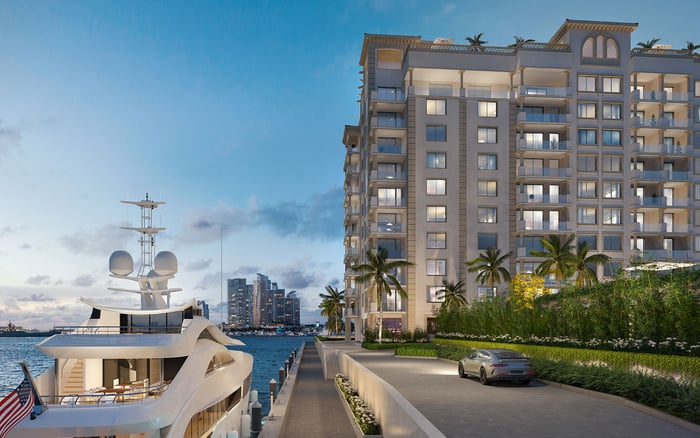
Surfside is compelling because it offers a quieter form of access. Buyers drawn to buildings such as The Delmore Surfside are often seeking a residential atmosphere where the beach, services, and dining feel close without the intensity of a larger urban core. That balance matters. Too much activity immediately below a residence can become exposure. Too little access can make a coastal home feel dependent on a car.
Ask your advisor to walk the route with you at several moments of the day. The same sidewalk can feel serene in the morning, animated at sunset, and entirely different after dinner. A beautiful residence should work in all three conditions.
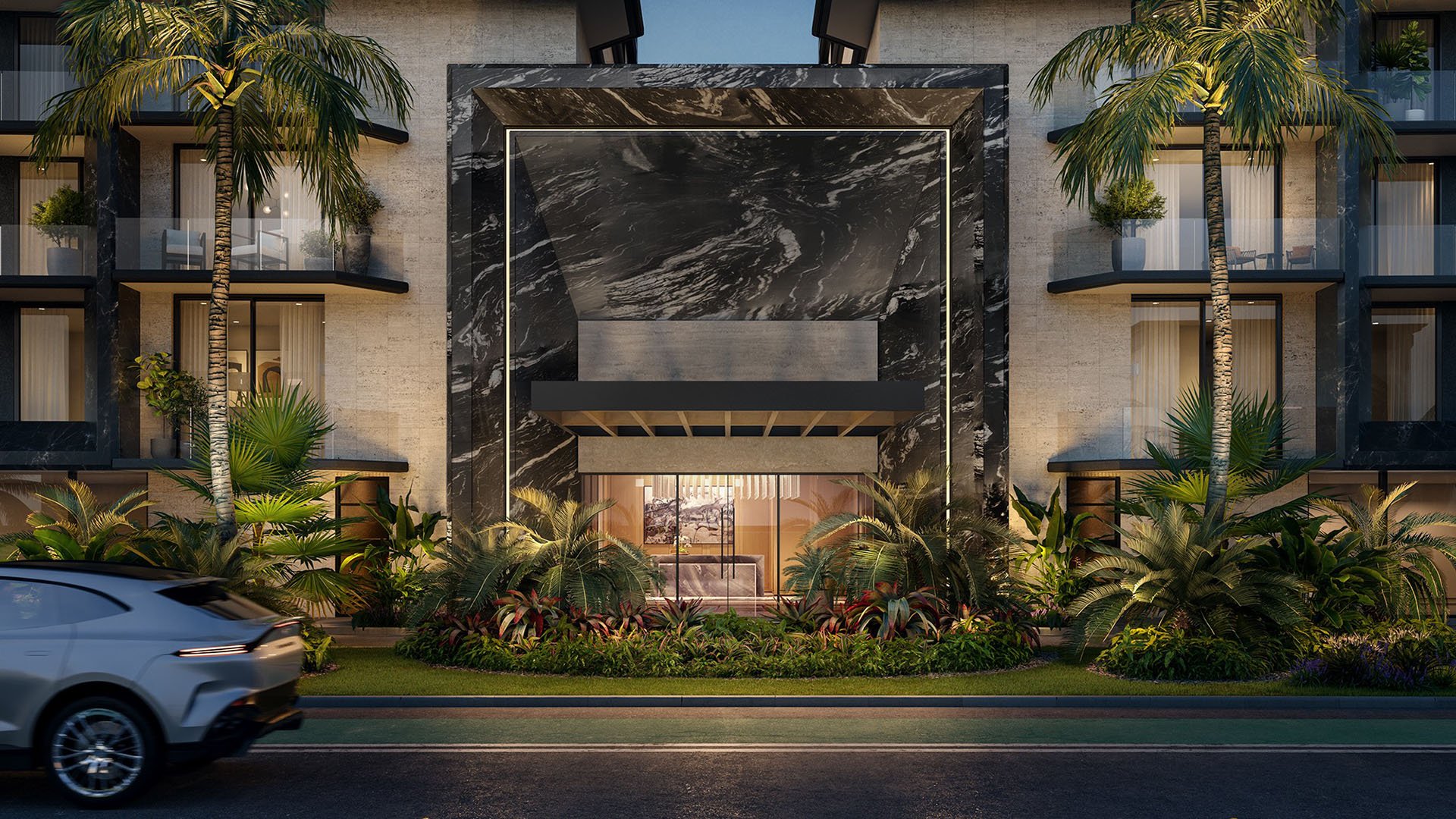
The most private homes announce less. Study the arrival sequence first. Is there a discreet porte cochere? Does the lobby have direct sightlines from the street? Are residents and guests separated in a way that feels natural? Is the elevator experience calm, or does it feel like a hotel corridor with constant cross traffic?
In boutique coastal buildings, privacy can come from scale and restraint. In larger full-service buildings, it can come from staffing, circulation, and well-planned amenity placement. A residence at Ocean House Surfside, for example, belongs in the conversation for buyers who want the area’s residential tone without giving up the comfort of a managed building environment.
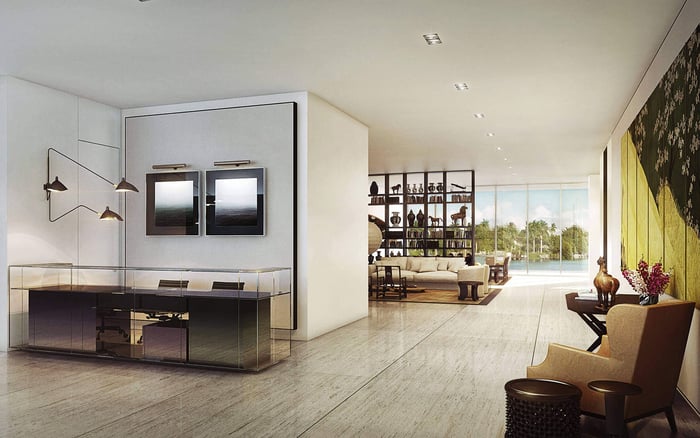
Inside the home, privacy is architectural. Consider whether bedrooms are shielded from entertaining spaces, whether terraces face open water or adjacent balconies, and whether the kitchen is designed for everyday use or mostly for presentation. The most successful South Florida homes understand that indoor-outdoor living should not mean living on display.
Surfside is not the only answer. It is a reference point for buyers who want a softer coastal rhythm, but neighboring enclaves can solve different versions of the same problem.
Bal Harbour often appeals to those who want a more polished resort-residential setting and are comfortable with a rarified address. A buyer considering Rivage Bal Harbour may prioritize a sophisticated building experience, strong service expectations, and proximity to refined shopping and dining while still seeking insulation from daily noise.
Bay Harbor Islands can be attractive for buyers who want a quieter, more residential bridge between beach access and mainland practicality. Projects like The Well Bay Harbor Islands fit conversations where wellness, ease, and a less theatrical address are part of the decision.
Miami Beach offers a broader lifestyle range. The key is to separate walkability from visibility. A highly walkable pocket may be convenient, but if every arrival feels public, it may not meet the privacy standard of a buyer leaving a discreet Chicago building.
Not every Chicago mover wants the softest coastal environment. Some want restaurants, offices, cultural access, and a more vertical daily life. Brickell can serve that buyer if the priority is energy and convenience, while the privacy test becomes more demanding. In dense urban settings, the best buildings protect the resident through controlled arrival, private elevator logic where available, sound separation, and residences that rise above street-level activity.
Coconut Grove offers another kind of answer. It is not the same proposition as Surfside, but it can satisfy buyers who want greenery, village texture, and a more residential walking pattern. The contrast is useful: if Surfside feels too quiet and Brickell too exposed, Coconut Grove may help calibrate what kind of walkability you actually want.
The point is not to crown one neighborhood. It is to recognize that South Florida gives you several versions of convenience, each with a different privacy cost.
First, study the approach. If the building entrance is too visible, too busy, or too dependent on valet choreography, the residence may feel less private over time. Second, test the vertical circulation. A calm elevator bank can matter as much as a beautiful lobby. Third, examine the terrace relationship. Ocean views are desirable, but side exposure, neighboring balconies, and building orientation can change how usable an outdoor room feels.
Fourth, assess amenities with discretion in mind. A pool deck, wellness suite, or lounge should expand your life, not create a social obligation every time you pass through. Fifth, look at parking, service access, package handling, and guest arrivals. These operational details often determine whether a luxury building feels effortless after the initial impression fades.
Finally, separate the romantic walk from the necessary walk. It is pleasant to imagine sunset strolls. It is more important to know whether the everyday routes feel safe, shaded, intuitive, and appropriate for your household’s pace.
If you are moving from Chicago, do not try to recreate Chicago in warmer weather. South Florida has its own codes of privacy, service, and movement. The better question is which parts of your current life deserve to travel with you. If it is the ability to walk to a favorite table, choose a building near the routines you will repeat. If it is anonymity, choose a residence that shields arrival, terraces, and circulation. If it is ease, look for a home where beach access, wellness, dining, and vehicle logistics do not compete.
The right Surfside-area home should feel composed, not isolated. You should be able to step out without planning an expedition and return without feeling observed. That is the luxury sweet spot: not maximum walkability, not maximum seclusion, but controlled access to the life you actually intend to live.
Is Surfside a good fit for Chicago buyers who value walkability? It can be, especially for buyers who want coastal access and nearby conveniences without choosing the most urban setting.
Does greater walkability always reduce privacy? Not always. The building’s arrival sequence, residence orientation, and amenity design can preserve privacy even in convenient locations.
Should I prioritize neighborhood or building first? Start with lifestyle geography, then narrow by building. A great residence in the wrong daily pattern will feel inconvenient.
How do I test walkability before buying? Walk your likely routines in the morning, afternoon, and evening, then judge comfort, exposure, noise, and ease.
What is the most overlooked privacy issue? Terrace exposure is often underestimated. A beautiful outdoor space must feel usable, not merely photogenic.
Is Bal Harbour more private than Surfside? It depends on the building and block. Bal Harbour may feel more formal, while Surfside may feel more residential.
Can Bay Harbor Islands work for beach-oriented buyers? Yes, for buyers who value a quieter residential base and are comfortable with a slightly different relationship to the sand.
When does Brickell make more sense than Surfside? Brickell suits buyers who want urban energy, business access, and a denser restaurant and service environment.
Should second-home buyers weigh privacy differently? Yes. A second home should be effortless after arrival, with secure access, simple maintenance, and calm circulation.
What is the best first step in a Surfside search? Define your weekly routine, then tour only buildings that support both your walking pattern and your privacy threshold.
For a tailored shortlist and next-step guidance, connect with MILLION.
If branded residences are on your mind — as a home or as an allocation — we would be glad to share what we are seeing, privately.
Begin a quiet conversation