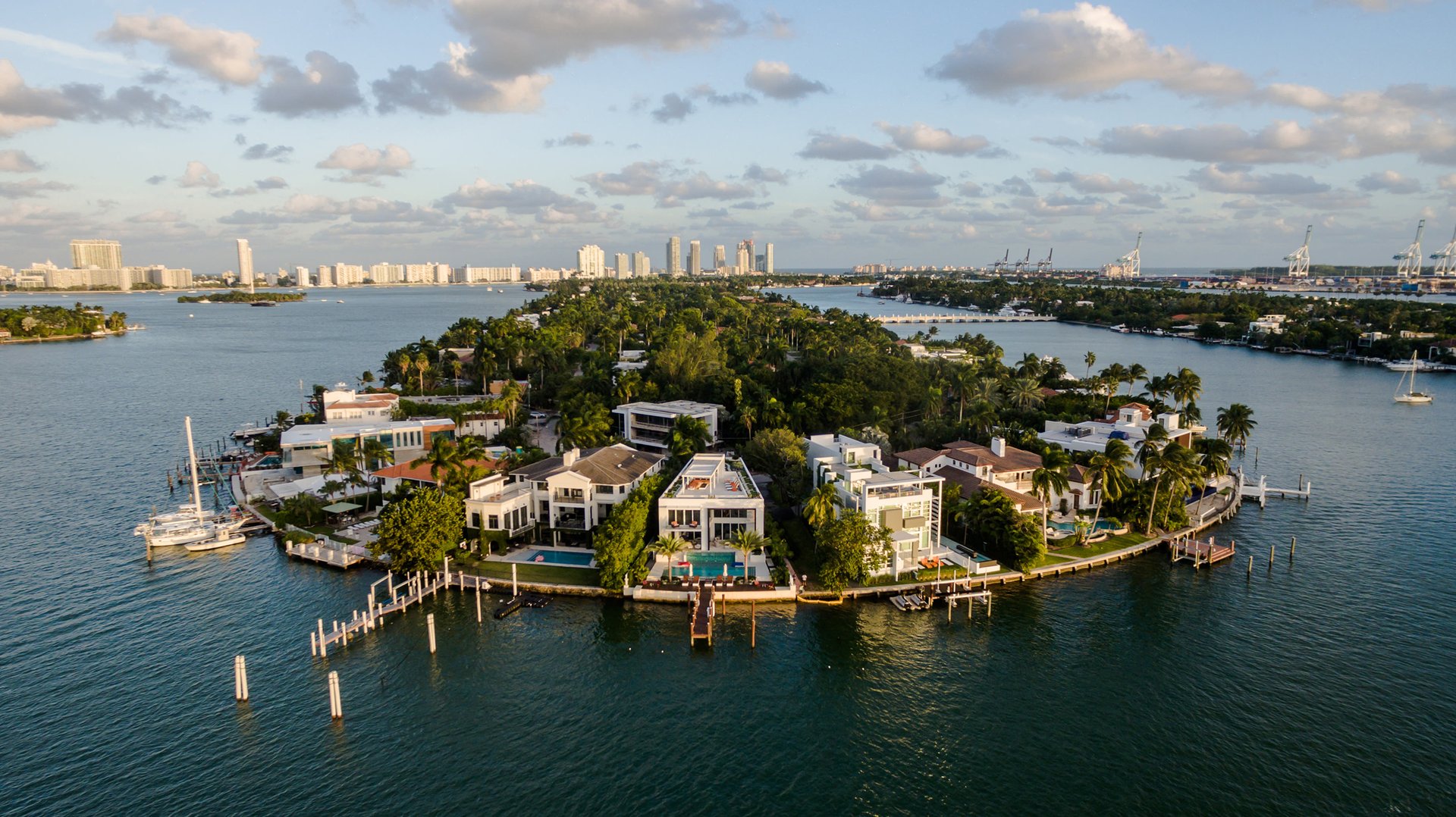
Palm and Hibiscus Islands: Miami Beach’s Discreet, Gated Waterfront Enclaves
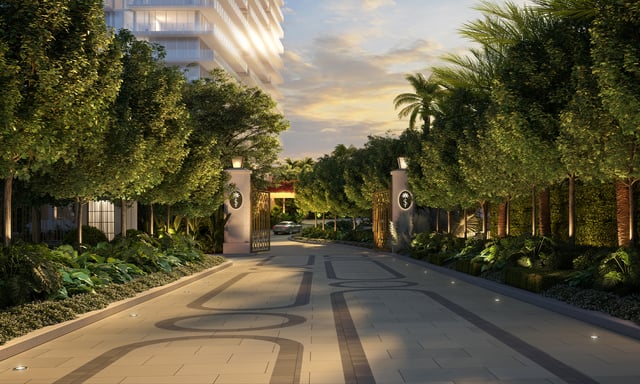
Palm and Hibiscus Islands sit like two quiet commas in Biscayne Bay, minutes from both Downtown Miami and the energy of South Beach. Created in the early 1920s through dredging and fill, these man-made islands have evolved into among Miami Beach’s most private addresses: low inventory, high discretion, and a waterfront lifestyle that remains difficult to replicate. For buyers, the appeal is less about flash and more about geography and scarcity. The islands are gated and guarded, their streets largely residential, and their market is often defined by trophy-level listings that can set national headlines. What follows is a buyer-oriented look at why Palm and Hibiscus Islands endure as long-term luxury holds, and what to watch when you decide to compete for a water-edge parcel in the heart of Miami Beach.
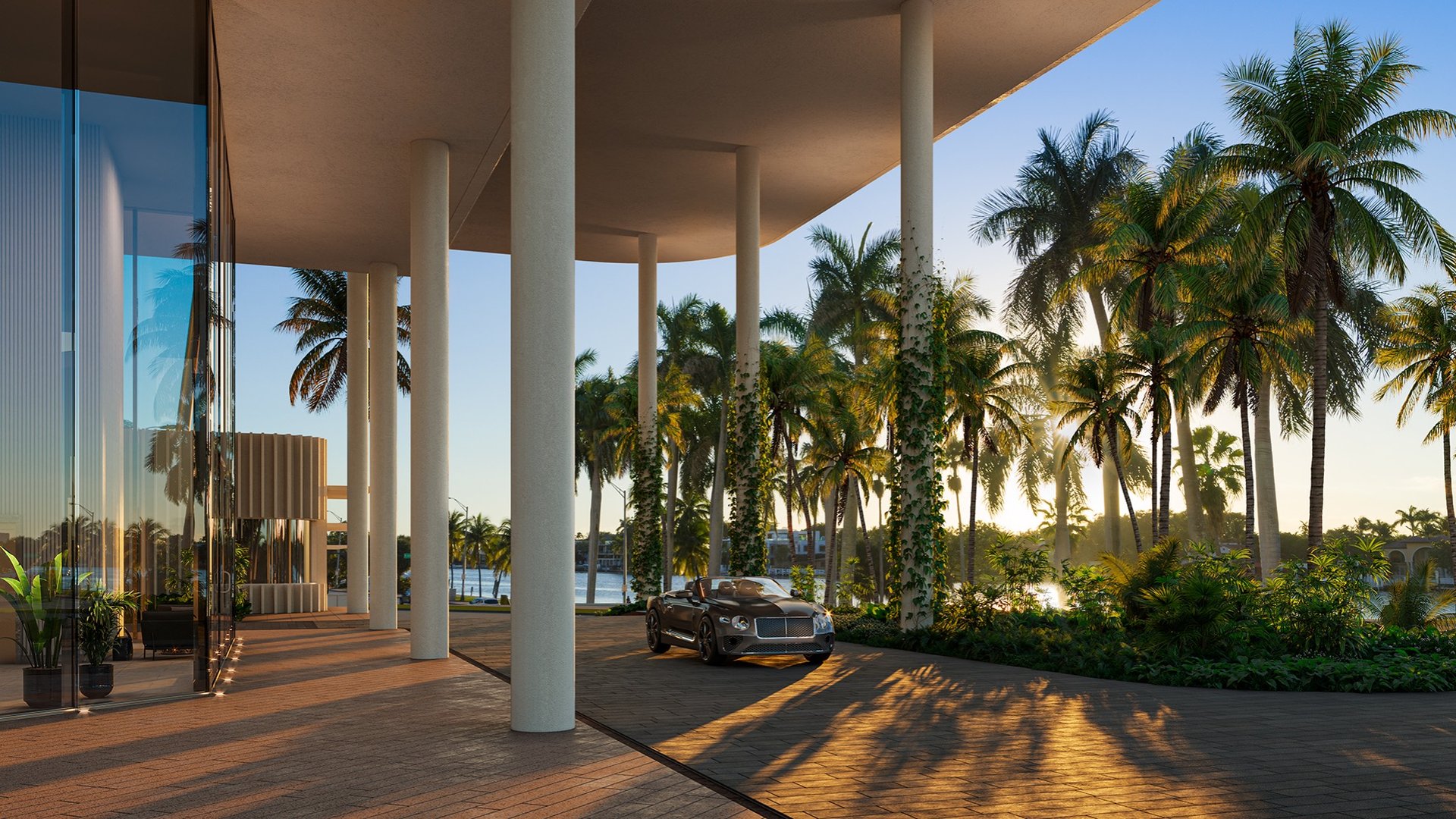
Decoding Luxury Condo Fees in Miami Beach: What Do Your HOA Dollars Really Buy?
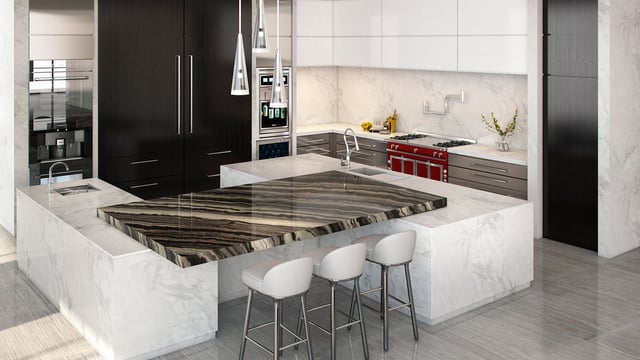
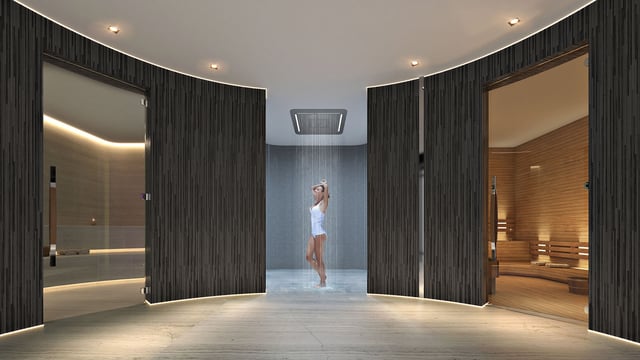
In Miami Beach, luxury HOA fees buy far more than basic upkeep. They fund a hospitality‑grade operation: 24‑hour concierge and butler teams, layered security, residents‑only dining, beach and marina programs, and meticulous maintenance of architect‑led buildings on the ocean. With boutique scales and stringent insurance and compliance standards, costs are shared among fewer owners yet deliver a resort‑level lifestyle. This guide breaks down what the fees cover, how branded residences manage consistency, and how to assess HOA value with confidence.