At One Thousand Museum, the hosting question begins with a crucial distinction: shared amenities can elevate entertaining, but they are not substitutes for confirmed overnight guest accommodations. Buyers should therefore evaluate bedroom count, privacy, residence layout, and hotel access against the real frequency and duration of family visits.
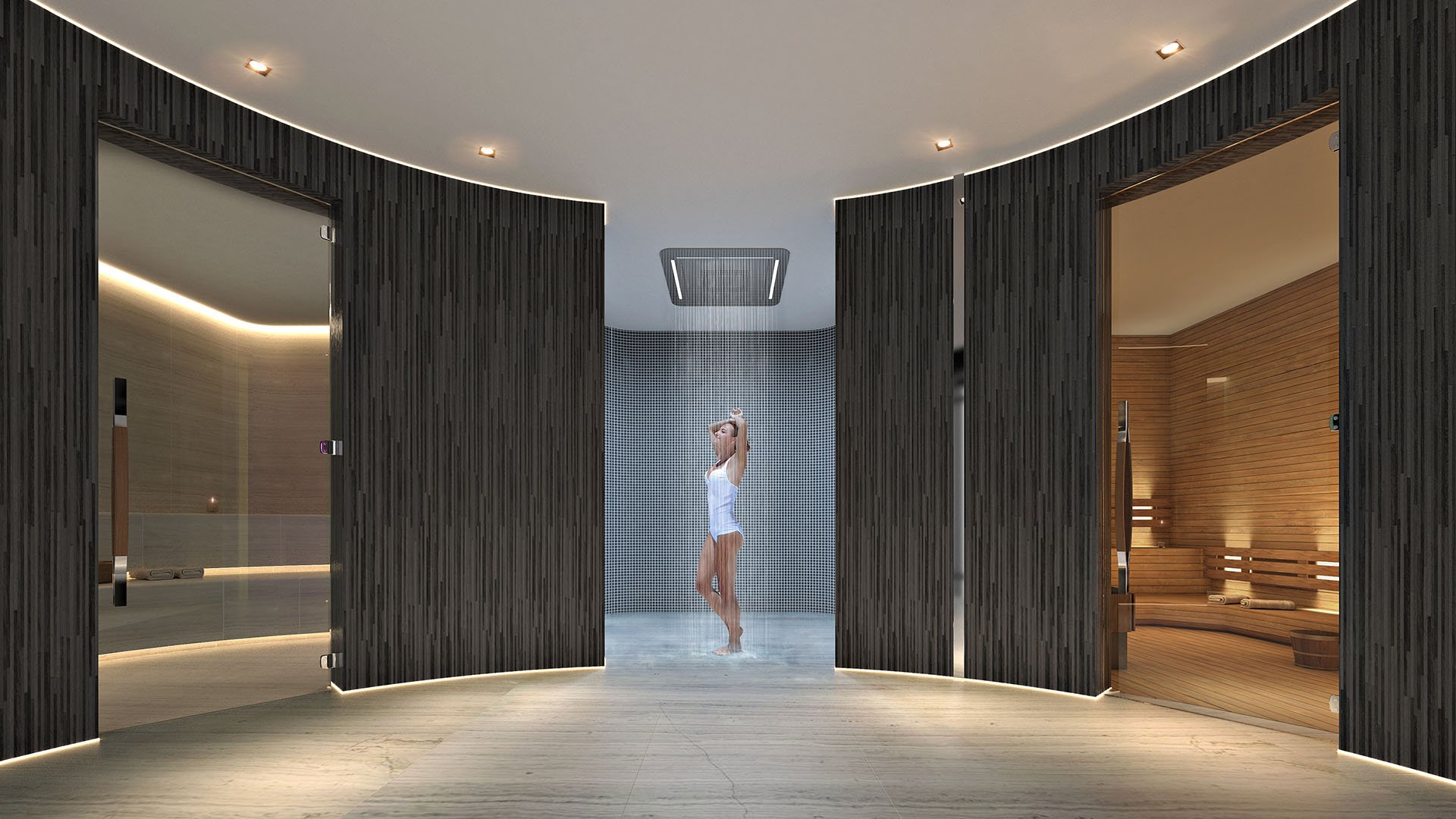
For buyers considering One Thousand Museum Downtown Miami, visiting family can materially redefine the ideal residence. The ownership equation extends beyond architecture and shared amenities: buyers should not assume access to dedicated overnight guest accommodations unless that access is confirmed in current building materials and governing documents.
A residence that feels generous for two may function very differently when children, parents, or extended family stay for several nights. The practical review should begin with the residence itself, including bedroom count, bathroom access, privacy, storage, and circulation.
Frequency is the central question. An owner who regularly hosts family may rationally value an additional bedroom more highly than someone anticipating one or two brief visits each year. That extra room can preserve morning routines, acoustic separation, storage, and a sense of private territory for owners and guests alike.
Occasional hosts may reach a different conclusion. Rather than carrying more interior space throughout the year, they may prefer a residence calibrated to daily life and arrange off-site accommodation for overflow visitors. Neither approach is inherently more luxurious. The more refined choice aligns recurring costs and space with actual behavior.
Duration matters as much as frequency. A weekend guest can adapt to a flexible room; a longer or multigenerational stay may make a dedicated bedroom, convenient bathroom access, and separation from the primary suite substantially more valuable. Buyers should test floor plans against realistic stays, not an abstract maximum occupancy.
Shared spaces can broaden the experience of a family visit and reduce pressure on the private residence. They may provide places to gather, relax, or entertain without requiring every activity to unfold inside the home.
Those benefits do not establish overnight accommodation. An entertaining space can make hosting more graceful, but it does not resolve where guests sleep. That distinction should remain clear when comparing residences or deciding whether a den, office, or secondary bedroom can serve more than one purpose.
A thoughtful search should compare ownership models and layouts, not design identity alone. Buyers touring Aston Martin Residences Downtown Miami, Waldorf Astoria Residences Downtown Miami, or Casa Bella by B&B Italia Downtown Miami alongside One Thousand Museum can apply the same disciplined questions to each property.
The comparison should center on what is documented for the specific building and residence under consideration. Bedroom count, internal circulation, privacy between rooms, visitor procedures, and access to off-site accommodations may matter more to a frequent host than an extensive amenity inventory. Buyers should not carry assumptions from one condominium to another, even when the properties share a Downtown Miami location or luxury positioning.
Guest arrangements are operational as well as spatial. Before making an offer, a buyer should request current governing documents and direct confirmation of policies affecting visitors. If guest accommodations are represented as available, questions should address who may book them, applicable fees, booking priority, stay limits, cancellation terms, and visitor access to shared spaces.
None of these details should be inferred from a property's service level or branding. Current documents carry more weight than informal expectations. If no in-building guest accommodation is confirmed, buyers can weigh the cost and convenience of a larger residence against arranging off-site rooms when family visits.
The same diligence applies at the residence level. Consider whether a secondary room offers appropriate privacy, whether guests would cross principal living areas at night, and whether the layout remains comfortable when everyone is home. The experience should be assessed in the actual floor plan rather than generalized across the building.
At One Thousand Museum, the most compelling purchase may not be the residence with the greatest nominal capacity. It may be the one that accommodates the owner’s true pattern of family life with the least compromise. Frequent hosts can prioritize dedicated sleeping quarters and separation; occasional hosts can favor daily-use space while planning for external accommodation.
That calculation elevates visiting family from an afterthought to a core acquisition criterion. In an ultra-luxury home, hospitality is not only about receiving guests beautifully. It is also about preserving the owner’s privacy, routine, and ease after the evening ends.
Does One Thousand Museum have reservable guest suites? The available facts do not establish dedicated, reservable guest suites. Buyers should verify the current position through governing documents and direct confirmation.
Should buyers assume access to an on-site room for visitors? No. Overnight accommodation should not be assumed unless its availability and booking rules are documented.
Why does bedroom count matter for frequent hosts? Additional bedrooms can preserve privacy, routines, and separation during longer or recurring family stays.
Can a shared entertaining space replace a guest room? No. Shared spaces may support gatherings, but they do not resolve overnight sleeping arrangements.
How should buyers evaluate a flexible room? They should consider privacy, bathroom access, storage, circulation, and how the room functions during a realistic visit.
What should occasional hosts consider? They may prefer a residence tailored to everyday use while arranging off-site accommodation when overflow space is needed.
Which guest policies require confirmation? Confirm availability, eligibility, fees, booking priority, stay limits, cancellation terms, and visitor access rules when applicable.
Why should buyers study the exact floor plan? Privacy and circulation vary by residence, so the hosting experience should be evaluated in the specific layout under consideration.
How should Downtown Miami properties be compared for hosting? Compare documented accommodation options, residence layouts, visitor procedures, and access to off-site lodging rather than relying on branding.
What is the core ownership question for visiting family? Buyers should decide whether recurring family use justifies more private space or whether external accommodation offers a better fit.
To compare the best-fit options with clarity, connect with MILLION.
If branded residences are on your mind — as a home or as an allocation — we would be glad to share what we are seeing, privately.
Begin a quiet conversation