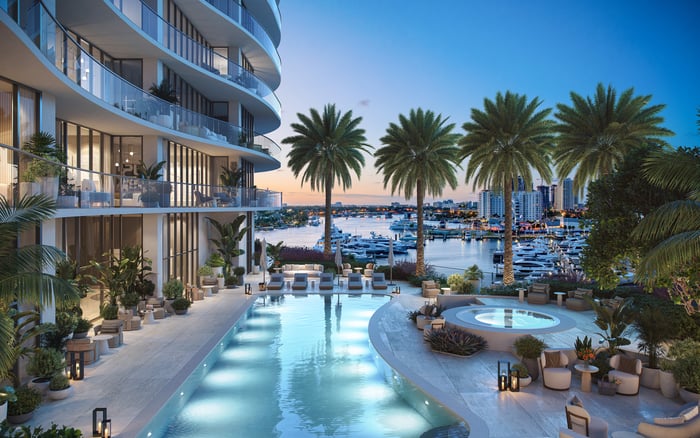
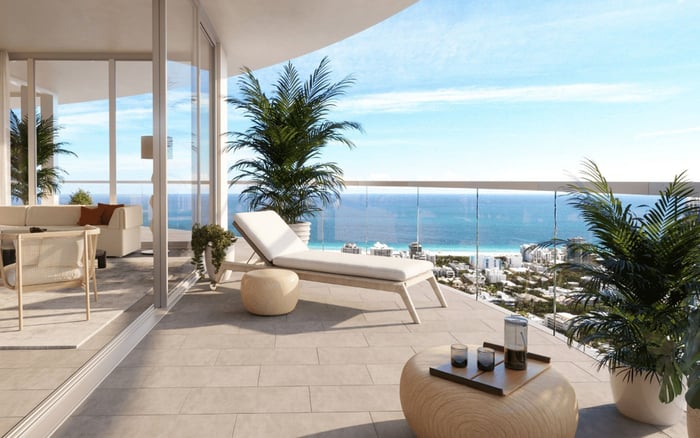
In Miami Beach, luxury HOA fees buy far more than basic upkeep. They fund a hospitality‑grade operation: 24‑hour concierge and butler teams, layered security, residents‑only dining, beach and marina programs, and meticulous maintenance of architect‑led buildings on the ocean. With boutique scales and stringent insurance and compliance standards, costs are shared among fewer owners yet deliver a resort‑level lifestyle. This guide breaks down what the fees cover, how branded residences manage consistency, and how to assess HOA value with confidence.
In Miami Beach, the most coveted condominium addresses operate less like ordinary multifamily buildings and more like finely tuned private resorts. That distinction is what pushes monthly homeowner association fees well into the thousands. Those dues do far more than keep the lights on in hallways. They fund a hospitality‑grade staff, layered security, concierge and butler teams, curated lifestyle programming, and the meticulous preservation of ambitious architecture set directly on the ocean. At the highest echelon of the market, fees reflect the arithmetic of excellence. Boutique scales mean fewer owners share the cost of extensive amenities. Oceanfront engineering demands specialized maintenance. Insurance and compliance standards are stringent. Five‑star brands and service partners bring their own quality controls. Below, we unpack the major line items in a luxury HOA and illustrate how those dollars translate into a lifestyle that is effortless by design.
Even in the rarefied world of waterfront penthouses, the fundamentals mirror any condominium budget. Core allocations typically include master property insurance, common‑area utilities, routine maintenance, management fees, and contributions to capital reserves. In ultra‑luxury towers, however, those familiar headings are only the starting point.
Staffing and service culture. The single largest variable is people. Round‑the‑clock front‑of‑house teams, doormen and valet, dedicated security officers, a residential butler, and an experienced general manager elevate daily life and require competitive wages, training and benefits. Buildings that run like top hotels also underwrite a robust back‑of‑house: engineering, housekeeping for shared areas, pool and beach attendants, and event staff for private dining rooms and lounges.
Operations for destination amenities. A private beach club, residents‑only dining, a screening room, a spa with treatment suites, children’s learning labs and teen clubs, wine salons and guest suites all carry ongoing operating costs. These are shared across owners through dues, ensuring the spa is staffed and the pool temperature is perfect.
Security and access control. Discreet, layered security is standard. That can include a staffed gatehouse or porte‑cochère, credentialed lobby access, perimeter patrols, and technology infrastructure that must be maintained and periodically updated. For boutique buildings with fewer than one hundred homes, the platform is effectively bespoke and proportionally more expensive per residence.
Marine‑climate maintenance. Miami Beach’s salt air, sun and wind act relentlessly on glass, stone and metals. Budgets must anticipate frequent façade washing, corrosion control for hardware and railings, landscaping for rooftops and podium gardens, and proactive servicing of climate control and life‑safety systems. In architect‑led buildings with custom finishes, maintaining the original design intent requires specialty vendors.
Reserves and compliance. Thoughtful associations treat reserves not as an afterthought but as an investment in predictability. Post‑Surfside reforms have formalized reserve studies and milestone inspections across Florida, and best‑in‑class properties meet or exceed those requirements. Adequate reserves smooth the cost of big‑ticket items like chiller replacements, seawall work, generator upgrades and capital refreshes of lobbies or pool decks.
Residents‑only dining and social clubs. At The Perigon Miami Beach, the amenity program reads like a private members club. A signature oceanfront restaurant and an intimate speakeasy are reserved exclusively for owners and their guests. The HOA covers the fixed costs of that experience - staffing, training and operations - so that in‑residence dining, catering for an intimate dinner, or a late‑evening nightcap in the lounge are always available.
Yachting and waterfront leisure. The waterfront program at The Ritz-Carlton Residences® Miami Beach is similarly distinctive. Owners enjoy a tropically landscaped roof deck with private cabanas and a curated marina environment, and the association underwrites the team that maintains these spaces. Signature perks - historically including access to a VanDutch day yacht - are emblematic of the brand’s resort DNA and illustrate how HOA dollars support experiences beyond the front door.
Concierge and butler, on demand. Next‑generation services define new‑build towers like Five Park Miami Beach. A 24‑hour concierge and residential butler orchestrate daily life - from booking a chef and coordinating housekeeping to arranging a beach day via an electric house car. Fees also support technology that makes services seamless, such as resident apps and private booking systems for co‑working suites, learning labs and boardrooms.
Architecture preserved. Design‑forward towers require specialized care. At Eighty Seven Park Surfside, the ribbon‑like architecture and generous wraparound terraces make the building a landmark as well as a maintenance commitment. Regular façade cleaning, precise horticulture for elevated gardens, and vigilant corrosion control are line items that protect the aesthetic value buyers seek.
Established ultra‑luxury addresses. In established buildings like Faena House Miami Beach, dues help uphold a full five‑star service culture - attended beach club, spa and fitness with ocean views, and meticulously kept common areas - so the property continues to perform and present at a world‑class level year after year.
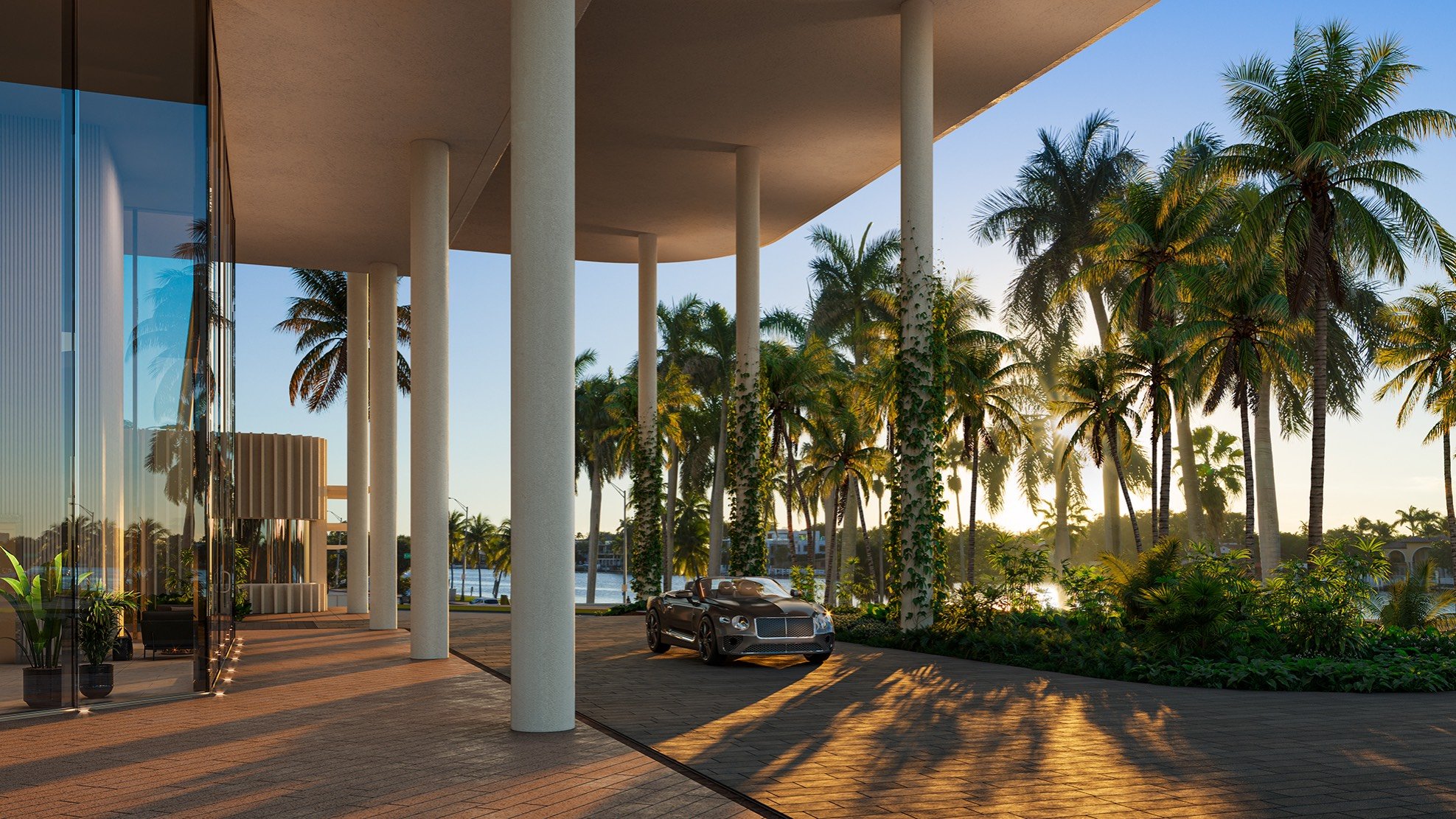
Privacy is priceless, and in Miami Beach it is engineered. Many luxury properties layer their defenses: a controlled motor court that limits vehicular flow, credentialed elevator access, discreet cameras, and in some cases a security presence at the beachfront to ensure that only residents and their guests enjoy the sand directly in front of the property. A boutique scale amplifies costs because every guard post, camera network and monitoring system is divided among fewer households. The result is an environment that feels calm even at peak season - a quality that is part of what dues are designed to protect.
Neighborhood nuance can also influence the security budget. In quieter residential stretches of Mid‑Beach, a single beach access may be easier to control. In livelier districts or near public parks, associations may fund additional personnel or technology to preserve the same envelope of calm. In Sofi, for example, the South of Fifth street grid and the concentration of doorman buildings lend themselves to a highly curated arrival sequence. The common thread is that elevated privacy is not accidental. It is planned, staffed and funded by HOA dollars.
Branded residences import a hospitality playbook into private ownership. With a global flag comes service standards that must be executed daily - the polished front desk, the anticipatory concierge, the training that keeps experiences consistent whether you are in Miami Beach or another marquee destination. Associations in branded buildings typically remit a management fee that supports those systems. In return, owners receive a level of orchestration that feels effortless. Room‑service style dining from a residents‑only restaurant and household management services are common. For buyers who value predictability, this is the dividend your dues pay. The property not only looks right but runs right. Vendors are vetted, response times are measured, and back‑ups exist for critical roles. That reliability is difficult to replicate in small self‑managed buildings and helps explain why fees in elite branded towers can sit at a premium.
Beyond lifestyle, the most valuable thing your HOA dollars buy is foresight. Recent statewide reforms have raised the bar for structural inspections and reserve funding across Florida. Well‑capitalized associations in Miami Beach plan for the long game with detailed reserve schedules that look fifteen to thirty years out. In practical terms, that means chiller plants and generators are replaced before they fail, facade work is scheduled around seasonal weather, and essential systems are kept current to modern codes.
Insurance is often the other headline. Waterfront properties face scrutiny from insurers who favor robust mitigation. Many new towers are designed accordingly - critical equipment elevated above flood levels, impact‑rated glazing and doors, redundant power for life‑safety systems, and, where permitted, enhanced seawall solutions. While premiums have risen across the market, buildings that invest early in mitigation can help moderate long‑term volatility. Properly funded reserves and attentive operations are the best tools owners have to keep dues increases measured over time.
Start with cadence and coverage. Look for budgets that fund daily service without deferring maintenance. Line items for 24‑hour staffing, beach operations, and preventative engineering should be explicit. Healthy reserves are non‑negotiable. Ask for the latest reserve study and the schedule of planned capital projects.
Evaluate scale against program. Small buildings with outsized amenities can be wonderful to live in, yet per‑residence costs will be higher. A residents‑only restaurant, a marina program, or extensive wellness spaces require staffing whether there are 70 owners or 300. Decide whether those privileges fit your lifestyle.
Study the service contract. In branded properties, understand the scope of the management agreement. Are concierge and butler services included in dues, or offered a la carte beyond a base standard. How are food and beverage outlets funded relative to usage. Clarity today avoids surprises later.
Benchmark smartly. Comparisons should be apples to apples. Oceanfront towers with comprehensive security, private beach operations and bespoke architecture will never price like inland mid‑rises with modest amenities. The question is value - how much quality of life, privacy and asset protection you receive for every dollar of dues.
In Miami Beach’s elite condominium landscape, monthly dues are the engine that powers an uncommon way of life. They purchase time, ease and privacy today, and they safeguard the built environment that underpins long‑term value. Whether your days are anchored by a swim before breakfast at The Perigon Miami Beach, a sunset cocktail after a yacht outing arranged through The Ritz-Carlton Residences® Miami Beach, or a Saturday spent between the beach club and the spa at Five Park Miami Beach, those privileges exist because a well‑funded association chooses to run the property at a five‑star standard. If you are assessing a purchase, read the budget with the same care you would read a fine restaurant’s menu. The prices tell a story, yet the experience is what matters most. In the right building, the total return on your dues arrives in daily moments of ease and in the confidence that your home will remain impeccable for years to come. For private guidance on neighborhoods and residences that best fit your lifestyle, connect with our team at MILLION Luxury.
What is a typical range for luxury HOA fees in Miami Beach? Fees vary widely by building, but in top oceanfront properties with extensive staffing and amenities, owners should expect monthly dues in the multiple thousands. Smaller boutique towers with five‑star programs often sit at the higher end because costs are divided among fewer residences.
Why do branded residences often have higher dues? A global flag brings service standards that require consistent staffing, training and management oversight. Associations in branded towers may also pay a management fee that supports those systems, which is reflected in monthly dues.
Are residents‑only restaurants or yacht programs included in my dues? Typically, the fixed costs - staffing, maintenance and availability - are budgeted by the association, while consumption such as food, beverage or private charter time is billed per use. Your management agreement and HOA budget will spell out the details.
How do reserves affect my monthly fees? Healthy reserves increase predictability. Well‑funded associations can plan major replacements without surprise assessments. In the long run, that discipline supports property values and can make fees more stable over time.
How can I compare HOA value between buildings? Focus on total experience rather than the fee alone. Consider staffing levels, privacy measures, beach operations, architecture and maintenance culture, and the depth of the reserve plan. A slightly higher monthly fee in a meticulously run building often buys greater daily ease and long‑term confidence.
If branded residences are on your mind — as a home or as an allocation — we would be glad to share what we are seeing, privately.
Begin a quiet conversation