What to Ask About Smart-Home Cybersecurity Before Buying a South Florida Luxury Condo
A discreet, practical guide to the cybersecurity questions affluent buyers should ask before acquiring a connected South Florida condominium residence.

Faena House Miami Beach, Setai Residences Miami Beach, and Delano Residences & Hotel Miami: A 2026 Due-Diligence Lens on Building Scale, Lobby Privacy, and Resident Familiarity
A buyer-focused 2026 due-diligence view of Faena House, Setai Residences Miami Beach, and Delano Residences & Hotel Miami, centered on scale, lobby privacy, hospitality intensity, and the lived experience of recognizing neighbors.

Regalia Sunny Isles Beach or The Ritz-Carlton Residences® Miami Beach: Which Residence Better Fits Buyers Who Need Hurricane Readiness to Be Operational, Not Rhetorical
A buyer-focused comparison of Regalia Sunny Isles Beach and The Ritz-Carlton Residences® Miami Beach through the lens of operational hurricane readiness, including exposure, design, systems, power, staffing, and documentation.
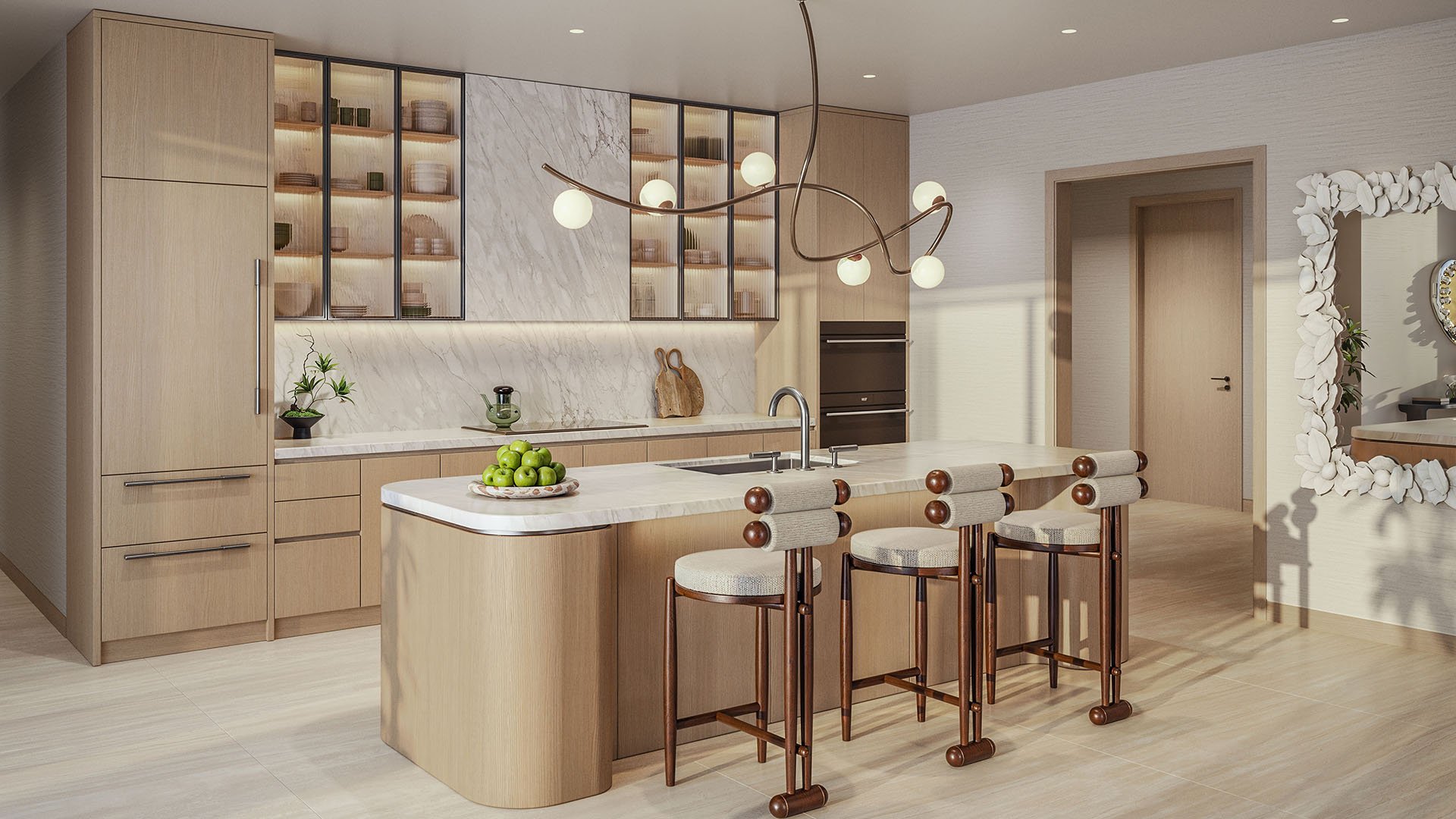
Five Park Miami Beach, Setai Residences Miami Beach, and Delano Residences & Hotel Miami: What Separates the Daily Ownership Experience
A buyer-focused comparison of daily life at Five Park Miami Beach, Setai Residences Miami Beach, and Delano Residences & Hotel Miami, centered on service depth, residential predictability, hospitality rhythm, and the practical frictions that shape ownership.

Why Global Flight Access can Create a Better Second-Home Strategy in 2026
A refined look at how global flight access can shape South Florida second-home decisions in 2026, from neighborhood selection and arrival rhythm to privacy, liquidity, and long-term lifestyle value.

South Beach and Surfside: Two Ways to Buy Around Beach Access, Wind Exposure, and Peak-Season Crowding
A buyer-oriented comparison of South Beach and Surfside, focused on how refined coastal purchasers should evaluate beach access, wind exposure, privacy, seasonality, and day-to-day livability before choosing a luxury residence.