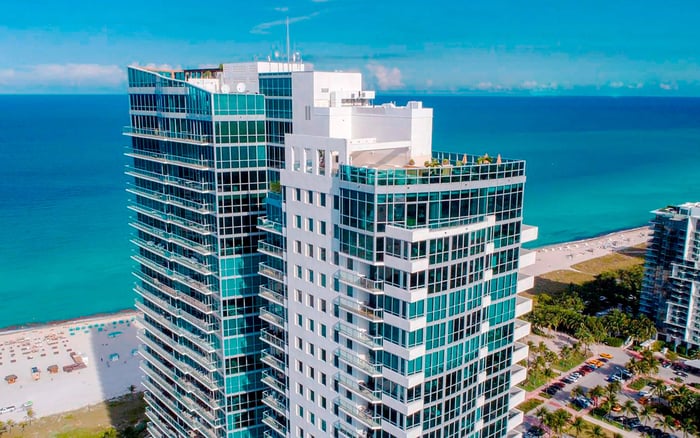
A buyer-focused 2026 due-diligence view of Faena House, Setai Residences Miami Beach, and Delano Residences & Hotel Miami, centered on scale, lobby privacy, hospitality intensity, and the lived experience of recognizing neighbors.
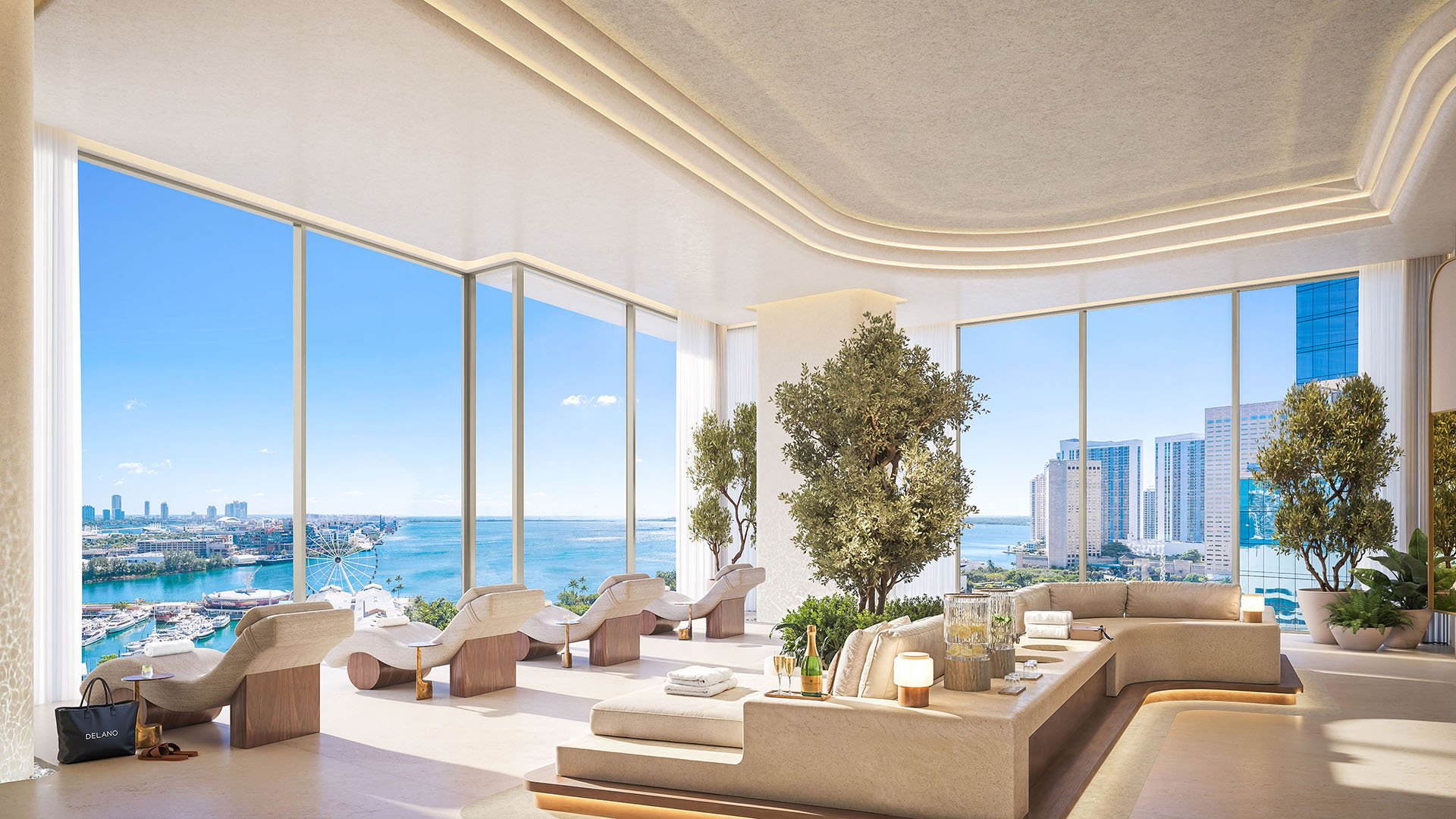
At the top of the Miami Beach market, the distinction between exceptional addresses is often not the view. It is the daily rhythm. Who enters the lobby? How often do elevators stop? Are corridor faces familiar by season, or constantly changing by the week? For the 2026 ultra-luxury buyer, Faena House Miami Beach, Setai Residences Miami Beach, and Delano Residences & Hotel Miami call for a more exacting form of due diligence: not simply what a building offers, but how intensely it is used.
That lens is especially relevant for the Miami Beach buyer weighing a residential-only environment, a globally recognized hospitality setting, and a hotel-residence proposition that requires careful document review. Oceanfront desirability is the shared backdrop, but building scale, lobby privacy, and operating culture determine the lived experience long after closing.
Faena House Miami Beach sits in this comparison as the more residential, lower-density, design-forward option. Its central distinction is structural: it is not framed as a condo-hotel, nor as a hotel-anchored property where transient guest activity can influence the cadence of daily life. That matters for buyers who want a home first, not a constantly animated hospitality stage.
In practical terms, a lower-density residential building may reduce the elevator, corridor, and amenity exposure residents experience. It may also increase the likelihood of recognizing neighbors, staff routines, and seasonal patterns. For certain owners, that familiarity is not a soft preference. It is central to privacy, security, and the emotional ease of using the property as a primary residence, second home, or long-term family base.
The trade-off is equally important. Smaller buildings can spread fixed maintenance obligations and future capital needs across fewer owners. A buyer should not let intimacy obscure the financial file. Governance, assessment history, reserves, leasing rules, pet rules, insurance posture, and long-term capital planning deserve close review before sentiment takes over.
Setai Residences Miami Beach presents a different proposition. It is best understood through its vertically scaled, globally branded condo-hotel character and hospitality-driven operating model. For the right buyer, that is precisely the appeal. The environment can feel more cosmopolitan, more serviced, and more animated than a private residential tower.
The daily experience, however, must be examined where glamour meets logistics. Hotel guests, residents, valet movements, lobby users, amenity users, and service staff may all shape how the property feels at different hours and seasons. A buyer who values staffed energy, hotel-style service, and an international atmosphere may view this as a feature. A buyer seeking a quieter, owner-only culture may see it differently.
Due diligence at Setai should therefore focus less on the abstract idea of prestige and more on operational separation. How are residents and guests routed? How private is the residential lobby experience? How are elevators, valet areas, pools, and service corridors managed? What rules govern short-term stays, rental activity, hotel operations, and wear from guest activity? These questions are not signs of skepticism. They are signs of sophisticated ownership.
Delano Residences & Hotel Miami belongs in the conversation because its name signals a hotel-residence framework that buyers will naturally compare with both pure residential and condo-hotel environments. The prudent approach is to avoid assumptions. Until a buyer has reviewed the actual governing documents, operating structure, rental rules, lobby plans, service model, and brand agreements, Delano should be evaluated through questions rather than conclusions.
That discipline matters. A hotel-linked residential property can offer service, design identity, and brand recognition, but the owner experience depends on the details: whether resident and guest circulation is separated, how amenities are allocated, how operator changes are handled, and what protections exist if the hospitality strategy evolves. Buyers should confirm those answers directly in the offering and association materials before assigning value to the brand halo.
In ultra-luxury Miami Beach due diligence, scale is not merely a count of residences or floors. It affects privacy, maintenance wear, elevator exposure, corridor traffic, amenity intensity, staffing ratios, and the probability of seeing the same people over time. Two buildings can both feel luxurious while delivering entirely different social experiences.
A smaller residential building may feel calmer and more personal, but fixed costs can feel more concentrated. A larger hotel-anchored property may support a broader amenity and staffing ecosystem, but lobbies, elevators, pools, and service areas can experience heavier use. Neither model is inherently superior. The correct answer depends on how the buyer lives.
This is where resale due diligence can be more revealing than brochure language. Faena House and Setai both have operating histories, allowing buyers to study real-world governance, assessment patterns, building culture, resident behavior, and common-area usage. In a mature luxury acquisition, that history is often more meaningful than a rendering.
The lobby is the first test of a building’s promise. In a residential-only tower, the lobby can function as a controlled threshold between public Miami Beach and private life. In a hospitality-driven building, the lobby may become part of the social theater, with energy that some owners love and others find too public.
For buyers, the right question is not whether a lobby is beautiful. It is whether the lobby performs privately. Observe arrivals, valet rhythm, concierge engagement, guest movements, and the way staff distinguish residents from visitors. Visit at different times. A quiet weekday morning can reveal one building; a peak evening can reveal another.
Resident familiarity follows from this. In a more private building, repeated recognition may create a sense of belonging. In a hotel-oriented property, the flow can feel global and dynamic, but less intimate. The correct choice depends on whether the buyer wants the address to feel like a sanctuary, a resort, or something in between.
Faena House Miami Beach is the strongest fit for buyers prioritizing quieter residential life, lower-density privacy, and a more familiar owner community. Setai Residences Miami Beach is better aligned with buyers who value hotel-style service, cosmopolitan energy, and a more animated operating environment. Delano Residences & Hotel Miami should be approached through a careful, document-led review of how its residential and hospitality components interact.
The most refined 2026 buyer will not choose by reputation alone. They will compare the lived experience: lobby exposure, elevator use, amenity pressure, rental permissions, operator stability, capital planning, and the subtle question of whether the building feels more like a private residence or a luxury hotel.
Which building feels most residential in this comparison? Faena House Miami Beach is positioned as the clearest residential-only choice, with privacy and long-term livability at the center of its appeal.
Who is Setai Residences Miami Beach best suited for? Setai suits buyers who want hotel-style service, international energy, and a more active hospitality atmosphere rather than a quieter owner-only environment.
How should buyers evaluate Delano Residences & Hotel Miami? Buyers should keep the review document-led, focusing on governance, operations, resident access, guest circulation, and brand or operator terms.
Why does building scale matter in luxury due diligence? Scale influences elevator exposure, lobby traffic, amenity crowding, maintenance wear, and how often residents recognize one another.
Is a lower-density building always better? Not always. Lower density can improve privacy, but fixed maintenance and capital costs may be shared among fewer owners.
Is a condo-hotel structure a disadvantage? It depends on the buyer. Some owners value service and energy, while others prefer less guest movement and a more private residential culture.
What should buyers ask about lobby privacy? They should ask how residents, hotel guests, valet users, visitors, and service staff are separated or combined during daily operations.
Why is operating history important? Operating history reveals real patterns in governance, assessments, building culture, and common-area usage that projections cannot fully capture.
Can these properties work as a second home? Yes, but the right fit depends on whether the owner wants a quiet residential retreat or a service-rich hotel-style environment.
What is the most important takeaway for 2026 buyers? Compare the daily experience, not just the brand, because privacy, circulation, and resident familiarity define long-term satisfaction.
For a tailored shortlist and next-step guidance, connect with MILLION.
If branded residences are on your mind — as a home or as an allocation — we would be glad to share what we are seeing, privately.
Begin a quiet conversation