
Art Basel Miami Beach Impact on Luxury Rental Market During Event Weeks
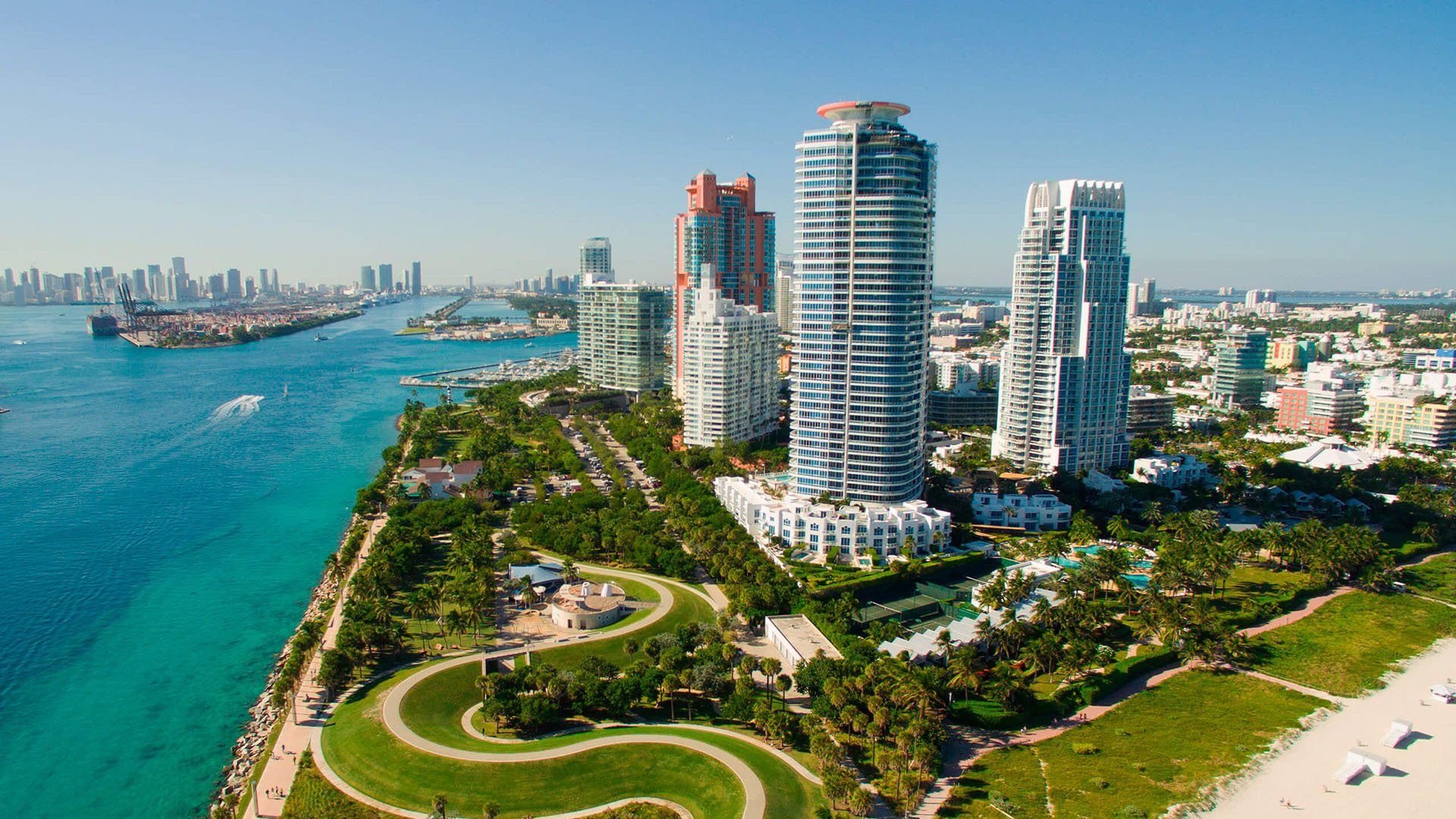
Art Basel Miami Beach compresses luxury rental demand into a short, highly selective window, favoring residences that deliver privacy, location, service, and flexible owner strategy without sacrificing discretion.
From Manhattan to Miami Beach: Tax Audit Triggers When Closing Below $5 Million
A discreet guide for Manhattan buyers closing below $5 million in Miami Beach and greater South Florida, with emphasis on tax discipline, documentation, domicile consistency, valuation support, and ownership structure.
.jpg&width=1920)
The Lifestyle and Balance-Sheet Case for Strong Luxury Rental Restrictions in 2026
A discreet buyer-oriented view of why strong rental restrictions can protect privacy, daily living quality, and long-term value in South Florida luxury residences.

The Practical Luxury Case for Better Rental Caps
Better rental caps can protect resident experience, asset quality, and resale confidence in South Florida luxury condominiums without ignoring owner flexibility.

Brickell or Miami Beach: Where International-Owner Convenience Actually Matters More
A refined comparison of Brickell and Miami Beach for international owners who value discretion, ease, service, rental flexibility, and long-distance confidence.

How to Think About Rental Restrictions Across Miami, Fort Lauderdale, and Palm Beach
A buyer-focused guide to evaluating rental restrictions across South Florida, with a practical lens on flexibility, building culture, governance, and long-term resale value.