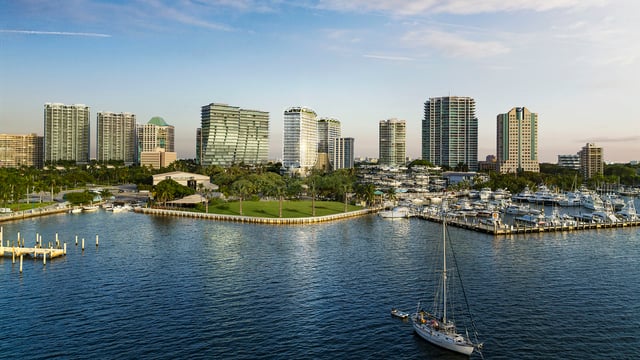
Best South Florida full-service towers for buyers seeking quieter beach towns
A discreet buyer guide to South Florida full-service towers in calmer coastal enclaves, balancing privacy, service, beach access, and long-term livability.
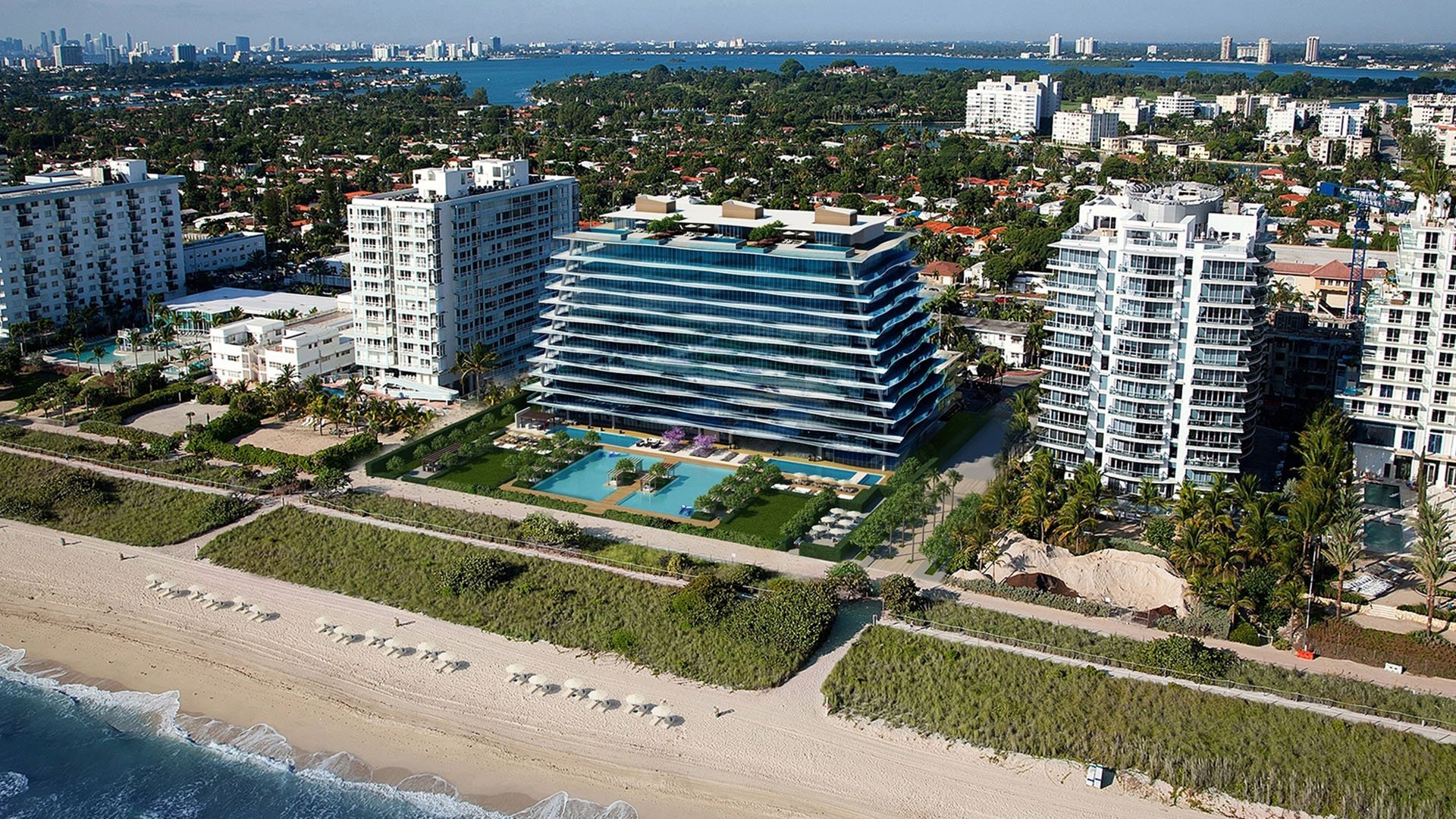
What to ask about preconstruction deposit schedules before buying luxury real estate in Surfside
A discreet buyer’s guide to evaluating preconstruction deposit schedules in Surfside, from milestone timing and contract clarity to liquidity planning and closing exposure.
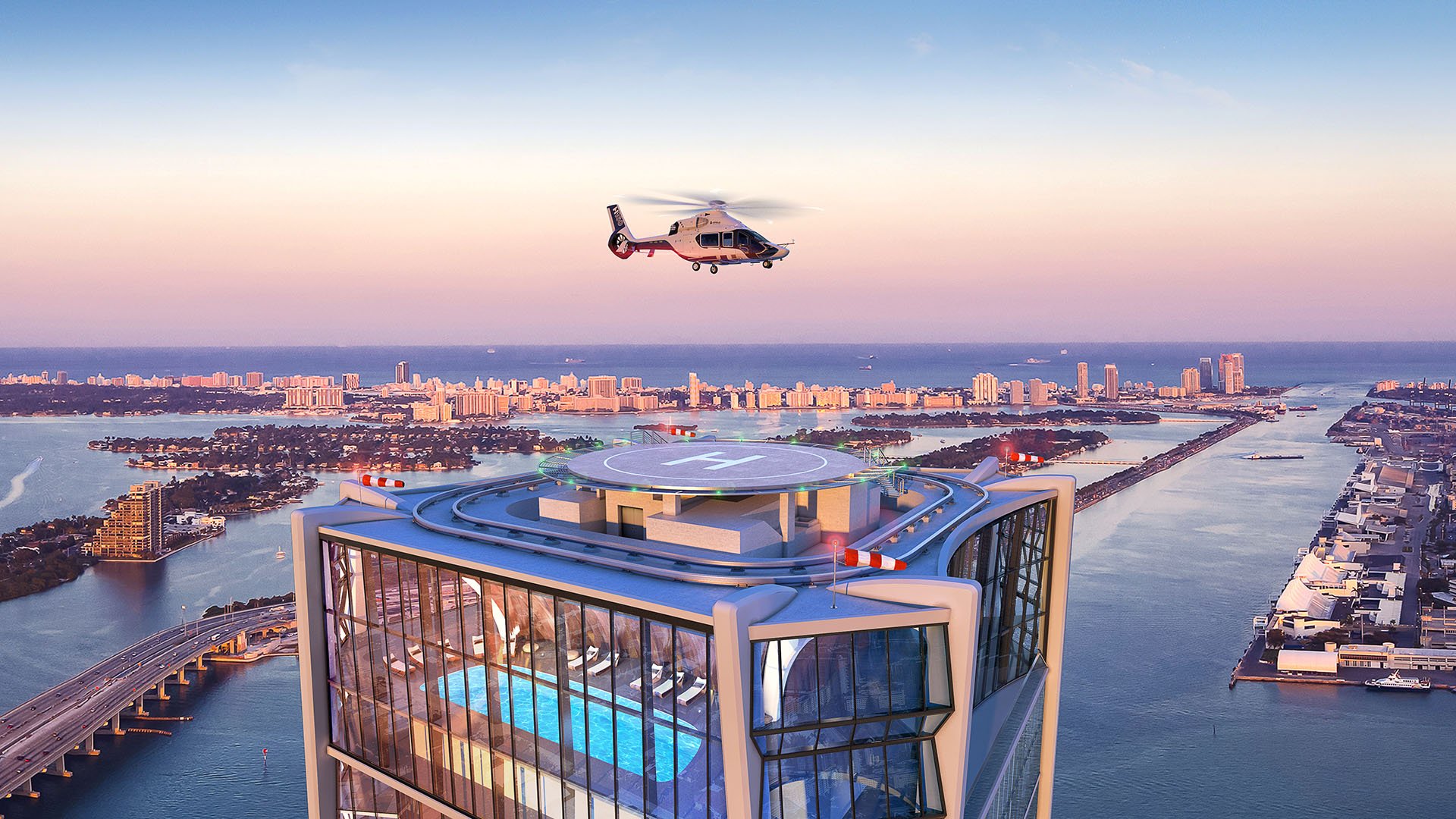
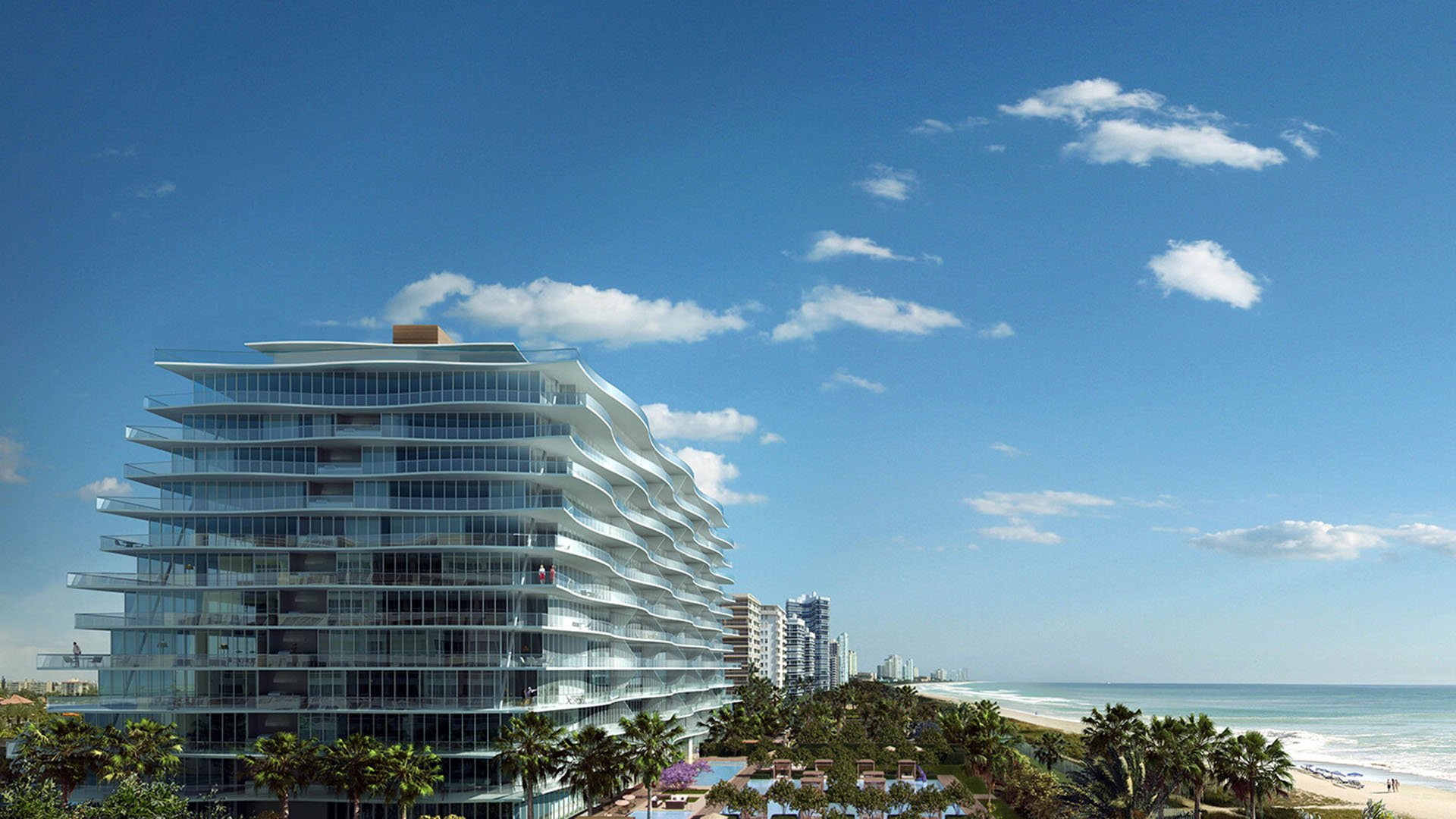
How private aviation weekends can strengthen the case for a better-positioned South Florida pied-à-terre in Surfside
For private aviation families, the best Surfside pied-à-terre is less about square footage and more about reducing friction between arrival, beach life, privacy, dining, wellness, and departure.
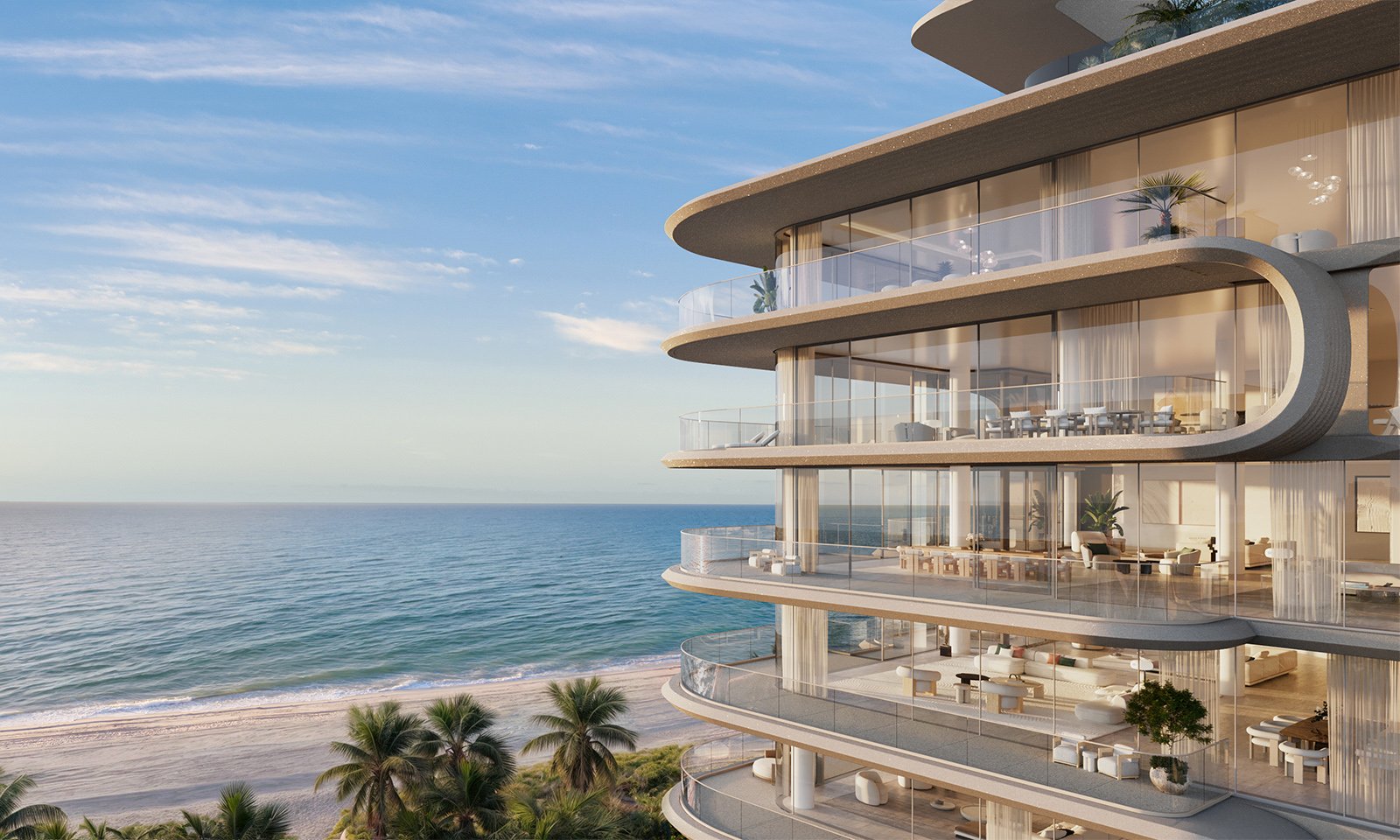
Inside The Delmore Surfside: what buyers should know about future operating obligations
A buyer-focused look at future operating obligations at The Delmore Surfside, emphasizing document review, budget discipline, reserves, insurance, staffing, and closing-stage diligence.
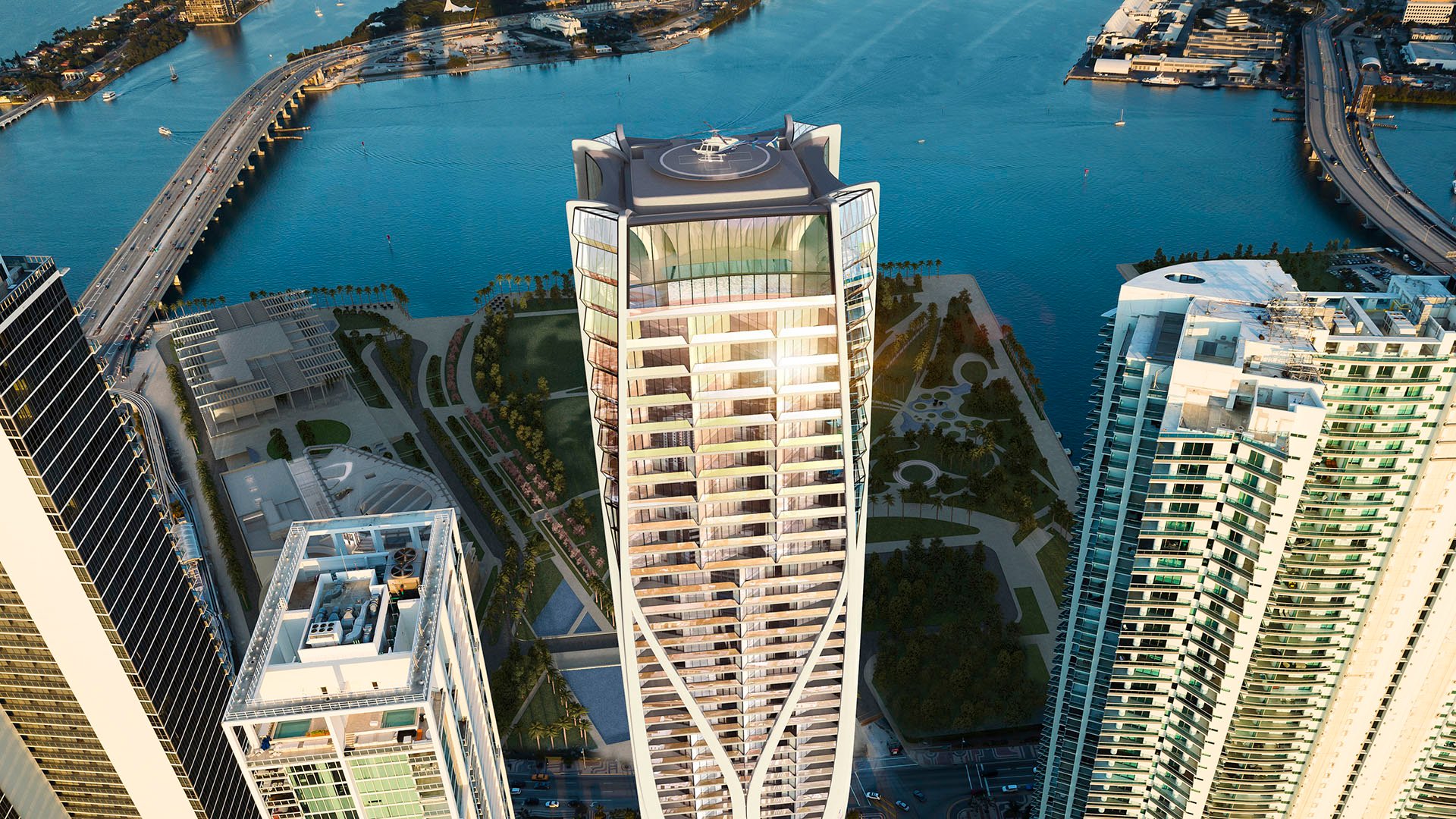
New York to Bal Harbour: how to choose a South Florida home around a shorter private-aviation routine
A discreet guide for New York buyers weighing Bal Harbour and nearby South Florida residences through the lens of private-aviation convenience, arrival rhythm, privacy, and lock-and-leave ease.
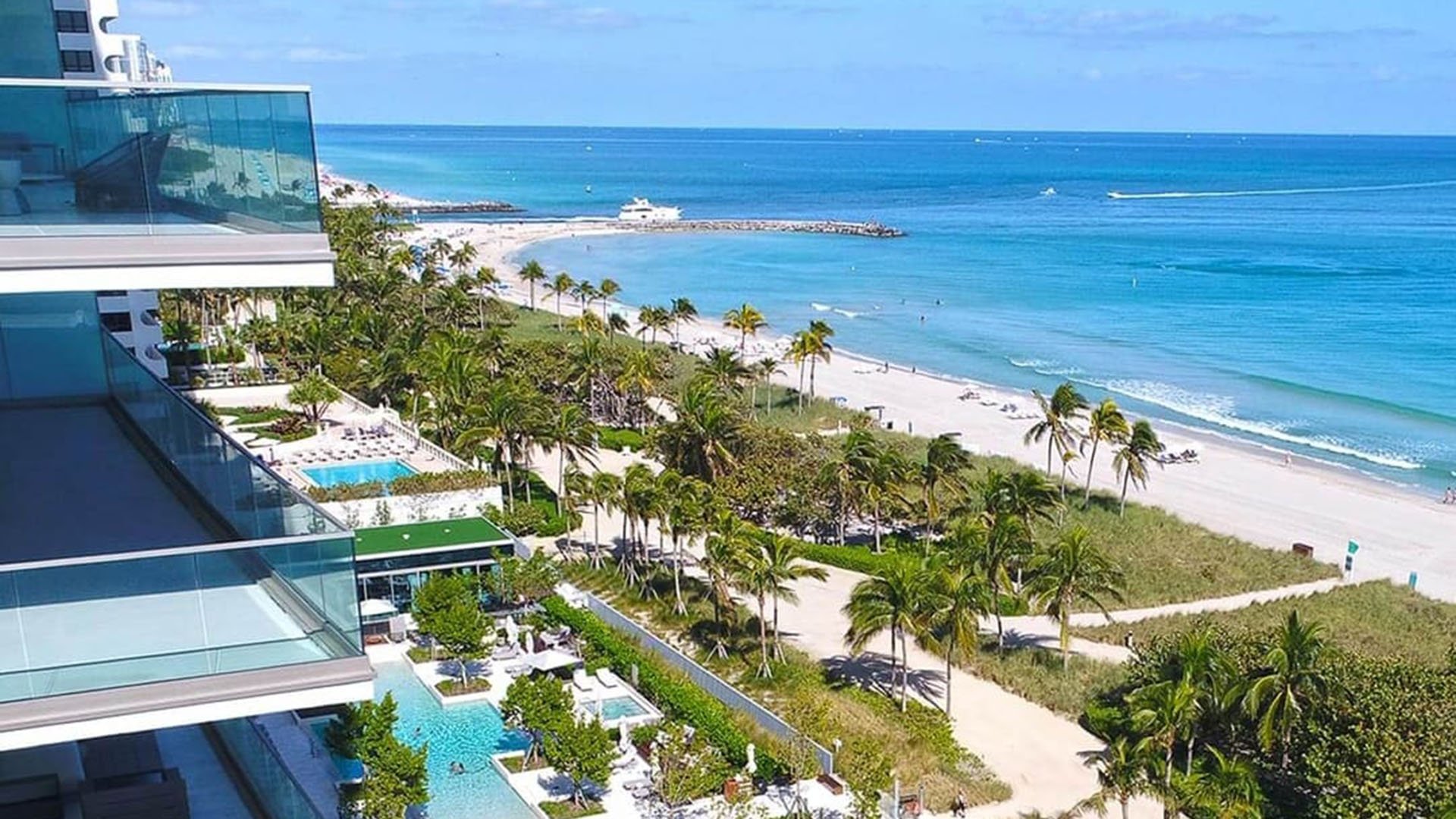
How Oceana Bal Harbour fits the conversation around low-friction luxury in Bal Harbour
An editorial look at how Oceana Bal Harbour fits a broader South Florida conversation about privacy, calm, and low-friction luxury ownership.