A buyer-focused comparison of Palazzo del Sol and The Surf Club Four Seasons Surfside, examining when address prestige, privacy, and resort-level beach service drive value at the ultra-luxury end of South Florida real estate.
In ultra-prime South Florida, buyers do not simply compare square footage, finishes, or even amenity menus. They compare forms of separation. The central question in a matchup like Palazzo del Sol versus The Surf Club Four Seasons Surfside is not which is more luxurious in the abstract. It is whether the address itself carries more emotional and financial weight than the operating experience attached to it.
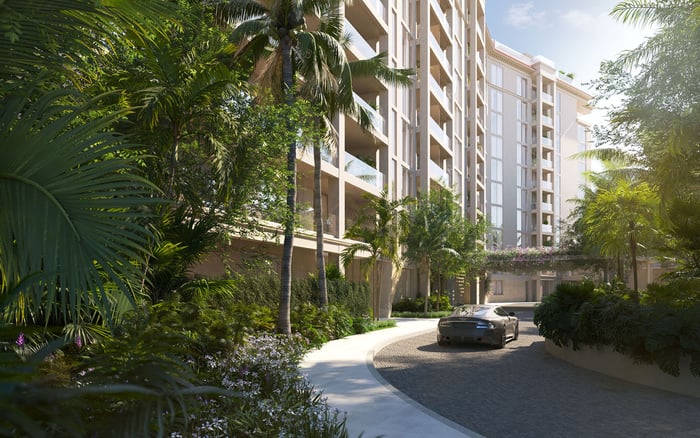
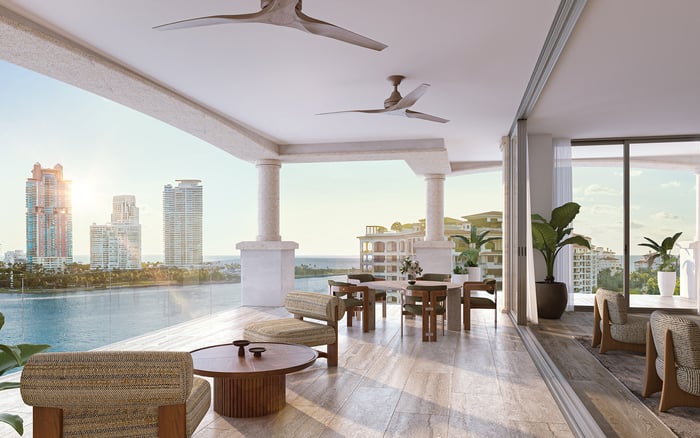
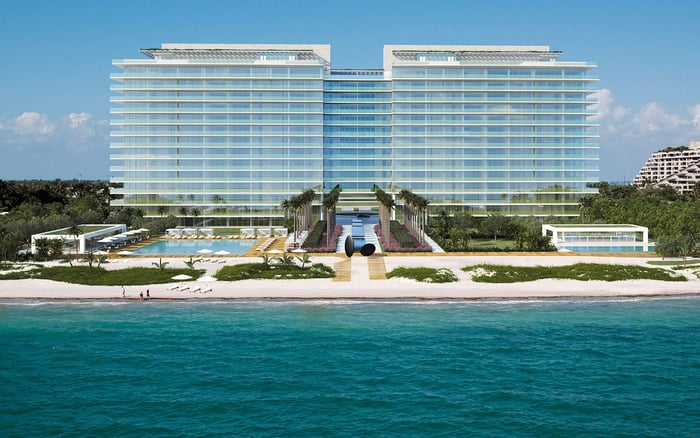
That distinction matters because these properties do not target the same buyer with the same promise. The Surf Club Four Seasons Surfside is a resort-residential hybrid in Surfside, a distinct oceanfront municipality north of Miami Beach. Its proposition is unusually clear: rare beachfront, an insulated setting, and Four Seasons service integrated into daily ownership. Palazzo del Sol is better understood as a luxury residential statement whose appeal rests more on private living, residential amenities, and the status of a deeply exclusive island community.
This comparison is useful because it reveals a broader market truth. At the top of the market, luxury is no longer only about the best-known address. It is about how deliberately a property controls access, atmosphere, and daily life.
Surfside benefits from something increasingly difficult to replicate on the coast: scale. For buyers, that can translate into a quieter, more residential identity than larger neighboring beach markets. That dynamic supports a more discreet rhythm and the sense that the address itself is selective.
That is where The Surf Club Four Seasons Surfside gains its edge. It delivers a residential compound with beachfront access and a hospitality layer that extends from concierge to beach-focused service, dining, pools, spa, and food-and-beverage programming. The result is not simply an oceanfront condominium. It is a fully managed coastal experience.
In the Surfside conversation, scarcity is part of the asset class. That helps explain why the area is often discussed alongside other notable enclaves such as Ocean House Surfside and The Delmore Surfside. The common thread is not just oceanfront positioning. It is the market’s willingness to pay a premium for a smaller, more tightly controlled enclave.
Palazzo del Sol speaks to a different instinct. Rather than a branded hotel-residence formula, it is positioned as a luxury residential project centered on private living. Its amenities emphasize wellness, fitness, and resident-focused spaces more than a hotel-style beach program. That distinction shapes the ownership experience.
For a buyer who values home over hospitality, Palazzo del Sol can feel more aligned with the idea of permanent luxury. The daily rhythm is less orchestrated. Service exists, but it does not define the identity of the property in the same way it does at The Surf Club. The emphasis is on residential composure, privacy, and the social meaning of an elite island setting.
That makes Palazzo del Sol especially compelling for buyers who view prestige through the lens of address loyalty. In that frame, Fisher-island can matter more than whether lunch arrives at the chaise with hotel precision. It is a statement of belonging rather than a statement of operation.
The Surf Club Four Seasons Surfside tends to win when the buyer wants ownership to feel nearly indistinguishable from a five-star stay. That preference affects how often an owner uses the home, how comfortable absentee ownership feels, and how seamlessly guests and family members move through the property.
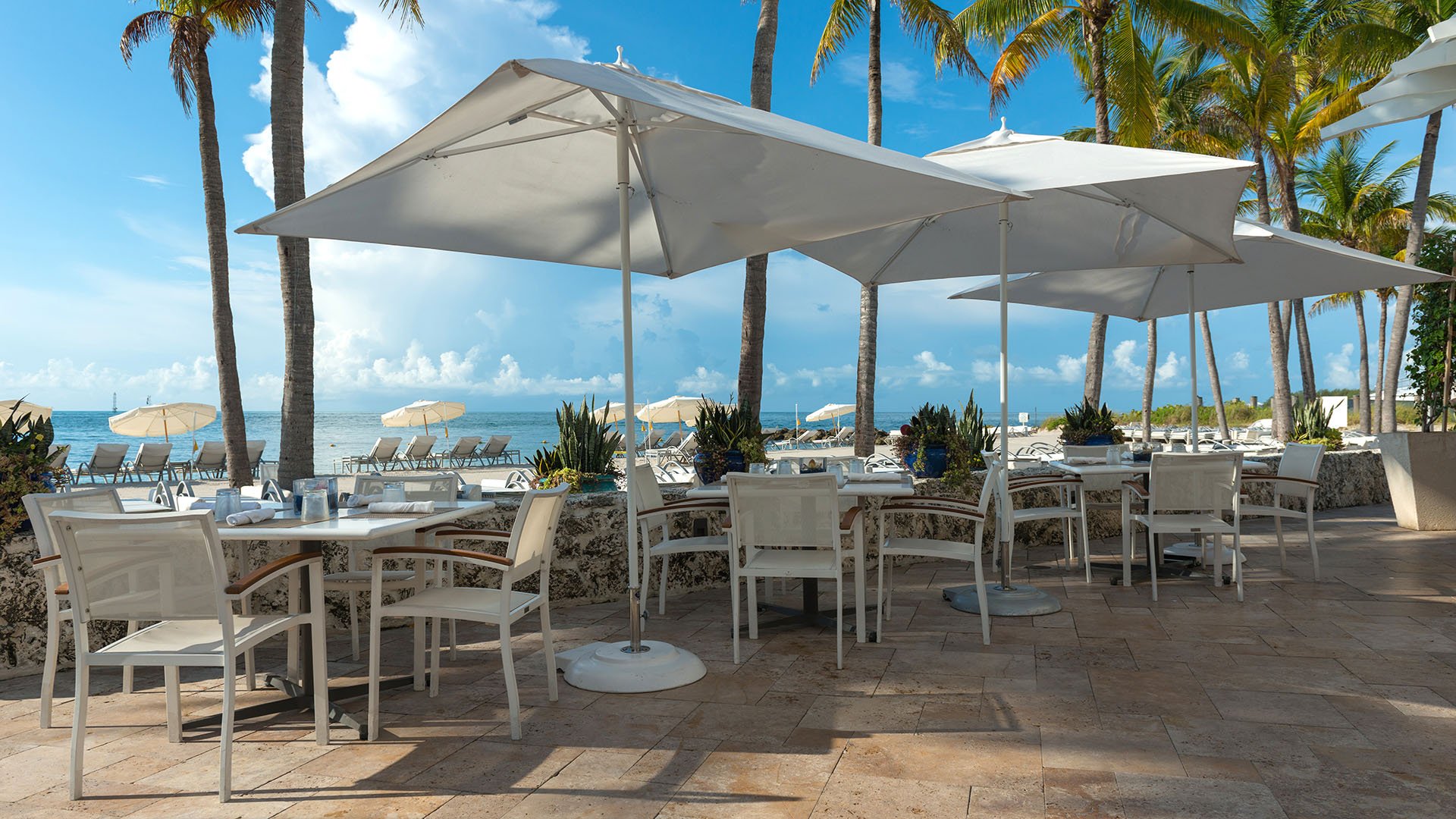
In practical terms, curated beach service changes the emotional texture of oceanfront living. The beach is no longer just adjacent to the residence. It becomes part of a managed routine, supported by staff, dining, pools, and hospitality infrastructure. For second-home buyers and households that prefer frictionless use, this can justify a premium.
Buyers in this segment are not paying only for a zip code. They are paying for a combination of scarce frontage, a deeply private setting, and brand-backed service that is difficult to replicate elsewhere.
There are still buyers for whom an island address outranks hospitality polish. That buyer may prioritize social geography, legacy appeal, and the psychological distinction of living in a place that feels set apart from the broader coastal market. In that case, Palazzo del Sol’s residential character can be the stronger fit.
The same logic appears across other enclaves where the address itself does much of the storytelling. The Links Estates at Fisher Island reflects the same larger truth: on certain islands, scarcity is expressed through access, community identity, and residential quiet more than through hotel services.
This is also where Miami Beach enters the comparison. Miami Beach remains one of South Florida’s most recognizable luxury addresses, with broad cultural capital tied to restaurants, design, and the social calendar. Yet broader recognition does not always translate into greater exclusivity. Compared with Surfside, Miami Beach is denser and more publicly trafficked, which can slightly dilute the sense of retreat even at prestigious properties.
So when does an island address matter more than beach service? It matters more when the buyer is selecting identity over convenience, social shorthand over operational ease, and a private residential worldview over a resort one.
This comparison becomes sharper when budget enters the picture. Palazzo del Sol is generally framed as premium product rather than a direct rival to Surf Club-style trophy pricing. The Surf Club, by contrast, occupies a more rarefied bracket where buyers are often willing to pay for every layer of curation.
That does not make Palazzo del Sol lesser. It makes it more specific. Buyers choosing it are often prioritizing a familiar elite address, residential privacy, and proximity to a wider South Florida luxury ecosystem. Buyers choosing The Surf Club are usually seeking an insulated residential-resort experience where privacy and service are inseparable.
The best way to understand the trade-off is this: if budget is less constrained, The Surf Club Four Seasons Surfside often becomes the stronger all-around answer because it combines both address distinction and best-in-class beach service. If the buyer’s definition of luxury starts with the cachet of island living and a more purely residential atmosphere, Palazzo del Sol can be the more resonant choice.
In today’s ultra-luxury market, the most expensive addresses are not always the most famous. They are often the ones that feel hardest to access, least replicable, and most intentionally curated. Surfside has benefited from that shift. Its small scale, privacy narrative, and highly managed beachfront lifestyle allow it to compete above its size.
Palazzo del Sol remains persuasive for a buyer who wants an elite island identity and a residential experience that does not depend on hotel choreography. The Surf Club Four Seasons Surfside is persuasive for a buyer who wants the beach, the building, and the service model to function as one seamless luxury product.
That is the deciding lens. If your ideal home begins with the address and everything that address symbolizes, Palazzo del Sol has a clear argument. If your ideal home begins the moment staff already knows your preferences before you step onto the sand, The Surf Club Four Seasons Surfside is difficult to surpass.
Is The Surf Club Four Seasons Surfside in Miami Beach? No. It is in Surfside, a separate oceanfront municipality north of Miami Beach with its own identity and market profile.
Why does Surfside appeal to ultra-luxury buyers? Buyers are often drawn to its quieter setting, beachfront positioning, and more controlled residential feel.
What makes The Surf Club different from a standard condo? It combines private residences with a five-star service model that shapes everyday ownership.
Is Palazzo del Sol a hotel-branded residence? No. It is positioned as a luxury residential project rather than a branded hotel-residence model.
Who is the typical Palazzo del Sol buyer? It often suits someone prioritizing a highly exclusive island lifestyle, residential calm, and address-driven prestige.
Who is the typical buyer at The Surf Club Four Seasons Surfside? It often suits a buyer seeking privacy, turnkey ownership, and a highly curated beachfront experience.
Does Miami Beach still carry more name recognition than Surfside? Yes. Miami Beach remains more globally familiar, even though scarcity can carry more weight in the ultra-prime tier.
Are Palazzo del Sol and The Surf Club positioned the same way? Not exactly. Palazzo del Sol leans more residential, while The Surf Club emphasizes a residential-resort model.
When does address matter more than beach service? It matters more when a buyer values identity, exclusivity, and the symbolism of an island enclave above hotel-style convenience.
What is the best way to shortlist comparable options for touring? Start with location fit, delivery status, and daily lifestyle priorities, then compare stacks and elevations to validate views and privacy.
For a tailored shortlist and next-step guidance, connect with MILLION Luxury.
If branded residences are on your mind — as a home or as an allocation — we would be glad to share what we are seeing, privately.
Begin a quiet conversation