Why Insurance Actuaries Favor New Construction Towers Over Historic Oceanfront Homes
In South Florida, the insurance conversation has become a quiet but decisive force in luxury real estate. For actuaries, the preference for new construction towers is less about style and more about controllable risk: modern wind standards, updated life-safety systems, centralized maintenance, and clearer replacement-cost modeling. Historic oceanfront homes can be irreplaceable from an architectural standpoint, but they often introduce variables that are difficult to price with confidence, especially when proximity to salt air, legacy building practices, and bespoke materials collide with today’s underwriting discipline. This editorial explains the practical reasons actuaries often view new high-rise construction as a more predictable risk than older coastal single-family assets, and how sophisticated buyers can use that lens to shop smarter.

The Financial Viability of Purchasing Entire Condominium Floors to Create Custom Mega Residences
Buying an entire condominium floor can deliver townhouse-level privacy, bespoke planning, and trophy-scale volume, but it only pencils when the premium paid is disciplined and the path to resale is realistic. In South Florida, floor-through assemblies live at the intersection of HOA governance, structural constraints, elevator strategy, and long-term operating costs. This editorial breaks down the underwriting logic: acquisition and carry, combination and build-out, and the two exits that matter most, resale and legacy ownership.

The Strategy of Using 1031 Exchanges for Oceanfront Condominiums at Rosewood Residences Hillsboro Beach
A discreet, buyer-oriented guide to structuring a 1031 exchange into an oceanfront condominium at Rosewood Residences Hillsboro Beach, with timelines, risks, and practical decision points for South Florida investors.

The Sunny Isles Skyline: High-Speed Elevators and Oceanfront Grandeur
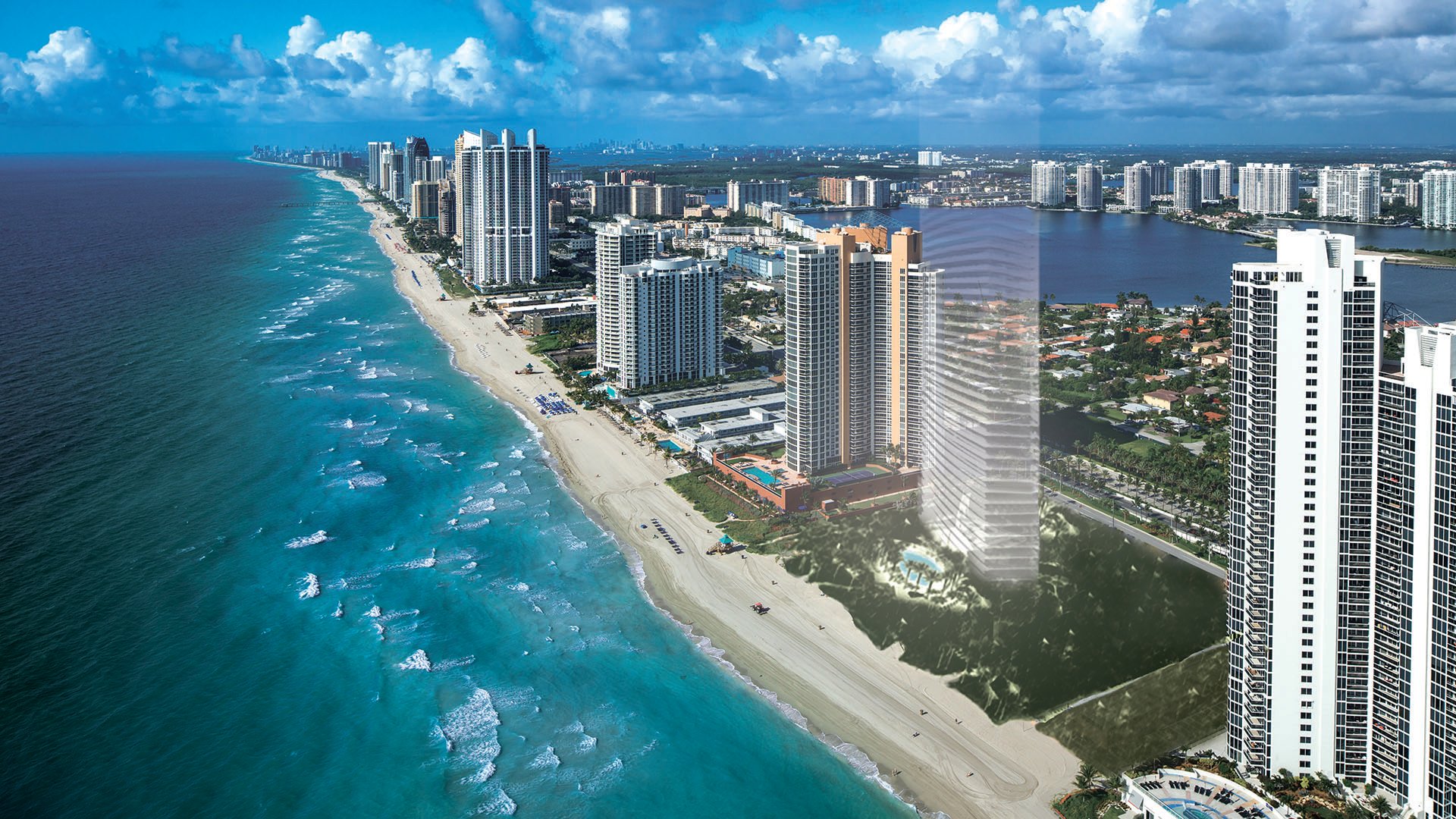
A buyer-oriented look at why Sunny Isles Beach continues to read like a vertical resort: fast, private elevator experiences; tower design that protects views; and oceanfront living calibrated for discretion. From arrival sequences to residence planning, we break down what matters when you are purchasing high in the sky and steps from the Atlantic.

The Reality of Sea Level Rise Mitigation in New Waterfront Construction
In South Florida, sea level rise has shifted from abstract climate discourse to a practical design constraint that touches everything from garage entries to mechanical rooms, landscaping, insurance, and long-term resale. For buyers evaluating new waterfront construction, the most valuable questions are rarely about whether a building is “resilient,” but how resilience is executed, maintained, and governed over decades. This MILLION Luxury editorial outlines what mitigation can realistically accomplish in new waterfront product, what it cannot, and how to read a development’s design decisions with an owner’s eye. The goal is not alarmism. It is clarity: understanding where engineering ends and stewardship begins, and why the most future-ready waterfront homes pair elevated, hardened infrastructure with disciplined operations and conservative expectations.

The Importance of Direct Sand Access vs Elevated Sea Wall Promenades
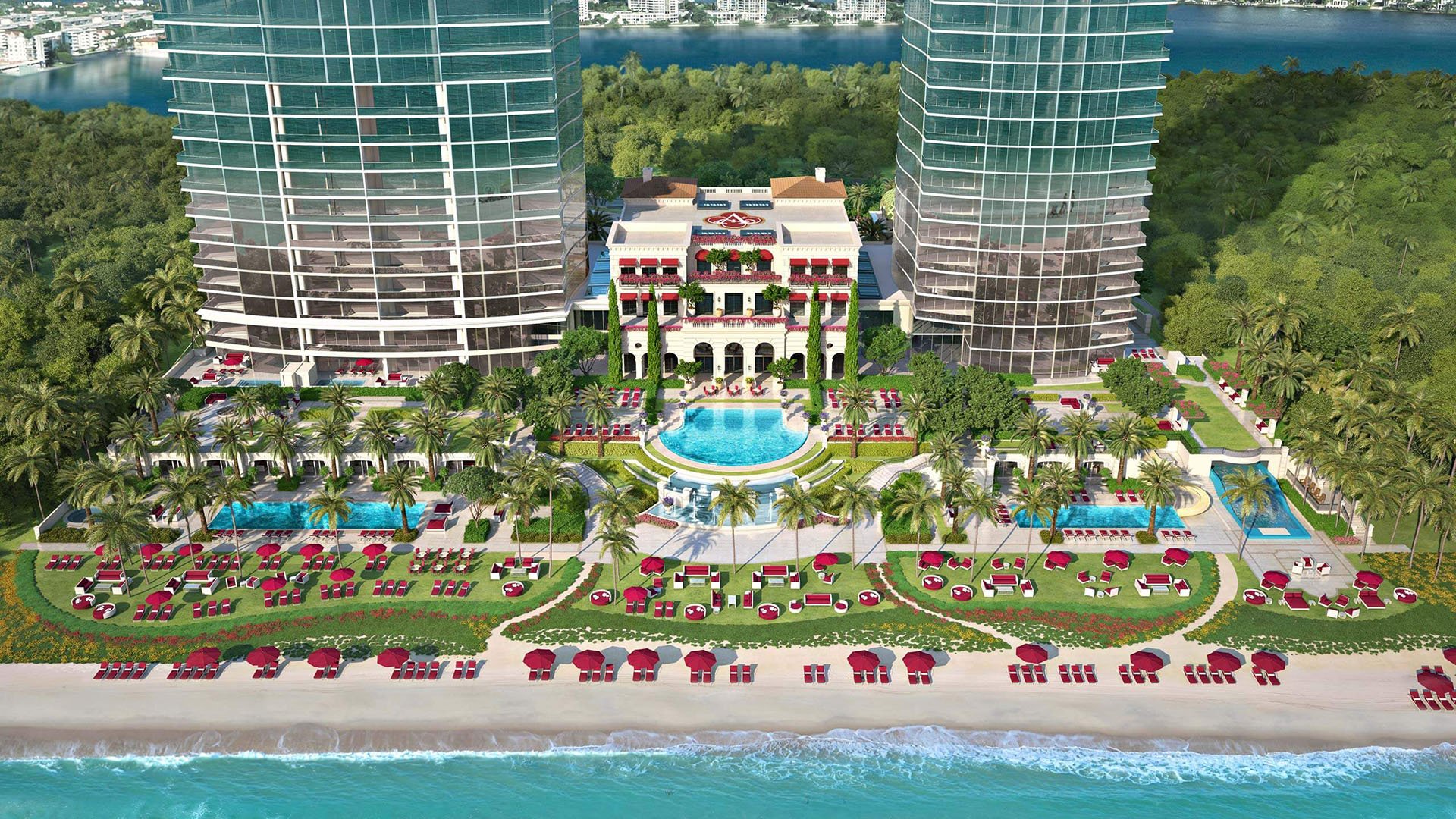
In South Florida, the difference between stepping onto sand from your lobby and reaching the ocean via a raised seawall promenade is more than aesthetic. It shapes privacy, daily ritual, perceived exclusivity, and even the way a residence performs as a long-term lifestyle asset. This guide frames the trade-offs through the lens of buyer experience: how you arrive at the water, what you see and hear from the terrace, and how shoreline design influences security, convenience, and the emotional value of oceanfront living.