The Impact Of Autonomous Vehicle Charging Infrastructure On Luxury Condominium Value
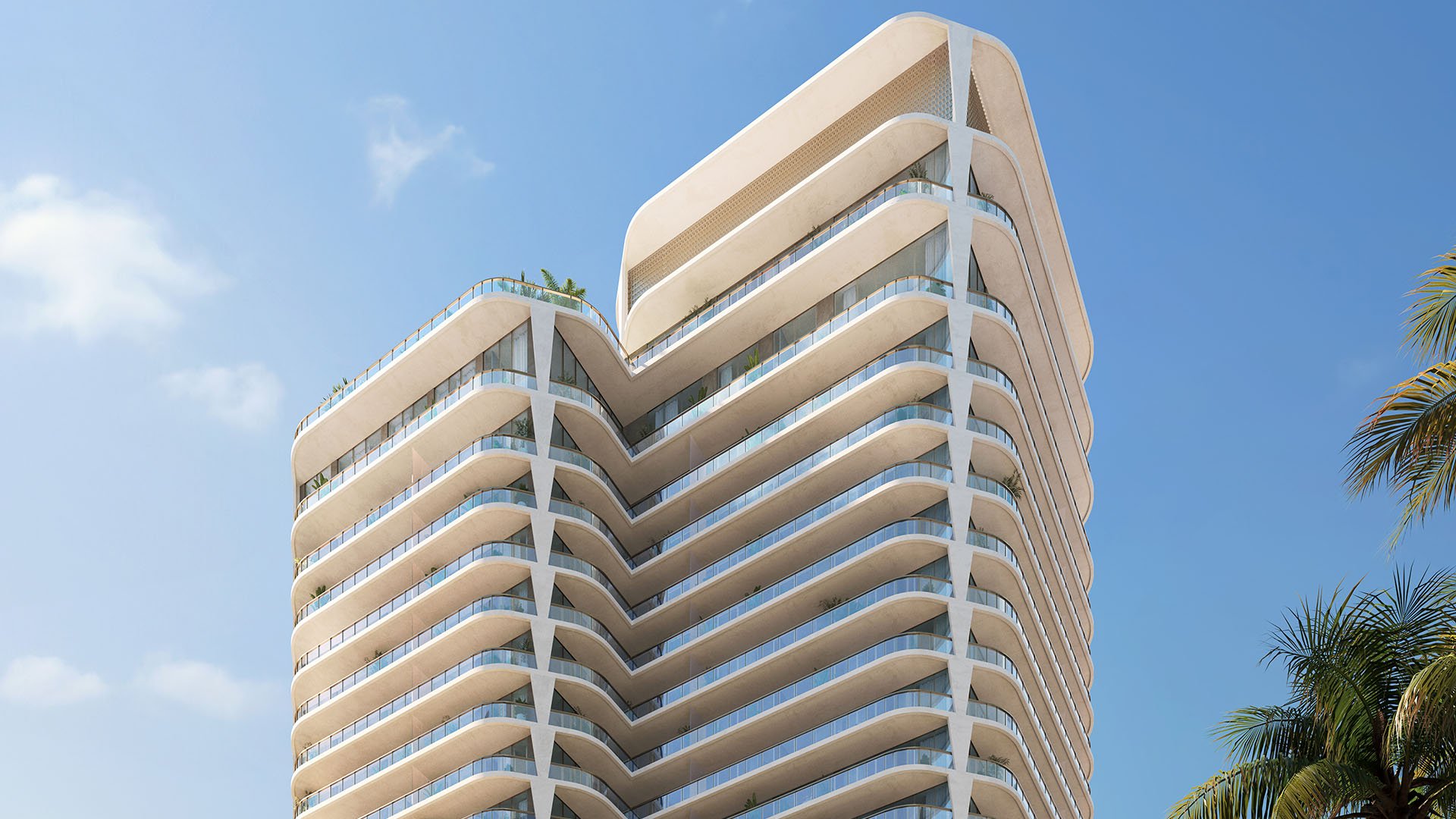
Autonomous vehicles are not yet a default reality in South Florida luxury living, but the supporting ecosystem is already influencing how sophisticated buyers assess condominium value. The most durable premium is likely to accrue to buildings that treat charging, curb management, and power capacity as core infrastructure, rather than as a cosmetic amenity. For developers and associations, the decision is less about predicting a single technology winner and more about underwriting flexibility: electrical headroom, conduit pathways, software-ready metering, and a garage and drop-off that can evolve from valet-driven to self-parking and, eventually, self-charging. For owners, the question becomes whether the building’s physical plant can keep pace without disruptive special assessments. Below, MILLION Luxury outlines the value drivers, the risk factors, and the design and governance signals that tend to separate future-forward residences from buildings that will have to retrofit under pressure.

Una Residences vs. Missoni Baia: Brickell and Edgewater Bayfront Luxury, Compared
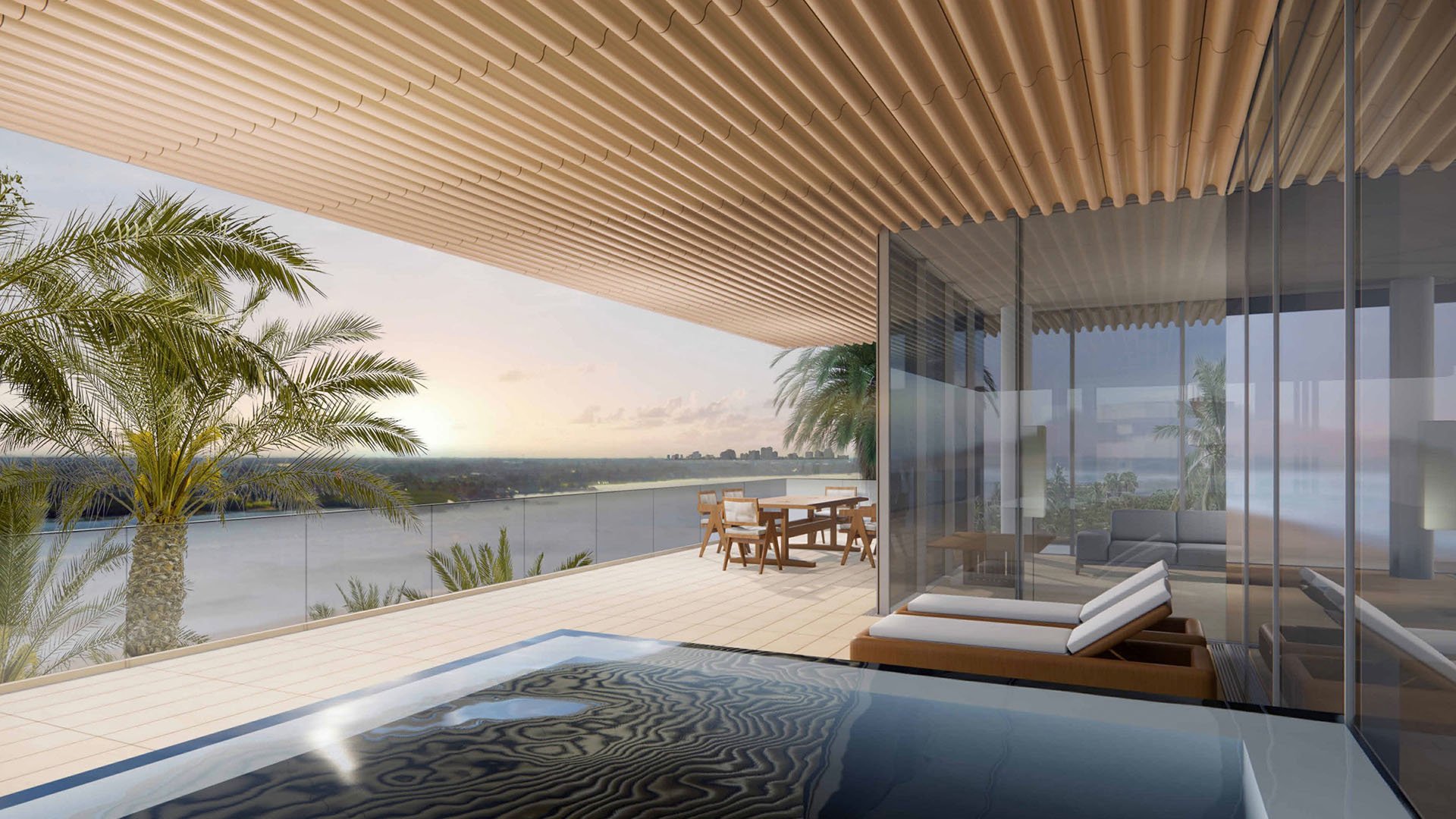
Two names, two neighborhoods, and two very different expressions of Miami’s bayfront life. In Brickell, the Una Residences conversation tends to center on polish, proximity to the city’s commercial core, and a more tailored, pied-à-terre friendly rhythm. In Edgewater, the Missoni Baia conversation often leans toward an artsy, design-forward mood and a calmer residential cadence that still feels close to the action. Here is a practical, buyer-minded framework to compare lifestyle, views, privacy, and long-term fit.

Comparing The Intimate Scale Of Cove Miami Against The Grandeur Of Aria Reserve Miami
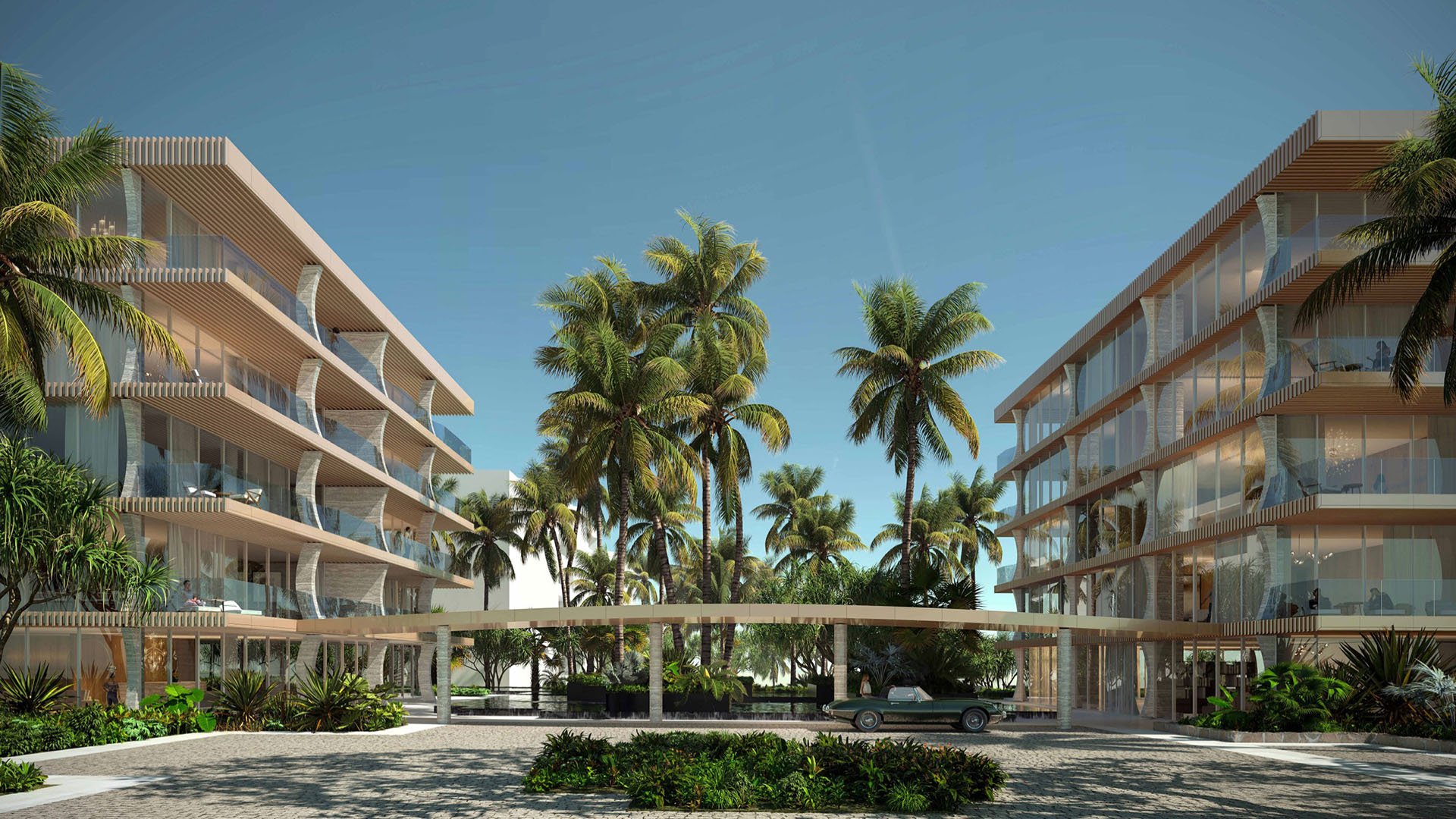
Cove Miami and Aria Reserve Miami represent two distinct interpretations of Edgewater luxury: one prioritizes a quieter, more intimate ownership experience, the other delivering a large-scale, skyline-defining lifestyle. This MILLION Luxury editorial frames the decision the way sophisticated buyers actually make it: by matching building scale to daily rhythm, privacy expectations, amenities, and long-term flexibility.

Assessing The Red Light Therapy And Contrast Hydrotherapy Offerings In Edgewater Developments
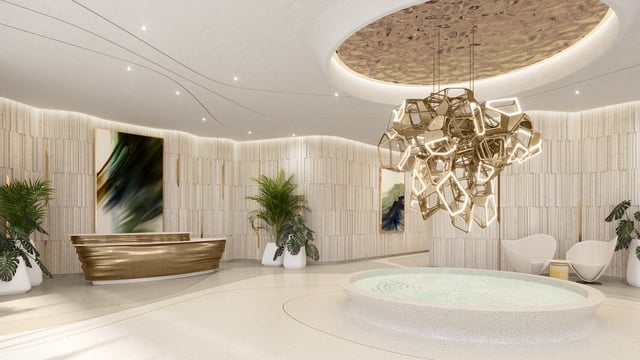
In Edgewater, wellness amenities have shifted from spa-adjacent perks to buyer-facing performance features. Two of the most requested modalities, red light therapy and contrast hydrotherapy, sit at the intersection of recovery culture, design, and operations. Here is how to evaluate what developments actually deliver, what matters for daily use, and how to compare offerings without getting lost in marketing language.

Buying a Condo for Your College Student in Miami: Luxury Overkill or Smart Investment?
For South Florida families, buying a condo for a college student can be elegant in concept: stability, privacy, and the possibility of equity build-up rather than four years of rent checks. In 2026, the decision is less about aspiration and more about underwriting the realities of condo ownership, including HOA volatility, insurance pressure, building-reserve reforms, and rental-rule constraints. This MILLION Luxury guide lays out how to evaluate the strategy with a luxury buyer’s discipline, what to demand from a building, and how to structure an exit plan that still works after graduation.

Timing Your Purchase: High Season vs. Off-Season in South Florida’s Luxury Market
A buyer-oriented, season-by-season playbook for South Florida luxury condos in 2026, emphasizing micro-markets, carrying costs, and event-driven demand over generic timing rules.