Why Insurance Actuaries Favor New Construction Towers Over Historic Oceanfront Homes
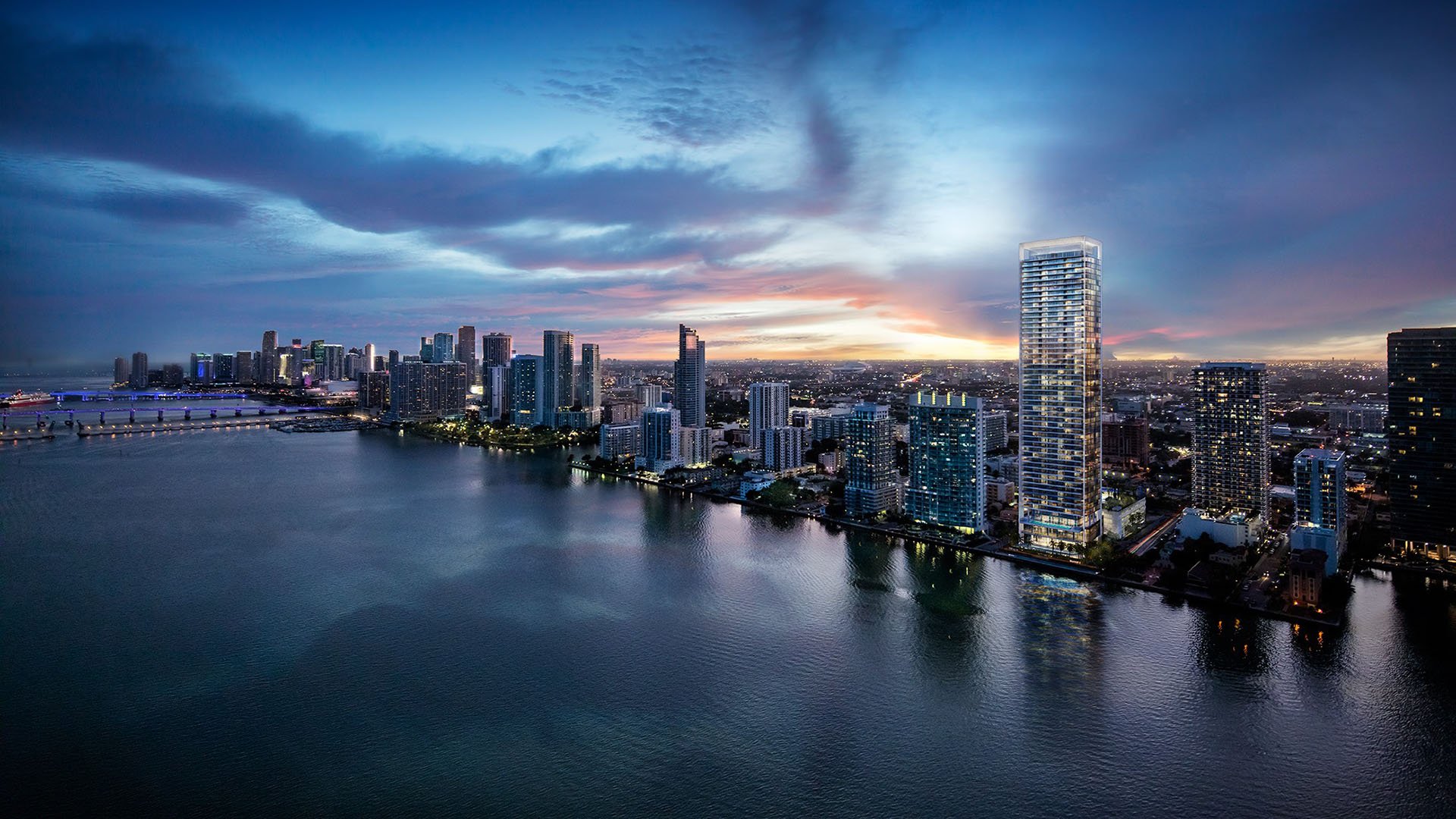
In South Florida, the insurance conversation has become a quiet but decisive force in luxury real estate. For actuaries, the preference for new construction towers is less about style and more about controllable risk: modern wind standards, updated life-safety systems, centralized maintenance, and clearer replacement-cost modeling. Historic oceanfront homes can be irreplaceable from an architectural standpoint, but they often introduce variables that are difficult to price with confidence, especially when proximity to salt air, legacy building practices, and bespoke materials collide with today’s underwriting discipline. This editorial explains the practical reasons actuaries often view new high-rise construction as a more predictable risk than older coastal single-family assets, and how sophisticated buyers can use that lens to shop smarter.

Evaluating the Homestead Exemption Reset Deadlines for South Florida Real Estate Purchases
A buyer-oriented, luxury-focused guide to Florida’s homestead exemption timing, the reset that can follow a purchase, and the practical deadlines that can affect first-year carrying costs in South Florida.

Evaluating the Acoustic Engineering of Luxury Condominiums for Ultimate Noise Privacy
In South Florida, the most coveted amenity is often the one you never see: silence. Acoustic engineering is not a single specification but a system, shaped by structure, glazing, mechanical design, planning, and day-to-day operations. This MILLION Luxury guide offers a buyer-oriented framework to evaluate real noise privacy in luxury condominiums, from façade performance and floor assemblies to corridor strategies, elevator cores, and the hidden role of HVAC. With the right questions and a focused walkthrough, you can distinguish marketing language from measurable comfort.

How the Waitlists at Gulliver Preparatory are Driving Up Values in Coral Gables
In Coral Gables, school choice is rarely a footnote. For many buyers, it is the organizing principle of a home search, shaping commute patterns, neighborhood preference, and the premium they are willing to pay for a property that makes daily life effortless. When a highly sought-after private school develops meaningful waitlists, that pressure does not disappear, it relocates into housing decisions: families move earlier, rent longer, widen their geographic radius, or pay more for a turnkey home that de-risks the transition. This is the anatomy of “school-driven value” in a market like Coral Gables: a mix of scarcity, lifestyle, and time. Below, MILLION Luxury unpacks how waitlists can translate into pricing power, what characteristics buyers prioritize, and how to evaluate a purchase when admissions timing remains uncertain.

The Legal Mechanisms for Structuring a Condominium Purchase Through an Offshore Entity
For globally mobile buyers, acquiring a South Florida condominium through an offshore entity is often less about mystique and more about disciplined legal architecture. The structure can support privacy, succession planning, co-ownership governance, and risk management, but it can also introduce friction with lenders, condominium associations, closing agents, and banks. This editorial outlines the core entity choices, the contract and closing mechanics that make the structure workable, and the practical diligence that keeps the purchase bankable and resale-ready.

How the Great Wealth Transfer is Fueling Demand for Turnkey Miami Mansions
As generational capital shifts hands, Miami’s luxury buyers are showing a decisive preference for homes that feel complete on day one. Turnkey mansions and new, service-rich residences reduce friction for inheritors and newly liquid families who value certainty, privacy, and time more than the romance of a long renovation. In South Florida, the result is a premium for readiness: fully finished interiors, resilient infrastructure, and effortless lifestyle programming across Miami-beach, Brickell, and beyond.