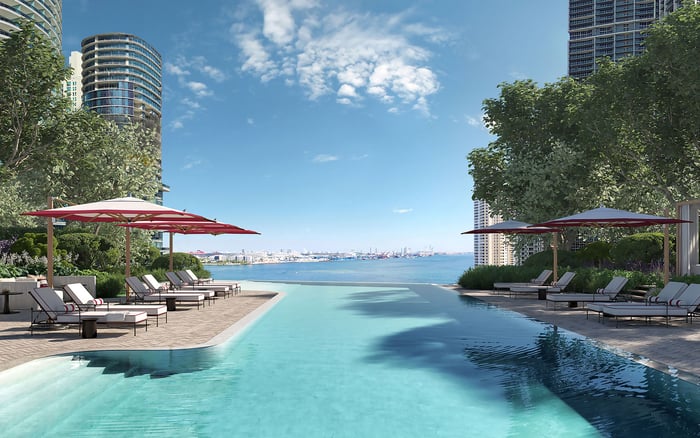
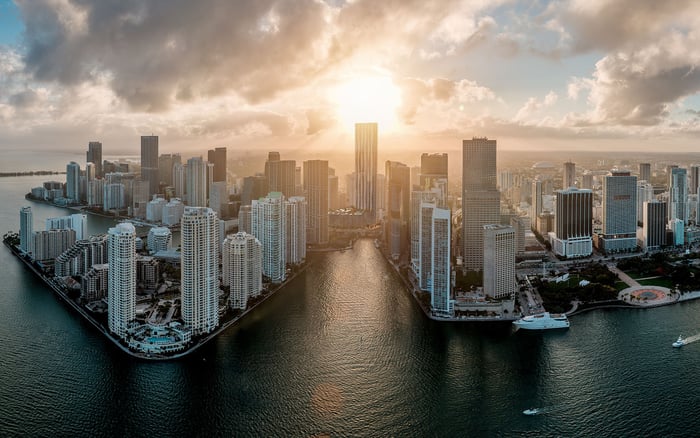
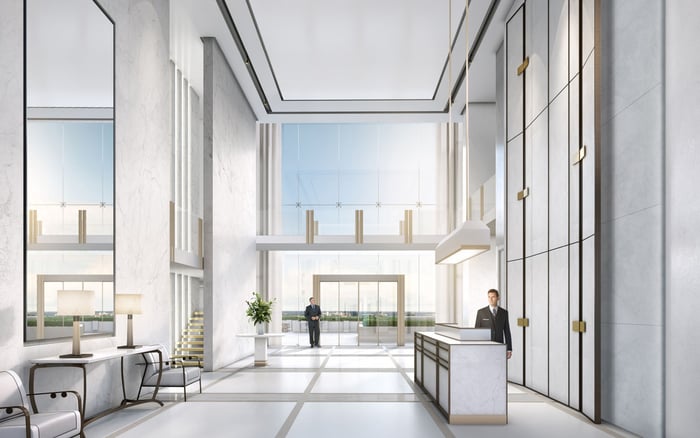
For South Florida buyers, the east-versus-west question is less about romance than building performance. Morning sun and evening sunsets create very different comfort profiles, and once glare and heat enter the discussion, orientation becomes a practical design decision. In a hot, humid market where air-conditioning carries much of the livability burden, the better residence is often the one that pairs its exposure with the right glass, shading, and room-by-room control.
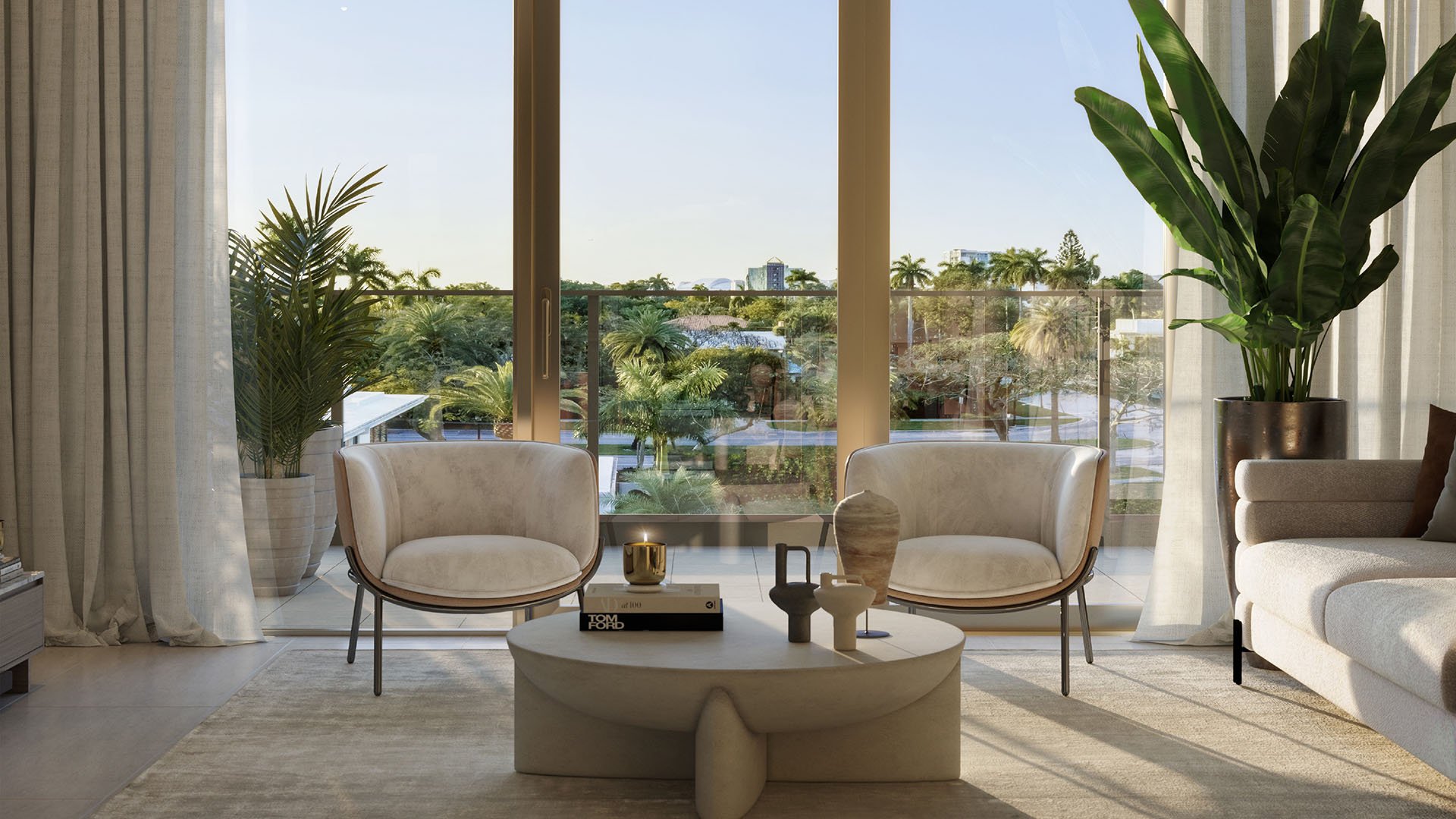
In South Florida, buyers often begin with the poetry of a view: sunrise over the water, golden sunset light, a living room that glows at cocktail hour. The more useful starting point is simpler: ask when the sun actually hits the glass, how low it sits in the sky, and what that means for glare, cooling demand, and evening comfort.
East-facing residences receive their most direct exposure in the morning. West-facing residences take on the stronger afternoon and early-evening sun load, when exterior temperatures are already elevated and interiors are more vulnerable to overheating. In a cooling-dominated climate, that distinction matters. An elegant plan can feel entirely different at 8 a.m. than at 5 p.m., even when the square footage, ceiling height, and finish package are nearly identical.
For buyers weighing Brickell, Miami Beach, or West Palm Beach options, orientation is not a cosmetic detail. It is part of the residence’s operating logic.
West exposure has an obvious luxury advantage: evening light and, in the right setting, dramatic sunset views. But it also presents the more demanding performance challenge. Late-day sun arrives at a lower angle, making it harder to block with simple overhangs, and it strikes when the day is already hottest. That compounds heat gain and often increases the burden on cooling systems.
There is also a lag effect many buyers underestimate. West-facing rooms can remain warm into the evening because glass, walls, flooring, and furnishings continue releasing stored heat after direct sun has moved on. A residence may look beautiful at twilight and still feel slightly overburdened at dinner.
This does not make west exposure undesirable. It means west-facing homes need more from the envelope. In towers with expansive glazing, the best west-facing residences typically rely on stronger solar control, better glazing specifications, and more disciplined interior shading. In a project such as The Residences at 1428 Brickell, that is the kind of detail a sophisticated buyer should investigate before deciding that sunset light is worth the trade.
East-facing residences are not shade-drenched. They can still experience strong direct glare in the morning because the sun is low on the horizon. Bedrooms, breakfast areas, and home offices may brighten earlier and more intensely than some owners expect. But in practical terms, east-facing homes shift much of their solar gain to earlier hours, when outdoor conditions are generally less punishing.
That timing often makes the home feel easier in the late afternoon, which is precisely when many South Florida residents want their interiors to remain calm, cool, and usable. If two units are otherwise comparable, east exposure usually trades some evening drama for more forgiving comfort through the hottest part of the day.
For buyers who work from home, entertain before sunset, or simply prefer a residence that does not require aggressive shade management every afternoon, east can be the more effortless choice. In oceanfront settings such as 57 Ocean Miami Beach, the emotional pull of early light can also feel especially refined, offering brightness without the same degree of late-day thermal stress.
One of the more expensive mistakes in luxury buying is assuming that a bright unit is automatically a pleasant one. Glare and heat are related, but they are not identical. A residence can feel visually harsh before it feels warm, and once glare appears, occupants often respond by lowering blinds and sacrificing the very daylight and view premium they paid for.
Both east- and west-facing rooms are susceptible because low-angle sun penetrates farther into the interior than higher midday sun. That can wash out screens, create sharp contrast across polished finishes, and make dining or working areas uncomfortable even when the thermostat remains stable.
The practical question becomes behavioral. Will the owner want the shades down every morning, every afternoon, or both? In a water-view home, that answer influences not just comfort but the real value of the view. A sunset-facing living room is less compelling if its occupants need drawn drapery during the very hours the room was meant to perform.
When comparing east and west, buyers should move beyond orientation labels and audit the amount and quality of glass. The key issue is not merely whether a unit faces west, but how much west-facing glazing it has and whether the residence has strong tools to manage it.
Begin with the window package. High-performance glazing, low-emissivity coatings, and spectrally selective glass can reduce solar heat gain while preserving daylight. In hot climates, lower Solar Heat Gain Coefficient values are generally preferable where glare and cooling load are major concerns. If orientation cannot be changed, films and glazing upgrades become meaningful retrofit or specification advantages.
Next, look at shading. Exterior devices are generally more effective than interior treatments because they stop solar heat before it enters the home. Interior blinds and drapery still matter, but they are usually the second line of defense, not the first. Ask whether the façade includes overhangs, deep terraces, recesses, or other architectural elements that soften exposure. Then ask whether the specific rooms most affected by direct sun have independent shade control.
In newer new-construction inventory, these details can make two neighboring stacks feel radically different in real use. Buyers touring Rivage Bal Harbour or Alba West Palm Beach should pay close attention not only to views, but to glazing strategy, balcony depth, and how the residence handles low-angle light during occupied hours.
In some markets, orientation is a matter of preference first and performance second. In South Florida, that hierarchy is reversed. Heat exposure is not an abstract concern, and long-term livability increasingly depends on how well a residence manages solar gain.
That is why a west-facing home should be judged more rigorously, not dismissed. If sunset views are central to the brief, west can still be the right answer. But the standard should rise with the exposure. Better glass, more thoughtful shading, and more active glare management are usually required to make that orientation feel consistently luxurious.
An east-facing home, meanwhile, is often the quieter success story: less theatrical at dusk, more accommodating across the span of an ordinary day. In areas such as Brickell, Bal Harbour, and West Palm Beach, buyers comparing similar plans may find that east exposure delivers the better balance of beauty and usability.
The most sophisticated buyers no longer ask whether east or west is universally superior. They ask which residence handles its exposure more intelligently. That is the real comparison once glare and heat are part of the equation.
If the residence is west-facing, scrutinize the glazing, terrace depth, shading strategy, and afternoon usability. If it is east-facing, consider whether morning brightness aligns with your schedule and whether key rooms will feel serene rather than overlit. In both cases, low-angle sun deserves respect.
A beautiful orientation can elevate a home. An unmanaged one can quietly diminish it. The best purchase is rarely the unit with the most seductive light at one moment of the day. It is the one that remains comfortable, composed, and visually effortless through all of them.
Is east-facing usually better than west-facing in South Florida? Often, yes, for everyday comfort, because much of the solar gain arrives earlier rather than during the hottest late-afternoon hours.
Why does west-facing glass feel more intense? Afternoon sun hits when outdoor temperatures are already high, so glare and heat gain tend to arrive together and linger longer.
Does west-facing always mean a bad residence? No. It can be exceptional if the unit has strong glazing, effective shading, and a layout that manages direct sun well.
Are east-facing homes free from glare problems? Not at all. Morning sun is also low on the horizon, so east-facing rooms can experience sharp direct glare.
What window feature matters most in this comparison? High-performance glass with low solar heat gain is one of the most important variables, especially on west-facing exposures.
Do interior shades solve the problem by themselves? Usually not completely. They help with glare and some comfort, but exterior shading is generally more effective at blocking heat.
Should I focus on orientation or amount of glass? Both, but the amount of west-facing glass is often the more decisive issue when two units seem otherwise similar.
Why can a west-facing room stay warm after sunset? Interior finishes, walls, and glass can continue releasing stored heat into the evening even after direct sun disappears.
Are terraces useful in managing solar exposure? Yes. Deep terraces and architectural recesses can help moderate direct sun and improve day-to-day comfort.
What is the smartest way to compare two similar units? Evaluate exposure, glazing quality, shading, and how each room functions during actual occupied hours, not just during a showing.
If you'd like a private walkthrough and a curated shortlist, connect with MILLION.
If branded residences are on your mind — as a home or as an allocation — we would be glad to share what we are seeing, privately.
Begin a quiet conversation