Villa Miami vs Aria Reserve: Two Ways to Live on Biscayne Bay in Edgewater
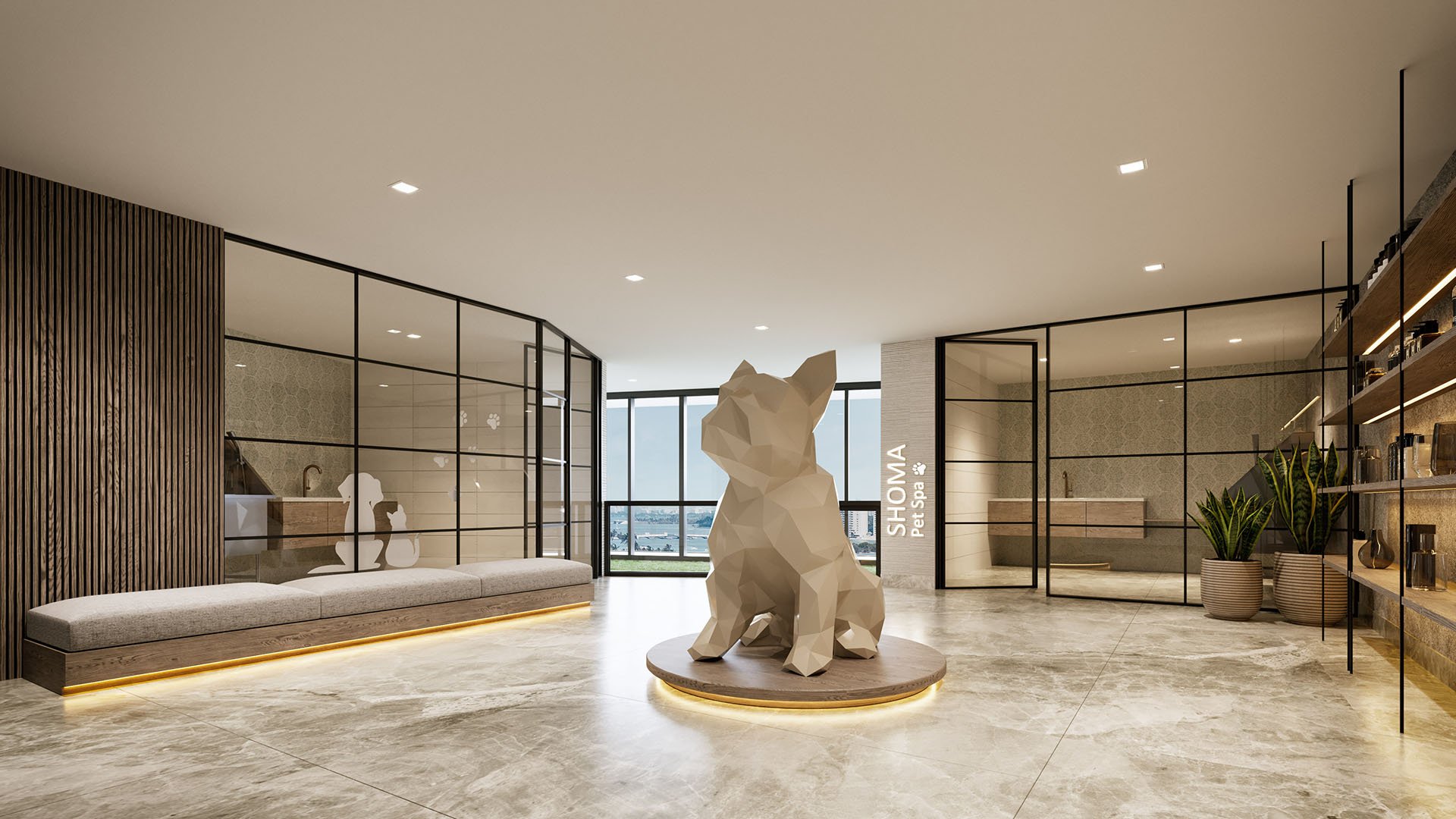
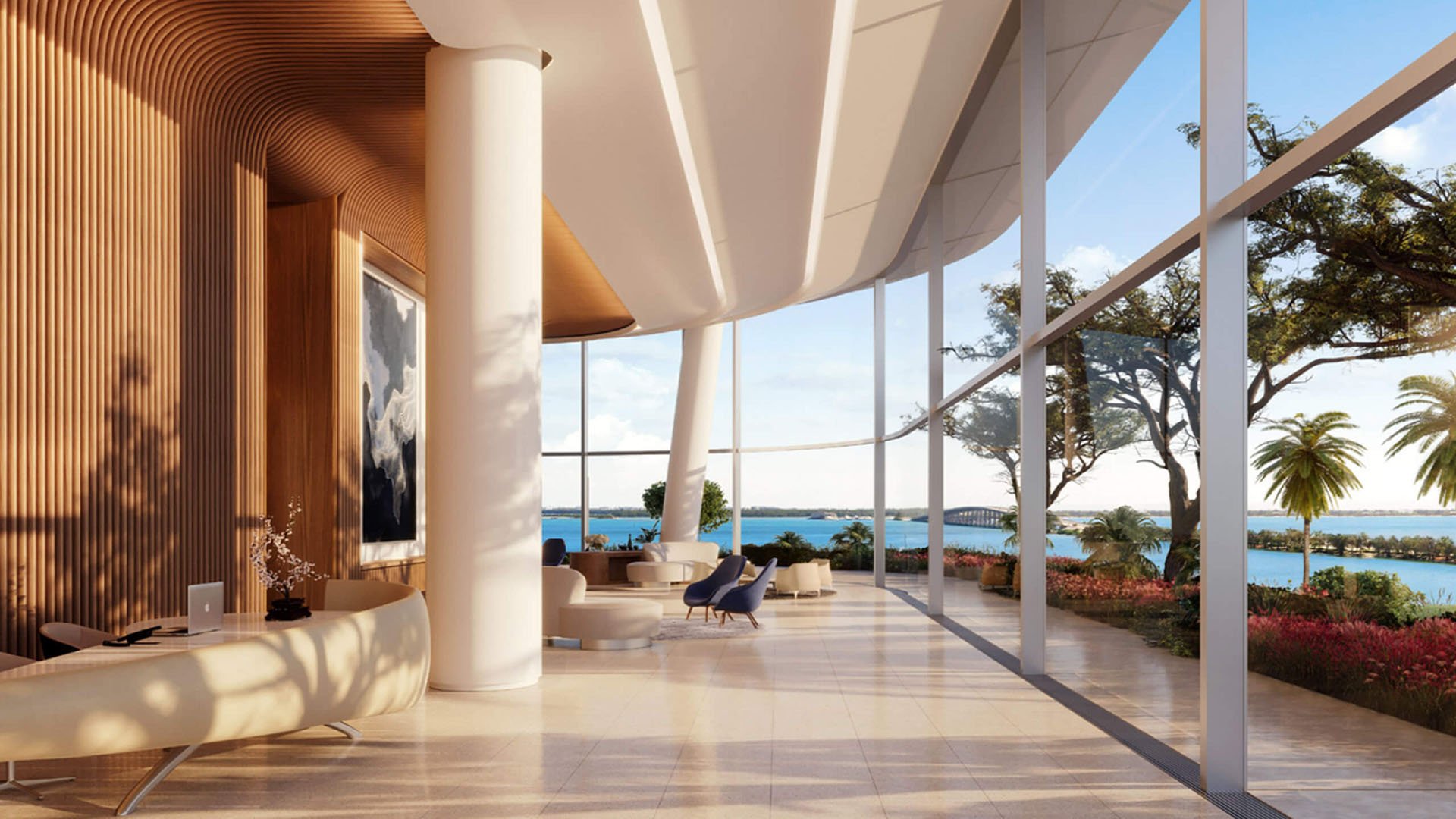
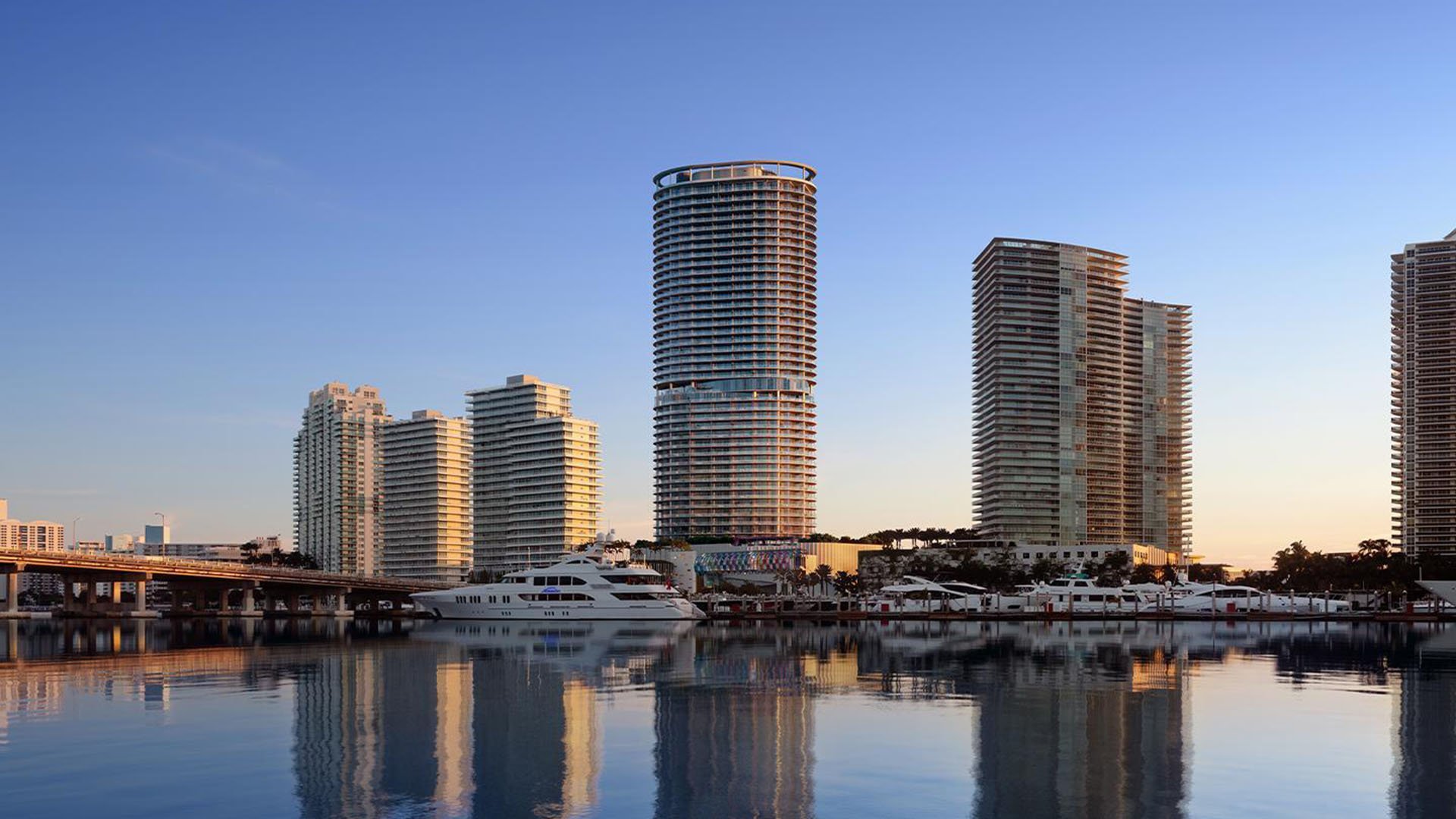
In Miami’s Edgewater, the newest waterfront proposals are not just selling height or skyline presence. They are selling exposure: how light enters a home, how a terrace extends daily life, and how directly you can step from lobby to bay. Villa Miami and Aria Reserve approach that promise from opposite ends of the spectrum, one built around extreme scarcity and private arrival, the other around resort-scale frontage and a campus of amenities. For buyers calibrating privacy, community, and the way a view is framed from room to room, understanding those differences is the real due diligence.

Branded Residences in South Florida: The 2026 Case for Service, Scarcity, and a Smarter Luxury Premium
Branded residences are scaling globally, and South Florida sits at the center of the North American story. For buyers, the appeal is less about a logo and more about predictable service, amenity standards, and resale clarity in a market where luxury lifestyles are increasingly multigenerational. This MILLION Luxury editorial breaks down why the branded model commands a premium, what to scrutinize in the operating structure, and where Miami-beach demand is concentrating as new product comes online.

Quiet Luxury: How to Buy a Peaceful Home in South Florida
In South Florida, “quiet” is not an aesthetic. It is an environmental condition shaped by flight corridors, traffic geometry, and the way a building is assembled. For high-net-worth buyers, noise diligence belongs alongside water views, service, and security because it influences sleep, wellness, and long-term resale in ways that are hard to reverse after closing. This MILLION Luxury guide translates national noise benchmarks into a practical, buyer-oriented checklist, from screening tools and on-site listening sessions to the construction details that separate baseline code compliance from truly serene living.

Mercedes-Benz Places vs Cipriani Residences Brickell: Choosing Your Branded Life in Brickell
In Brickell’s most competitive new-construction corridor, branded towers are no longer just a logo in the lobby. They are operating systems for daily life, expressed through wellness, mobility, dining, service, and the way a building asks you to spend your time. Mercedes-Benz Places and Cipriani Residences are two of the most closely watched names in this category, each pursuing a distinct vision of modern luxury: one engineered around experience, movement, and curated recreation, the other anchored in hospitality, dining, and private-club ritual. This editorial from MILLION Luxury looks at what each project is marketing today, and how those choices may translate into lived value for buyers who care as much about lifestyle architecture as floor plans.

Oceanfront vs Skyline Views: Casa Cipriani Miami Beach and Miami Tropic Residences
Two of South Florida’s most discussed branded arrivals present a clean, buyer-relevant contrast: true Atlantic frontage in Mid-Beach versus height-driven panoramas in Midtown. Casa Cipriani Miami is positioned as a tightly held, 23-residence oceanfront address paired with a boutique hotel and private members’ club, with pricing widely reported to start around $25 million. Miami Tropic Residences, a much taller 48-story tower planned near the Design District and Wynwood, leans into panoramic bay and skyline view corridors, chef-driven branding tied to Jean-Georges, and pricing marketed from roughly $1.1 million+. For buyers, the decision often comes down to what you want your view to do: anchor daily life to the ocean horizon, or frame Miami as a luminous cityscape that changes by hour, weather, and altitude.

Top 10 Signals Defining South Florida’s Ultra-Luxury Market in 2026
From record-setting penthouse pricing to municipal-grade security and yacht-ready marinas, South Florida’s ultra-luxury market is increasingly defined by operational advantages as much as square footage. This editorial ranking distills the most buyer-relevant signals shaping value at the top of the market heading into 2026, with clear distinctions between closed sales, reported contracts, and marketed positioning.