A buyer-oriented guide to what “pet-friendly” really means at the luxury tier, with a ranked shortlist of South Florida-style living priorities, grooming-spa expectations, and the building features that protect peace, privacy, and property values.
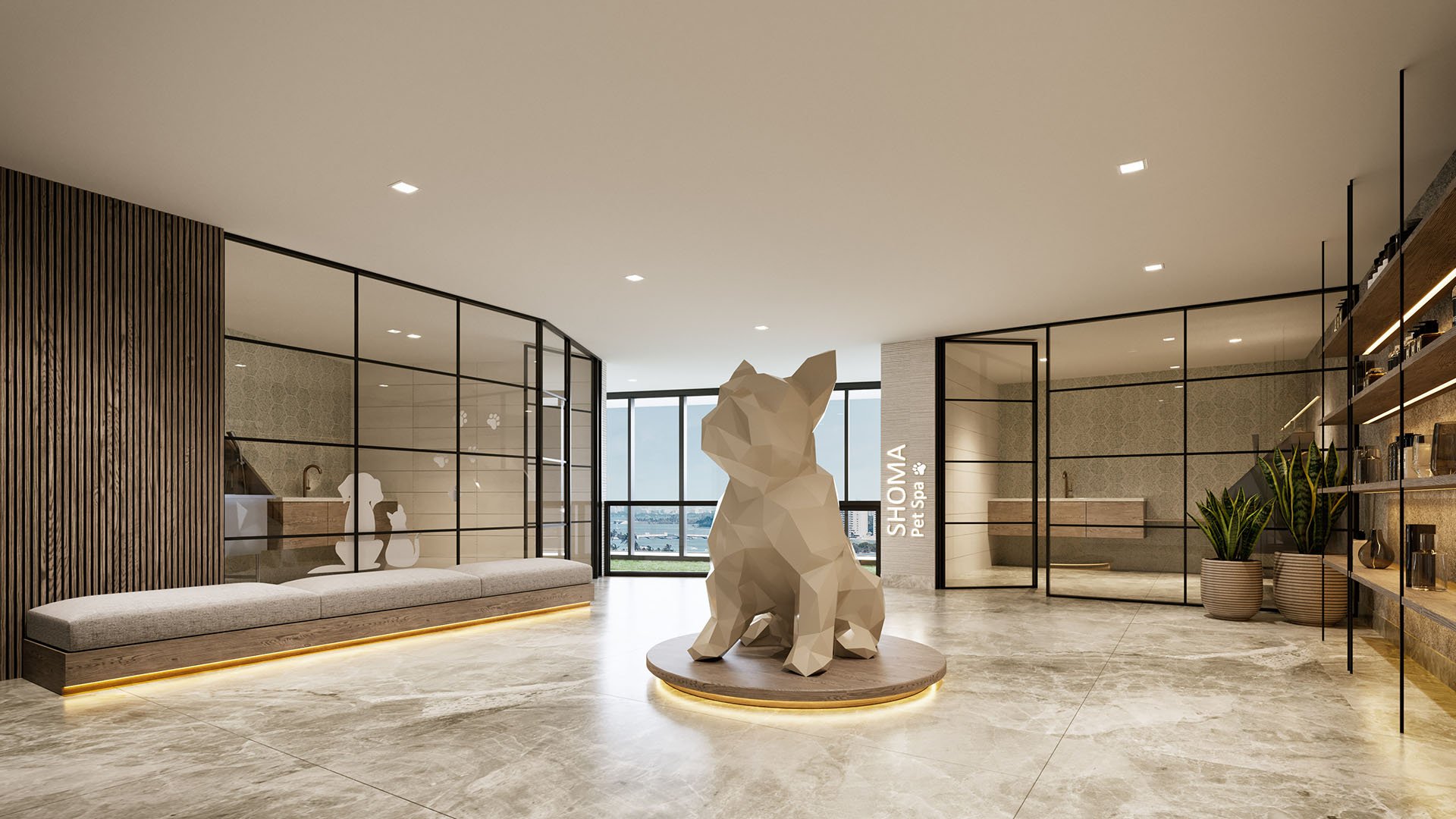
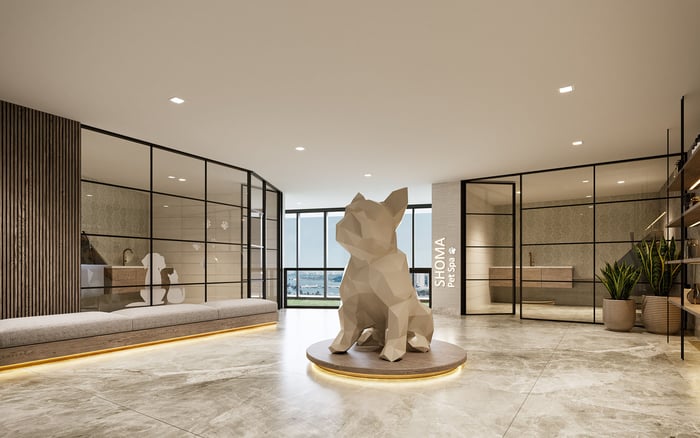
In South Florida’s upper tier, pet ownership is no longer an accommodation-it’s a lifestyle line item. The clearest signal is the rise of dedicated on-site grooming spas: purpose-built rooms with professional-grade wash stations, resilient finishes, and the operational details that keep the rest of the building serene. When executed well, a grooming spa does more than streamline weekend logistics. It keeps elevators cleaner, lobbies calmer, and residences quieter, while supporting the routines that make condo living feel effortless.
For buyers, the grooming spa is also an honesty test. Many buildings claim “pet-friendly,” but the day-to-day experience depends on whether pets were planned for with the same rigor as valet flow, pool acoustics, or service corridors. A true pet program typically arrives as a suite: wash and dry stations, a defined relief area, waste infrastructure that stays discreet, and policies that are clear enough to protect owners and non-owners alike.
A dedicated grooming spa should read like a small, well-run back-of-house salon-not an improvised utility closet. The most important elements are functional, not decorative.
Start with durable, hygienic materials. Non-porous wall surfaces, slip-resistant flooring, and easy-to-clean drains help control odor and keep the amenity feeling “new” longer. Next, prioritize ventilation. A room that can’t clear humidity and dander quickly becomes unpleasant, and unpopular amenities tend to deteriorate.
Then assess flow and location. The best grooming spas sit near a service entry or discreet circulation, so wet dogs aren’t crossing high-traffic social zones. Finally, look for a system, not just a room: cleanup rules, posted etiquette, and a plan for peak demand. Ask how residents book time, whether limits are posted, and how management responds to repeated noncompliance.
Below is a buyer-oriented ranking of what “best” should mean when you’re selecting a pet-forward luxury address with grooming-spa expectations. Use it as a scoring framework when touring.
1. Purpose-built grooming spa - ventilation, drainage, and real wet-room construction
The top tier starts with construction that anticipates water, hair, and humidity. Look for a true wet-room approach: graded floors, robust drains, and finishes that feel like a spa service area rather than a residential laundry room.
This is where operational discipline becomes visible. If the room is bright, sealed, and easy to sanitize, it stays pleasant for years-not months.
2. Dedicated relief areas - shade, turf, and a path that avoids social choke points
“Dog run” can mean almost anything. The best buildings create a predictable route for quick relief without forcing residents through crowded amenity decks or restaurant-adjacent lounges.
In South Florida heat, shade and surface temperature are part of comfort. A well-designed relief area keeps routines fast, which is the real definition of convenience.
3. Policy clarity - size limits, breed restrictions, and guest pet rules stated plainly
Luxury is calm, and calm requires clear standards. Before you buy, ask for pet policies in writing and confirm how the building handles common scenarios: a guest arriving with a pet, a sitter entering, or a resident adding a second animal.
The best policies aren’t punitive-they’re simply unambiguous, protecting community culture and reducing conflict.
4. Sound and odor management - elevator etiquette, corridor materials, and cleaning cadence
Even pet lovers want quiet hallways and neutral air. Buildings that truly plan for pets tend to define the details: cleaning cadence, waste station placement, and strategies to avoid odor transfer near mailrooms and fitness entries.
A grooming spa helps, but only when the rest of the building is supported by materials and operations designed for real use.
5. Concierge-level support - vendor access, service entrances, and package coordination
For many owners, “pet-friendly” means the building can seamlessly handle groomer pickup, dog walkers, and bulky pet-supply deliveries-without turning daily life into a negotiation.
Ask whether service providers can use a separate entry, how keys are handled, and whether management has established procedures for third-party access.
In denser neighborhoods like Brickell, a grooming spa is less about indulgence and more about protecting the building’s rhythm. Tight elevator stacks, busy lobbies, and a steady flow of residents mean pet amenities must be designed to prevent spillover.
On tour, note where the pet area sits relative to the main lobby. If it’s tucked away and logically connected to service circulation, that’s usually a strong sign. In the same spirit of intentional amenity planning, buyers comparing new product in Brickell often look at buildings such as 2200 Brickell, where livability is judged as much by day-to-day operations as by finishes.
Also consider how the building handles “wet moments.” South Florida rain and pool culture already test common-area surfaces; pets add another layer. Strong buildings anticipate this with finishes and cleaning protocols that keep shared spaces pristine.
Along the beach, grooming spas quickly prove their value. Salt air, sand, and long walks mean more frequent rinses, and it isn’t realistic to treat a luxury bath like a utility room every time your dog returns from the shoreline.
A well-placed grooming spa reduces the temptation to rinse paws in guest baths or use kitchen sinks-small choices that can quietly wear on a residence over time. In Miami Beach, the buyer mindset also favors buildings where the complete lifestyle is curated, not improvised. For those shopping the oceanfront experience, 57 Ocean Miami Beach is the type of address that comes up when residents want a residential environment that feels considered from arrival to amenities.
If you plan to be on the sand often, ask an unglamorous but important question: Is there a place to towel off near the entry before you reach soft surfaces? The best buildings manage mess politely, not aggressively.
For owners of medium to larger dogs, vertical living works best when the building designs for predictable routines. That means elevator access that doesn’t feel like an obstacle course, and relief areas you can reach quickly.
The grooming spa should also offer enough room to safely maneuver a larger frame, with a wash-station height that minimizes strain. In this corridor, buyers frequently compare how new towers handle “real life” amenities and privacy, and projects like Bentley Residences Sunny Isles are part of the conversation when the expectation is a highly serviced, meticulously managed lifestyle.
In resort-leaning markets, pet amenities are either exceptional or oddly overlooked. The difference is whether the property recognizes that pet routines are daily, not seasonal.
Look for a grooming spa with reasonable hours, a location that works after a beach walk, and maintenance standards consistent with the fitness studios. In Hallandale, addresses such as 2000 Ocean Hallandale Beach are often evaluated on how well the building balances hospitality polish with private residential needs-and pet programming is part of that equation.
A grooming spa should be evaluated like any operational asset. Ask who cleans it and how often. Confirm whether residents must bring their own supplies, whether towels are provided, and whether there’s a posted protocol for disinfecting surfaces after each use.
Then pressure-test the friction points. What happens if the room is left messy? Is there a camera for accountability, or a log? Does management have a fine schedule? At the luxury tier, the objective isn’t punishment; it’s ensuring the amenity remains pleasant enough that responsible residents continue to use it.
Finally, verify how the building handles service providers. If you travel often, the ability to coordinate a trusted groomer or walker through established procedures can be as valuable as square footage.
Even in the most pet-forward building, your interior choices set the tone. Prioritize durable flooring transitions at the entry, choose washable performance textiles, and plan storage for leashes, towels, and grooming tools so everything disappears when not in use.
If you’re choosing between line stacks, consider proximity to elevators and service corridors. Convenience isn’t only about speed-it’s about reducing stress for your pet and avoiding the small bottlenecks that can make a building feel busier than it is.
Do “pet-friendly” buildings always include a grooming spa? No. Many allow pets but stop at policy; a dedicated grooming spa is a higher standard.
What should I look for in a high-quality grooming spa? Strong ventilation, proper drainage, slip-resistant floors, and easy-to-clean surfaces.
Is a grooming spa useful if I already have an in-unit dog shower? Yes. It keeps mess out of your home and can be more comfortable for larger dogs.
Will a grooming spa reduce odors in the building? It can, if paired with good cleaning cadence and thoughtful placement away from lobbies.
Are pet policies negotiable in luxury condominiums? Usually not. Policies are typically set by the association and enforced consistently.
How do I confirm whether my dog’s size is permitted? Request the written pet policy and ask management to clarify any weight or size limits.
Do buildings typically allow professional groomers to come on-site? Many do, but access procedures vary; confirm service entry rules and concierge protocols.
What’s the difference between a dog run and a pet relief area? A dog run is for exercise; a relief area is designed for fast, routine stops.
Can pet amenities impact resale value? For many buyers, yes. Well-run pet amenities can broaden demand without hurting polish.
What is the smartest way to evaluate pet friendliness during a showing? Tour the common areas, check for cleanliness and odor control, and ask operational questions.
If you'd like a private walkthrough and a curated shortlist, connect with MILLION Luxury.
If branded residences are on your mind — as a home or as an allocation — we would be glad to share what we are seeing, privately.
Begin a quiet conversation