2026 FIFA World Cup Legacy: Miami-Dade Luxury Rental Yields and Investment Considerations
A buyer-focused look at how global sporting attention may influence luxury rental strategy, underwriting discipline, and neighborhood selection across Miami-Dade.

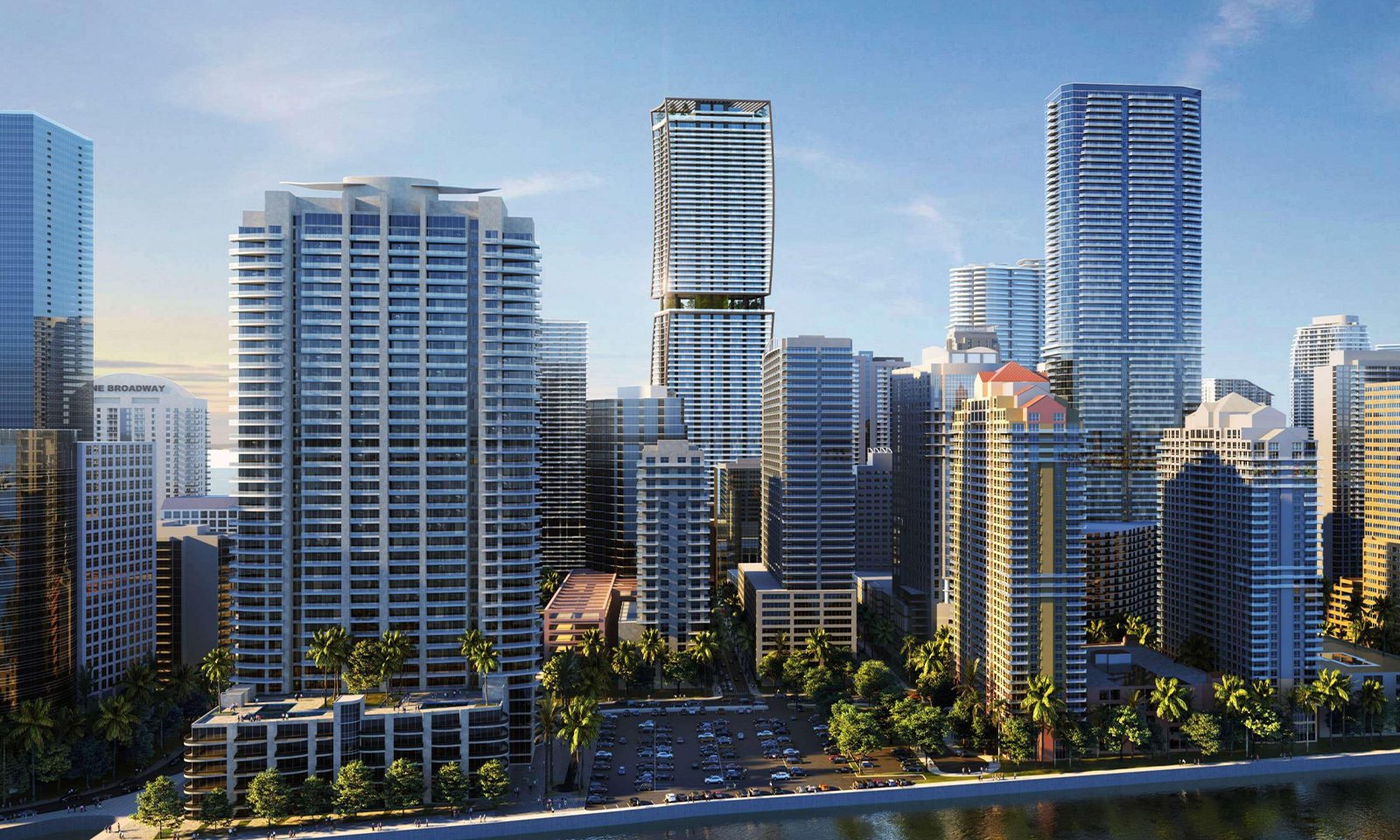
How Miami's FIFA World Cup 2026 Hosting Boosted Brickell Luxury Rental Yields
A measured look at how Miami’s World Cup 2026 visibility is reshaping Brickell luxury rental strategy, from lease timing to hospitality-grade presentation and owner yield discipline.

Palm Beach Winter Staffing: The Brazilian Court Residences and The Chesterfield Management
A buyer-oriented look at how Palm Beach winter staffing, boutique hospitality expectations, and management discipline shape the practical value of seasonal luxury residences.
.jpg&width=1920)
The Lifestyle and Balance-Sheet Case for Strong Luxury Rental Restrictions in 2026
A discreet buyer-oriented view of why strong rental restrictions can protect privacy, daily living quality, and long-term value in South Florida luxury residences.

The Practical Luxury Case for Better Rental Caps
Better rental caps can protect resident experience, asset quality, and resale confidence in South Florida luxury condominiums without ignoring owner flexibility.
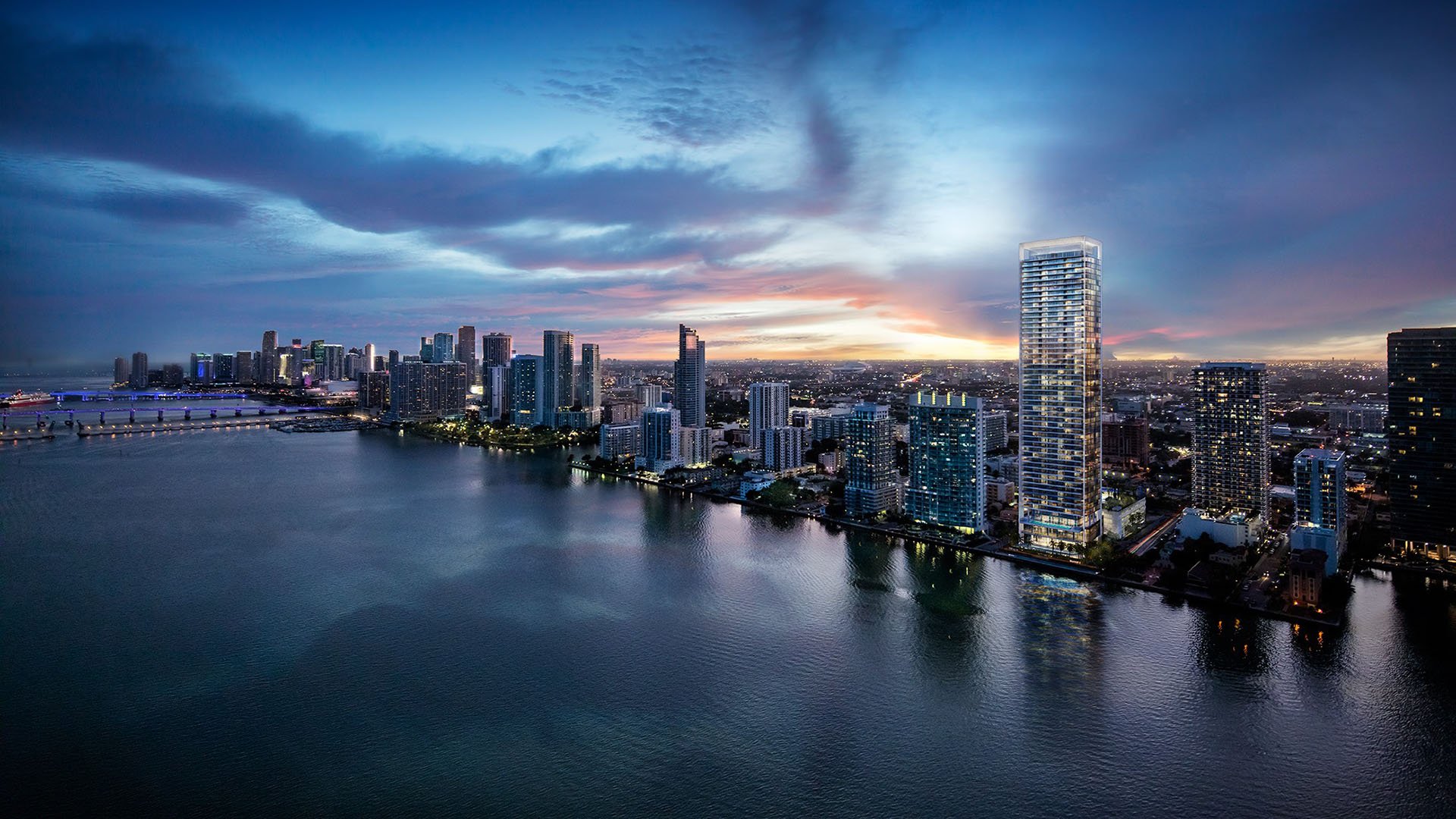
Living in Edgewater: What Luxury Buyers Should Ask About Rental Caps
A discreet buyer’s guide to understanding rental caps in Edgewater, with practical questions for luxury condo purchasers weighing lifestyle, flexibility, and investment goals.