
The Reality of Bidding Wars in the Eight-Figure Real Estate Market
In South Florida’s eight-figure tier, “bidding war” rarely means chaos. It is a controlled contest shaped by scarcity, privacy, and proof of certainty. The most competitive situations are typically tied to unique inventory: irreplaceable views, meaningful frontage, a building with lasting prestige, or a residence that solves for lifestyle without compromise. For buyers, the goal is not to win loudly. It is to win cleanly: a compelling price, minimal friction, and terms that reduce seller risk. For sellers, the objective is to surface true demand, separate signal from noise, and choose the offer most likely to close on time and on terms. Here is what bidding wars look like when the numbers start with eight figures, and how to navigate them with discretion.

Villa Miami vs Miami Tropic Residences: Culinary-Led Luxury by Major Food Group vs Jean-Georges
Two forthcoming Miami residential concepts lean into a familiar truth: in the top tier, taste is a service, not a preference. Villa Miami brings the social polish and restaurant-grade rhythm associated with Major Food Group to Edgewater, while Miami Tropic Residences signals a different type of culinary authorship through the lens of Jean-Georges. For buyers who calibrate lifestyle as carefully as square footage, the distinction is not simply whose name is on the menu. It is how food becomes architecture: a daily pattern of arrival, hosting, privacy, and discretion.
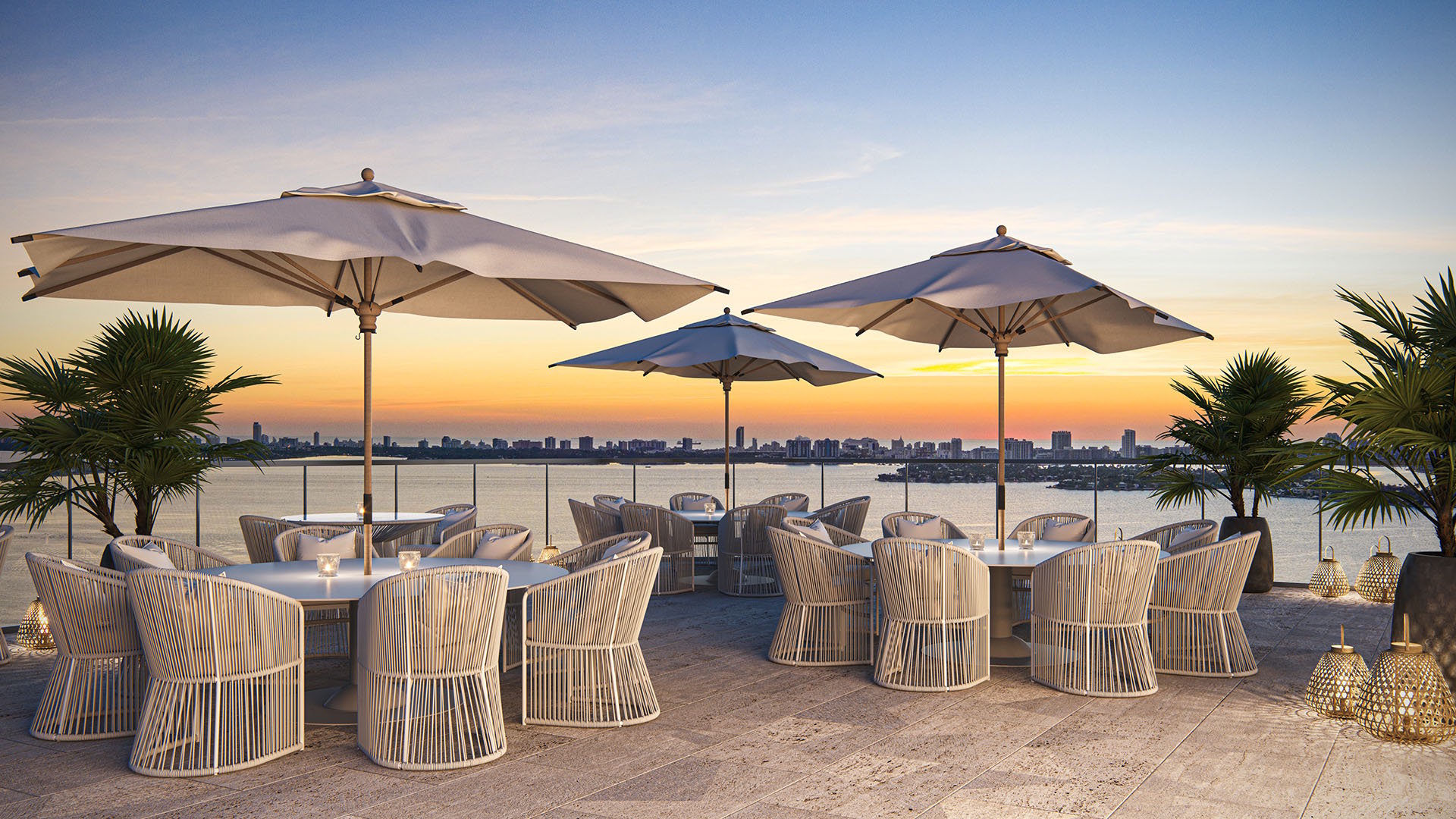
Cove vs Aria Reserve in Edgewater: Privacy & layout flow
In Edgewater, the most consequential differences between Cove and Aria Reserve rarely come down to finishes. They show up in the lived experience: how private your arrival feels, whether your home reads as a calm sequence or a corridor, and how naturally the plan handles entertaining, work, and overnight guests. This comparison focuses on privacy and layout flow, the two variables that quietly define long-term satisfaction for full-time and seasonal owners alike.

The Impact Of Autonomous Vehicle Charging Infrastructure On Luxury Condominium Value
Autonomous vehicles are not yet a default reality in South Florida luxury living, but the supporting ecosystem is already influencing how sophisticated buyers assess condominium value. The most durable premium is likely to accrue to buildings that treat charging, curb management, and power capacity as core infrastructure, rather than as a cosmetic amenity. For developers and associations, the decision is less about predicting a single technology winner and more about underwriting flexibility: electrical headroom, conduit pathways, software-ready metering, and a garage and drop-off that can evolve from valet-driven to self-parking and, eventually, self-charging. For owners, the question becomes whether the building’s physical plant can keep pace without disruptive special assessments. Below, MILLION Luxury outlines the value drivers, the risk factors, and the design and governance signals that tend to separate future-forward residences from buildings that will have to retrofit under pressure.

Missoni Baia, Edgewater: How Fashion-Forward Design is Shaping Miami’s Skyline
Missoni Baia introduced fashion-branded, design-forward living to Edgewater’s waterfront, pairing a minimalist tower by Asymptote Architecture with lifestyle amenities and deep terraces oriented to Biscayne Bay views.
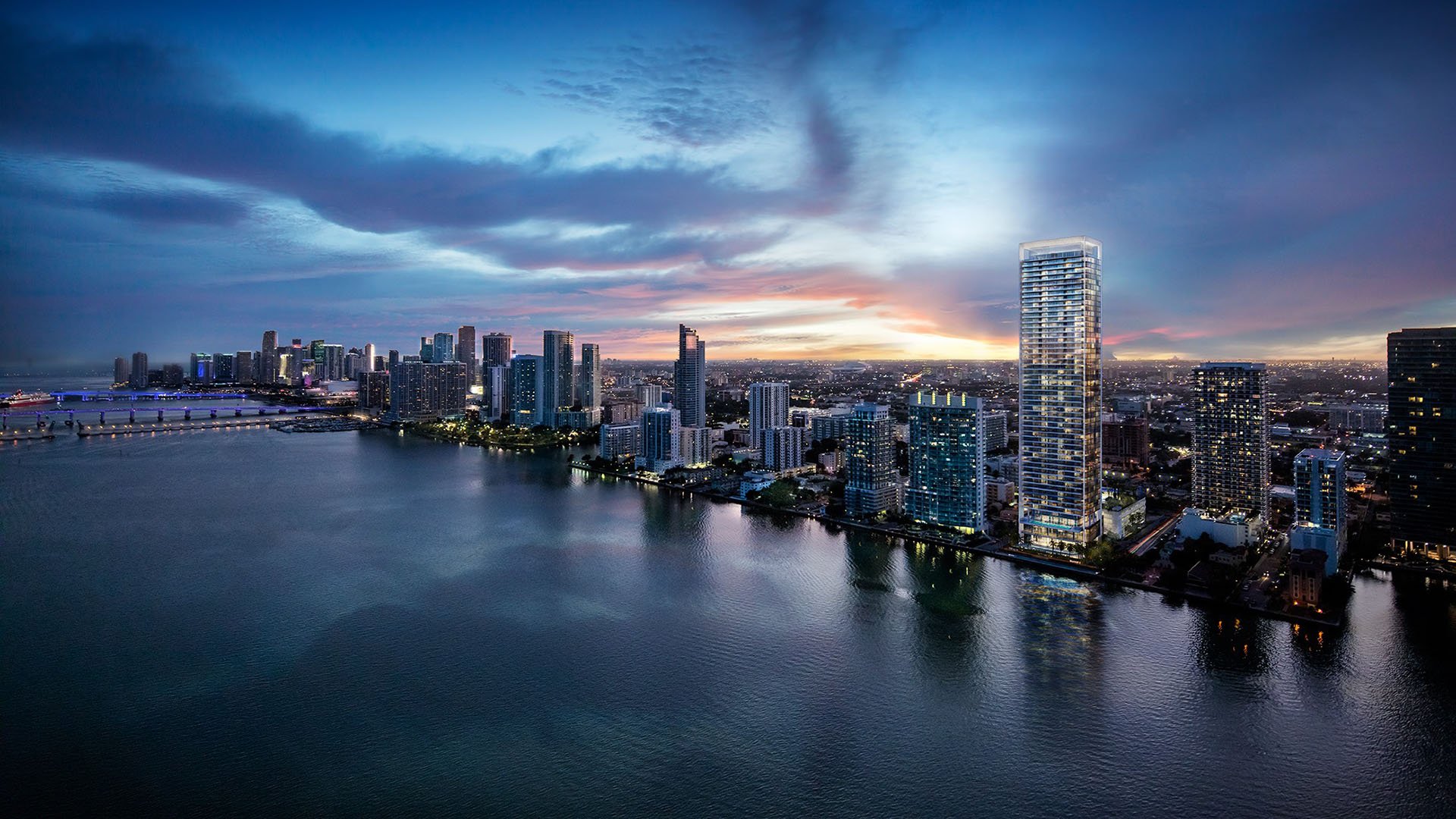
Una Residences vs. Missoni Baia: Brickell and Edgewater Bayfront Luxury, Compared
Two names, two neighborhoods, and two very different expressions of Miami’s bayfront life. In Brickell, the Una Residences conversation tends to center on polish, proximity to the city’s commercial core, and a more tailored, pied-à-terre friendly rhythm. In Edgewater, the Missoni Baia conversation often leans toward an artsy, design-forward mood and a calmer residential cadence that still feels close to the action. Here is a practical, buyer-minded framework to compare lifestyle, views, privacy, and long-term fit.


.jpg&width=640)