The Importance of Acoustic Insulation in High Rise Yoga and Meditation Rooms
In South Florida’s high-rise lifestyle, wellness amenities have matured from a glossy perk into a daily ritual. Yet the very qualities that make towers desirable, height, glass, views, proximity to energy, also amplify vibration, mechanical hum, hallway footfall, and the unpredictable cadence of neighbors. For yoga and meditation rooms, where breath, cadence, and stillness are the experience, acoustic insulation becomes a form of design integrity: it protects intention. This MILLION Luxury editorial explains what “quiet” actually requires in a vertical building, how buyers can evaluate acoustic performance without a lab report, and what developers, designers, and boards can do to deliver true sanctuary in the sky.

The Importance of Sub Metering and Dedicated HVAC Systems in Luxury Penthouses
In a true luxury penthouse, comfort is engineered, not improvised. Two of the most consequential systems sit behind the walls and above the ceilings: sub metering and dedicated HVAC. Together, they determine how precisely you can control costs, humidity, air quality, and noise, and how smoothly an ownership experience scales from full-time living to seasonal use and staff-managed occupancy. For South Florida buyers, these details matter even more. Heat, salt air, and year-round humidity reward buildings that treat mechanical design as part of the architecture. When evaluating penthouses in Miami Beach, Brickell, Sunny Isles, and beyond, sub metering and dedicated HVAC are not simply “nice-to-haves.” They are the infrastructure of privacy, predictability, and long-term stewardship.

How to Negotiate Upgraded Appliance Packages in Pre Construction Luxury Contracts
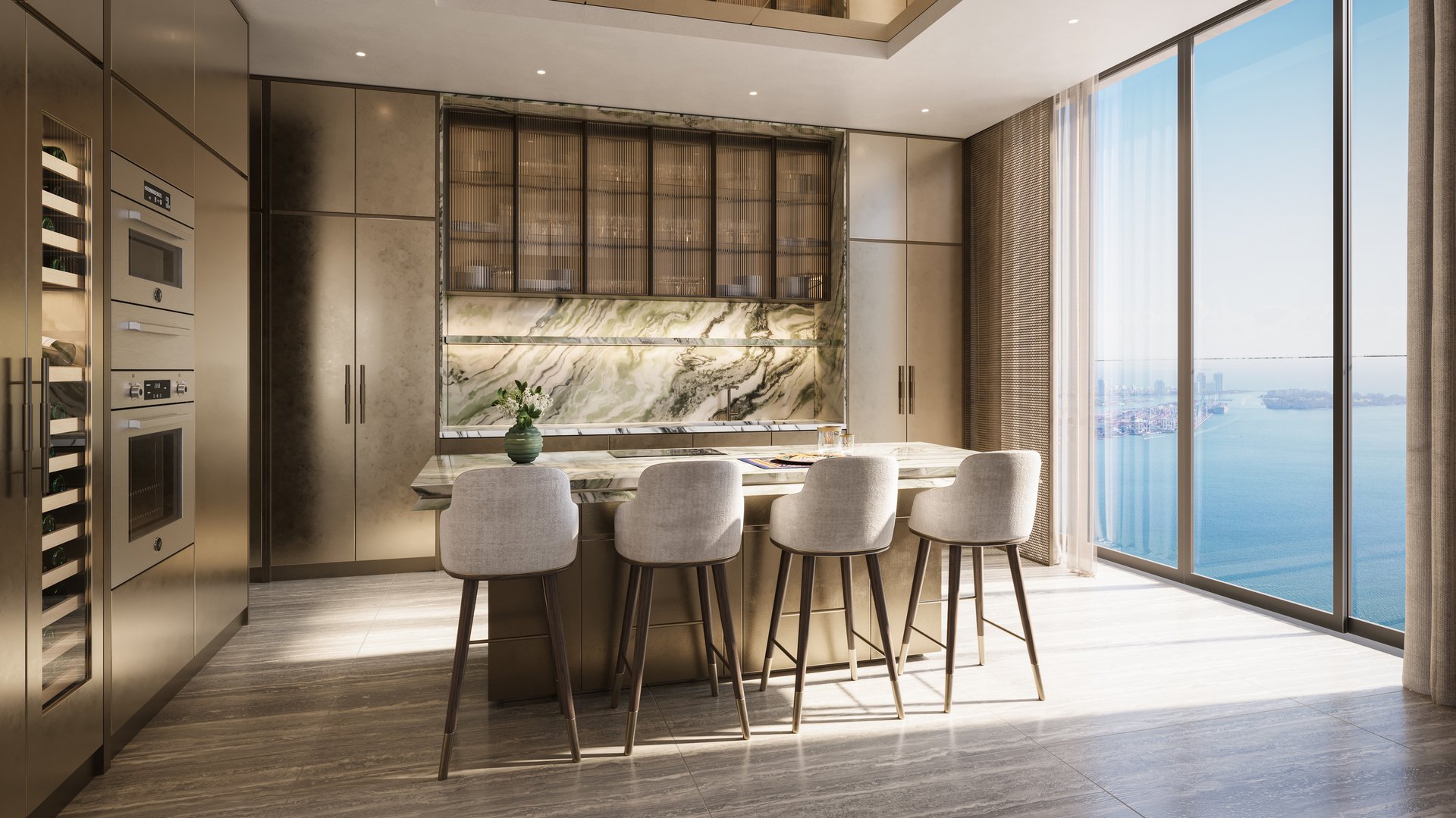
Upgraded appliance packages can be one of the most negotiable, high-impact line items in a South Florida pre-construction contract, but only if you treat them like a construction scope, not a showroom conversation. This guide breaks down how developers structure “standard” versus “upgrade” offerings, when leverage is highest, and which contract language protects your outcome from model-home drift, substitutions, and installation gaps.

The Logistics of Transporting Museum Grade Art Collections to Oceanfront Penthouses
A discreet, buyer-oriented guide to moving museum-grade art into South Florida oceanfront penthouses, from pre-close due diligence to rigging day, building rules, climate control, and installation.

Why Insurance Actuaries Favor New Construction Towers Over Historic Oceanfront Homes
In South Florida, the insurance conversation has become a quiet but decisive force in luxury real estate. For actuaries, the preference for new construction towers is less about style and more about controllable risk: modern wind standards, updated life-safety systems, centralized maintenance, and clearer replacement-cost modeling. Historic oceanfront homes can be irreplaceable from an architectural standpoint, but they often introduce variables that are difficult to price with confidence, especially when proximity to salt air, legacy building practices, and bespoke materials collide with today’s underwriting discipline. This editorial explains the practical reasons actuaries often view new high-rise construction as a more predictable risk than older coastal single-family assets, and how sophisticated buyers can use that lens to shop smarter.

The Financial Viability of Purchasing Entire Condominium Floors to Create Custom Mega Residences
Buying an entire condominium floor can deliver townhouse-level privacy, bespoke planning, and trophy-scale volume, but it only pencils when the premium paid is disciplined and the path to resale is realistic. In South Florida, floor-through assemblies live at the intersection of HOA governance, structural constraints, elevator strategy, and long-term operating costs. This editorial breaks down the underwriting logic: acquisition and carry, combination and build-out, and the two exits that matter most, resale and legacy ownership.