Assessing the Quality of Fitness Equipment and Personal Training Partnerships
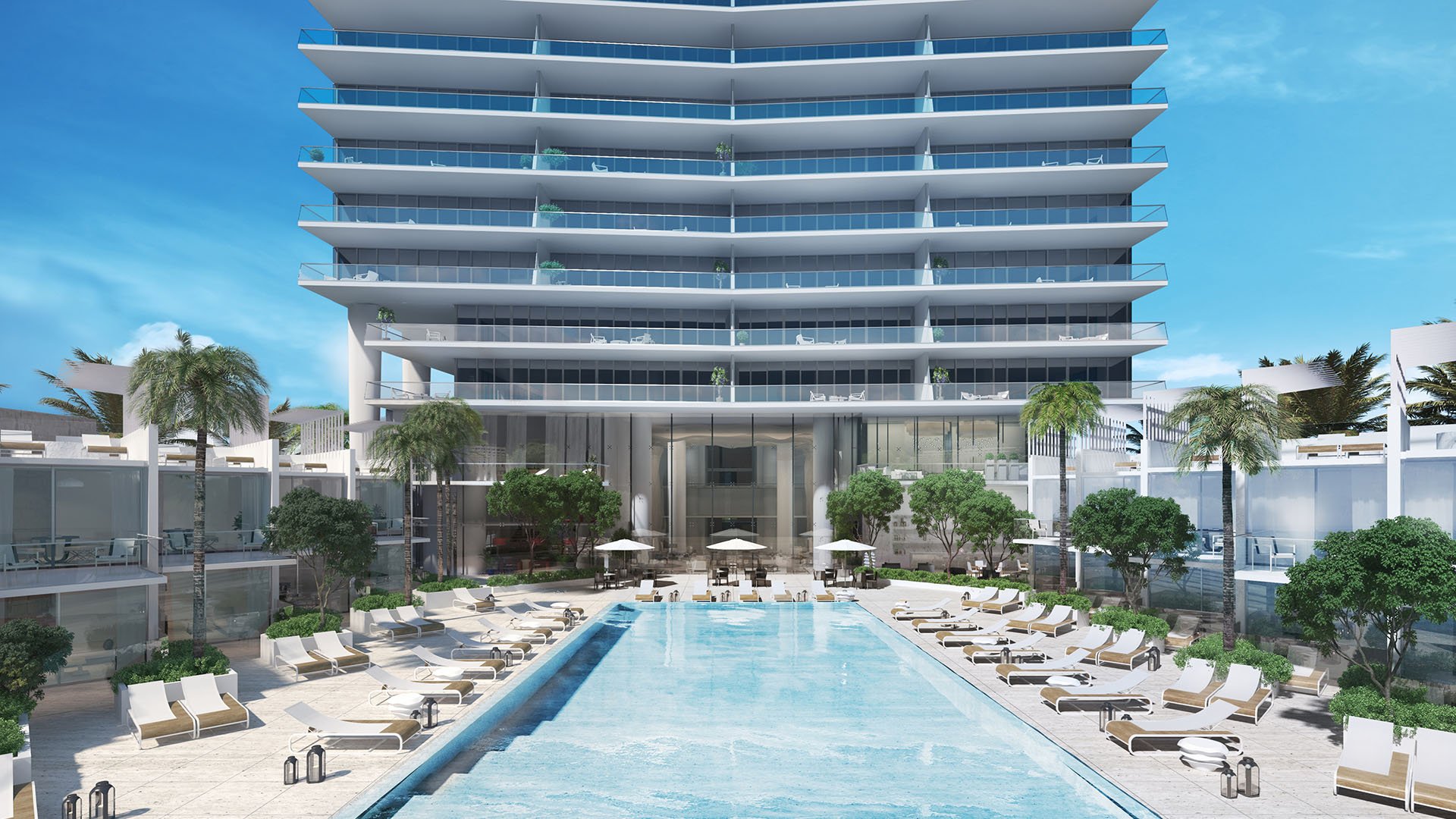
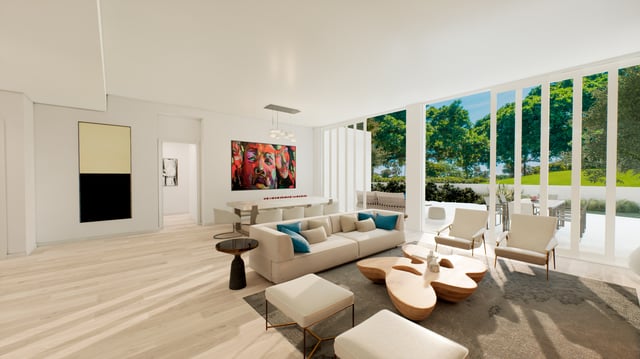
In South Florida’s luxury residential market, wellness amenities are no longer a nice-to-have. Buyers and residents increasingly evaluate a building’s fitness experience the way they evaluate a kitchen or a view: by outcomes, reliability, and the caliber of the people behind it. That means looking past glossy renderings and asking sharper questions about equipment selection, maintenance standards, space planning, and the credibility of any personal training partnership attached to the brand. This MILLION Luxury guide outlines a pragmatic framework for assessing fitness equipment and trainer relationships in new development and resale condos across Brickell, Miami-beach, Sunny-isles, and beyond. The goal is simple: distinguish amenities that will be used daily from those that will photograph well once, then quietly underperform.

The Logistics of Moving Exotic Car Collections to Sky Garages
A discreet, buyer-oriented guide to planning, insuring, and physically moving exotic vehicles into high-rise “sky garage” environments, with a South Florida lens.

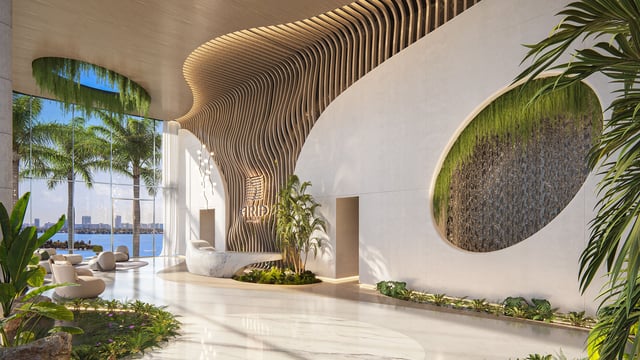
How to Evaluate the Pedigree of Starchitects in Resale Pricing
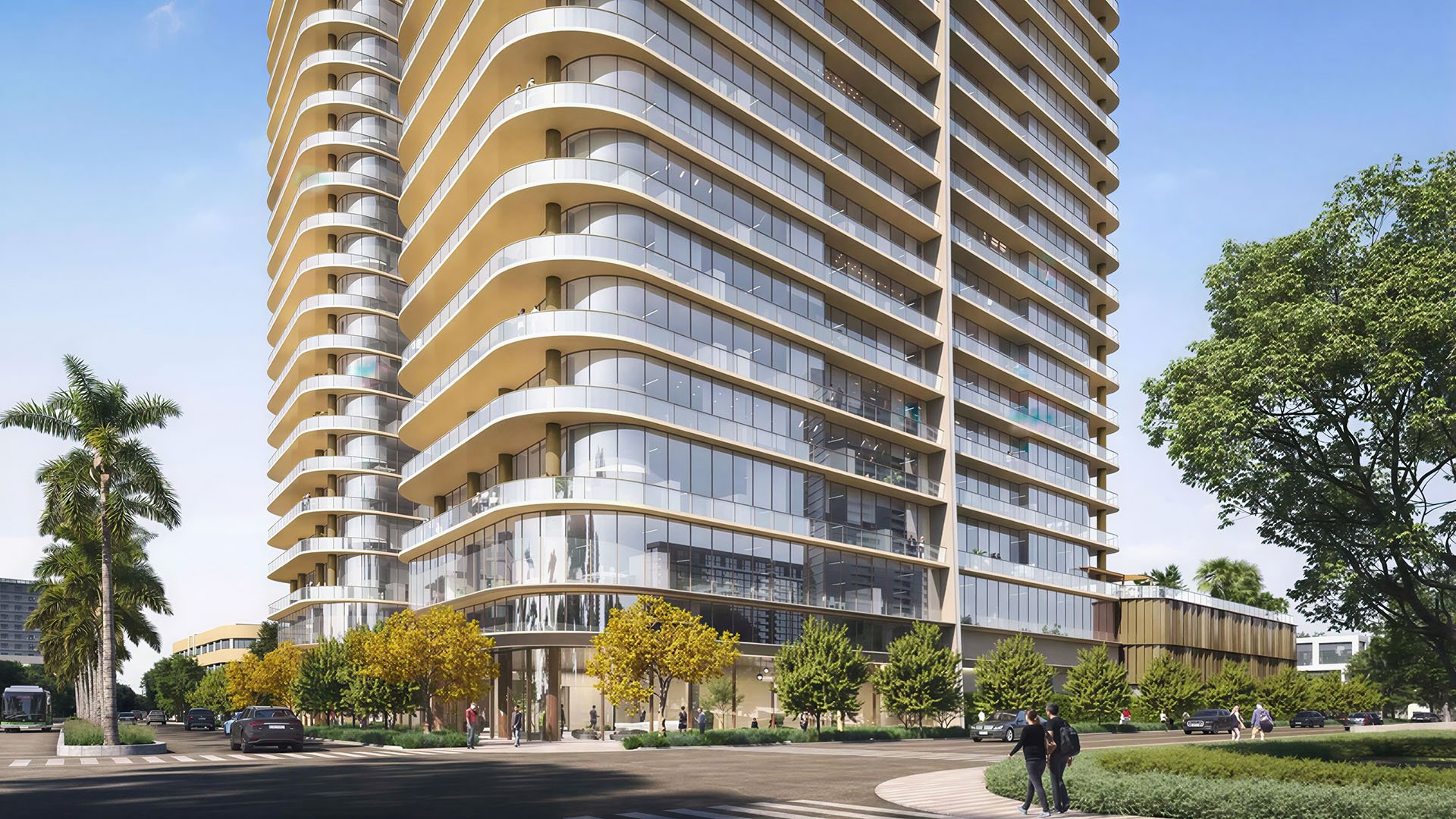
A discerning framework for South Florida buyers and sellers: how to separate true architectural pedigree from marketing, and how that pedigree can translate into resale resilience.

The Financial Logic of Retaining a Property as a Rental Asset vs Selling
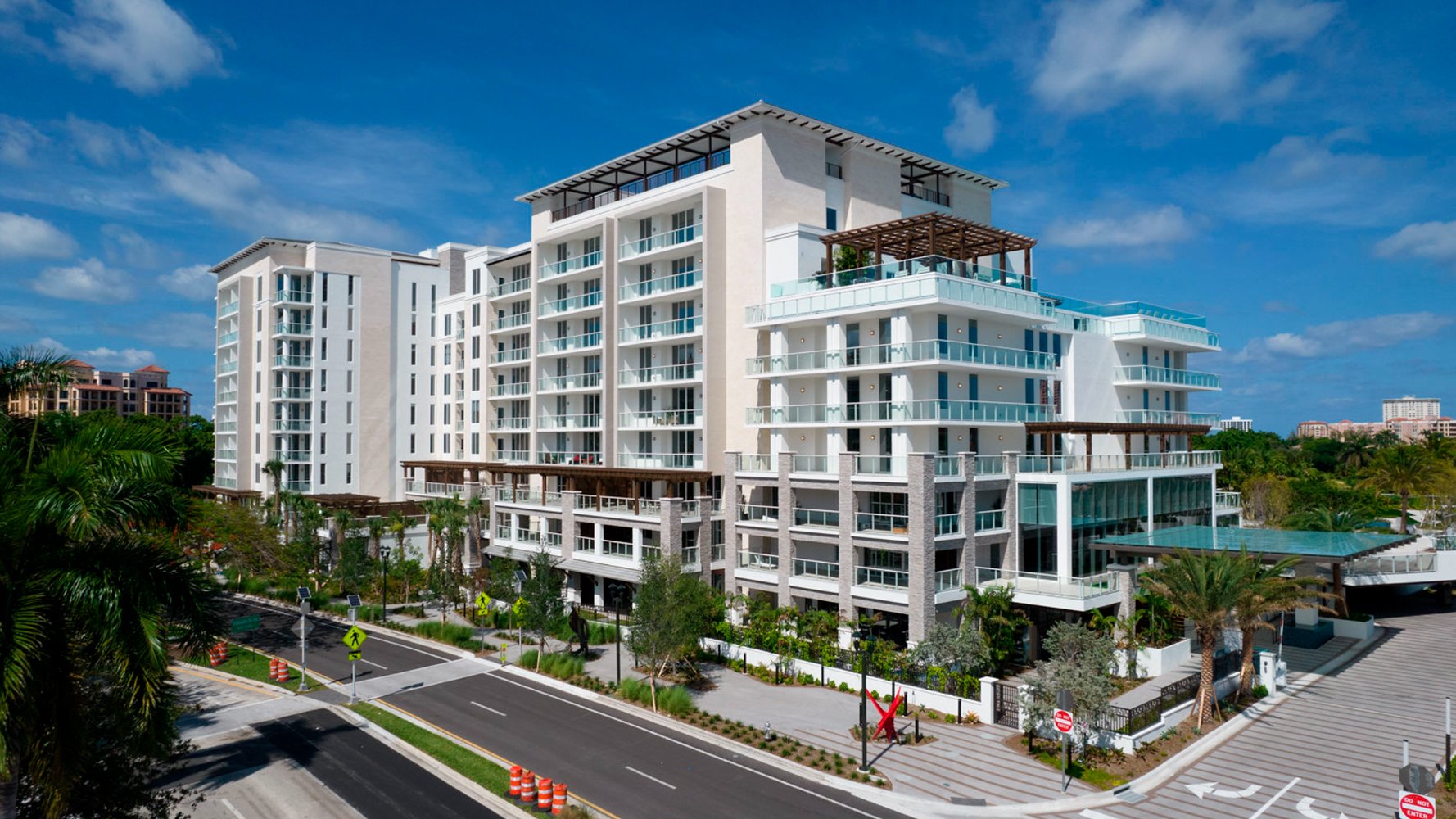
For South Florida’s luxury homeowner, the decision to sell a residence or retain it as a rental is less a binary choice than a capital allocation exercise. It sits at the intersection of cash flow, taxes, risk, lifestyle optionality, and the often underappreciated value of holding a scarce, well-located asset through market cycles. In prime coastal neighborhoods, selling can crystallize a gain and simplify the balance sheet. Retaining can convert a trophy residence into an income-producing holding with inflation-sensitive rent, potential long-term appreciation, and an embedded “return” that is as much strategic as it is financial: the ability to re-occupy, to pivot between long-term and short-term use where permitted, or to keep family access to a preferred lifestyle footprint. This editorial offers a disciplined framework, tailored to high-value properties, to compare hold versus sell without relying on generic rules of thumb.

The Importance of Motorized Shades and UV Glass Protection for Oceanfront Views
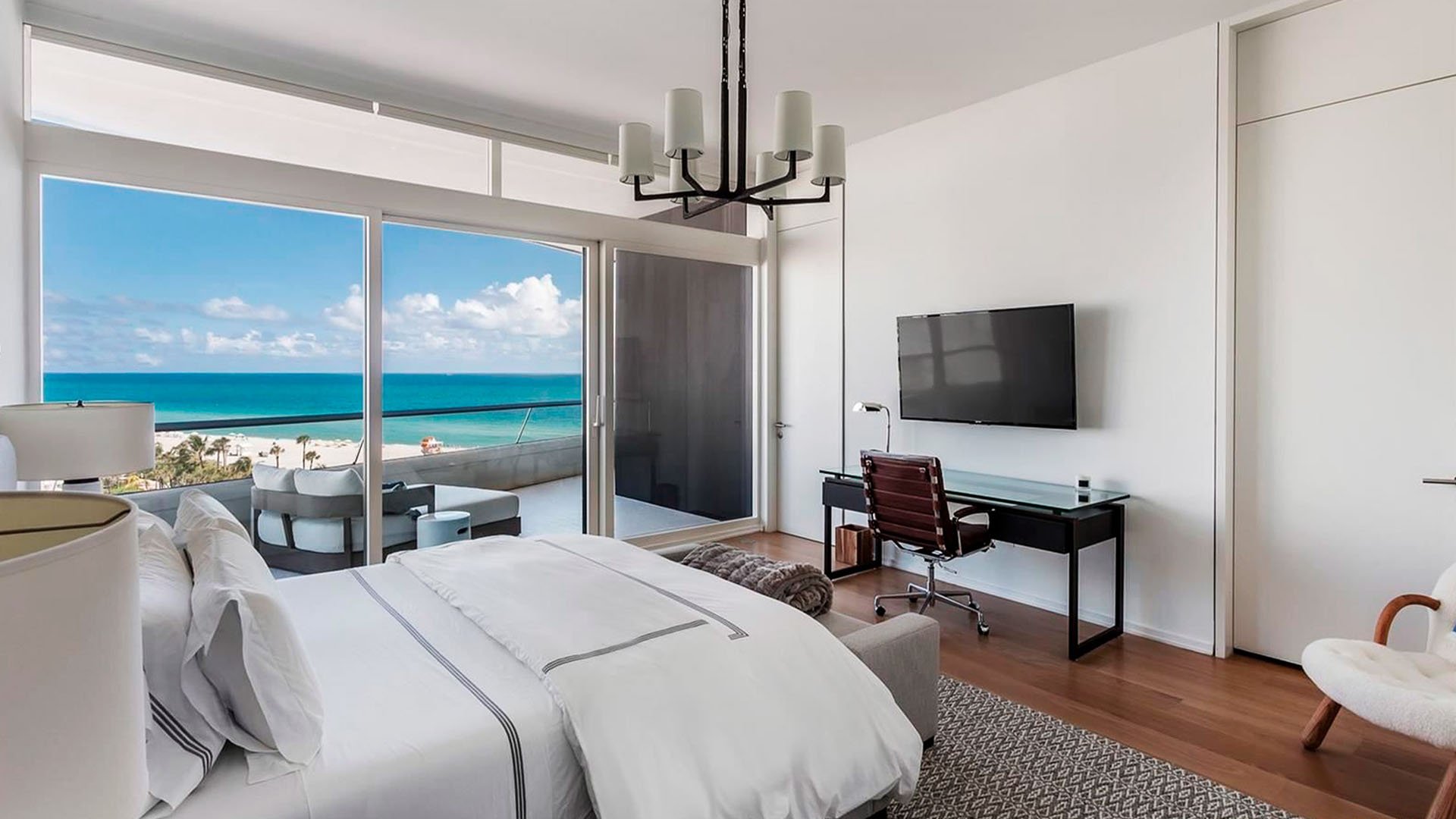
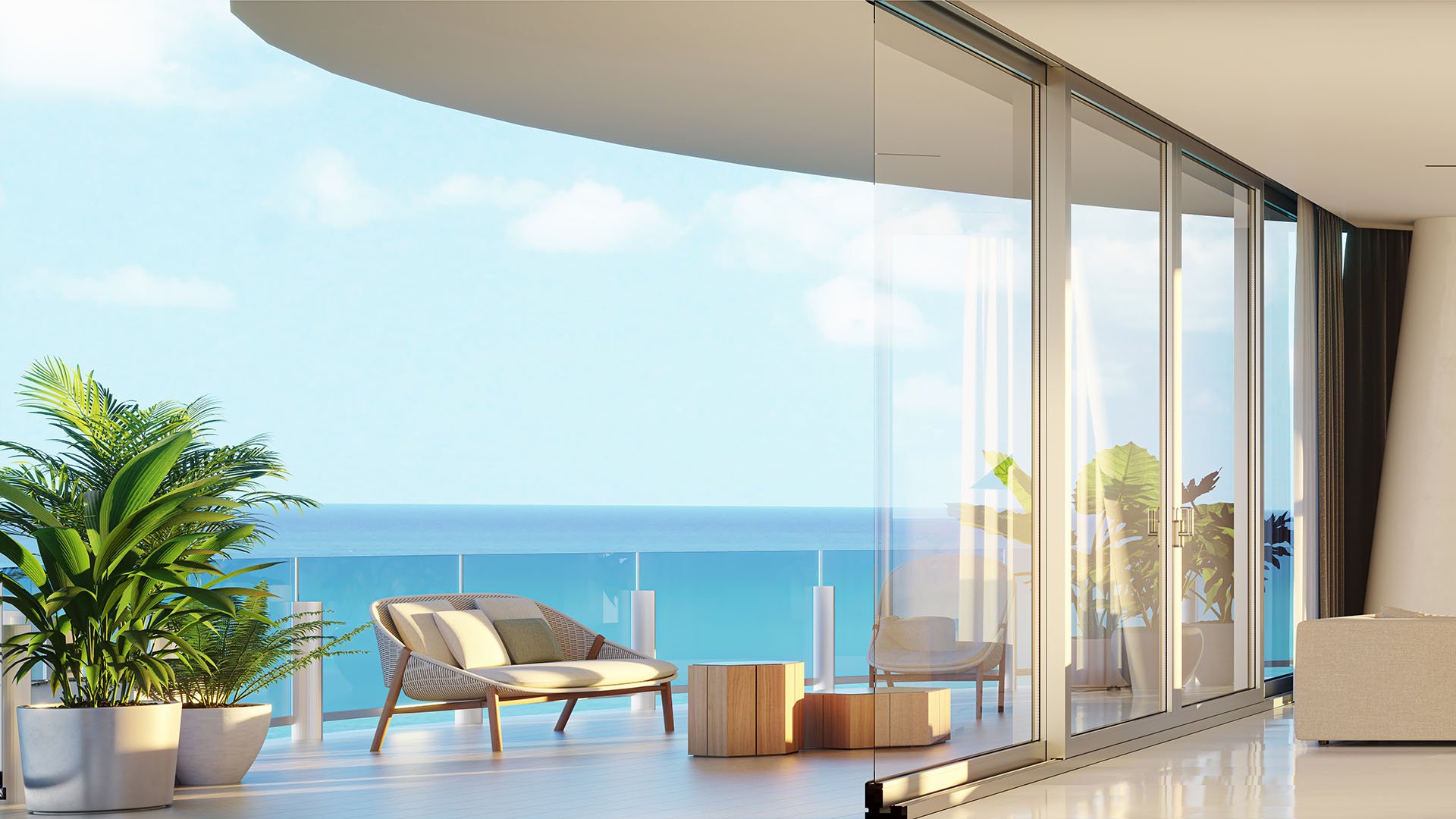
Oceanfront living is defined by light, reflection, and horizon lines. In South Florida, that same sun that animates an Atlantic view also drives heat gain, glare, and long-term fading. Motorized shades and UV-protective glazing are not decorative add-ons in a luxury residence; they are performance systems that protect interiors, preserve comfort, and allow owners to enjoy floor-to-ceiling glass without living behind closed curtains. For buyers evaluating new construction and resale in Miami Beach, Sunny Isles, Bal Harbour, and beyond, the conversation is practical: how to maintain the view while managing solar intensity, salt-air wear, and daily privacy needs. The best solutions blend architecture, automation, and materials so the home feels effortless at noon, golden hour, and late-night entertaining.

How to Navigate Appraisal Gaps in the South Florida Trophy Market
In South Florida’s trophy tier, appraisal is often less a verdict than a negotiation tool. When a contract price outruns the appraised value, the “gap” can threaten timelines, leverage, and privacy unless it is anticipated and structured for. This MILLION Luxury guide explains why gaps happen more frequently at the top end, how they impact financing and renegotiation, and which contract and underwriting strategies help sophisticated buyers close cleanly without overexposing cash or conceding unnecessary terms.