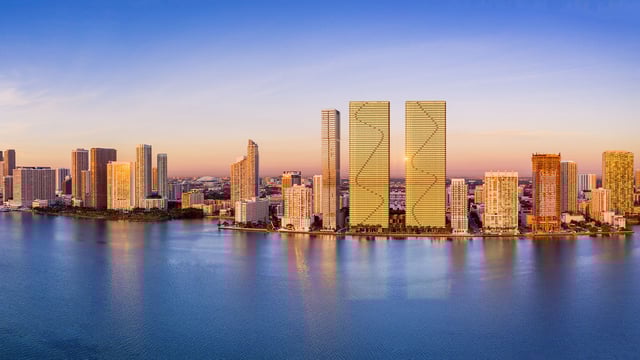
Why New York founders should understand insurance binder timing before signing in South Florida
For New York founders buying in South Florida, insurance binder timing can shape contract strategy, lender coordination, and closing confidence across luxury condos and waterfront homes.

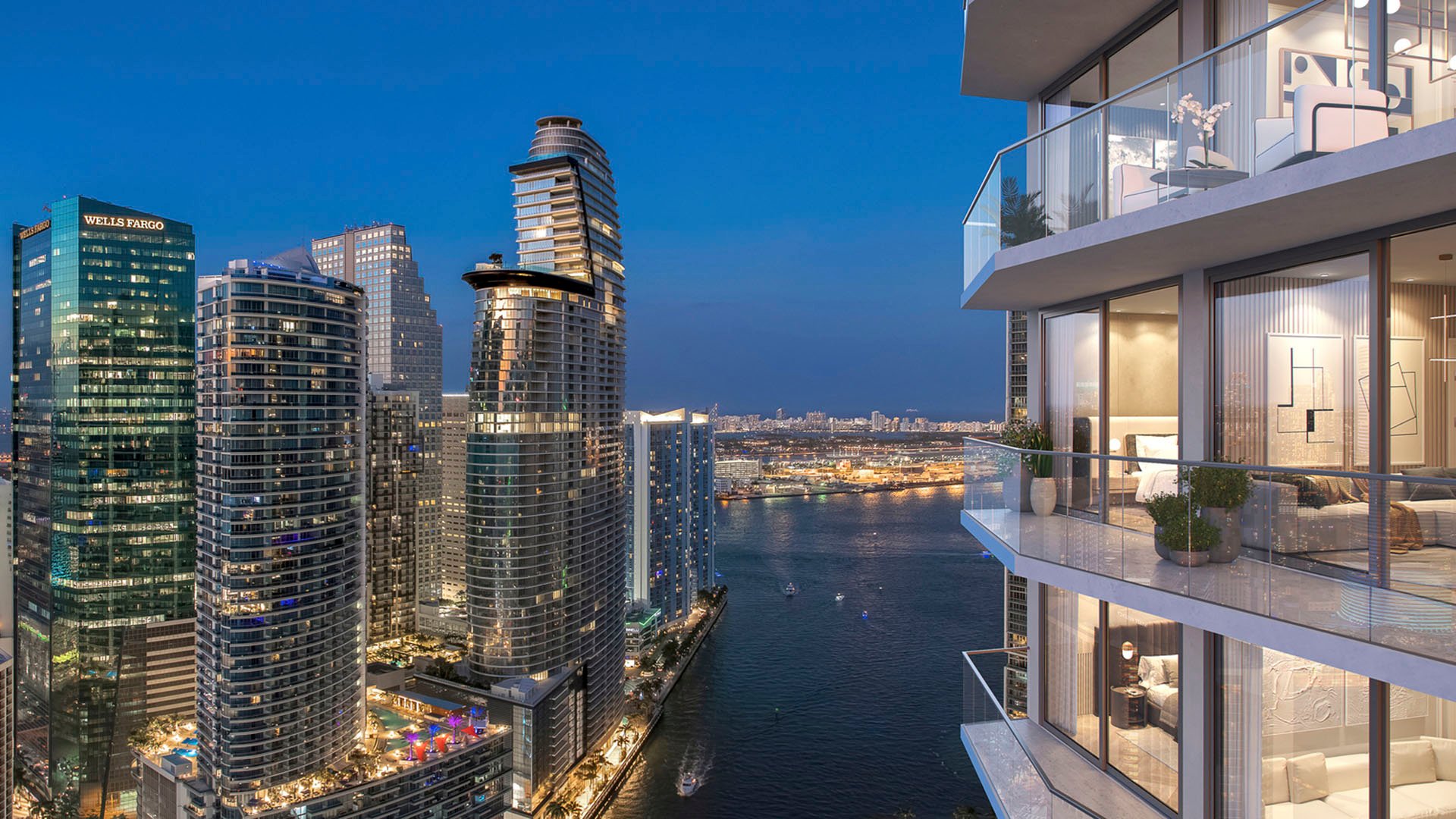
How Palazzo del Sol fits the conversation around low-friction luxury in Fisher Island
Palazzo del Sol shows how Fisher Island luxury is increasingly measured by ease, privacy, service coordination, and the quiet removal of daily residential friction.

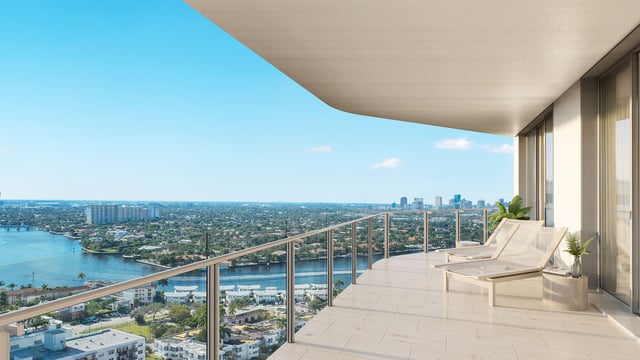
Why financed buyers should understand punch-list strategy before signing in South Florida
A practical guide for financed South Florida luxury buyers on negotiating punch-list rights before signing, separating cosmetic issues from financing risks, and coordinating inspections, insurance and lender review.

Family-office relocation: what buyers planning Florida domicile should understand before buying in South Florida
For family offices planning Florida domicile, the South Florida home purchase should be treated as part of a broader governance, privacy, liquidity and lifestyle strategy, not simply a property search.

Boston to Bal Harbour: how to choose a South Florida home around collector-grade art storage
A discreet guide for relocating collectors who want a South Florida residence that supports museum-minded storage, display, security, and day-to-day art logistics.
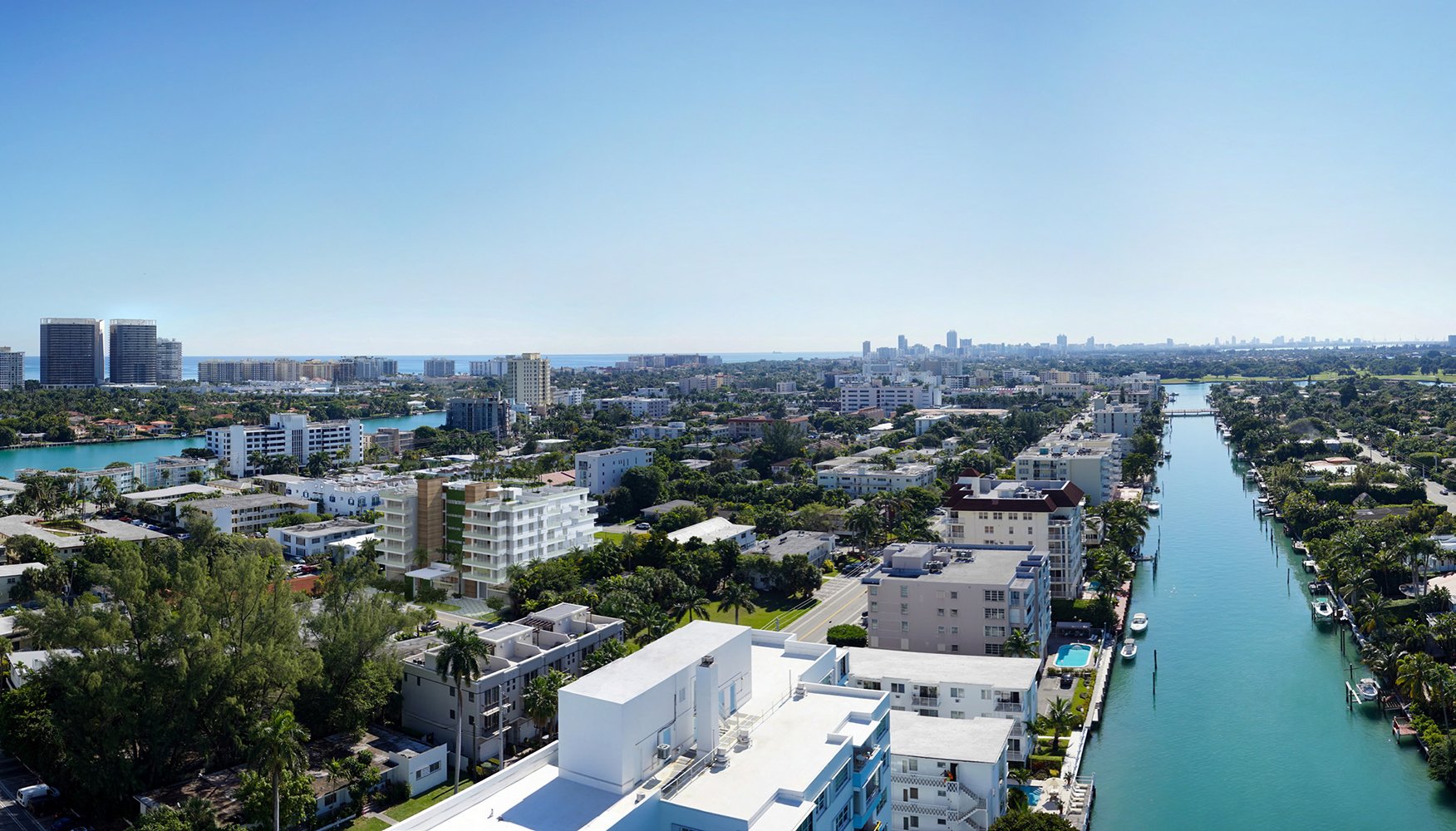
Why Latin American buyers should understand neighboring development risk before signing in South Florida
A discreet due diligence guide for Latin American buyers evaluating neighboring development risk before committing to a South Florida luxury residence.