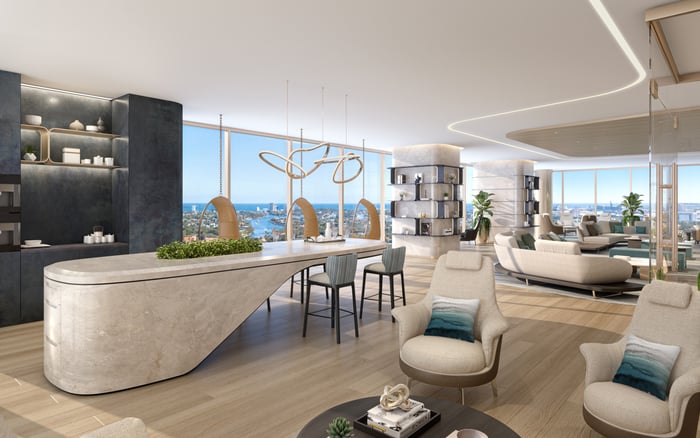
A disciplined resale strategy separates any property-wide brand premium from residence-specific value. Buyers should test views, layout, floor, carrying costs, operating quality, restrictions, and comparable resales before paying for scarcity.
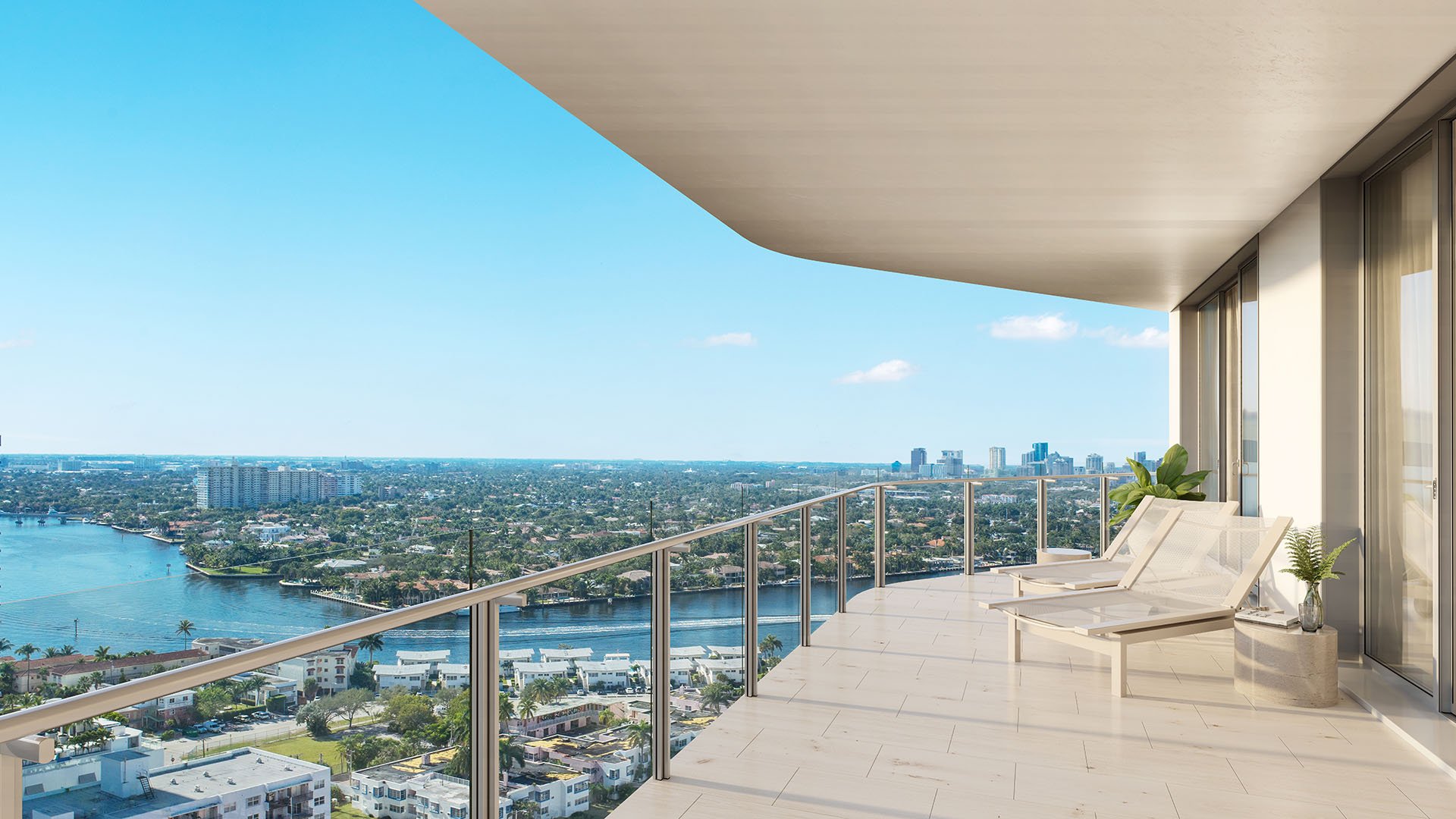
At Four Seasons Hotel & Private Residences Fort Lauderdale, a 2026 buyer should distinguish between any property-wide premium associated with the branded proposition and the additional amount sought for a favored line within the building.
The central question is not whether a preferred line deserves a premium in principle. It is whether that specific premium can be defended at resale after accounting for recurring costs, market conditions, and competing inventory.
This distinction is central to branded-residence resale analysis. The acquisition price is only the first entry in a longer ownership equation.
A defensible line premium should rest on attributes that remain clear to the next purchaser. Views, floor height, layout efficiency, and the residence’s positioning within the property all warrant close examination. An outlook that is difficult to replicate or a plan that uses interior space well may remain meaningful after current scarcity fades.
Inspect the residence at different times and consider how the experience might translate during a future showing. Is the view genuinely distinctive within the building? Does the floor enhance privacy or perspective? Is the layout intuitive, or does the nominal square footage include circulation space that is difficult to use? Could proximity to shared or hotel areas affect convenience, privacy, or quiet?
Rarity alone does not establish durable value. The strongest case arises when limited availability reflects an enduring physical advantage rather than temporary enthusiasm or a brief shortage of alternatives.
Price per square foot is an incomplete measure. Before comparing two residences, buyers should review the association budget, applicable service expenses, reserves, insurance costs, current assessments, and known capital obligations.
The analysis should calculate the incremental cost of the preferred line over the intended holding period, accounting for both the higher purchase price and recurring expenses. A superior line may remain the preferred choice, but that conclusion should withstand a realistic total-cost comparison rather than rely on the initial contract figure alone.
Use and rental restrictions also warrant review, even when income is not the primary objective. Such rules can affect flexibility and the future buyer pool. Buyers should also verify how any promised service experience is structured and delivered rather than assuming that branding alone will support resale value.
A proper comparison should begin within the building. Request recent closed sales by line, floor, view orientation, condition, and layout, together with days on market and price reductions. Active asking prices can frame seller expectations, but completed transactions provide a stronger test of what buyers have accepted.
The second comparison ring is the broader Fort Lauderdale luxury market. Nearby branded and non-branded inventory can help determine whether the requested premium is specific to the line, already reflected in the building, or partly attributable to the wider location. Relevant alternatives may include Auberge Beach Residences & Spa Fort Lauderdale and The Ritz-Carlton Residences® Fort Lauderdale, while St. Regis® Residences Bahia Mar Fort Lauderdale can provide another branded comparison.
Even a non-identical alternative can sharpen the analysis. Riva Residenze Fort Lauderdale may help a buyer distinguish residence and location value from the amount assigned to branding or a service platform. These properties are not automatic substitutes; they are reference points for testing assumptions.
A line premium may be easier to defend when the intended ownership period gives durable advantages time to influence resale. A short hold creates greater exposure to transaction friction, changing inventory, and shifts in luxury demand. A longer hold does not guarantee appreciation, but it can allow a superior view, efficient plan, and well-maintained ownership experience to remain evident through more than one market phase.
A preferred line may prove more resilient in a correction, but brand affiliation does not eliminate market risk. Treat downside protection and rental performance as hypotheses until building-specific records support them. A prudent offer should reflect verified evidence rather than an assumption that every premium paid today will be recovered later.
Before paying more for one line than another, write a concise investment case. Define the physical advantages, quantify the acquisition difference, estimate recurring ownership costs, and identify the evidence that a future purchaser is likely to value those advantages. Then test the case against recent sales, competing Fort Lauderdale inventory, and a less favorable exit environment.
The premium is most credible when the advantage is difficult to replicate, the layout has broad appeal, operating quality is consistent, and the holding period is appropriate. If the case depends primarily on limited availability, an ambitious asking price, or generalized brand prestige, the buyer should negotiate with greater restraint.
What is a premium line? It is a favored stack or residence type priced above other options because of attributes such as view, floor height, layout, or positioning.
Does the Four Seasons name guarantee resale appreciation? No. Branding may influence demand, but it does not eliminate market, operating, or carrying-cost risk.
Why can the premium be considered a second pricing layer? A building’s baseline resale pricing may already reflect its branded positioning, with the favored line priced above that level.
Which residence attributes are most defensible? Difficult-to-replicate views, efficient layouts, suitable floor height, and favorable positioning are among the most durable considerations.
Should buyers rely on price per square foot? No. It should be weighed alongside condition, view, layout, service expenses, assessments, reserves, insurance, and total ownership cost.
What resale records should a buyer request? Request recent closed sales by line, days on market, price reductions, and relevant differences in floor, view, condition, and plan.
How should active listings be used? They can indicate current seller expectations, but closed sales offer stronger evidence of market acceptance.
Do rental rules matter to a second-home buyer? Yes. Restrictions may affect flexibility, carrying-cost strategy, and the size of the future resale audience.
Can a superior line be more resilient in a correction? It may be, particularly when its advantages are scarce and enduring, but that possibility is not guaranteed downside protection.
When is paying the premium most reasonable? It is most reasonable when the advantages are durable, costs are understood, records support the price, and the planned holding period is appropriate.
If you'd like a private walkthrough and a curated shortlist, connect with MILLION.
If branded residences are on your mind — as a home or as an allocation — we would be glad to share what we are seeing, privately.
Begin a quiet conversation