For New York founders buying in South Florida, insurance binder timing can shape contract strategy, lender coordination, and closing confidence across luxury condos and waterfront homes.
For a New York founder buying in South Florida, the insurance binder is not a clerical afterthought. It is a timing instrument. It can affect loan conditions, deposit exposure, closing certainty, and the pace of negotiation well before a residence changes hands.
A binder is temporary evidence that coverage is in place, or has been accepted pending issuance of the full policy. In a market shaped by coastal exposure, hurricane-season sensitivity, lender scrutiny, condominium governance, and high-value finishes, the binder calendar deserves the same attention as title review, financing, and due diligence.
This is especially true for founders accustomed to New York transactions, where the rhythms of insurance, building review, and lender documentation may feel more predictable. South Florida rewards a different discipline: anticipate the coverage path before signing, then let the contract timeline reflect that reality.
Many New York buyers arrive with a strong sense of process. They are used to counsel-led contracts, board packages in some buildings, and precise financing milestones. What can be underestimated is how quickly insurance timing can become a gating item in South Florida.
The issue is rarely a single form. It is the sequence. A lender may need evidence of acceptable coverage. An insurer may need building details, wind mitigation information, flood-zone context, replacement-cost assumptions, prior loss history, or confirmation of association coverage. A buyer may need clarity on whether the master policy, unit policy, excess coverage, and personal property coverage all align with the intended use of the home.
For a founder managing capital calls, liquidity events, or a compressed relocation calendar, a late binder issue can turn an elegant purchase into an avoidable scramble. The goal is not anxiety. It is sequencing.
The cleanest South Florida acquisitions begin with a pre-contract insurance conversation. Before the purchase agreement is signed, the buyer should know who will quote the property, what documents will be requested, how quickly a binder might be available, and whether any calendar-sensitive constraints could affect binding.
This matters across property types. A waterfront single-family home may raise different questions than a new tower residence. A condominium purchase may involve both the building’s master insurance program and the buyer’s unit-level coverage. A pre-construction contract may introduce future insurance questions that differ from an immediate resale closing.
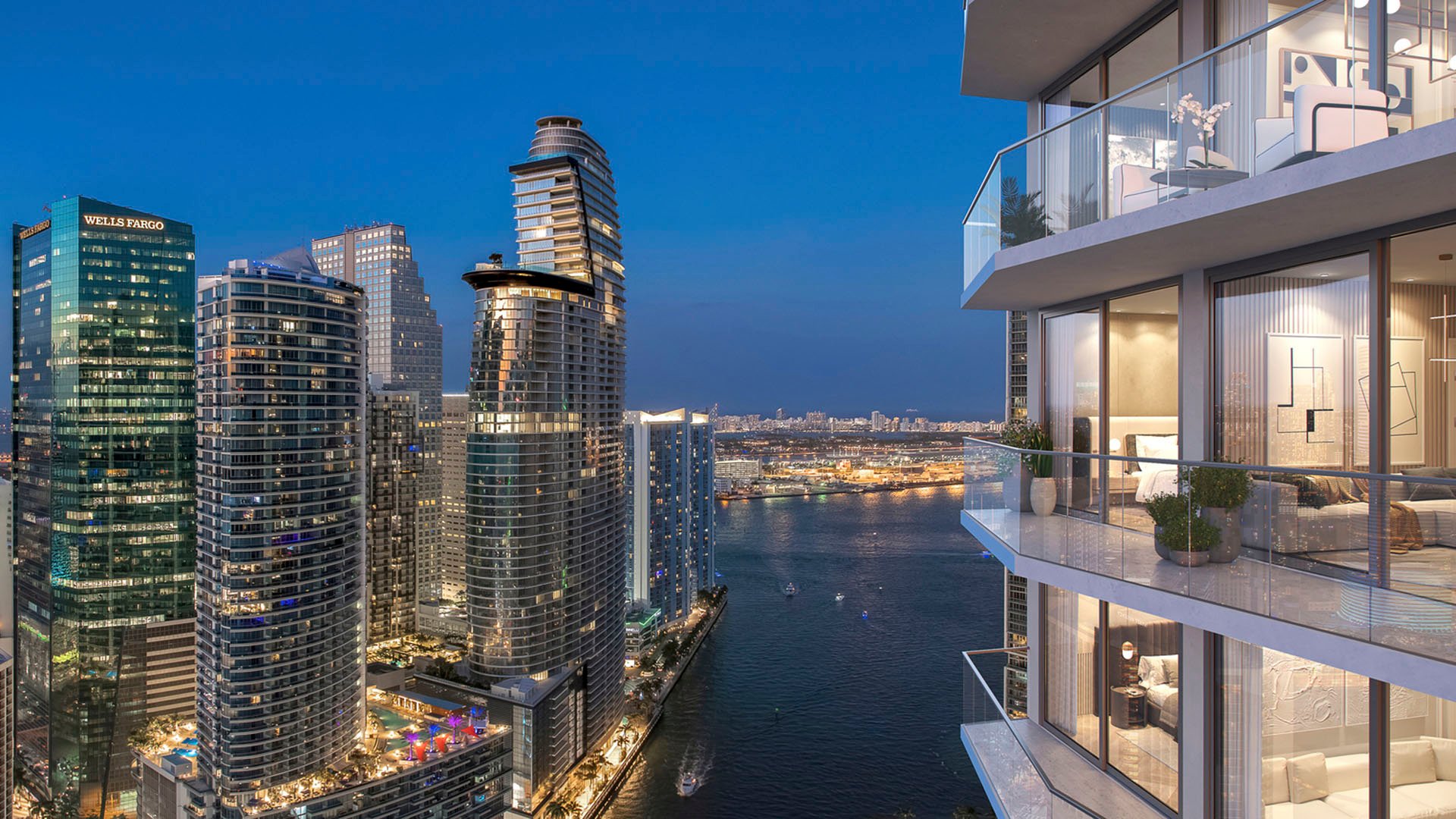
In Brickell, where lender-driven condominium transactions often move on sophisticated timelines, buyers evaluating St. Regis® Residences Brickell should treat insurance documentation as part of the same diligence file as budgets, association materials, and financing conditions. It is less about paperwork than preventing timing gaps.
A common misunderstanding is that a condominium association’s master policy settles the insurance conversation. It does not. The master policy may address the building, common elements, and association-level obligations, while the buyer’s personal coverage may need to address interior improvements, contents, liability, loss assessment exposure, and lender requirements.
Luxury residences add another layer. Custom millwork, stone, imported fixtures, smart-home systems, private terraces, and collectible contents can complicate coverage assumptions. A founder buying a residence as a primary home may have different needs than one purchasing a second home or investment property.
In Miami Beach, the insurance review for a coastal condominium such as The Perigon Miami Beach should be framed early, particularly when the buyer expects a highly finished interior, meaningful personal property coverage, or financing that requires specific evidence before closing.
South Florida buyers should understand that carrier appetite and binding availability can become more sensitive when storm activity is present or expected. Binding pauses, underwriting holds, or additional review requests can compress an already short contract period.
That does not mean buyers should avoid the market during hurricane season. It means the calendar needs more respect. If a contract has a tight inspection window, a hard financing deadline, or a deposit becoming non-refundable before insurance clarity is obtained, the buyer may be assuming more timing risk than intended.
The most disciplined approach is to treat insurance like a closing condition with its own owner. Counsel should understand the binder timeline. The lender should communicate documentation requirements early. The insurance advisor should have the property information before the transaction is fully underway.
South Florida is not one insurance conversation. A bayfront condominium in Bay Harbor Islands, an oceanfront residence in Sunny Isles Beach, a riverfront address in Fort Lauderdale, and a boutique building in West Palm Beach may each invite a different underwriting review.
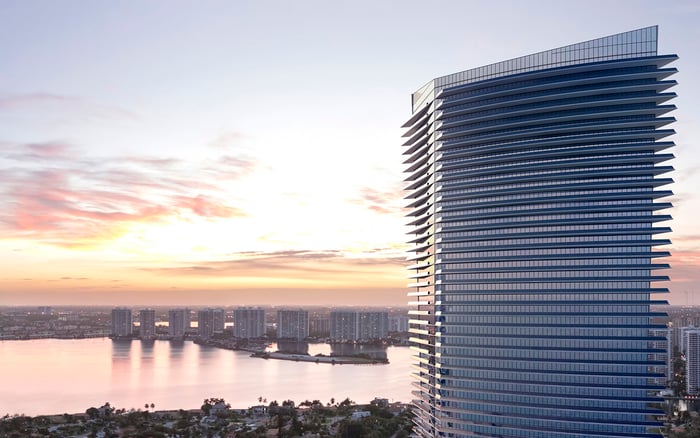
In Sunny Isles Beach, buyers considering a vertical luxury residence such as Bentley Residences Sunny Isles should think about coastal exposure, building-level documentation, and lender evidence as connected pieces. In Fort Lauderdale, a buyer reviewing Four Seasons Hotel & Private Residences Fort Lauderdale may be balancing lifestyle priorities with a precise closing schedule and building documentation review. In West Palm Beach, residences such as Alba West Palm Beach may appeal to buyers seeking a different waterfront rhythm, but insurance timing should still be addressed before assumptions harden.
This is why insurance timing belongs in the buyer’s guide conversation rather than the back-office file. It informs offer structure, financing confidence, and closing discipline.
Founders tend to think in terms of downside protection, execution risk, and opportunity cost. That mindset translates well to South Florida real estate. The key is to align the contract with the underwriting path.
Ask whether the insurance advisor can review the listing materials before offer submission. Confirm what the lender will require. Understand whether the association documents are available quickly. Build enough time for quote review, binder issuance, and any clarifying questions. If a property is unique, newly completed, unusually improved, or exposed to coastal conditions, avoid assuming a standard timeline.
The best luxury acquisition feels effortless because the invisible work was done early. Insurance binder timing is part of that invisible work.
What is an insurance binder? It is temporary evidence that insurance coverage has been accepted or placed while the full policy is being issued.
Why does binder timing matter before signing? Because lender approval, deposit timing, and closing readiness may depend on acceptable evidence of coverage.
Is South Florida different from New York? Yes. Coastal exposure, storm-season sensitivity, and condominium insurance structures can make the timing more complex.
Can a condo master policy be enough? Usually not for a buyer’s full needs. Unit coverage, liability, contents, and lender requirements may still apply.
Should cash buyers care about binders? Yes. Even without a lender, coverage timing can affect risk management from the moment ownership transfers.
When should the insurance advisor be involved? Ideally before the offer is finalized, especially for waterfront, high-value, or highly customized properties.
Can hurricane season affect binding? It can. Buyers should allow for the possibility of carrier pauses, extra review, or tighter timelines.
What documents may be useful early? Building insurance details, association materials, property specifications, lender requirements, and improvement information may all help.
Does this apply to pre-construction purchases? Yes, although the timing may differ. Buyers should understand what will be needed before closing is scheduled.
What is the best way to shortlist comparable options for touring? Start with location fit, delivery status, and daily lifestyle priorities, then compare stacks and elevations to validate views and privacy.
For a tailored shortlist and next-step guidance, connect with MILLION.
If branded residences are on your mind — as a home or as an allocation — we would be glad to share what we are seeing, privately.
Begin a quiet conversation