A practical guide for financed South Florida luxury buyers on negotiating punch-list rights before signing, separating cosmetic issues from financing risks, and coordinating inspections, insurance and lender review.

For a cash buyer, a punch list can feel like a matter of taste: a scratched panel, a misaligned door, or a light fixture that needs attention. For a financed buyer in South Florida, it can be more consequential because unresolved items may affect lender comfort, insurance readiness, occupancy timing, and the buyer’s ability to require repairs before closing.
The central lesson is simple: leverage is strongest before the purchase agreement is signed. Once the buyer signs, the practical ability to delay closing, demand an escrow, or insist that specific work be completed is largely controlled by the agreement itself and the advice of the buyer’s professional team.
That is why sophisticated buyers treat punch-list language as part of the financial structure of the acquisition, not as a housekeeping item. In pre-construction and new-construction purchases, especially in markets such as Brickell, Miami Beach, and Broward, the question is not only whether the residence appears complete. It is whether the contract gives the buyer a disciplined path for identifying, classifying, and resolving defects before the lender is asked to fund.
The best punch-list clause does more than state that the seller will fix items after closing. It should define inspection access, timing, notice procedures, categories of defects, documentation standards, completion expectations, and any conditions under which closing can be postponed or funds can be held back, subject to the parties’ agreement and lender approval.
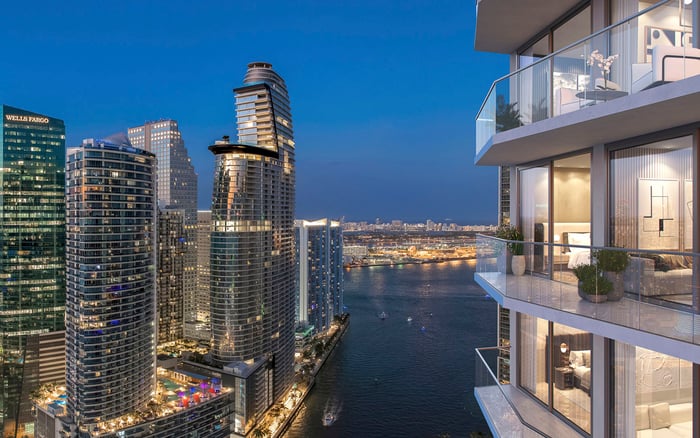
Buyers considering a tower such as St. Regis® Residences Brickell should treat the purchase agreement as the operating manual for the final period before closing. If the agreement gives the seller broad discretion to determine what is ready for closing, the buyer may have limited room to argue that a problem should stop the closing. If it distinguishes cosmetic items from material defects, the buyer has a more useful framework.
Warranty rights and immediate punch-list repairs should not be treated as the same thing. A later warranty process may not provide the same leverage as a clearly negotiated pre-closing remedy for a defect that could affect habitability, safety, insurability, or financing.
A financed buyer should sort punch-list items into a clear hierarchy. At the lowest level are cosmetic imperfections: paint touch-ups, cabinetry adjustments, appliance trim, stone polishing, or minor hardware alignment. These may be irritating, but they are usually easier to document and complete after closing if the contract and lender permit.
The next level includes functional defects: HVAC performance, plumbing leaks, electrical issues, appliances that do not operate as intended, balcony drainage problems, nonfunctioning smart-home systems, or incomplete life-safety components. These are more serious because they may affect the lender’s view of the collateral, the insurer’s willingness to bind coverage, or the buyer’s willingness to accept possession.
The highest level involves occupancy, structure, water intrusion, envelope integrity, roofing, impact glazing, exterior doors, permitting, and insurance. For financed buyers, those issues deserve early attention because they can become closing concerns rather than simple finish items.
Luxury buyers often focus on view corridors, terraces, imported surfaces, and amenity programming. Lenders focus on the collateral. If a deficiency appears to affect safety, soundness, condition, or marketability, it may become more than a design concern.
That is why a final walkthrough should not be treated as a design review. It should be coordinated with counsel, the inspector or engineer, the insurance agent, and the lender. If a defect could affect collateral condition, the buyer needs to know before the closing file is under time pressure.
Financing standards can also treat postponed work carefully. A holdback is not something the buyer can assume will be accepted. It should be discussed with lender input before the contract hardens and before closing deadlines become a problem.
For buyers comparing urban waterfront residences such as Aston Martin Residences Downtown Miami, the lesson is practical: the more complex the building, the more important it becomes to separate aesthetic completion from financeable completion.
In South Florida, the exterior envelope is not a secondary issue. Wind exposure, water intrusion, and impact protection are central to how buyers should evaluate a residence. Windows, exterior doors, roof systems, anchoring, and related exterior components should be treated as priority categories during review.
For a Miami Beach buyer looking at a residence such as The Perigon Miami Beach, an improperly operating impact door or evidence of water intrusion is not merely an inconvenience. It belongs in a higher category than a scratched baseboard. The buyer’s team should verify that exterior-component issues are documented clearly and escalated promptly.
The same logic applies along the Broward coast, whether the buyer is studying oceanfront inventory or a new resort-style residence such as Rosewood Residences Hillsboro Beach. The climate rewards precision. A luxury finish package cannot compensate for unresolved water, wind, or envelope questions.
Property insurance is not optional for a financed acquisition. The lender will require acceptable insurance for the real estate collateral, and flood-related questions may become part of the closing conversation depending on the property, loan, and insurance review.
This is where punch-list strategy intersects with risk management. If a defect affects insurability, the buyer needs to identify it early enough for the insurance agent and lender to respond. A last-minute discovery can collide with closing conditions and create avoidable pressure.
For high-value coastal purchases, including branded and design-forward residences such as Bentley Residences Sunny Isles, buyers should ask a basic question before the walkthrough: what defects would make the lender or insurer pause? That answer should shape the inspection checklist.
Financed condominium buyers should also look beyond the residence itself. Condo project standards can affect mortgage review at the project level, not only at the unit level. Common elements, structural condition, association obligations, and reserve planning may matter to the buyer’s lender and counsel.
A buyer reviewing building-condition issues should not ignore project documentation. Broader building and association questions can influence long-term repair planning, project confidence, and the lender’s comfort with the file.
The practical advice is consistent: ask counsel and the lending team to review not only the unit punch list, but also the broader project documentation that can affect eligibility, timing, and confidence.
The most effective financed buyers reverse the usual order. They do not wait for the final walkthrough to discover the lender’s concerns. They negotiate punch-list rights before signing, schedule inspections early, invite lender feedback before deadlines compress, and ask the insurance agent to flag coverage issues in advance.
A strong sequence looks like this: define contractual repair rights first, inspect with a hierarchy of defects, escalate material items immediately, confirm whether any incomplete work affects collateral or insurance, and document every agreed repair in writing. Cosmetic items can often be managed. Material defects deserve formal attention.
The goal is not confrontation. It is clarity. In South Florida luxury real estate, the most elegant closing is the one where the buyer’s design expectations, legal rights, financing conditions, and insurance obligations have all been aligned before pressure arrives.
Should a financed buyer negotiate punch-list terms before signing? Yes. Once the agreement is signed, the buyer’s repair leverage is mostly governed by the contract language.
Are cosmetic punch-list items usually financing problems? Minor cosmetic items are generally less serious than defects involving safety, structure, water intrusion, insurance, or occupancy.
Why does occupancy status matter? Occupancy status can affect whether the buyer, lender, and insurer are comfortable proceeding with closing.
Can a lender object to unfinished repairs? Yes. If a deficiency affects the lender’s view of the collateral, it can become a closing issue.
Are escrow holdbacks automatic for unfinished work? No. Any holdback should be reviewed with the lender and negotiated before the buyer relies on it.
Why are windows and exterior doors so important in South Florida? Wind, water, and envelope performance are central concerns in coastal South Florida residences.
Should buyers rely on warranty rights instead of pre-closing repairs? Not for major issues. Warranty rights and immediate punch-list remedies serve different purposes.
Can insurance issues delay a financed closing? Yes. Insurance concerns can become lender conditions before funding.
Do condo common elements matter to a unit buyer’s loan? Yes. Project-level standards and broader building issues may affect the lender’s review.
Who should review punch-list strategy before closing? Counsel, the inspector or engineer, the insurance agent, and the lender should coordinate before the final walkthrough.
To compare the best-fit options with clarity, connect with MILLION.
If branded residences are on your mind — as a home or as an allocation — we would be glad to share what we are seeing, privately.
Begin a quiet conversation