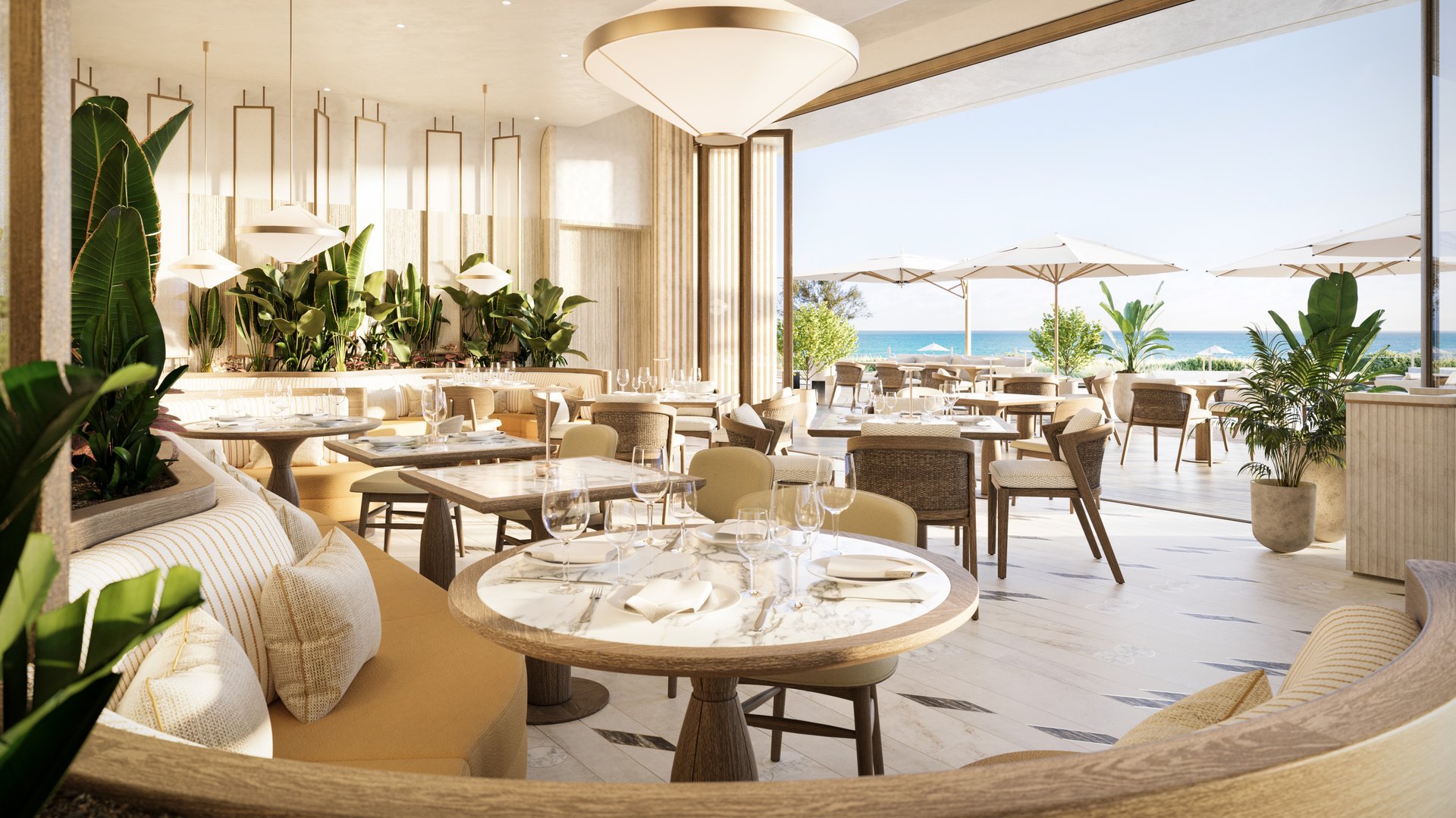
Evaluating the Impact of Michelin-Starred Restaurants on Condo HOA Fees
A discreet, buyer-oriented framework for understanding how Michelin-caliber dining programs and hotel-style food and beverage operations can influence condominium HOA budgets, reserves, and long-term resale positioning in South Florida.
Assessing the Viability of Bitcoin and Cryptocurrency in Ultra-Luxury Closings
Crypto can be part of an ultra-luxury purchase, but it is rarely a literal “wallet-to-seller” closing. In South Florida, the most viable path is treating digital assets as a source of funds that are converted to U.S. dollars well before closing, with disciplined documentation, tax planning, and bankability. The real question for buyers and sellers is not whether crypto is real wealth, but whether it can clear compliance, timing, and title requirements without introducing avoidable volatility or reputational risk.

Evaluating Sound Transmission Class Ratings in Brickell High-Rises
In Brickell’s vertical neighborhoods, quiet is a design choice that can be measured. Sound Transmission Class (STC) ratings offer a disciplined way to evaluate how well walls, doors, and glazing resist airborne noise, but the number only matters when you understand what is being tested and what is not. This MILLION Luxury guide explains how to read STC ratings in the context of Brickell high-rises, what to ask for during due diligence, and which details typically separate a serene residence from one that simply photographs well.

Evaluating Natural Stone vs Composite Materials in Coastal Environments
In South Florida, the decision between natural stone and composite surfaces is less about taste and more about coastal physics: salt, sun, wind-driven rain, and constant cleaning. For luxury residences, the best outcomes come from matching the material to the microclimate, selecting the right finish, and specifying detailing that keeps water out and maintenance predictable.

Evaluating the Speed and Redundancy of Elevator Systems in Supertall Towers
In a supertall tower, elevator performance is not a convenience feature. It is core life-safety infrastructure, a daily quality-of-life metric, and a quiet determinant of resale desirability. For South Florida buyers who prioritize privacy, punctuality, and predictability, the right question is less “How many elevators?” and more “How does the entire vertical-transportation system behave under peak demand, storms, maintenance, and human error?” This MILLION Luxury guide lays out what to evaluate: speed and travel time, the presence and design of sky lobbies and destination dispatch, redundancy of power and controls, service-elevator separation, and the operational culture that keeps all of it working. The goal is to help you read beyond marketing language and understand what a well-engineered, well-managed elevator ecosystem looks like in a true high-rise.

Ponce Park Coral Gables vs The Village at Coral Gables: Integration of Public Plazas and Private Parks
In Coral Gables, the line between civic life and residential quiet is increasingly drawn by landscape. This editorial compares two distinct approaches to outdoor design at Ponce Park Coral Gables and The Village at Coral Gables, focusing on how public plazas and private parks shape daily routines, security, value, and long-term livability for luxury buyers.