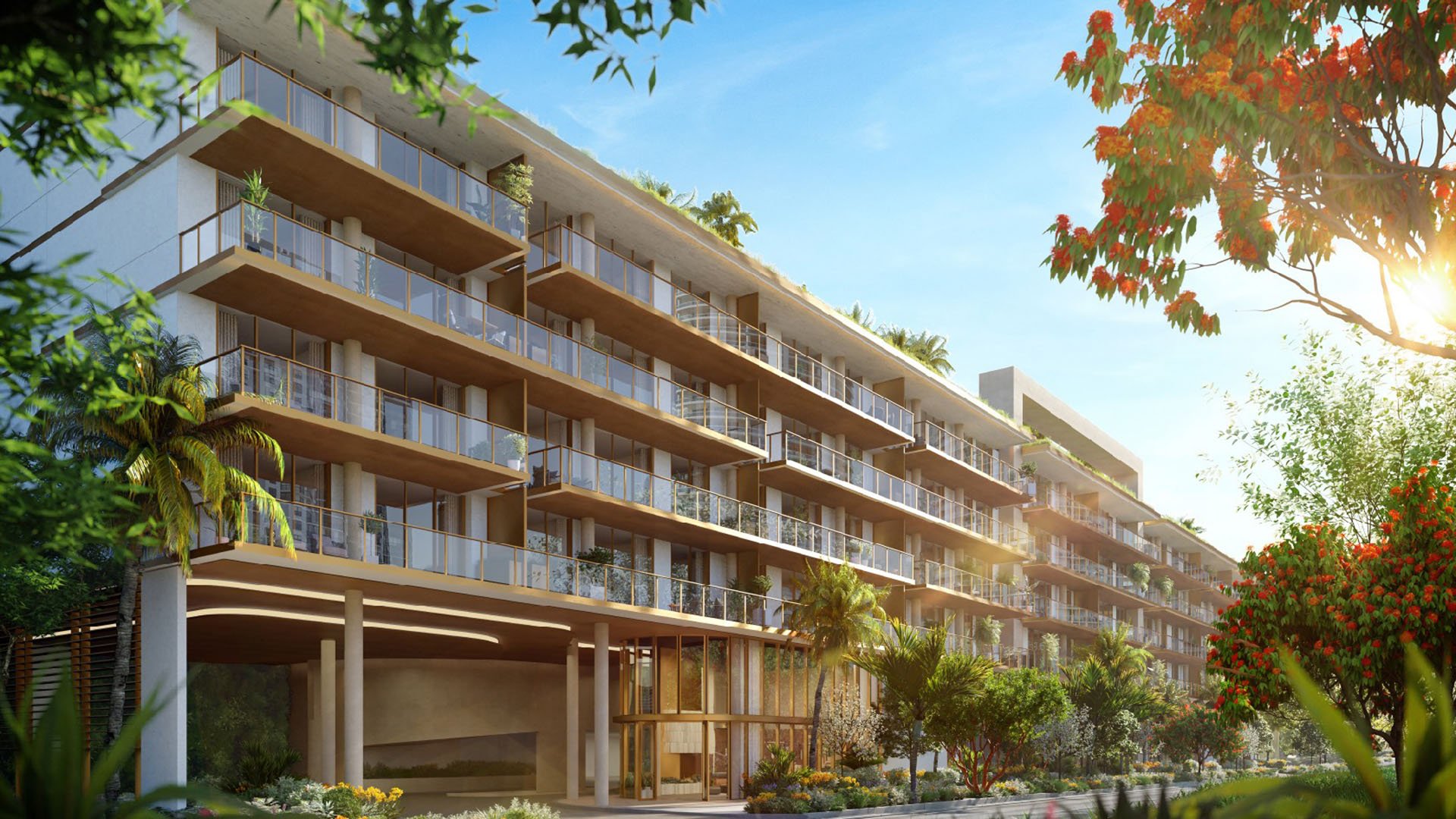
2200 Brickell for Buyers Who Want Brickell Without the Elevator-Stacked Tower Experience
2200 Brickell speaks to a quieter luxury preference inside Miami’s most vertical neighborhood: Brickell access, restaurants, retail, and financial-district convenience, paired with a more intimate residential experience than the typical high-rise tower routine.
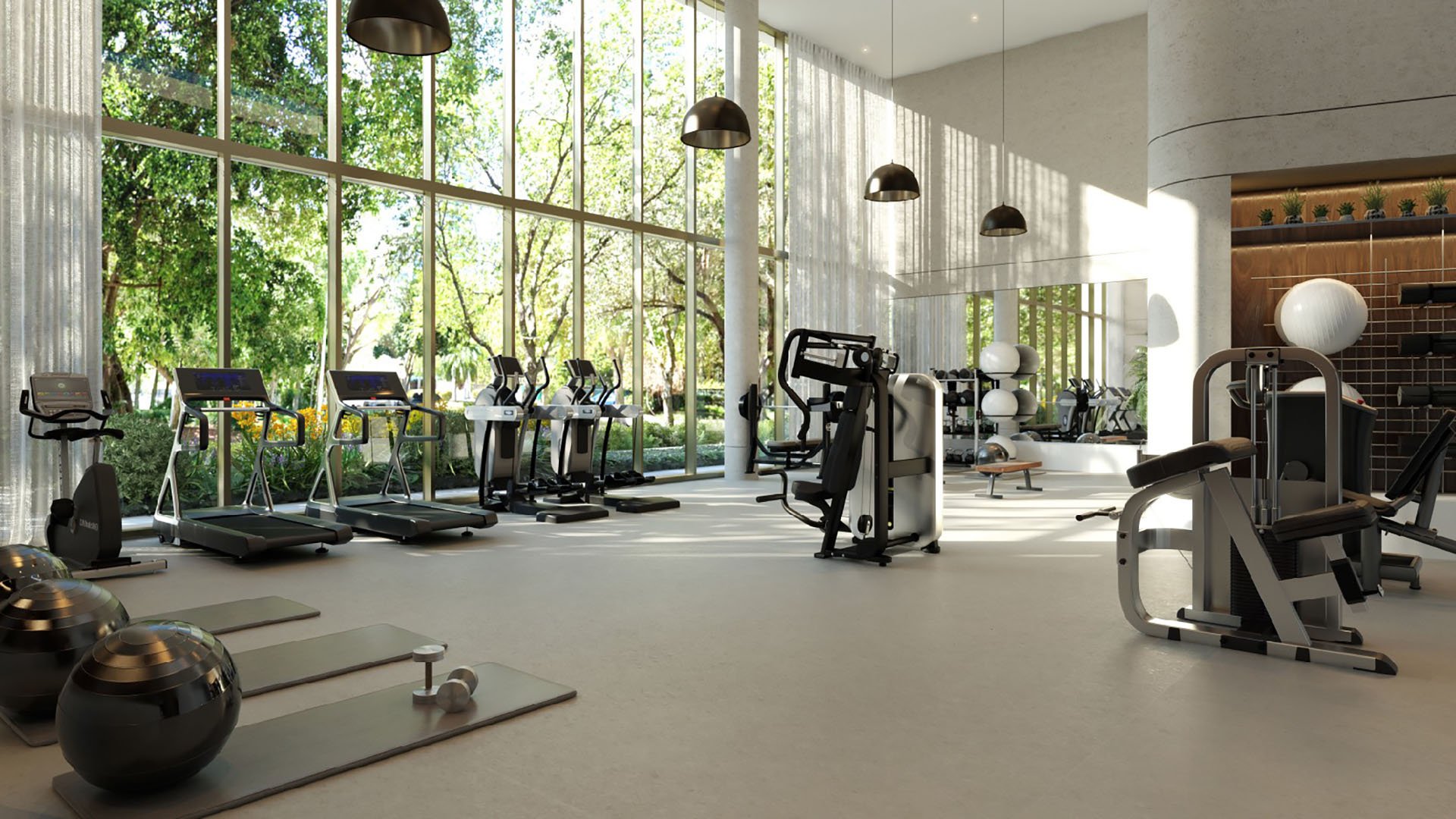
Brickell Wellness Amenities: Why High-Performance Buyers Want More Than a Gym
In Brickell, wellness has moved beyond the fitness center. High-performance buyers are evaluating recovery, privacy, service, air, light, water, and daily rhythm as part of the luxury residential decision.
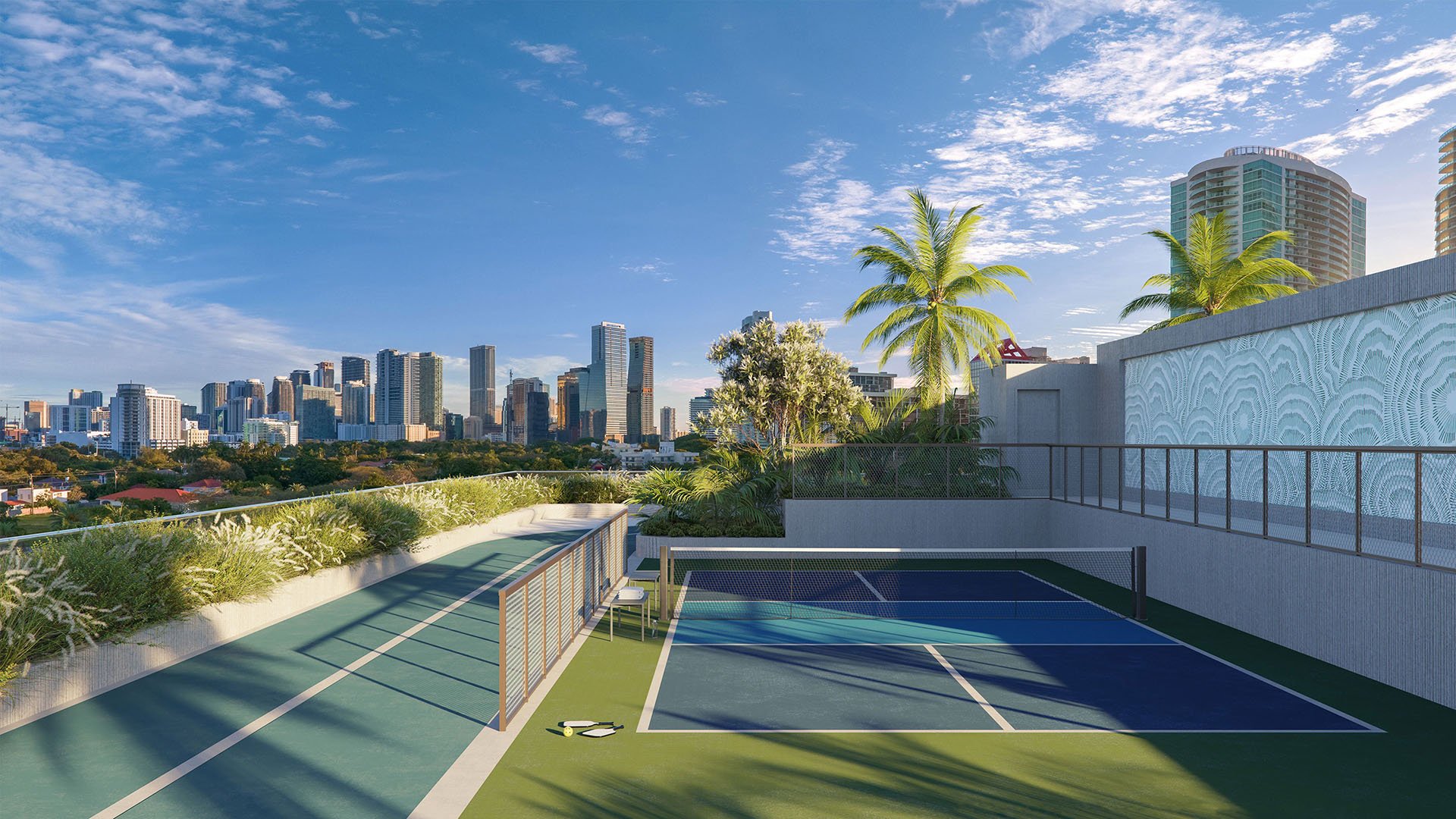
House of Wellness Brickell vs 2200 Brickell: Wellness-First Living or Boutique Brickell Convenience
A discreet buyer’s guide to the difference between House of Wellness Brickell’s wellness-first positioning and 2200 Brickell’s boutique convenience in Miami’s central business district.
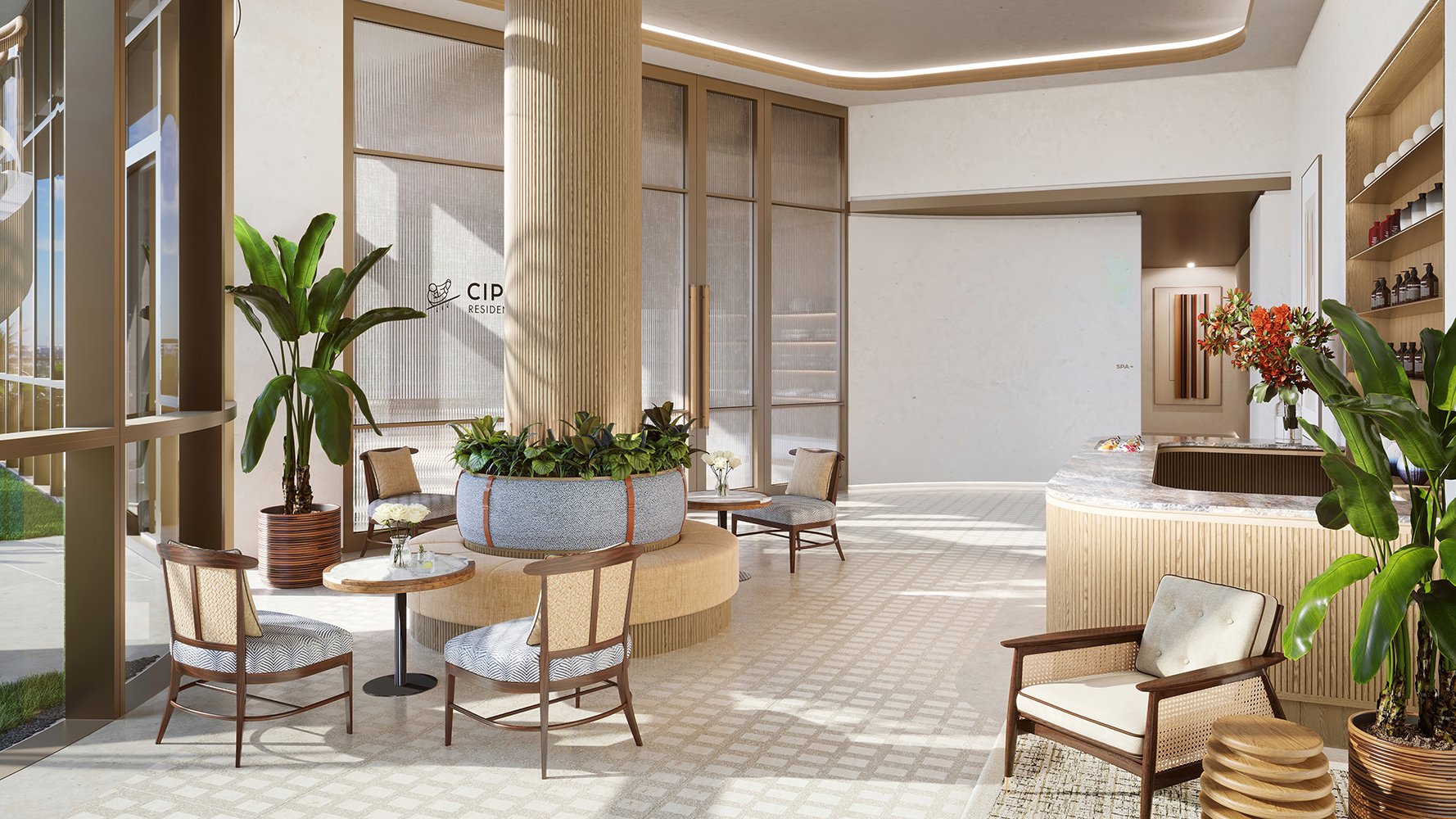
Wellness-Focused Living in Brickell: Fitness, Spa, and Recovery Priorities
An editorial guide to evaluating wellness-focused living in Brickell, with attention to fitness environments, spa privacy, recovery routines, and buyer due diligence.
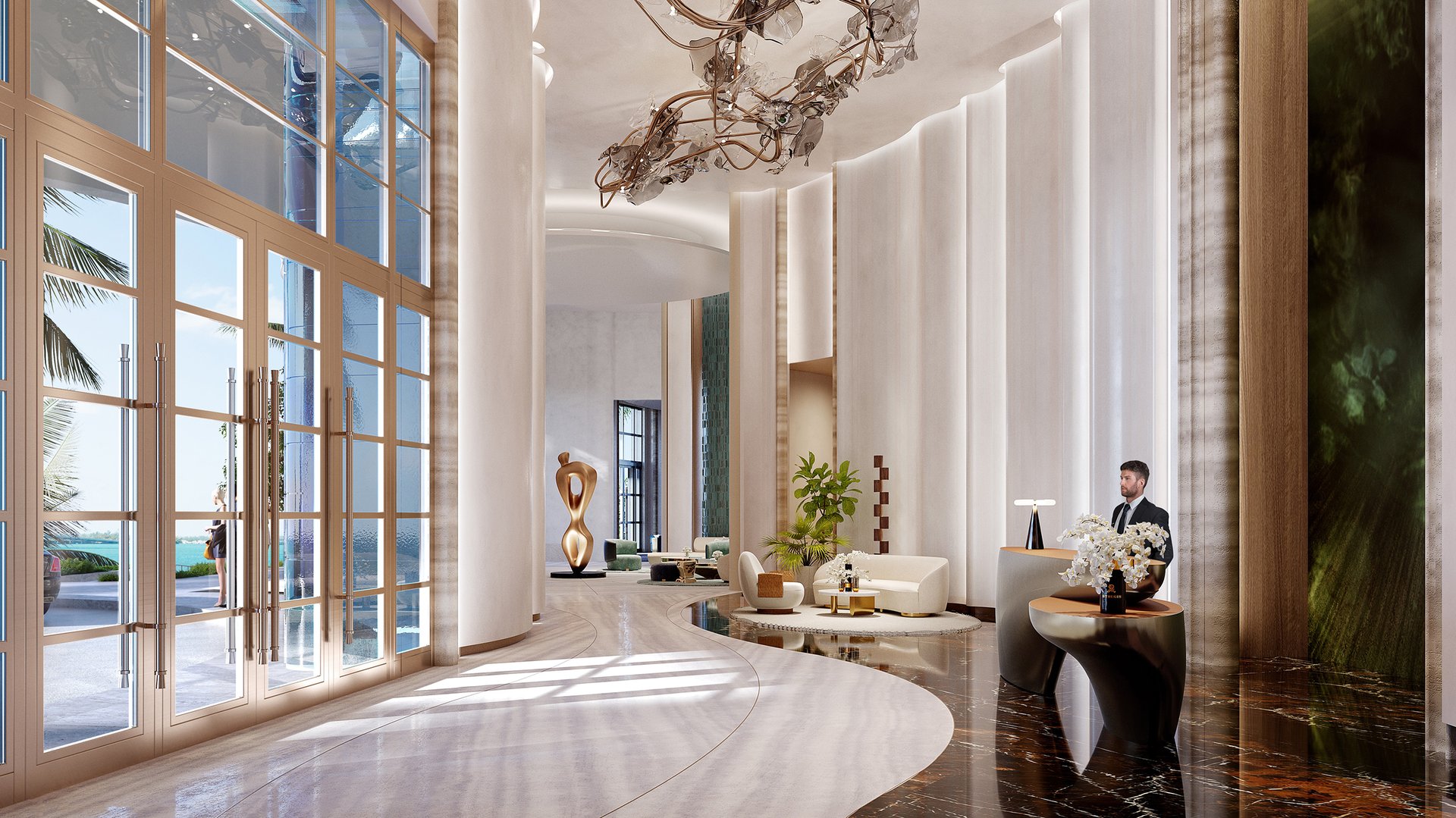
Brickell Condo Fees Explained: When Service Depth Justifies a Higher Monthly Carry
A buyer-focused guide to understanding when higher Brickell condominium fees can be justified by meaningful service depth, operational quality, reserve discipline, and daily convenience.
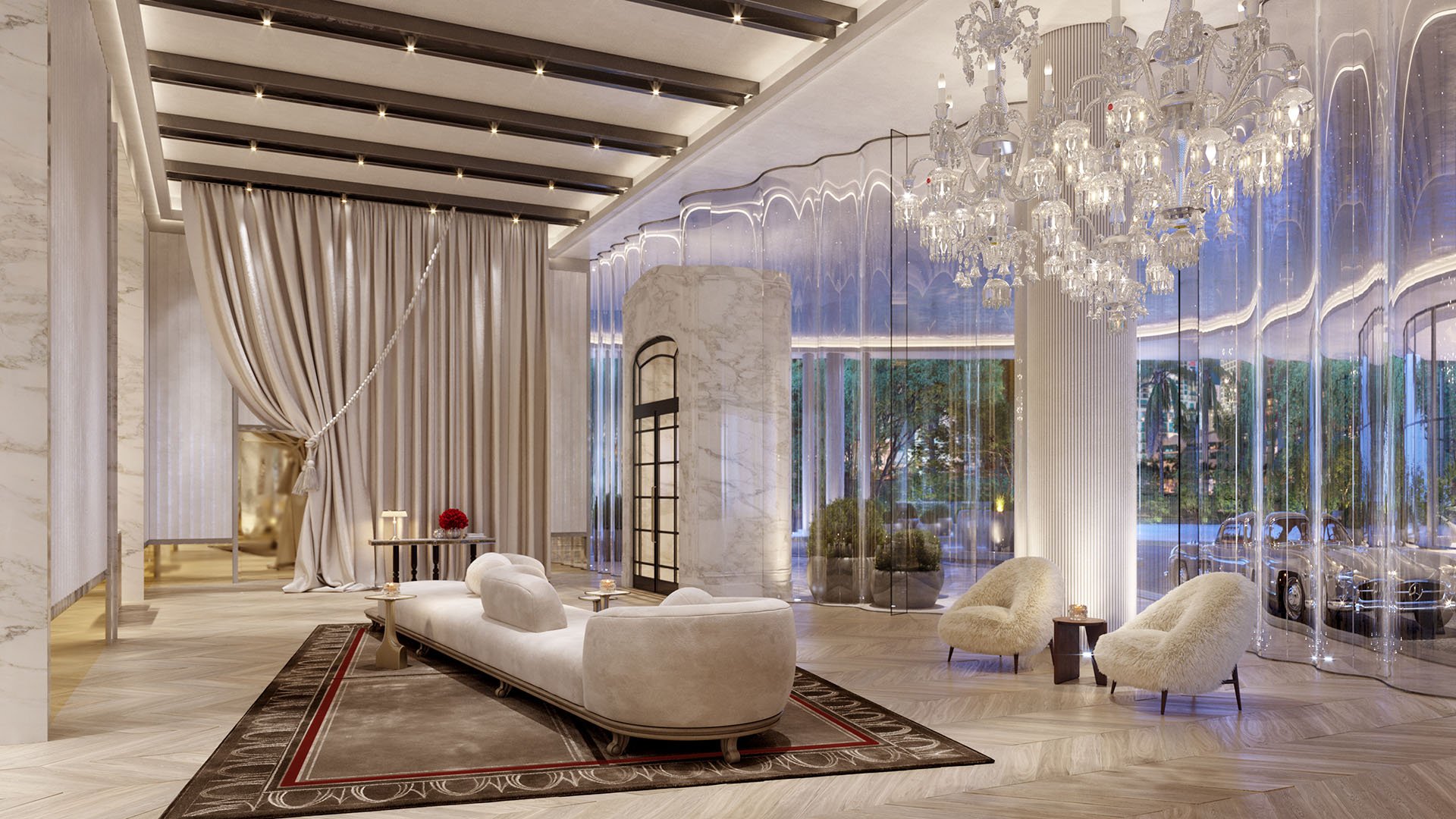
Security in South Florida Luxury Condos: What Buyers Should Look For Beyond a Doorman
A discreet guide for luxury condo buyers evaluating security beyond the lobby, with practical questions for access, staffing, privacy, amenities, garages, vendors, and daily living in South Florida towers.