A discreet framework for preparing a seasonal Surfside residence before summer, from humidity control and terrace security to staff access, storm protocols, and post-event reporting.

Closing an oceanfront residence for summer requires more than turning a key and forwarding the mail. For owners at The Delmore Surfside, a prudent approach begins with a written plan connecting storm preparation, preventive maintenance, emergency access, and reporting throughout the home’s vacancy.
The building’s precise division of responsibility for shutters, terrace contents, interior inspections, and post-storm reviews must be confirmed in current condominium documents or an owner-services agreement. The distinction is consequential: beautifully managed common areas do not automatically establish what staff may do inside a private residence, when they may enter, or which authorizations they require.
Preparation for a prolonged summer departure should begin about three weeks in advance. Start with appointments and supplies, then sequence interior and exterior work so any deficiencies can be corrected before the owner leaves.
Use the first week to schedule HVAC service and confirm any continuing landscape or pool care relevant to the residence. The second week can cover inventory updates, window and door checks, shutter components, and planned staff access. During the final days, remove perishables, secure outdoor objects, protect documents, and photograph the home’s condition.
Owners considering nearby Surfside residences, including Arte Surfside and Fendi Château Residences Surfside, can apply the same calendar while confirming each property’s individual rules.
Humidity control is fundamental to a successful summer closure. Remove fabrics, papers, food, and other materials that can retain moisture or encourage mold, mildew, or pests. Rather than simply switching off the HVAC system, keep it configured according to qualified professional guidance and the residence’s operating requirements.
Empty and clean refrigerators and freezers. For a prolonged shutdown, it may be appropriate to unplug them and leave their doors open or ajar. Unplug electronics and appliances that do not need to remain operational, reducing their exposure to storm-related power surges.
The anticipated length of absence should also guide decisions about adjusting the water heater or shutting down the main water supply. Any change must account for equipment requiring water and applicable building rules. Important documents and photographs belong in waterproof bags, and an updated home inventory should be retained outside the residence.
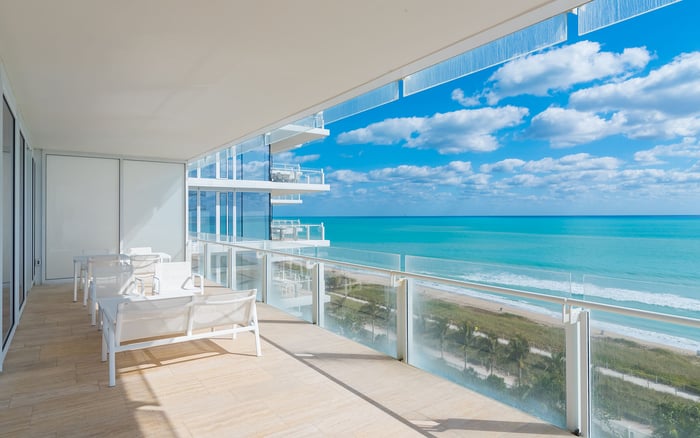
Terrace preparation warrants its own sign-off. Bring movable furniture, planters, and decorative objects inside, or secure them before departure. Check exterior doors and windows for proper closure and sealing, and address any owner-controlled drainage or vegetation concerns in advance.
If shutters apply to the residence, test them before storm season. Confirm that panels, bolts, wing nuts, labels, and the storage sequence are complete and free of problematic corrosion. Condominium restrictions may govern when protective measures can be installed and removed. When installation is outsourced, appoint a local representative to verify completion rather than relying solely on a contractor’s message.
Lifestyle protection becomes operational when every role is documented. Owners should designate a trusted local contact or property manager to inspect the residence routinely, then define the frequency, scope, photographs, reporting method, and escalation thresholds.
Ask management to confirm submission deadlines, after-hours contacts, emergency-access procedures, authorization requirements, and fees for in-residence services. The written plan should specify who may admit vendors, approve urgent work, move terrace contents, check for leaks, and report after a storm. Owners at service-oriented coastal properties such as The Surf Club Four Seasons Surfside should make the same distinction between assumed service and expressly authorized service.
A concise contact sheet should include the owner, family representative, property manager, building management, insurer, and approved vendors. Avoid overlapping authority: one designated decision-maker and one alternate can reduce delays when conditions change quickly.
Subscribe to current Surfside hurricane, flood, and municipal updates, monitor local instructions, and maintain a hurricane kit. Building coordination does not replace a household evacuation plan.
The plan should identify a destination, transportation method, family communication process, and assistance for anyone who may need it. Keep essential records protected and accessible away from the residence. After a storm, wait for official and building guidance before arranging access, and request a documented inspection rather than an informal visual check.
While a property remains under development, construction-site storm measures may be relevant, but they should not be presented as completed-building operating policy. Active sites should secure loose materials, equipment, and temporary structures; protect openings; clear drainage; elevate flood-sensitive equipment; and document pre-storm conditions with photographs or video.
Pre-construction buyers should ask how developer communications, owner communications, and future condominium procedures will differ. The objective is clarity about which protocol applies at each stage.
When should summer lock-up planning begin? Begin about three weeks before departure so appointments, supplies, repairs, and final checks can be completed in sequence.
Should the air conditioning be turned off? Humidity must remain controlled, so HVAC settings should follow qualified professional guidance and the residence’s operating requirements.
What should happen to terrace furniture? Movable furniture, planters, and decorative objects should be brought inside or securely restrained before departure.
Who should inspect the residence during summer? A trusted local contact or property manager should conduct routine inspections under a clearly documented scope and schedule.
Can building staff enter automatically after a storm? Do not assume so. Confirm emergency-access rights, authorization requirements, reporting procedures, and applicable fees in current agreements.
What should be unplugged before departure? Electronics and appliances that do not need to remain operational can be unplugged to reduce power-surge exposure.
Should the main water supply be shut off? Evaluate this according to the length of absence, equipment needs, professional advice, and condominium requirements.
How should important records be protected? Place documents and photographs in waterproof bags and retain an updated home inventory outside the residence.
What belongs in an evacuation plan? Identify the destination, transportation, family coordination process, and arrangements for anyone requiring assistance.
Do construction protocols equal future residence policies? No. Site preparations during development are distinct from the completed building’s condominium and owner-service procedures.
If you'd like a private walkthrough and a curated shortlist, connect with MILLION.
If branded residences are on your mind — as a home or as an allocation — we would be glad to share what we are seeing, privately.
Begin a quiet conversation