A disciplined Toronto-to-Surfside closing begins by settling the purchasing party, testing homestead assumptions, and synchronizing Canadian funds with Florida documentation.
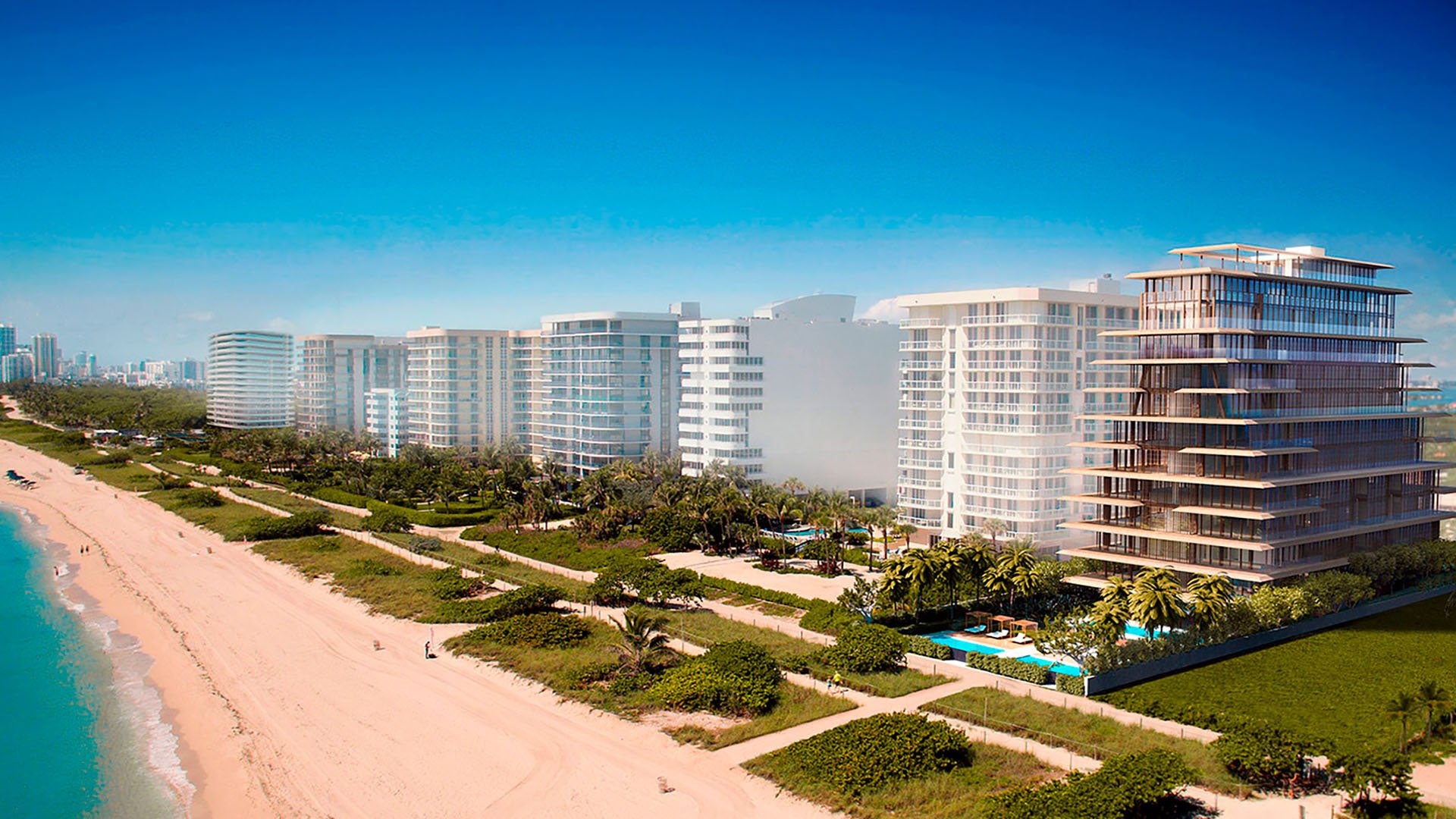
For a Toronto buyer preparing to close in Surfside, the residence itself is often the elegant part of the acquisition. The consequential work comes earlier: aligning the purchasing party, source of funds, privacy objectives, financing position, and intended use across two legal systems.
Because real estate can be held through different ownership structures, the purchaser’s identity is an early decision-not a closing-day detail. An individual, an entity, or another advised arrangement can carry different consequences. Privacy, liability protection, tax treatment, financing eligibility, and potential homestead qualification remain separate questions. No single structure should be presumed to deliver all five.
That distinction matters whether the search includes Arte Surfside or another Oceanfront residence. If privacy is a priority, it should inform the search and offer from the outset. A neutral LLC name on a deed can keep an individual purchaser’s name out of that deed record, but this limited privacy feature does not establish the structure’s suitability for tax, financing, liability, or homestead purposes.
Before an offer is written, have Florida counsel identify the proposed purchaser precisely as it should appear in the contract. Canadian tax and legal advisers can then assess the cross-border implications before deposits, loan documents, or final ownership instruments are prepared.
A Surfside home intended for personal use may raise questions about Florida homestead. Address those questions directly with qualified Florida counsel rather than inferring answers from occupancy plans, immigration status, the property’s prestige, or the presence of an entity.
The available facts do not establish that homestead protection automatically applies to a Canadian buyer or property held through an entity. The prudent sequence is to explain the intended use, proposed ownership, residency circumstances, and financing plan, then obtain tailored advice before committing to a structure.
This is particularly important when comparing personal ownership with an entity acquisition. A structure selected for privacy may not support another objective in the same way. Maintain a written decision matrix with separate columns for deed privacy, liability, tax, financing, succession planning, and homestead analysis. The final selection should reflect coordinated advice, not one appealing feature.
For buyers considering Fendi Château Residences Surfside, the same discipline applies: establish the legal framework before the contract and preserve sufficient time for advisers to review the proposed purchaser.
The most avoidable closing risk is a timing mismatch between funds in Toronto and obligations in Florida. Ontario electronic closings follow a defined sequence of funding, document delivery, and registration. The purchaser’s solicitor receives the required closing funds, deposits them into a trust account, and draws closing cheques according to the applicable direction or redirection of funds.
If a Toronto purchase, sale, refinancing, or other property transaction will provide liquidity for Surfside, place every step on a single calendar. Include the Canadian transaction’s funding, trust deposit, document exchange, registration, and release sequence alongside the Florida deposit, lender, document, and closing deadlines provided by the professionals handling the acquisition.
A Toronto property purchase can also attract both Ontario Land Transfer Tax and Toronto Municipal Land Transfer Tax. These cumulative charges are calculated from the purchase price, then collected and remitted by the buyer’s lawyer at closing. They belong in the cash plan before funds are earmarked for a Surfside acquisition.
A buyer moving from a Toronto closing into Ocean House Surfside should not treat expected proceeds as immediately available without confirmation. Ask the Canadian and Florida teams to reconcile currencies, trust requirements, signing logistics, and the precise point at which funds can be deployed.
Legal title and beneficial ownership can differ in high-value Ontario real estate. A beneficial owner may hold economic rights even when that person’s name is absent from title, including rights associated with sale proceeds, rental income, and appreciation. Ontario courts can enforce beneficial ownership through equitable principles rather than relying solely on the land registry.
That makes the background of Toronto assets relevant to a Surfside funds plan. If sale or refinancing proceeds depend on property whose registered title does not fully describe the economic arrangement, raise the issue before relying on those proceeds. Advisers should understand who holds title, who claims the economic benefit, who can direct funds, and which documents support that authority.
The same standard of clarity should govern the Florida side. Confirm who may sign for the purchasing party, who will satisfy lender requirements, and whose name will appear in the final ownership documents. When a shortlist includes The Surf Club Four Seasons Surfside, discretion is best served by a structure designed and documented early-not improvised against a closing deadline.
Before leaving Toronto, assemble a concise control file for the relevant advisers. It should identify the proposed purchaser, authorized signers, intended property use, privacy priorities, financing status, and source of closing funds. Add the Canadian transaction chronology, Florida contract dates, document-delivery plan, and any unresolved title or beneficial-ownership questions.
Keep each decision distinct. A privacy choice is not a homestead conclusion. A deed name is not a complete beneficial-ownership analysis. Available cash is not the same as cleared closing funds. An entity approved by one adviser is not necessarily suitable across both jurisdictions.
The goal is not complexity. It is a clean chain of authority, funding, and documentation-one that can withstand scrutiny without disrupting the pace of a luxury closing.
When should the purchasing party be selected? Select it before the offer is written and before final ownership documents are prepared.
Can an LLC keep a buyer’s name off the deed? A neutral LLC name can keep the individual purchaser’s name out of the deed record, but it does not resolve other privacy or legal questions.
Does an entity automatically provide Florida homestead protection? No automatic conclusion should be drawn. Florida counsel should assess the buyer, intended use, and proposed ownership structure.
Should privacy planning wait until closing? No. A privacy-focused structure should be established before the search and offer, not introduced for the first time at closing.
Why involve Florida counsel in a Canadian purchase? Florida-specific guidance is available for Canadian buyers, and local counsel can address the contract, purchaser identity, and closing framework.
How are funds handled in an Ontario electronic closing? The purchaser’s solicitor receives the required funds, places them in trust, and follows the applicable directions for closing payments.
Can a Toronto transaction affect Surfside liquidity? Yes. Funding, trust deposit, document delivery, registration, and release timing can determine when money becomes available.
Which transfer taxes can apply to a Toronto purchase? Both Ontario Land Transfer Tax and Toronto Municipal Land Transfer Tax can apply within the City of Toronto.
Can beneficial ownership differ from registered title in Ontario? Yes. Economic rights can belong to a beneficial owner whose name does not appear on registered title.
What should be in the pre-departure closing file? Include purchaser identity, signing authority, intended use, source of funds, key deadlines, and unresolved ownership questions.
If you'd like a private walkthrough and a curated shortlist, connect with MILLION.
If branded residences are on your mind — as a home or as an allocation — we would be glad to share what we are seeing, privately.
Begin a quiet conversation