Two of Sunny Isles Beach’s most discussed branded oceanfront addresses speak to different definitions of luxury: one rooted in fashion-house minimalism, the other in hotel-grade service culture. Residences by Armani/Casa is delivered and established, while St. Regis Residences Sunny Isles is planned as a two-tower statement with a deeper services narrative and publicly disclosed pre-construction pricing. For buyers weighing lifestyle, liquidity, and long-term brand durability, the decision often comes down to what you value most: design authorship, or an operating playbook built for daily living.
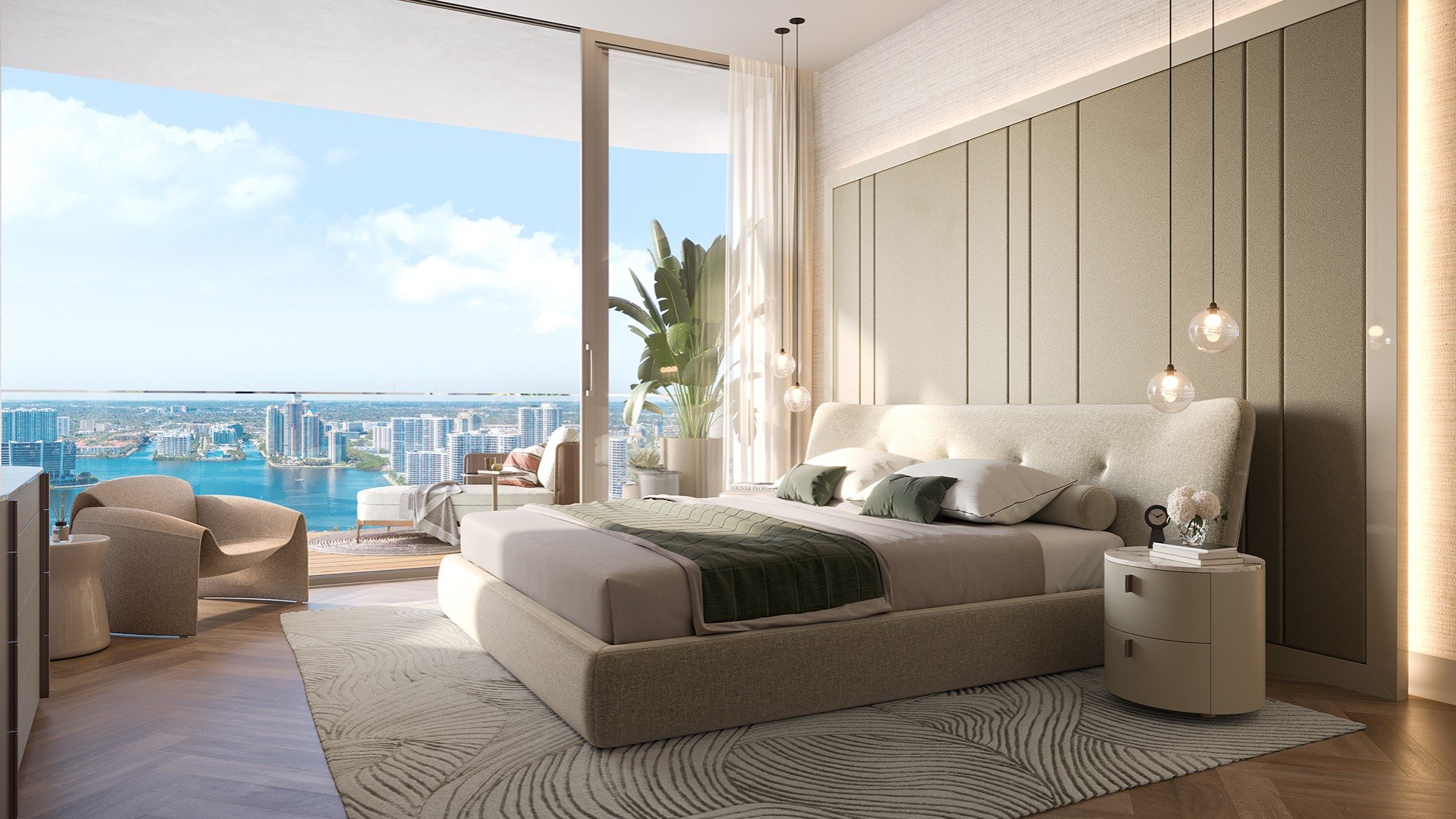
Sunny Isles Beach remains one of South Florida’s clearest case studies in branded, ultra-luxury oceanfront condominium living. The draw isn’t only the coastline and skyline, it’s the product clarity: recognizable names, tightly controlled design languages, and a promise that daily life feels curated rather than improvised. Within that context, two projects consistently anchor buyer conversations: Residences by Armani/Casa, a delivered oceanfront tower, and St. Regis Residences Sunny Isles, a planned two-tower project. They aren’t strict substitutes. They’re better understood as two different answers to the same question: what should “brand” actually do for you once you have the keys? For buyers who already understand Sunny Isles, the more precise decision is less “Which is nicer?” and more “Which brand architecture aligns with how I live, host, and hold real estate over time?”
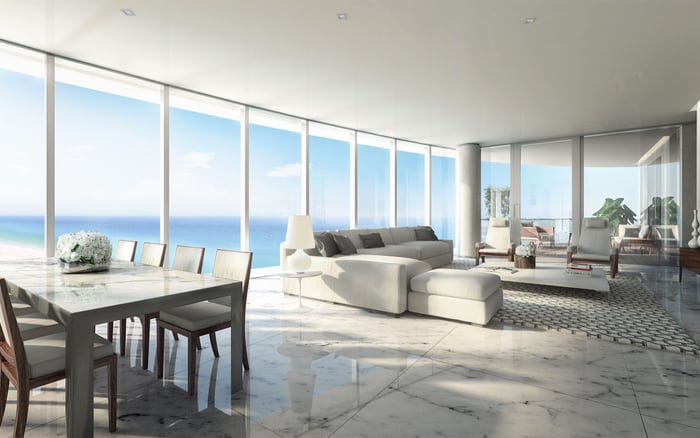
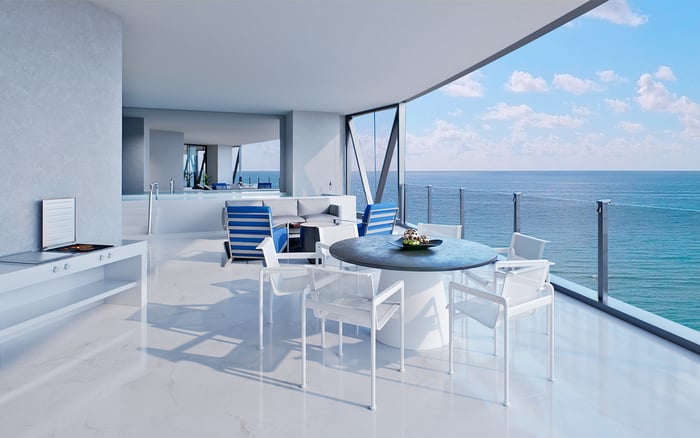
Residences by Armani/Casa is completed and delivered, and that matters. At the luxury tier, certainty carries real value: you can tour, evaluate views and acoustics, and read the building’s atmosphere in real time. Delivered in 2019, the tower is widely cited as 56 stories and was designed by César Pelli and Pelli Clarke Pelli. Scale is part of the story, too. With 308 residences and a published mix oriented to 2 to 4 bedroom homes plus penthouses, it reads as a high-rise neighborhood for owners who want a substantial, international-feeling residential environment. Armani/Casa’s edge isn’t a single finish or a headline feature. It’s the discipline of a fashion-house design sensibility translated into a home. Armani/Casa positions itself as the lifestyle and design arm of Giorgio Armani, and that shows up in a controlled palette and a preference for quiet luxury over spectacle. In practical terms, this tends to suit buyers who want their home to feel composed at all hours. If you entertain, the value is the room’s calm confidence. If you live here seasonally, the value is returning to something that still feels “set,” even after time away. When buyers tour other nearby options, they often calibrate the Armani experience against other established names along the same stretch. For immediate market reference points, Jade Signature Sunny Isles Beach and Turnberry Ocean Club Sunny Isles help clarify how different towers express luxury through architecture, resident culture, and overall vibe.
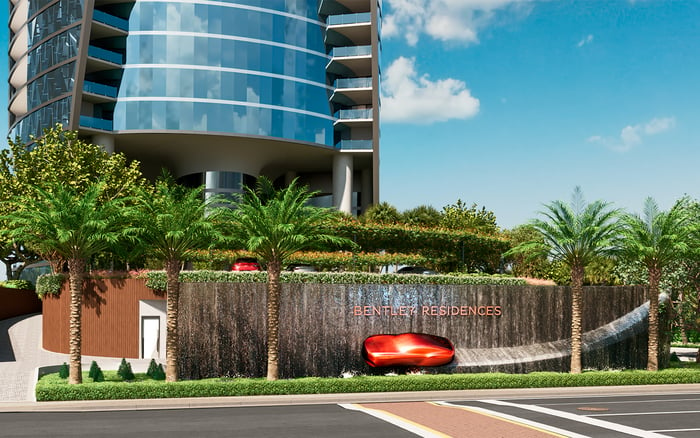
St. Regis Residences Sunny Isles is planned as a two-tower branded residential project, designed by Arquitectonica. The plan calls for 340 total residences across both towers, with 2 to 5 bedroom floor plans and larger “sky villa” and penthouse-style layouts depending on the home. For buyers, two points tend to matter most. First, the project publicly discloses pre-construction pricing by plan type through a published price list, giving serious prospects a clearer framework for early-stage evaluation. Second, St. Regis foregrounds a signature butler program, positioning it not as a novelty, but as a defining layer of daily life. That emphasis aligns with the brand’s long-standing service culture, where “Butler Service” is treated as a hallmark rather than an optional add-on. In a residential context, this can translate into a specific kind of ease: the sense that the building is structured to remove friction from how you live, host, arrive, and depart. A planned project requires a different mindset than a delivered tower. You’re underwriting execution, timing, and the depth of the eventual operating culture. Many ultra-high-net-worth buyers accept that trade when they believe the brand’s service playbook will remain durable across market cycles. In Sunny Isles, the St. Regis conversation also sits alongside other modern branded concepts that trade on identity. To see how brand narratives diverge within the same beachfront corridor, Bentley Residences Sunny Isles and The Estates at Acqualina Sunny Isles are useful contrasts in how lifestyle, amenities, and positioning are framed.
In the ultra-premium segment, brand isn’t just marketing. At its best, it’s an operating system that shapes three things buyers feel immediately. First is consistency. A disciplined brand can reduce the variation that often appears in unbranded luxury, different interior packages, uneven common-area standards, or a drift in tone as years pass. Second is service language. Some buyers prefer minimal touch. Others want a hospitality backbone that makes everyday living feel effortless. St. Regis is explicit about service as a core proposition, while Armani/Casa is more design-authorship forward. Third is social signaling. Buyers don’t only purchase square footage; they purchase context. A brand can clarify that context quickly for guests, future renters where permitted, and eventual buyers. If your priority is a home that reads like a finished object with a recognizable design philosophy, Residences by Armani/Casa speaks directly to that. If your priority is a lifestyle supported by a service culture embedded in the brand’s identity, St. Regis aims to make that the headline.
Both projects reflect a core reality of the Sunny Isles luxury buyer: the center of gravity isn’t the pied-à-terre studio. It’s the multi-bedroom residence that can accommodate family, staff, and guests without compromising privacy. Residences by Armani/Casa publishes a 2 to 4 bedroom mix plus penthouses, aligning with buyers who want larger-format condos and a more established inventory profile. St. Regis Residences Sunny Isles markets 2 to 5 bedroom plans, including larger formats described as sky villa or penthouse-style depending on the stack. For frequent hosts, the extra bedroom count is often less about sleeping capacity and more about flexibility, office, wellness room, or a dedicated guest suite that keeps the primary wing intact.
This is the simplest divider, and it isn’t a small one. A delivered building like Residences by Armani/Casa lets you judge the lived reality: resident culture, arrival experience, and how the building feels on a random Tuesday, not just on a showing day. That certainty can matter if you’re moving capital from another market on a tight timeline. A planned project like St. Regis Residences Sunny Isles is about forward positioning. Buyers can engage earlier, align with a brand story they believe in, and evaluate publicly disclosed pricing frameworks while the vision is still being executed. The benefit is often optionality. The trade is patience.
Even if your decision ultimately comes down to Armani/Casa versus St. Regis, touring adjacent reference points can sharpen your instincts. If your eye is drawn to architectural modernism and a quieter residential energy, comparing your reaction to Muse Residences Sunny Isles Beach versus more club-like or hospitality-forward towers can be clarifying. Buyers often discover they aren’t choosing a building, they’re choosing a tempo. And if you’re deciding how much “brand” you want in daily life, seeing how different branded projects interpret the idea can help you determine whether you prefer a design house as the lead character, or a hotel house.
Sunny Isles is one of the few South Florida submarkets where the branded oceanfront category has enough depth to create true buyer choice. That competition raises the standard, but it also demands precision about what you’re underwriting. Choose Armani/Casa when the priority is design authorship, established delivery, and the confidence that comes from experiencing the product today. Choose St. Regis when the priority is a planned vision with a service culture at the center, including the butler program positioning, and when you prefer evaluating early-stage opportunities with publicly disclosed, plan-level pricing guidance. Neither is a generic luxury buy. Both are identity-driven residences in a market where identity can be an asset.
Is Residences by Armani/Casa completed? Yes. It was delivered in 2019, which allows buyers to evaluate the building firsthand.
Who designed Residences by Armani/Casa? The tower was designed by César Pelli and Pelli Clarke Pelli and is widely cited as 56 stories.
How many residences are at Residences by Armani/Casa? The building includes 308 residences.
What bedroom mixes are typical at Residences by Armani/Casa? It publishes a 2 to 4 bedroom mix along with penthouses.
Is St. Regis Residences Sunny Isles one tower or two? It is planned as a two-tower branded residential project.
Who is the architect for St. Regis Residences Sunny Isles? Arquitectonica is the project architect.
How many total residences are planned at St. Regis Sunny Isles? The plan calls for 340 residences across the two towers.
What floor plans does St. Regis Sunny Isles market? It markets 2 to 5 bedroom floor plans, including larger sky villa and penthouse-style layouts.
Does St. Regis Sunny Isles publish pricing? Yes. Pre-construction pricing is publicly disclosed by plan type through a published price list.
What is the St. Regis butler program in a residential context? It is positioned as a signature resident service offering within the St. Regis service culture. For private guidance on Sunny Isles branded residences,
For tailored guidance, speak with MILLION Luxury.
If branded residences are on your mind — as a home or as an allocation — we would be glad to share what we are seeing, privately.
Begin a quiet conversation