
A discreet buyer-focused comparison of St. Regis® Residences Sunny Isles and Delano Residences & Hotel Miami, centered on lifestyle fit, reserve exposure, insurance structure, and the discipline required to evaluate completed-building certainty in South Florida’s luxury market.
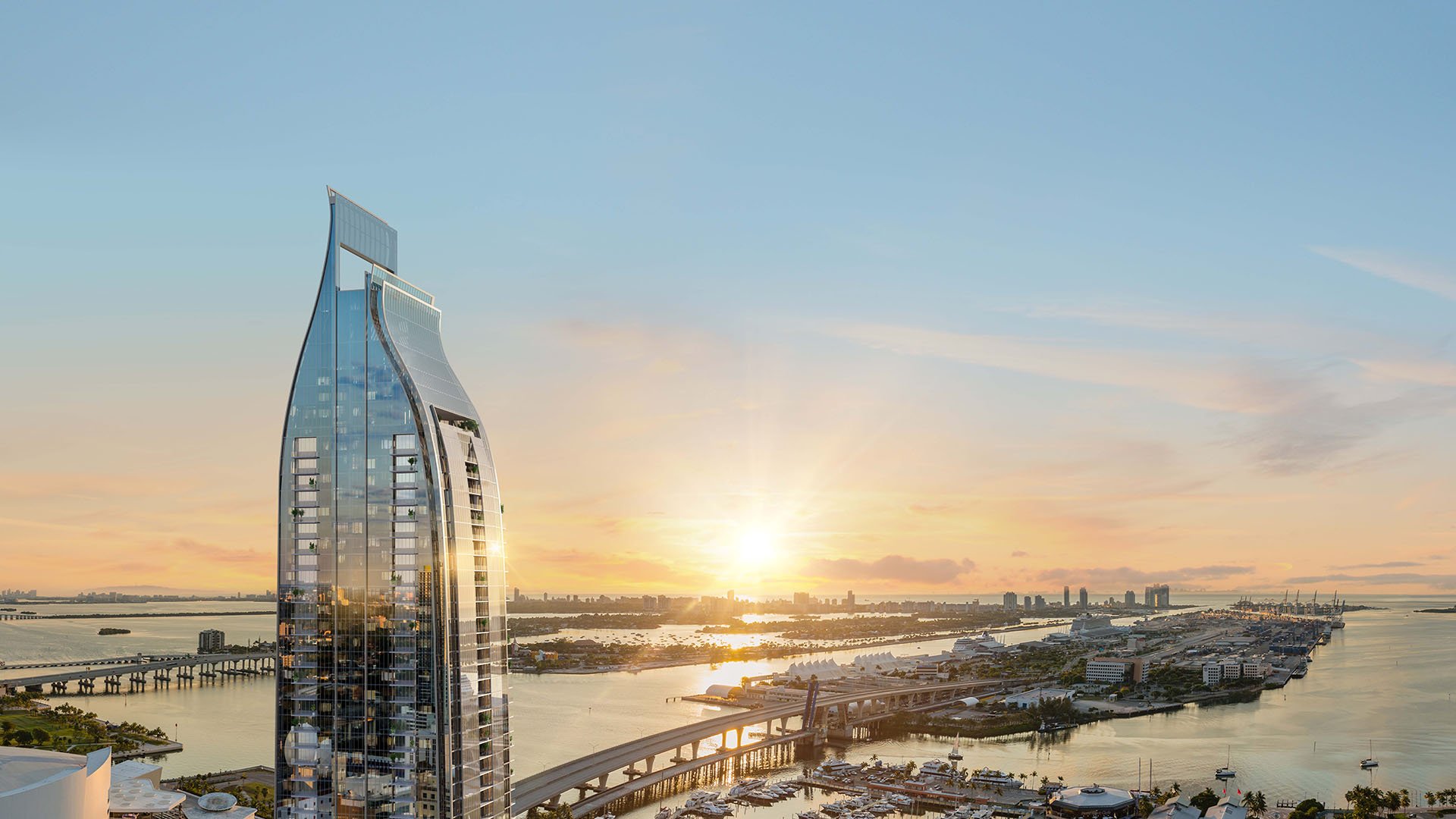
For South Florida’s upper-tier condominium buyer, the comparison between St. Regis® Residences Sunny Isles and Delano Residences & Hotel Miami is not simply about which name carries more glamour. It is about how lifestyle preference intersects with building structure, financial diligence, and the buyer’s appetite for certainty.
St. Regis® Residences Sunny Isles occupies the Sunny Isles side of this conversation, placing it within one of the region’s most recognizable coastal luxury markets. That position gives the comparison a particular texture. Sunny Isles has long appealed to buyers seeking a vertical resort-residential rhythm, immediate coastal identity, and privacy above the shoreline. A Sunny Isles buyer is often weighing view, service culture, access, and long-term ownership structure at once.
Delano Residences & Hotel Miami, by contrast, serves as the Miami lifestyle counterpoint. Without relying on unsupported project-level specifics, the more useful buyer lens is broader: how does a residence connected to a hospitality sensibility compare with a branded residential address in Sunny Isles when the real concern is not just atmosphere, but exposure?
In the current luxury condominium market, reserve exposure is no longer a back-office detail reserved for attorneys and accountants. It belongs in the initial value conversation. Sophisticated buyers want to understand how a building plans for major components, how assessments may be addressed, and whether the ownership structure feels transparent enough for a long hold.
This matters whether the home is intended for full-time use, second-home living, or a portfolio-oriented investment. At the highest end of the market, buyers may be drawn emotionally to design, views, amenities, and brand association, yet the purchase decision often turns on something quieter: confidence that the condominium’s financial posture is understandable.
The important point is not to assume that one name, neighborhood, or hospitality identity automatically answers reserve questions. It does not. Reserve exposure must be examined at the building level, with attention to governing documents, budgets, future capital needs, and the relationship between today’s carrying costs and tomorrow’s obligations.
Insurance structure can feel technical, but in South Florida it is deeply tied to lifestyle. A buyer seeking a lock-and-leave residence, a beachfront pied-à-terre, or a service-rich tower does not want operational surprises to interrupt the ease that made the address appealing in the first place.
For oceanfront ownership, insurance questions can become especially material. The buyer should understand what is covered at the association level, what remains the owner’s responsibility, how deductibles may work, and whether the association’s approach aligns with the buyer’s comfort level. In a luxury context, the issue is not merely cost. It is predictability.
That is where the St. Regis® Residences Sunny Isles versus Delano Residences & Hotel Miami framing becomes useful. The contrast encourages a buyer to separate emotion from structure. One may prefer the serenity of Sunny Isles, the energy of Miami, or the cachet of a hospitality-linked environment. Yet whichever lifestyle wins, insurance should be studied as part of the ownership experience, not treated as an afterthought.
Completed-building certainty is one of the most valuable forms of comfort a luxury buyer can have, but it should not be treated as a phrase that answers every question. It is better understood as an evidence standard. What can be walked, inspected, reviewed, tested, and confirmed?
For new-construction and pre-construction buyers, the issue is different. The buyer may be evaluating renderings, stated plans, anticipated service levels, and future delivery. That can be entirely appropriate for the right buyer, but it demands a distinct risk lens. Timelines, specifications, contract terms, deposit structure, and delivery assumptions all deserve careful scrutiny.
For a completed or substantially visible building, diligence has another character. The buyer can focus more directly on the physical experience, building operations, association posture, actual maintenance culture, and the tangible quality of common areas and residences. The question becomes less about imagination and more about verification.
In either case, certainty is not a marketing condition. It is the result of disciplined review.
St. Regis® Residences Sunny Isles benefits in this comparison from the clarity of its market identity. Sunny Isles is not ambiguous. It signals coastal vertical living, polished arrival sequences, broad water-oriented appeal, and a buyer profile that often values privacy, international familiarity, and a resort-like residential tempo.
That matters because lifestyle fit is not cosmetic. A buyer who wants quiet elevation, coastal views, and a residence that feels removed from the densest urban cadence may naturally begin with Sunny Isles. The area’s appeal is especially strong for owners who see the residence as both a retreat and a statement of place.
Still, the best Sunny Isles purchase is not only about the view. It is about how the building will live over time. Carrying costs, reserves, insurance, governance, and the quality of ongoing service all influence whether the ownership experience remains graceful years after closing.
The Delano side of the title evokes a different lifestyle vocabulary: Miami energy, hospitality memory, and the appeal of being closer to the city’s cultural tempo. For some buyers, that is precisely the point. They want proximity to restaurants, nightlife, art, and a more social rhythm. For others, that same rhythm may feel less restful than a Sunny Isles residential setting.
The contrast is therefore not simply beach versus city. It is composure versus immediacy, retreat versus pulse, and residential privacy versus hospitality-inflected presence. A careful buyer should translate those preferences into practical questions. How often will the residence be used? Who will use it? Is the home primarily for family, entertaining, seasonal escape, or long-term wealth preservation?
Once those answers are clear, the financial and structural review becomes sharper. Reserve exposure, insurance structure, and building certainty can then be evaluated against the lifestyle the buyer actually intends to live.
A disciplined buyer should begin with three layers. First, define the desired lifestyle with precision. Second, verify the ownership structure behind that lifestyle. Third, test whether the building’s current or future condition supports the buyer’s expectations.
For St. Regis® Residences Sunny Isles, the verified basis for this article is its role as the Sunny Isles project in the comparison. That is enough to frame the lifestyle side responsibly. The rest of the buyer work should be specific, document-driven, and completed before emotion hardens into commitment.
For Delano Residences & Hotel Miami, the same standard applies. A compelling name or setting should invite deeper diligence, not replace it. The most successful luxury buyers do not ask only which residence feels more exciting. They ask which residence makes the ownership experience feel most coherent.
Is St. Regis® Residences Sunny Isles part of the Sunny Isles market? Yes. St. Regis® Residences Sunny Isles is treated here as the Sunny Isles side of the comparison.
Is this article declaring one project better than the other? No. The comparison is intended to clarify lifestyle and diligence questions rather than rank the two addresses.
Why does reserve exposure matter to luxury buyers? Reserve exposure can influence future carrying costs, assessment risk, and confidence in long-term building stewardship.
Why is insurance structure important in South Florida condos? Insurance affects predictability, owner responsibility, and the overall comfort of holding a coastal condominium residence.
Does a strong brand eliminate the need for due diligence? No. Brand identity may shape lifestyle expectations, but buyers should still review documents, costs, and building structure.
What does completed-building certainty mean for a buyer? It means the buyer can verify more of the physical, operational, and financial reality before making a commitment.
How should a buyer compare Sunny Isles with Miami? The comparison should begin with lifestyle rhythm, including privacy, access, views, culture, and daily use patterns.
Is oceanfront ownership automatically the safer choice? No. Oceanfront appeal is powerful, but insurance, reserves, maintenance, and governance still require careful review.
Can an investment buyer use the same framework? Yes. Investment buyers should apply the same discipline, with added focus on carrying costs and exit confidence.
What is the most important takeaway from this comparison? Lifestyle may open the conversation, but reserve exposure, insurance structure, and certainty should guide the decision.
For a confidential assessment and a building-by-building shortlist, connect with MILLION.
If branded residences are on your mind — as a home or as an allocation — we would be glad to share what we are seeing, privately.
Begin a quiet conversation

.jpg&width=700&height=438&fit=cover)