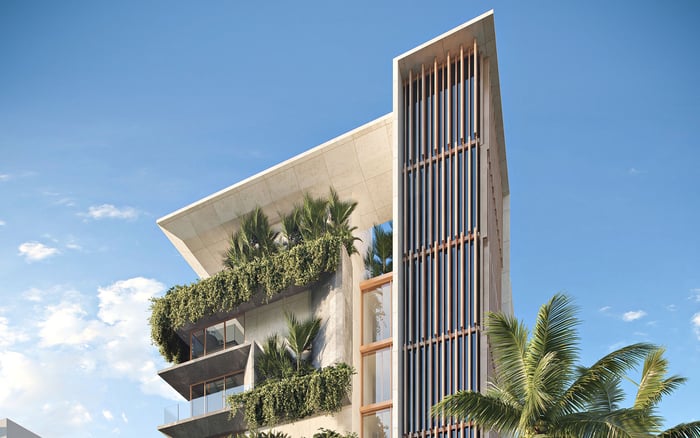
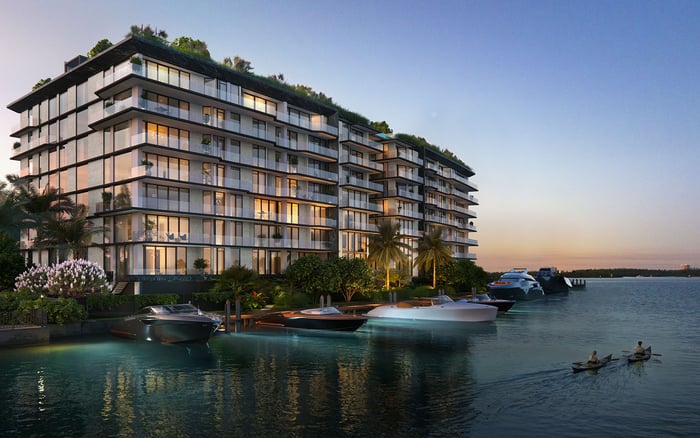
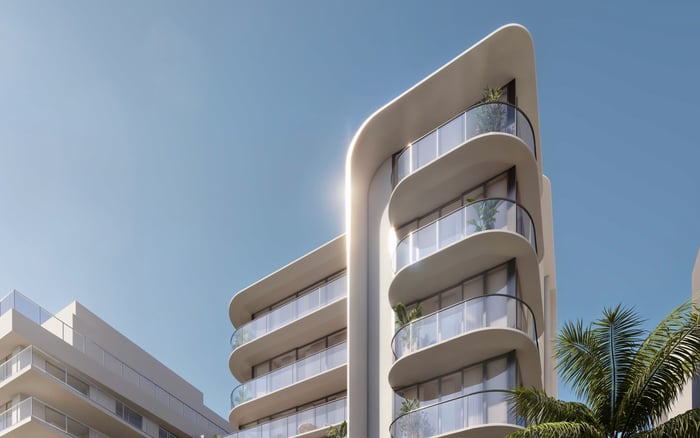
A discreet comparison of South Flagler House West Palm Beach and Onda Bay Harbor through the family lens: morning logistics, staff movement, privacy etiquette, and the building culture that supports school-day life.
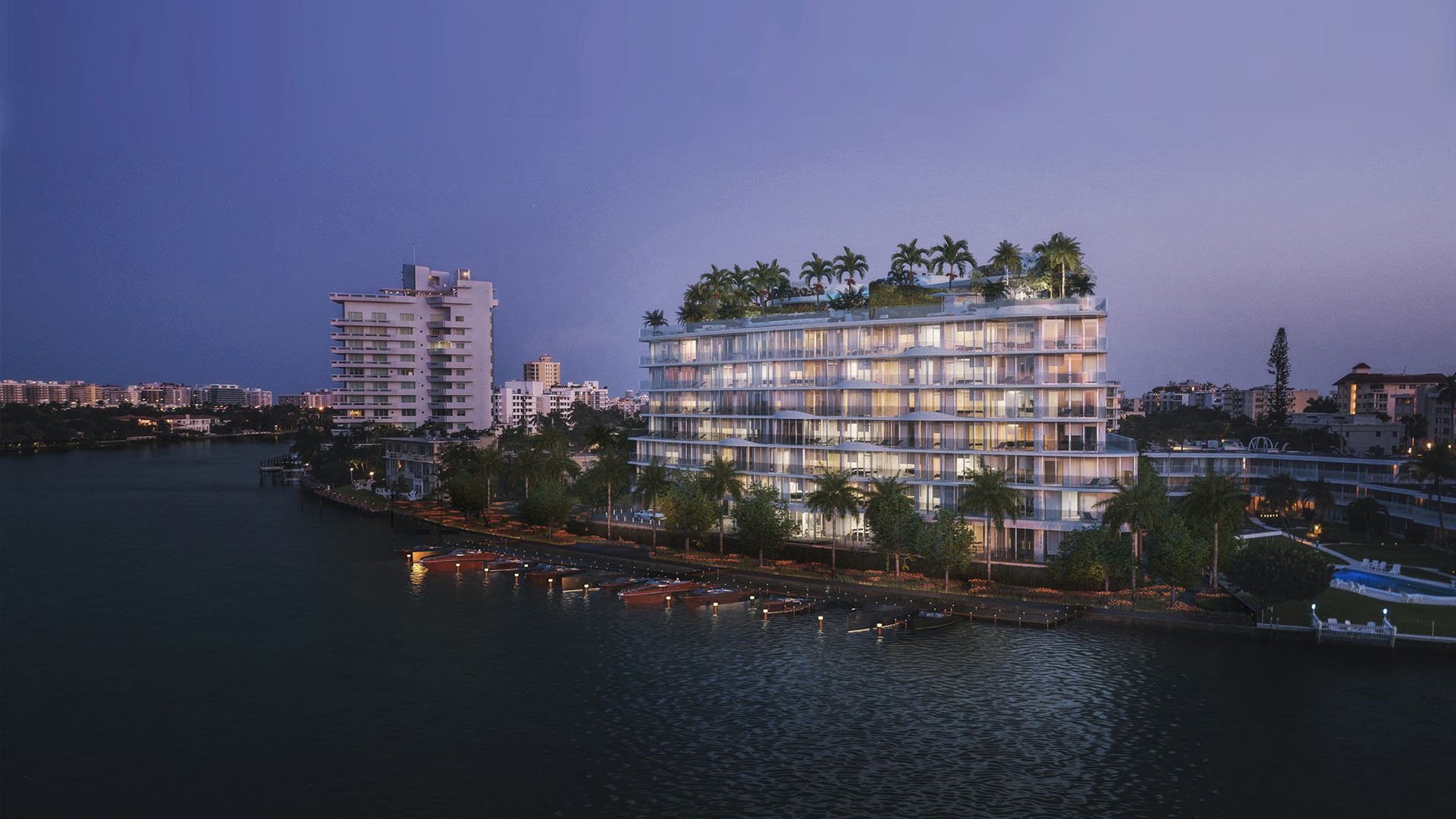
For families considering South Flagler House West Palm Beach and Onda Bay Harbor, the most meaningful comparison may not begin with a view, a finish, or a lobby impression. It begins at 7:15 a.m., when children are leaving for school, a driver is waiting, a tutor may be arriving later, and the household team is keeping the day moving without friction.
In ultra-prime South Florida real estate, building culture is the quiet operating system behind daily life. It is how residents use entrances, how staff circulate, how elevators feel during peak hours, how concierge interaction is handled, and how much of family life remains invisible to neighbors and guests. The difference between a beautiful residence and a truly livable one often appears in these small moments.
South Flagler House West Palm Beach and Onda Bay Harbor both speak to buyers who value discretion, water-oriented living, and a polished residential environment. Yet their family appeal is shaped less by broad luxury language than by how each building context may support routines that repeat hundreds of times a year.
School-day convenience is not simply about distance. For private families, the more important question is whether the building absorbs pressure gracefully. A morning departure may include children, bags, sports gear, a caregiver, a driver, and a last-minute delivery. When the building culture is calm, organized, and well understood, the residence feels larger than its walls.
A family evaluating South Flagler House West Palm Beach may focus on how a West Palm Beach lifestyle supports a composed weekday rhythm. The appeal is not only the address, but whether arrivals and departures feel ceremonial without becoming slow. Families often want a residence that can host formal evenings and still perform quietly on an ordinary school morning.
At Onda Bay Harbor, the conversation tends to include the intimacy of Bay Harbor Islands living and the value of a more residential cadence. For some families, that means a setting where school runs, after-school programming, and evening returns feel contained rather than metropolitan. The best fit depends on whether the household prefers a grander civic rhythm or a more discreet island-style pattern.
In practical buyer language, West Palm Beach elegance, Bay Harbor discretion, private-school timing, new-construction planning, and boutique scale become more than keywords.
Families with household managers, nannies, drivers, chefs, tutors, personal trainers, or visiting wellness professionals should evaluate staff circulation with unusual care. A refined building does not make service feel hidden in an uncomfortable way. It makes it feel natural, respectful, and precise.
The most successful arrangements clarify who enters where, how packages are handled, how recurring visitors are announced, and how service providers move without interrupting family privacy. A building may look serene in a presentation, but the lived experience depends on whether those systems work when multiple residences are active at once.
For South Flagler House West Palm Beach, family buyers may want to understand how a polished urban waterfront environment coordinates service expectations. The questions are practical. Can a driver wait without tension? Can a tutor arrive without creating repeated calls to the residence? Can a household manager coordinate deliveries while parents are at work or traveling?
For Onda Bay Harbor, the same questions apply through a different lens. In a more intimate residential setting, discretion is not only operational. It is social. Families may prefer a culture in which regular staff are recognized professionally, guest patterns remain low-key, and the building does not feel overexposed during daily routines.
Privacy in luxury real estate is often discussed as a matter of walls, elevators, terraces, and views. For families, it begins much earlier. It starts when a child moves through an arrival sequence, when a caregiver signs in, when a playdate comes upstairs, and when a resident returns from dinner without wanting to be observed.
The most family-sensitive buildings protect privacy through layers. There is visual privacy: fewer unnecessary sightlines into domestic life. There is social privacy: a culture that does not invite excessive familiarity. There is operational privacy: staff and guests can be managed without repeated explanations. Finally, there is emotional privacy, the feeling that children can live normally inside an exceptional address.
South Flagler House West Palm Beach may appeal to families who want presence and formality with the expectation of controlled access. Onda Bay Harbor may appeal to families who prioritize residential quiet, a measured pace, and a more contained building identity. Neither concept is inherently superior. The difference is lifestyle fit.
A family with older children may value independence, easy coordination, and a sophisticated setting that supports frequent comings and goings. A family with younger children may care more about stroller movement, caregiver access, and whether common spaces feel manageable at busy times. In both cases, privacy is built from repeated interactions.
The most revealing visit is rarely the most staged one. Families should try to understand how the property feels at the edges of the day: morning departure, late afternoon return, early evening guest arrival. These are the moments when a building’s culture becomes visible.
Notice whether staff seem composed or reactive. Observe whether the arrival sequence feels intuitive. Ask how recurring visitors are handled. Consider whether children can move through the building without making the household feel exposed. Evaluate whether the building seems comfortable with family life, or whether it is designed primarily around adult entertaining.
Buyers comparing South Flagler House West Palm Beach and Onda Bay Harbor should also consider how the broader neighborhood rhythm complements the residence. A home can be architecturally impressive but still feel demanding if every daily transition requires negotiation. Conversely, a quieter setting can feel deeply luxurious if it reduces decision fatigue.
The most discerning families are not merely buying square footage. They are buying fewer interruptions, clearer routines, and a social environment that understands boundaries.
South Flagler House West Palm Beach may resonate with families who want a refined West Palm Beach identity, a sense of arrival, and a residence that can support both formal entertaining and family routines. It may suit households that want their home to feel connected to a larger cultural and civic setting while still maintaining privacy.
Onda Bay Harbor may resonate with families drawn to a quieter island sensibility, where the residential atmosphere feels more intimate and daily movement may feel less theatrical. It may suit buyers who value understatement, water-oriented calm, and a building culture that can feel personal without becoming intrusive.
The real decision is not simply between two projects. It is between two ways of organizing family life. One buyer may prize a more prominent address and the polish that comes with it. Another may prefer a more discreet setting where the day feels easier to choreograph. Both can be luxurious. The right answer is the one that makes Monday morning feel as considered as Saturday evening.
Why does building culture matter for family buyers? It shapes how smoothly children, staff, guests, and residents move through the property each day.
Is school proximity the only convenience factor? No. Arrival flow, elevator rhythm, driver coordination, and staff access can matter just as much.
What should families ask about staff circulation? Ask how recurring visitors, deliveries, drivers, caregivers, and household teams are managed.
How does privacy differ from security? Security controls access, while privacy protects the family’s routines, visibility, and social boundaries.
Can a highly formal building still work for children? Yes, if its operations are flexible enough to support school days, playdates, and caregivers.
Why compare South Flagler House West Palm Beach with Onda Bay Harbor? They invite different readings of South Florida luxury, one more civic and one more intimate.
What is the best time to tour with family logistics in mind? Morning, late afternoon, or early evening can reveal how the building functions under daily pressure.
Should buyers prioritize boutique building culture? Boutique scale can be appealing when it supports discretion, recognition, and calm circulation.
How should families evaluate new-construction residences? They should look beyond finishes and study access, operations, service paths, and privacy layers.
What is the best way to shortlist comparable options for touring? Start with location fit, delivery status, and daily lifestyle priorities, then compare stacks and elevations to validate views and privacy.
To compare the best-fit options with clarity, connect with MILLION.
If branded residences are on your mind — as a home or as an allocation — we would be glad to share what we are seeing, privately.
Begin a quiet conversation