A discreet buyer’s guide to using portfolio leverage for South Florida luxury real estate, with emphasis on liquidity, collateral, lifestyle fit, and disciplined acquisition strategy.
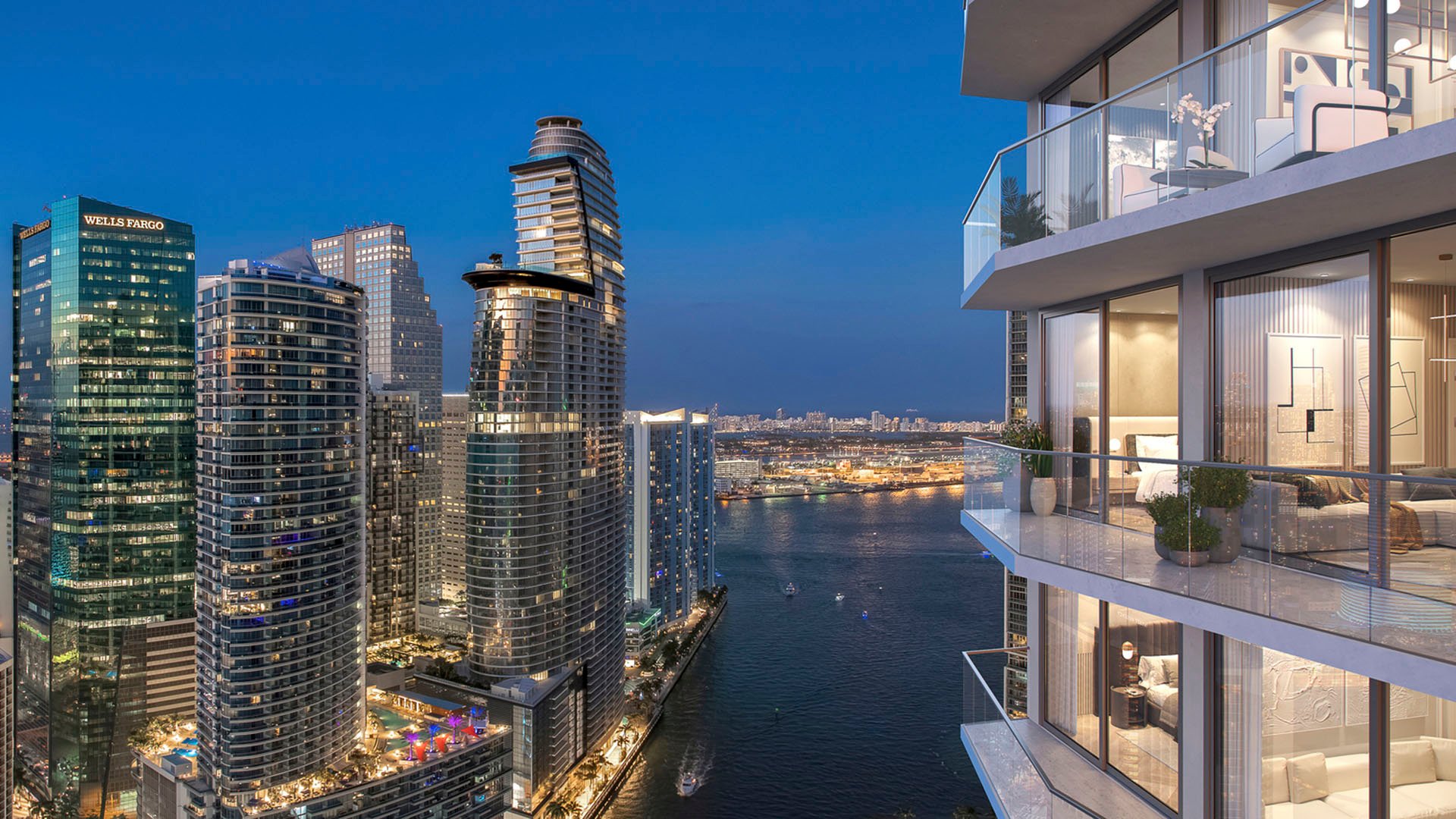
For the buyer moving from Beverly Hills to Coconut Grove, the purchase is rarely a simple exchange of one address for another. It is often a balance-sheet decision wrapped in a lifestyle decision: how to preserve privacy, maintain liquidity, and secure a residence that feels permanent without forcing a hurried sale elsewhere.
Portfolio leverage sits at the center of that conversation. Used well, it can allow a buyer to act decisively in South Florida while keeping other assets intact. Used casually, it can create timing pressure, overexposure, or a capital stack that feels elegant at closing and restrictive later. This is why the subject belongs in serious buyer’s guides, not casual cocktail talk.
In luxury real estate, the purpose of leverage is not merely to borrow more. It is to preserve optionality. A Beverly Hills owner may have embedded equity, marketable securities, private business interests, or other real estate that can support a purchase. The question is whether those assets should be pledged, liquidated, refinanced, or left undisturbed while the South Florida acquisition is structured.
Many affluent buyers begin with a simple question: what is the cheapest capital? The better question is broader: which capital gives the buyer the most control as conditions change? A low-cost facility can still be unattractive if it limits flexibility, requires uncomfortable collateral, or creates vulnerability during a volatile period.
Portfolio leverage can take several forms. Some buyers borrow against securities. Others use a bridge facility connected to another property. Some combine cash, a traditional mortgage, and a reserve strategy so the purchase does not distort the rest of the family balance sheet. The right structure depends on asset composition, risk tolerance, time horizon, estate planning, and the intended use of the residence.
A disciplined buyer also considers the emotional cost of leverage. A waterfront home meant to create calm should not become a source of constant monitoring. If a loan structure requires daily attention, it may be misaligned with the purpose of the acquisition. In the ultra-premium segment, elegance includes simplicity.
Coconut Grove attracts buyers who want a softer, residential rhythm with immediate access to neighborhood conveniences and established character. A buyer considering Four Seasons Residences Coconut Grove may think differently about leverage than a buyer acquiring a single-family estate, because ownership profile, carrying costs, and liquidity expectations can differ.
A wellness-driven buyer may look at The Well Coconut Grove as part of a lifestyle transition rather than a pure investment. In that context, leverage should support the life plan, not dictate it. The goal may be to secure the right residence now while preserving the ability to renovate another property, fund family commitments, or maintain a long-term securities strategy.
Brickell presents a different calculus. It is denser, more vertical, and often appealing to buyers who want financial-district energy, skyline views, and a lock-and-leave residence. At The Residences at 1428 Brickell, a buyer might prioritize certainty of execution, streamlined ownership, and liquidity reserves for future opportunities. In this setting, leverage may be less about stretching and more about timing a purchase without disrupting other holdings.
Miami Beach introduces another dimension: scarcity of setting, global recognition, and a distinct lifestyle value. A buyer weighing The Perigon Miami Beach should consider how long they intend to hold, how often they will use the residence, and whether the property is a primary home, seasonal base, or part of a broader family portfolio.
The strongest buyers are not always the ones who use the least leverage. They are the ones who know exactly why leverage is being used. A well-capitalized purchaser may still prefer not to liquidate investments, trigger tax consequences, or sell a legacy property before a new home is secured. Portfolio leverage can bridge that gap.
Yet the bridge should have a clear destination. Before signing, buyers should define the intended repayment source. Will it come from the sale of another property, bonus income, portfolio cash flow, refinancing, or a planned liquidity event? If the answer is vague, the structure needs more work.
Timing is equally important. Luxury transactions are not always linear. A seller may require certainty. A buyer may need inspection time, financing coordination, or family approval. A leverage plan should accommodate these realities without forcing rushed decisions. The best capital strategy gives the buyer room to breathe.
Reserves matter. South Florida luxury ownership can involve association obligations, insurance considerations, maintenance, design work, staffing, club memberships, marine interests, and seasonal travel. Even when no single item is surprising, the aggregate should be planned. A buyer who closes with ample liquidity is positioned to enjoy the residence immediately rather than manage a series of avoidable constraints.
The first question is collateral quality. Which assets are being pledged, and how quickly could they be affected by market movement? A securities-backed line may feel efficient, but it can behave differently from a mortgage tied to a specific property. A real estate bridge loan may provide convenience, but it can also pressure the sale timeline of the outgoing asset.
The second question is governance. Who is coordinating the lender, tax counsel, estate adviser, insurance adviser, and real estate team? Portfolio leverage touches multiple parts of the buyer’s life. Without a central strategy, each professional may optimize for a narrow outcome while the buyer absorbs the complexity.
The third question is privacy. High-net-worth buyers often value discretion as much as terms. Entity structure, closing mechanics, title, insurance, and communications should be aligned early. Luxury acquisitions can be quiet, but quietness must be designed.
The fourth question is exit flexibility. Even if the buyer intends to hold for years, the capital plan should not assume perfect conditions. A resilient structure allows for refinancing, partial repayment, or repositioning if life changes. For waterfront buyers in particular, long-term enjoyment is best supported by conservative assumptions.
The final question is whether the property still makes sense without the leverage. If the purchase is only attractive under aggressive borrowing assumptions, it may not be the right fit. The finest homes in South Florida reward patience, clarity, and discipline.
Cross-market buyers often arrive with refined expectations: privacy, architecture, service, views, and a sense of place. Coconut Grove offers a distinct version of that life. It is lush, maritime, residential, and quietly sophisticated. For some buyers, the move is less about leaving California than adding a new chapter in Florida.
Portfolio leverage can make that chapter smoother when it is treated as a private banking tool, not a trophy mechanism. The buyer should know what is pledged, what remains liquid, what happens under stress, and how the structure supports the intended lifestyle. In a market where the right residence may not wait for perfect timing, preparation is a competitive advantage.
The discreet buyer does not chase leverage. The discreet buyer uses it selectively, in service of a larger plan. That is the difference between buying a property and building a portfolio that can endure.
What is portfolio leverage in luxury real estate? It is the use of existing assets, such as real estate or investment holdings, to support a new property purchase while preserving liquidity.
Is portfolio leverage only for buyers who need financing? No. Many cash-capable buyers use leverage to avoid disrupting investments, tax planning, or other long-term capital priorities.
Why does it matter for a Beverly Hills to Coconut Grove move? A cross-market move can involve timing, privacy, and asset coordination, especially when the buyer wants to secure a Florida residence before selling elsewhere.
Should a buyer borrow against securities or real estate? That depends on risk tolerance, collateral quality, repayment plan, and adviser input. Each structure behaves differently under market pressure.
How much liquidity should remain after closing? The answer is personal, but reserves should be sufficient for ownership costs, lifestyle needs, and unexpected changes without forcing asset sales.
Can leverage improve negotiating strength? It can, if the structure is arranged early and gives the buyer credible certainty of closing. Sellers often value clarity and speed.
Is Coconut Grove different from Brickell for financing strategy? Yes. Coconut Grove often emphasizes lifestyle permanence, while Brickell may appeal to buyers seeking urban convenience and lock-and-leave ownership.
Does Miami Beach require a different lens? Often it does, because use patterns, carrying costs, and long-term objectives may differ from a primary neighborhood residence.
Who should coordinate the leverage plan? The buyer’s lender, tax counsel, estate adviser, insurance adviser, and real estate team should be aligned before a contract is signed.
What is the biggest mistake buyers make? Treating leverage as buying power rather than a risk-managed tool for timing, liquidity, and control.
For a confidential assessment and a building-by-building shortlist, connect with MILLION.
If branded residences are on your mind — as a home or as an allocation — we would be glad to share what we are seeing, privately.
Begin a quiet conversation