A collector-focused comparison of South Flagler House in West Palm Beach and Residences by Armani/Casa in Sunny Isles Beach, examining ownership philosophy, art display potential, freight logistics, and climate-sensitive storage due diligence.
For a serious collector, the difference between two luxury condominiums rarely comes down to finishes, views, or amenity language alone. The more consequential question is whether a residence can operate as a calm, predictable environment for receiving, installing, rotating, insuring, and preserving important works. That is why the comparison between South Flagler House in West Palm Beach and Residences by Armani/Casa in Sunny Isles Beach is best understood as a study in ownership models.
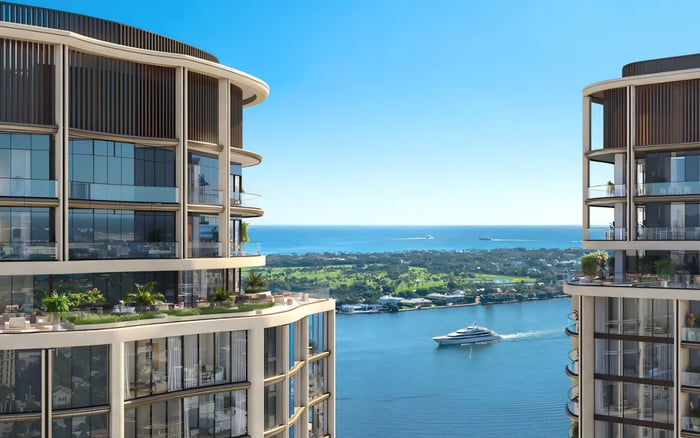
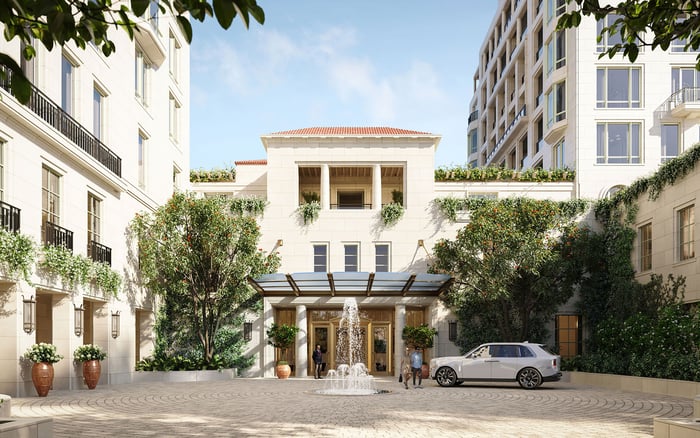
South Flagler House is positioned as a West Palm Beach ultra-luxury waterfront condominium with a low-density, estate-like character. It reads less like a conventional high-unit-count tower and more like a vertical mansion, a distinction that matters for buyers who value residential scale, privacy, and a quieter, club-like atmosphere. For those with paintings, sculpture, photography, design objects, or collectible furniture, that model suggests a life organized around private space and permanence.
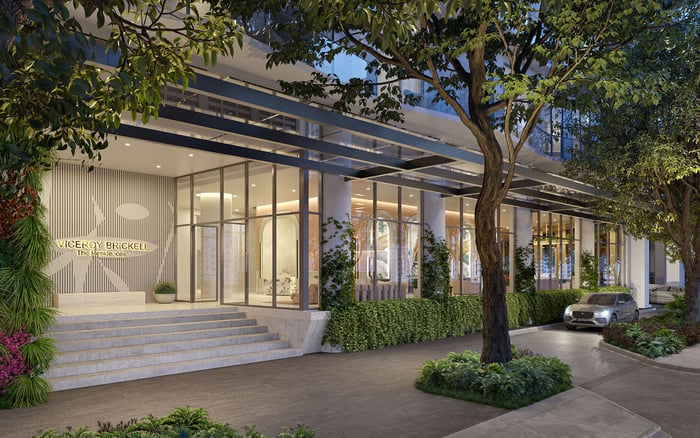
Residences by Armani/Casa, by contrast, reflects the branded luxury tower model in Sunny Isles Beach. Its appeal is tied to the Armani/Casa design identity, resort-style amenities, and a more vertical, hotel-like residential operating environment. For many buyers, that is precisely the draw: a recognizable design language, established services, and a building experience shaped by brand and amenity culture.
In buyer vocabulary, this comparison naturally touches West Palm Beach, Palm Beach, Sunny Isles Beach, Armani Casa Sunny Isles Beach, Art Basel, and new-construction priorities. Yet the decision itself is less about labels than about daily ownership: how the building functions when art handlers, crates, lifts, service entries, storage needs, and insurance protocols become part of the conversation.
South Flagler House is the more private, residence-scaled model in this comparison. Its appeal centers on larger residential volumes, discretion, and an atmosphere closer to a Palm Beach or pre-war New York residential ideal. For collectors, that language has practical resonance. Large, contiguous wall surfaces can make a residence feel better suited to meaningful in-home display, particularly when the goal is to live with art rather than simply decorate around it.
The estate-style model also supports a different psychological experience. In a lower-density environment, a buyer may expect fewer layers of shared circulation, less of a hotel rhythm, and a quieter connection between private life and building operations. That does not automatically confirm superior art logistics, but it does create a framework in which the questions feel more residence-specific than tower-wide.
The essential point is to separate display potential from conservation infrastructure. A spacious wall, refined interior, or grand room can be excellent for presentation, but none is the same as museum-grade environmental control. A buyer considering South Flagler House for a serious collection should review freight routes, elevator dimensions, service-entry procedures, insurance requirements, and storage climate controls before assuming that residential scale resolves every practical concern.
Residences by Armani/Casa is a different proposition. It is a branded high-rise condominium associated with a fashion-house design identity, and its ownership experience is more amenity-driven and tower-operated. Buyers who value a completed, recognizable branded environment may find this model more compelling than a quieter estate-style format.
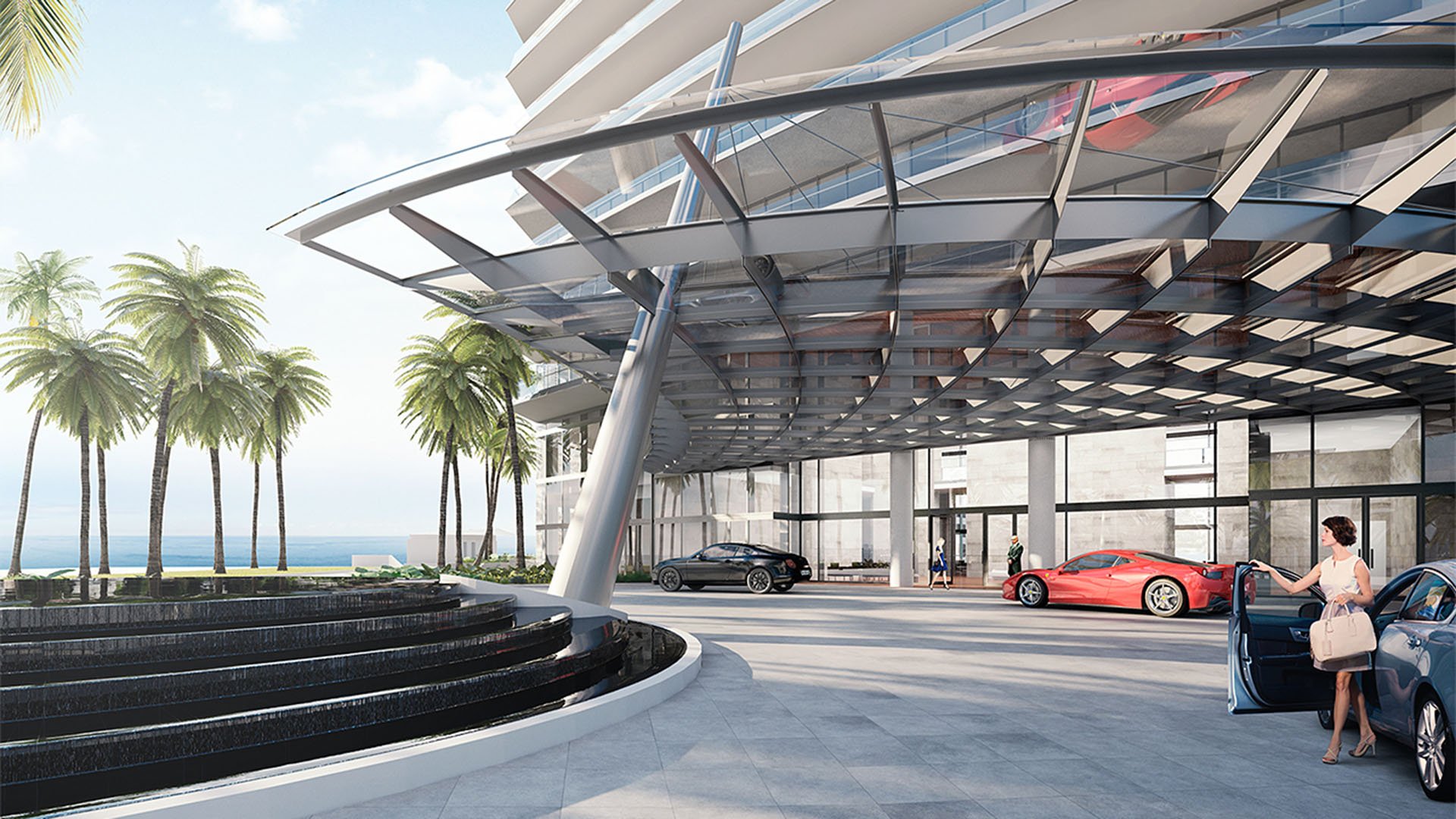
For collectors, however, the branded tower structure creates a distinct due diligence path. Art logistics may depend more heavily on management rules, elevator scheduling, loading access, shared service infrastructure, and approved time windows for deliveries or installations. In a vertical resort-style setting, an owner’s private needs are typically coordinated through building systems that also serve other residents and operations.
That is not a disadvantage by definition. A well-run tower can be highly efficient, especially for owners who prefer a managed lifestyle with polished amenities and established service expectations. But the collector should be clear-eyed: the more shared the infrastructure, the more important the rules become. The question is not whether the building is luxurious. The question is whether its operating protocols align with the movement and preservation of the owner’s specific collection.
Freight access is where the romance of a residence meets the reality of ownership. Large-scale paintings, framed photography, design pieces, and sculpture often require more than a standard residential elevator and a courteous concierge. They may require advance scheduling, protective wrapping, elevator padding, floor protection, installation crews, certificates of insurance, and, at times, specialized rigging.
For South Flagler House, the buyer’s inquiry should focus on whether the estate-like promise extends into the service choreography: loading approach, back-of-house routes, elevator cab dimensions, turn radii, ceiling clearances, corridor widths, and the path from arrival to the residence. The goal is to confirm that the building can support private installation with minimal disruption and appropriate discretion.
For Armani/Casa, the same questions apply, with added emphasis on shared operating rules. A branded tower may have more formal procedures for elevator reservations, delivery hours, contractor access, and management approvals. The buyer should ask how often large deliveries can be scheduled, what insurance is required, whether after-hours installation is possible, and how building staff coordinate with outside art handlers.
Collectors often conflate luxury storage with conservation-grade storage. They are not the same. A private storage room, owner’s locker, or oversized closet may be useful for crates, pedestals, packing materials, and occasional overflow, but climate-sensitive works may require more rigorous environmental stability than a typical condominium storage area provides.
Before relying on in-building storage, buyers should confirm temperature and humidity expectations, whether the area is conditioned continuously, how it is monitored, whether access is secure, and whether the insurance policy recognizes the space as appropriate for valuable property. This applies equally to South Flagler House and Armani/Casa because the available research does not establish hard specifications for humidity-controlled art rooms, freight elevator dimensions, loading clearances, or dedicated art-handling protocols.
For many owners, the ideal approach may be hybrid: display key works in the residence, keep crates and non-sensitive materials in approved building storage if suitable, and use specialized off-site art storage for climate-sensitive or highly valuable pieces. The residence becomes a private gallery, while conservation is handled with the rigor it deserves.
South Flagler House suits the buyer who wants the feeling of a private waterfront residence translated into condominium form. Its likely appeal is scale, discretion, permanence, and a quieter ownership atmosphere. For a collector, it is the more intuitive choice if the priority is living with art in a residence that feels substantial and personal.
Armani/Casa suits the buyer who wants a branded Sunny Isles Beach tower with resort-style services, recognizable design, and an established vertical lifestyle. For an owner who values managed amenities and a fashion-house residential identity, the model may be more compelling than a low-density estate-like setting.
The decisive issue is not which building is more luxurious. Both speak to affluent South Florida condominium buyers. The difference is philosophical and operational: private estate-like living in West Palm Beach versus branded resort-style vertical living in Sunny Isles Beach. For collectors, that distinction should be tested through service routes, freight rules, installation planning, storage conditions, and insurance review before the purchase decision is made.
Which property is more estate-like for an art collector? South Flagler House is presented as the more estate-style model, with a lower-density and more private residential character.
Which property is more brand and amenity driven? Residences by Armani/Casa is the more branded tower model, with an Armani/Casa design identity and resort-style operating environment.
Does a large residence automatically mean proper art conservation? No. Display potential and conservation infrastructure are different, and climate-sensitive works require specific environmental review.
What should buyers ask about freight access? They should ask about loading routes, elevator dimensions, scheduling rules, service entries, clearances, and insurance requirements.
Why do elevator rules matter for collectors? Large works may require padded freight access, reserved time windows, and approved crews before they can be moved safely.
Is Armani/Casa unsuitable for art collections? Not necessarily. It may work well if the building’s management rules and shared infrastructure support the owner’s collection needs.
Is South Flagler House automatically better for storage? Not automatically. Buyers still need to verify storage climate controls, security, access, and insurance compatibility.
Should collectors use off-site storage? Some may prefer specialized off-site storage for sensitive or high-value works, while displaying selected pieces at home.
What is the main lifestyle difference? South Flagler House emphasizes private, residence-scaled living, while Armani/Casa emphasizes branded vertical service and amenities.
What is the best way to shortlist comparable options for touring? Start with location fit, delivery status, and daily lifestyle priorities, then compare stacks and elevations to validate views and privacy.
When you're ready to tour or underwrite the options, connect with MILLION.
If branded residences are on your mind — as a home or as an allocation — we would be glad to share what we are seeing, privately.
Begin a quiet conversation