A practical, discreet guide for New York families using South Beach Wine & Food Festival week as a lens for choosing the right South Florida residential base.
For families relocating from New York, the South Beach Wine & Food Festival is more than a glamorous culinary weekend. It is a revealing civic moment, when Miami Beach, Brickell, Coconut Grove, Coral Gables, the islands, and northern coastal enclaves all show their rhythms under pressure. Reservations tighten, bridges become more consequential, and the difference between living at the center of the action and living adjacent to it becomes unmistakable.
That is precisely why the event can be useful. A family can tour homes in a polished weekday context and still miss the practical texture of daily life. Festival week sharpens the question: when the city is fully animated, where do you want your children, your car, your guests, your help, your office calls, and your evening plans to be?
New York families often understand density, culture, and inconvenience better than most buyers. The South Florida decision is not simply about escaping winter. It is about choosing the right kind of access. In practical search shorthand, Miami Beach, South of Fifth, Brickell, Coconut Grove, private school planning, and new construction are distinct filters, not interchangeable lifestyles.
Miami Beach can be seductive for families who want the cultural calendar at their doorstep. The beach, dining, hotels, private clubs, and major events create an atmosphere that feels international without feeling detached from New York’s social cadence. For a buyer who wants to entertain, host visiting family, and remain close to the center of a weekend like South Beach Wine & Food Festival, the appeal is clear.
The question is where on Miami Beach. South of Fifth has a different personality from Mid-Beach or the more residential corridors farther north. A home near the action may reduce evening transfers, but it also elevates the importance of building services, garage access, elevator privacy, and the ability to retreat once the city becomes lively. For families considering a polished South Beach address, The Ritz-Carlton Residences® South Beach illustrates the kind of branded, service-forward environment many New York buyers expect when trading a staffed Manhattan building for coastal living.
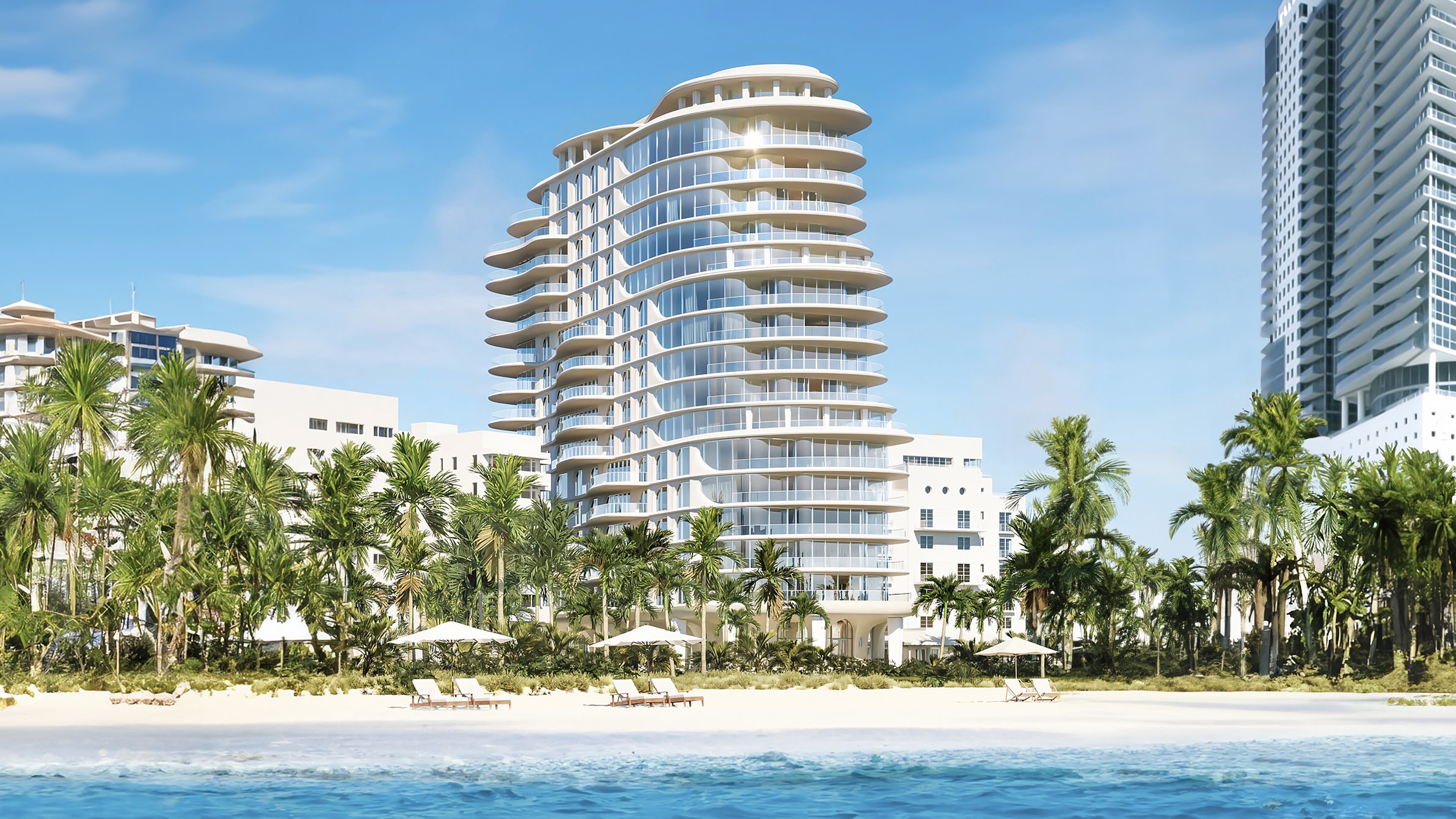
Farther north, Miami Beach can feel more residential while preserving proximity to cultural moments. The Perigon Miami Beach fits the conversation for families who want a quieter coastal posture without leaving the Miami Beach identity behind. The essential exercise is not merely touring the residence. It is driving the school route, the airport route, the pediatrician route, and the Saturday dinner route at realistic times.
For some New York families, the ideal South Florida base is not on Miami Beach at all. It is a mainland neighborhood with a stronger everyday rhythm, paired with a short ride to the beach, events, and restaurants when desired. This is where Brickell, Coconut Grove, Coral Gables, and selected waterfront neighborhoods enter the discussion.
Brickell is often attractive to parents who want vertical luxury, a more urban feel, and proximity to offices, restaurants, and financial life. The tradeoff is that the neighborhood can feel more metropolitan than resort-like. For families not ready to abandon the energy of New York, that may be a benefit. A residence such as St. Regis® Residences Brickell belongs in the conversation when a buyer wants a full-service tower lifestyle with a sophisticated mainland address.
Coconut Grove tends to speak to a different buyer. Its appeal is less about spectacle and more about texture: canopy, bay air, walkable village moments, and a family-oriented pace. For New Yorkers leaving a townhouse, brownstone, or park-adjacent apartment, the Grove can feel like a softer landing. Four Seasons Residences Coconut Grove is relevant for families who want service and polish while keeping a quieter residential identity.
The mainland decision often comes down to tolerance for crossings. A bridge can feel incidental on a quiet afternoon and material during major event weeks. Families should test both versions before committing.
Luxury buyers sometimes begin with views, architecture, and amenity decks. Families relocating from New York should begin with school geography. The right residence is the one that works on a rainy Tuesday morning, not only on a blue-sky showing day.
Private school planning in South Florida is highly personal. Admissions timelines, commute tolerance, after-school activities, sibling logistics, and grandparents’ visits all shape the map. A home that seems central for dining may be inconvenient for the school run. A property with extraordinary water views may be perfect for weekends and imperfect for a child with multiple activities across town.
New York families are accustomed to optimizing around schools, but South Florida introduces a different spatial logic. Distances can look manageable on a map while the practical experience depends on bridges, causeways, parking, security gates, and seasonal traffic. Before choosing between Miami Beach, Brickell, Coconut Grove, Boca Raton, or West Palm Beach, families should rehearse a full week, not a single commute.
The South Beach Wine & Food Festival may pull attention toward Miami Beach, but not every relocating family needs to live near it. Some families want access to Miami’s cultural life while preferring a more measured daily base in Broward or Palm Beach County. Fort Lauderdale, Boca Raton, and West Palm Beach can offer a different cadence, especially for families prioritizing space, schools, boating, golf, or a quieter social routine.
West Palm Beach has become part of many New York relocation conversations because it can feel familiar in tone while still being distinctly Floridian. It offers a more compact urban pattern than many suburban markets and can work well for buyers who divide time between South Florida and the Northeast. The Ritz-Carlton Residences® West Palm Beach is an example of the service-led residential format that resonates with buyers who want ease, privacy, and a high level of finish.
Choosing a northern base does not mean opting out of Miami. It means deciding that the family’s default setting should be calmer, with Miami reserved for events, dinners, and occasional weekends.
The most successful relocations are rarely driven by one spectacular showing. They are built from small confirmations. The lobby feels right after dinner. The children’s commute is acceptable. The guest bedroom will be used. The dog walk is pleasant. The airport run is predictable enough. The family can enjoy a major event and still return to a home that feels private.
For New York families, South Florida is not one market. It is a collection of micro-lifestyles, each with its own version of convenience. South Beach offers immediacy. Brickell offers urban continuity. Coconut Grove offers softness and family rhythm. West Palm Beach offers distance from Miami’s intensity without losing sophistication. The right answer is not the most fashionable address. It is the address that lets the family live beautifully after the festival tents come down.
Should New York families live on Miami Beach if they love major events? Miami Beach can be ideal for families who want immediate access, but it requires careful attention to privacy, parking, school routes, and daily calm.
Is South of Fifth practical for families? It can be, especially for buyers who value walkability and proximity to dining, but families should test daily routines before committing.
How should school choice affect the home search? School geography should be considered early because commute patterns can define the family experience more than views or amenities.
Is Brickell too urban for relocating families? Brickell suits families who want a metropolitan rhythm, strong services, and proximity to business and dining, but it is not a quiet suburban setting.
Why do some New York families prefer Coconut Grove? Coconut Grove can feel more residential, green, and village-like, which may appeal to families leaving a park-adjacent or townhouse lifestyle.
Should families consider West Palm Beach instead of Miami? Yes, if they want a calmer daily base while still keeping Miami accessible for events, restaurants, and cultural weekends.
What should buyers test during festival week? They should test airport transfers, school runs, dinner routes, bridge crossings, building access, valet flow, and the feeling of returning home late.
Are branded residences useful for relocating families? They can be, particularly for buyers who value service, security, maintenance ease, and a familiar standard of hospitality.
Should a second home be chosen differently from a primary residence? Yes, a second home may prioritize entertainment and views, while a primary residence must satisfy school, work, health, and weekly logistics.
What is the main mistake families make when choosing a base? The common mistake is choosing for vacation energy rather than the routines that will shape everyday life.
When you're ready to tour or underwrite the options, connect with MILLION.
If branded residences are on your mind — as a home or as an allocation — we would be glad to share what we are seeing, privately.
Begin a quiet conversation