A buyer-focused framework for weighing walkability, club access, private dining, recurring costs, privacy, and everyday convenience across Miami’s luxury residential market.
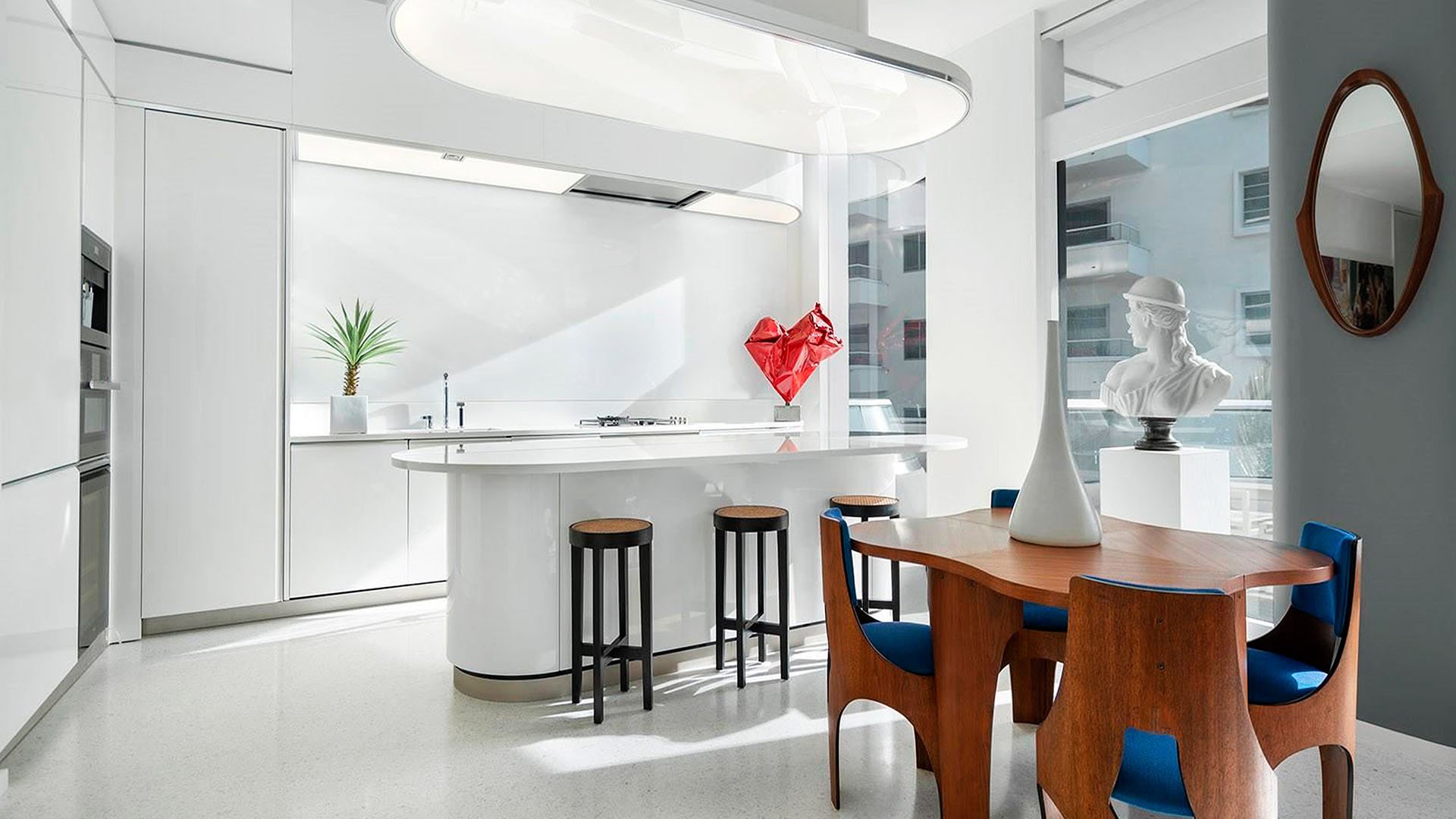
In Miami, the most persuasive luxury is often not a single amenity, but a well-composed daily routine. Walking to dinner, receiving guests discreetly, dining without leaving the property, or retreating behind controlled access can shape how a home feels long after the purchase.
Those conveniences also carry financial and operational implications. Buyers should evaluate walkability, club privileges, and private dining as connected elements of one decision rather than isolated selling points. The central question is not whether an offering sounds impressive, but whether it reduces friction in the buyer’s actual life at a recurring cost and level of privacy that feel proportionate.
The strongest comparison begins with a personal calendar. Count ordinary dinners, business meetings, family visits, wellness appointments, airport runs, and nights spent elsewhere. Lifestyle fit becomes clearer when amenities are measured against real habits rather than an imagined version of residency.
Walkability can be especially valuable to an owner who prefers spontaneous dining, short errands, or entertaining without arranging a car for every departure. Yet proximity alone does not establish fit. Buyers should walk the relevant routes at the times they expect to use them, noting crossings, weather exposure, the arrival experience, and how comfortably formal clothing or young children suit the journey.
In Brickell, a comparison involving The Residences at 1428 Brickell should extend beyond a map radius. A buyer can assess whether nearby destinations replace paid transportation, simplify household scheduling, or merely provide optionality. Any perceived location premium should then be weighed against those potential savings and conveniences.
Walkability does not automatically reduce total spending. Owners may still maintain vehicles, parking arrangements, drivers, or second residences. The useful exercise is to separate costs that genuinely disappear from those retained for flexibility. Convenience has value, but it should not be counted twice.
Private clubs can extend the social and service environment of a residence. For some owners, that provides a ready setting for meetings, meals, wellness routines, or introductions. For others, club access may overlap with memberships they already hold and rarely use.
Before assigning value, clarify whether access is included, optional, transferable, resident-specific, or subject to separate approval. Review initiation charges, annual dues, minimum spending, guest policies, reservation practices, cancellation terms, and the possibility of changing fees. These are due-diligence questions, not assumptions about any particular property.
For a Coconut Grove search that includes Four Seasons Residences Coconut Grove, buyers can compare the residence’s complete cost structure with their existing club and hospitality spending. The right answer may be consolidation rather than accumulation. A club is most valuable when it replaces external commitments or reliably improves the owner’s week.
The phrase private dining can describe distinctly different experiences: a reservable room, a residents-only venue, catered service, in-residence delivery, or access connected to a broader hospitality program. Buyers should determine what is actually available, who operates it, when it functions, and how charges are allocated.
A Miami Beach buyer considering Shore Club Private Collections Miami Beach can apply a simple test: Would the dining arrangement meaningfully replace restaurant visits, private-chef coordination, or event staffing? If not, it may still be enjoyable, but it should be valued as an occasional privilege rather than an economic offset.
Also examine booking priority, guest limits, service charges, menu flexibility, delivery routes, and responsibility for cleanup. The elegance of private dining depends on execution. A beautiful space with constrained access may contribute less to lifestyle quality than a modest program that works consistently with the owner’s schedule.
Privacy is not synonymous with isolation. In a well-managed residence, it can mean predictable arrivals, separate service circulation, controlled guest access, discreet deliveries, and a clear boundary between residential and public spaces. Club activity and dining traffic may enrich a property while also introducing more staff, visitors, and movement.
Buyers should trace the full path from curb to residence. Ask where ride-share vehicles wait, how guests are announced, whether club patrons share entrances or elevators, where food deliveries arrive, and how private events affect common areas. Seek clear answers about access credentials, staff protocols, cameras, package handling, and household-employee entry.
At The Residences at Six Fisher Island, as with any ultra-premium consideration, buyers should verify privacy conditions directly through plans, governing materials, and on-site observation. Fisher Island may represent a distinct lifestyle proposition, but the relevant issue remains personal: Which layers of separation matter to the household, and which feel unnecessary?
Purchase price is only the opening figure. A disciplined comparison places every recurring and periodic obligation into one schedule: association charges, club dues, minimum spending, parking, valet, storage, housekeeping, dining charges, service fees, gratuities, insurance, taxes, and reserves for future assessments or personal maintenance.
Not every line will apply, and the exact treatment depends on the property’s documents and the buyer’s choices. The purpose is to prevent bundled conveniences from appearing free simply because they are embedded in a broader payment. Buyers should request current schedules, identify mandatory costs, and model both low-use and high-use years.
Then add potential offsets cautiously. Fewer car trips, reduced event staffing, less private-chef use, or cancellation of another membership may matter, but only if behavior actually changes. A premium residence should be judged on net utility: what the household pays, what it uses, what it avoids paying elsewhere, and the degree of privacy it preserves.
The best home is not necessarily the one with the longest amenity list. It is the one whose location, access model, service culture, and financial structure align without demanding constant compromise. A social owner may welcome active common spaces and dining access. A privacy-focused owner may prioritize quieter circulation and fewer shared touchpoints.
Before committing, revisit the property at different times, test key walking routes, review governing and membership documents, and request written clarification of anything presented verbally. Counsel, tax advisers, insurance professionals, and property managers can help interpret obligations within their respective disciplines. Precision before purchase protects both enjoyment and optionality.
Does walkability always lower carrying costs? No. It may reduce some transportation needs, but vehicle, parking, or driver costs can remain.
How should a buyer value club access? Compare expected use with dues, minimums, guest rules, and the memberships it could replace.
Is private dining typically included in association charges? Treatment varies. Confirm access fees, food charges, service fees, and minimum spending in writing.
Can active amenities reduce privacy? They can increase guest and staff movement, making entrance and elevator protocols important.
What should buyers inspect on a walking route? Review crossings, shade, weather exposure, nighttime comfort, and the final arrival experience.
Which privacy questions matter most? Ask about guest screening, service circulation, deliveries, cameras, credentials, and event traffic.
Should occasional amenities receive full value? Usually not. Model them according to realistic frequency rather than aspirational use.
How can two residences be compared fairly? Build annual low-use and high-use budgets using the same categories for each property.
What documents deserve special attention? Review governing documents, fee schedules, membership terms, budgets, and relevant policies.
What is the clearest sign of lifestyle fit? The residence supports ordinary routines elegantly, without requiring repeated workarounds or waste.
When you're ready to tour or underwrite the options, connect with MILLION.
If branded residences are on your mind — as a home or as an allocation — we would be glad to share what we are seeing, privately.
Begin a quiet conversation