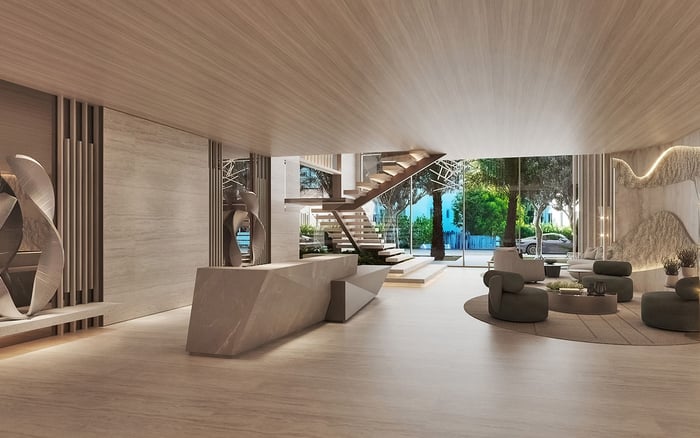
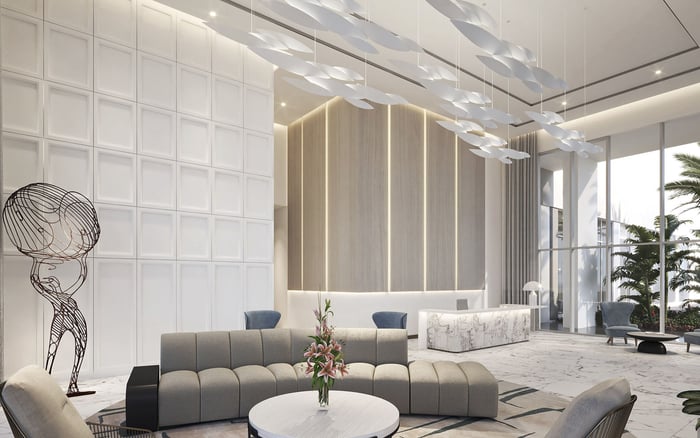
A buyer-focused comparison of Sixth & Rio in Fort Lauderdale and Alma in Bay Harbor Islands, showing how two boutique luxury condominium choices answer different questions about setting, service intensity, privacy, and household autonomy.
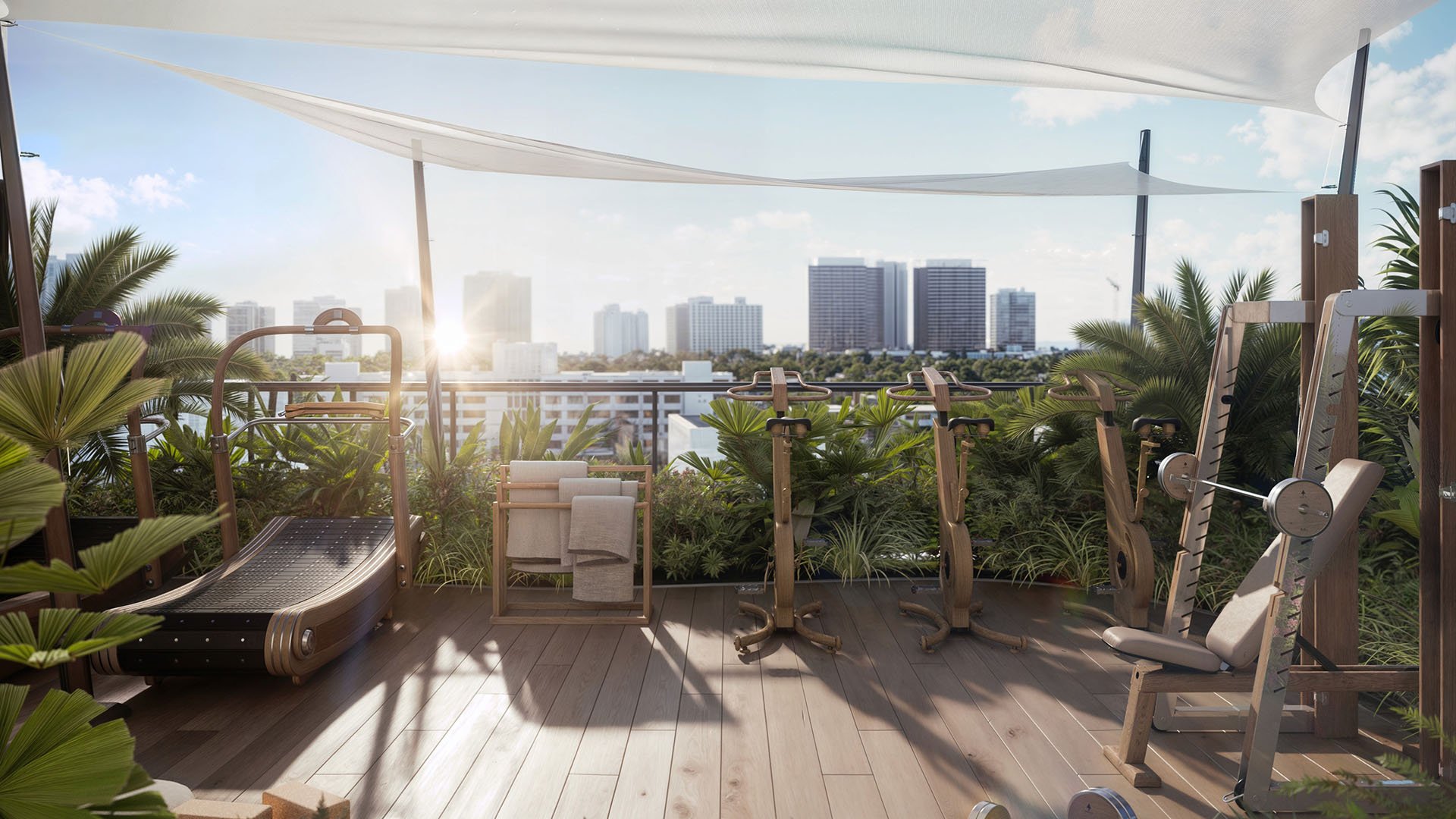
The most useful comparison between Sixth & Rio and Alma is not a contest over which address sounds more prestigious. Both belong in South Florida’s boutique luxury conversation, and both appeal to buyers looking beyond the anonymity of mass-scale towers. The more discerning question is what each building promises in daily life.
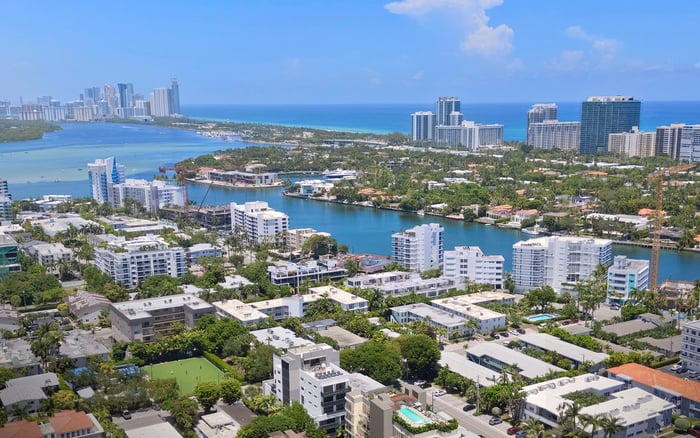
Sixth & Rio Fort Lauderdale is best understood through Fort Lauderdale’s urban-waterfront identity. Its appeal sits close to the Las Olas and New River lifestyle zone, where walkability, boating culture, dining, and an active city rhythm shape the ownership experience. Alma, by contrast, belongs to Bay Harbor Islands, where the mood is quieter, more residential, and closely connected to Bal Harbour, Surfside, and Miami Beach without adopting the intensity of a resort-tower setting.
That distinction matters because luxury buyers are increasingly parsing the difference between prestige and fit. Boutique can mean social, connected, and energized, or it can mean private, discreet, and self-directed. In this pairing, Sixth & Rio is the stronger answer for buyers who want a design-forward, city-connected address. Alma is the stronger answer for buyers who value understatement, privacy, and a gentler residential cadence.
In the upper tier of the condominium market, brand promise is often misunderstood. It is not simply a name, a lobby image, or a sales phrase. It is the daily contract between a building and its residents: how public or private life feels, how visible service becomes, how much the address participates in its neighborhood, and whether the building amplifies or softens the owner’s routine.
Sixth & Rio’s brand promise is rooted in Fort Lauderdale’s modern urban-waterfront appeal. The buyer is not merely purchasing a residence in a luxury condominium project. The buyer is choosing proximity to the movement of the city, the waterfront culture, and the Las Olas and New River lifestyle zone. For a lock-and-leave owner, that can be compelling because convenience is not separated from atmosphere. The neighborhood itself becomes part of the amenity language.
Alma’s promise is more inward and residential. Bay Harbor Islands carries a quieter profile, with a sense of separation from the busier currents of Miami Beach while remaining close to Bal Harbour Shops, Surfside, and the beaches. Alma is framed around understated elegance and privacy, giving its promise a different kind of confidence. It does not need to perform loudly. It is about control, discretion, and a home environment that can remain calm within a highly desirable coastal corridor.
For buyers using a Fort Lauderdale search lens or a Bay Harbor comparison lens, this is a boutique decision as much as a location decision. It is also a new-construction and second-home conversation for many households evaluating how often they will use the residence and how much building energy they want around them.
Service is one of the least visible but most decisive issues in boutique condominium selection. A buyer may admire finishes, architecture, and location, yet still choose against a building if the service model feels mismatched. Some households want a strong hospitality current. Others prefer lighter-touch assistance that preserves autonomy and reduces the sense of being constantly observed or managed.
Sixth & Rio is best discussed through service expectations, amenity operations, and the level of building hospitality a resident wants. Its Fort Lauderdale setting naturally invites a resident profile that may appreciate convenience, access, and a more active relationship with the surrounding lifestyle. The relevant question is not whether service exists in the abstract, but how much operational presence a buyer expects from the building as part of daily ownership.
Alma points toward a lower-key service model compared with more hospitality-driven buildings. That does not imply a lesser form of luxury. In many affluent households, the highest expression of luxury is privacy and the ability to move through the day without ceremony. A building that supports the household while remaining discreet can feel more aligned with buyers who already have established routines, private service preferences, or a desire to keep the condominium experience residential rather than hotel-like.
This is where the comparison becomes especially personal. A highly staffed environment can simplify life, but it can also introduce a level of formality. A quieter service posture can feel liberating, but it requires the buyer to be comfortable with greater self-direction. Neither answer is universally superior. The correct answer depends on whether the household wants the building to anticipate, orchestrate, and curate, or to support, protect, and step back.
Autonomy has become a defining luxury variable in South Florida. It shows up in subtle ways: how often owners interact with staff, whether amenity spaces feel like extensions of the home or shared social stages, how easily guests are received, and whether the building encourages a public lifestyle or a private one.
Sixth & Rio’s city-connected character makes it appealing for buyers who want a residence that plugs into Fort Lauderdale. The address is relevant to those comparing waterfront convenience, walkability, boating culture, and lock-and-leave ownership. Autonomy here may mean the freedom to step into an active neighborhood, use the city as an extension of the residence, and enjoy a luxury condominium without retreating from urban energy.
Alma offers a different form of autonomy. Its Bay Harbor Islands setting supports neighborhood calm and privacy while remaining near coveted retail and beach destinations. For some households, autonomy means the ability to keep a lower profile, maintain a quieter family rhythm, and enjoy proximity without being absorbed by the busiest parts of the coast. It is not isolation. It is selective access.
That difference can be decisive for families, seasonal owners, and buyers with complex households. A residence used as a primary home may need everyday calm. A pied-à-terre may need frictionless access to restaurants, marinas, and city life. A multigenerational household may prize discretion and routine. A couple splitting time between cities may prioritize convenience and neighborhood momentum. The best building is the one that makes the household feel most like itself.
Fort Lauderdale and Bay Harbor Islands sit within the same broader luxury ecosystem, but they do not ask the same thing of their residents. Fort Lauderdale offers a distinctive blend of waterfront living, boating culture, urban movement, and neighborhood walkability. For buyers drawn to Las Olas and the New River, Sixth & Rio fits into a lifestyle where the city is part of the daily experience rather than a distant backdrop.
Bay Harbor Islands has a more contained, residential feel. Alma’s connection to Bal Harbour, Surfside, and Miami Beach gives residents access to high-value destinations while preserving a quieter home base. The surrounding lifestyle is less about being in the center of constant motion and more about having calm within reach of sophistication.
This is why the two projects can share boutique prestige while solving different problems. Sixth & Rio is not simply a Fort Lauderdale alternative to a Miami-area condominium. Alma is not simply a quieter version of an urban building. Each reflects its own geography. One leans into active waterfront city living. The other leans into privacy, discretion, and residential ease.
The cleanest decision framework begins with three questions. First, do you want your building to feel more active or more private? Second, do you want service to be a visible part of daily life or a quieter support system? Third, do you define autonomy as access to the city or as control over the home environment?
If the answers point toward energy, walkability, boating culture, and a lock-and-leave rhythm tied to Fort Lauderdale’s urban waterfront, Sixth & Rio becomes the more natural fit. If the answers point toward calm, privacy, proximity to Bal Harbour and nearby beaches, and a more residential interpretation of luxury, Alma becomes the more natural fit.
The prestige is similar enough that buyers should resist deciding by status alone. In boutique luxury, the wrong kind of prestige can feel inconvenient once daily life begins. The right kind of prestige feels almost invisible because it supports how the household already wants to live.
Is Sixth & Rio a Fort Lauderdale luxury condominium? Yes. Sixth & Rio is a luxury condominium project in Fort Lauderdale with boutique positioning and an urban-waterfront lifestyle orientation.
Is Alma a Bay Harbor Islands luxury condominium? Yes. Alma is a luxury condominium project in Bay Harbor Islands, positioned within the area’s boutique luxury segment.
Which project is more connected to an active urban-waterfront lifestyle? Sixth & Rio is the stronger fit for buyers drawn to Fort Lauderdale’s Las Olas and New River lifestyle zone.
Which project is better for a quieter residential atmosphere? Alma is the stronger fit for buyers who prioritize Bay Harbor Islands’ calm, privacy, and proximity to Bal Harbour and Surfside.
Are these projects comparable in prestige? Yes. Both belong in a boutique South Florida luxury comparison, but their lifestyle answers are different.
Is this mainly a service-level decision? Service is a major part of the decision, especially when comparing a more hospitality-aware environment with a lower-key residential model.
Why does household autonomy matter in this comparison? Autonomy determines whether a building feels liberating, overly managed, too quiet, or perfectly aligned with daily routines.
Is Sixth & Rio better for lock-and-leave ownership? Sixth & Rio is especially relevant for buyers comparing waterfront convenience, walkability, boating culture, and lock-and-leave use.
Is Alma better for privacy-focused buyers? Alma is framed around understated elegance, discretion, and a more residential interpretation of luxury living.
Should buyers choose based on prestige alone? No. The better choice depends on service expectations, privacy preferences, neighborhood rhythm, and how the household wants to live.
For a discreet conversation and a curated building-by-building shortlist, connect with MILLION.
If branded residences are on your mind — as a home or as an allocation — we would be glad to share what we are seeing, privately.
Begin a quiet conversation