For collectors buying in Brickell, invisible infrastructure can carry more weight than decorative finishes. Storage planning, adaptable lighting, stable interior conditions, and operational due diligence help determine whether a residence can support art with discretion and flexibility.
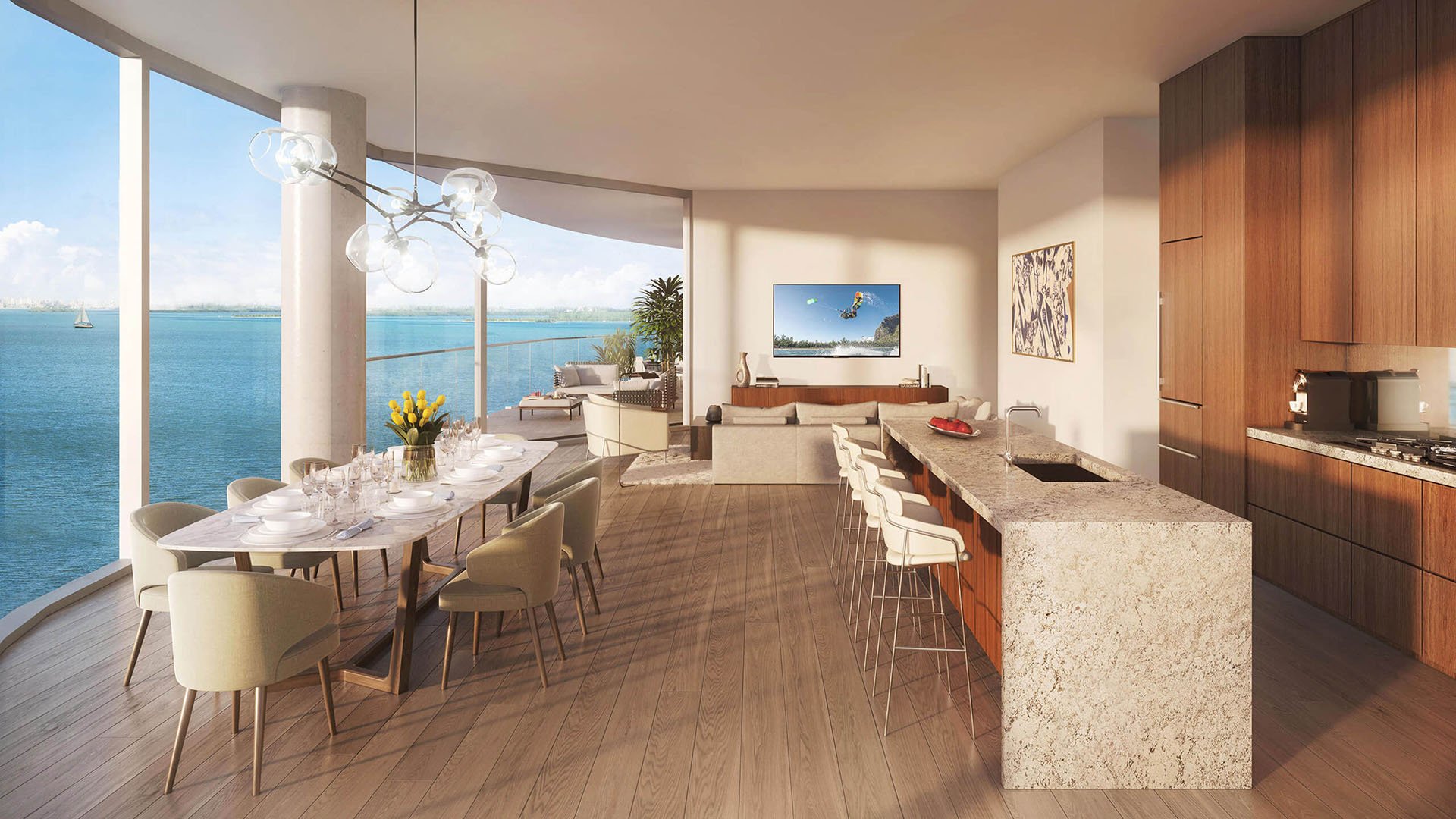
In Brickell, a polished kitchen or dramatic stone slab makes an immediate impression. For a serious collector, however, the more consequential questions often lie behind the walls, above the ceiling, and within the building’s operating systems. Can the residence accommodate art without forcing every decision around an existing decorative scheme? Is there a discreet place to hold works during installation, rotation, or travel? Can the lighting adapt as the collection evolves?
These questions redefine luxury, shifting the emphasis from appearance to capability. Finishes can often be changed. Infrastructure is far more difficult to correct once a home is complete, particularly in a condominium, where building systems, glazing, ceiling conditions, service routes, and association rules determine what is possible.
That distinction matters whether the target is a waterfront home, a compact pied-à-terre, or a penthouse designed for large-scale entertaining. A collector is not simply buying rooms, but assessing whether those rooms can become a responsible, flexible setting for objects of financial and personal significance.
Storage is more than an oversized closet. Buyers should consider how a work enters the residence, where it can be unpacked, and whether it can be held away from daily traffic while awaiting placement. Door widths, elevator access, turning clearances, wall dimensions, and the route from loading area to residence all warrant attention before closing.
Within the home, the ideal storage strategy depends on the collection. Framed works, sculpture, works on paper, and decorative objects present different spatial demands. A buyer may need a dedicated room, a carefully planned cabinet system, or simply enough adaptable space to keep art from being leaned against walls in an active living area.
When touring The Residences at 1428 Brickell, the useful exercise is not to assume a particular art feature. It is to map the entire handling sequence and identify where a collection could be staged without compromising circulation, privacy, or household operations.
A beautiful fixture does not automatically provide suitable art lighting. Collectors should focus on control: where light originates, how it is aimed, whether circuits operate independently, and how readily the scheme can be modified as works move. A rigid lighting plan can make an otherwise impressive room surprisingly difficult to curate.
Natural light also demands careful judgment. Expansive glass can create an extraordinary atmosphere, but collectors should study the direction and intensity of daylight throughout the spaces under consideration. Window treatments, glazing conditions, wall placement, and the relationship between art and a balcony can all shape the eventual installation plan.
A comparison between Baccarat Residences Brickell and St. Regis® Residences Brickell should therefore extend beyond visual identity. Buyers can bring an art adviser or lighting designer to assess ceiling opportunities, likely viewing angles, reflective surfaces, and the practical limits of future modifications.
Collectors should not treat temperature and humidity management as a generic question of comfort. The relevant issue is whether interior conditions can be managed consistently in the rooms where art will live, including during seasonal absences. A residence may feel comfortable during a showing yet still warrant closer examination of zoning, air distribution, sensor locations, maintenance access, and backup procedures.
Ask how the home performs when direct sun reaches the glass, when doors open frequently during an event, or when the residence is unoccupied. Determine who receives alerts, who can enter if conditions change, and which building protocols apply. These are operational questions as much as mechanical ones.
For a second-home buyer considering Una Residences Brickell, this review can become part of the broader ownership plan. The objective is not to presume performance, but to verify how residence-level systems and building-level access would support the collection in actual use.
The strongest due diligence begins with an inventory of needs, not a list of preferred finishes. Buyers can document the approximate dimensions and media of priority works, identify pieces requiring limited exposure, and note which objects may rotate between homes. That information gives architects, designers, art advisers, installers, and mechanical professionals a practical brief.
During review, consider these categories:
The arrival route from loading area to final wall or plinth
Secure temporary space for unpacking, inspection, and rotation
Wall construction, ceiling access, and likely mounting requirements
Flexible lighting locations, controls, and window-treatment options
HVAC zoning, monitoring, service access, and absence protocols
Insurance, documentation, security, and approved vendor procedures
Association rules also merit careful review. Working hours, elevator reservations, contractor requirements, drilling restrictions, and service access may affect installation. None of these questions is glamorous, but each can shape the cost and ease of living with a collection.
Decorative materials still matter. They establish mood, tactile quality, and a sense of completion. Yet a finish package should support the collection rather than compete with it. Highly reflective surfaces, assertive veining, visually busy walls, or fixed decorative lighting may narrow curatorial options, even when they photograph beautifully.
For lifestyle buyers, adaptability is the better test. Can the living room host an intimate evening while still providing disciplined illumination for art? Can a wall accommodate a different scale of work later? Can storage expand without requiring the entire interior to be dismantled? These questions protect both enjoyment and investment flexibility.
A collector-ready home need not be austere. It should be composed, serviceable, and capable of change. In that sense, the highest expression of luxury may be a residence whose technical planning recedes quietly, allowing art and life to take precedence.
Should art planning begin before a Brickell purchase? Yes. Early planning helps buyers assess circulation, walls, ceilings, light, storage, and building procedures before committing.
Is a large residence automatically better for a collection? No. Useful wall area, handling routes, environmental control, and adaptable rooms can matter more than total size.
What should buyers measure during a private showing? Measure priority walls, doors, elevator clearances, corridors, ceiling conditions, and likely turning points along the delivery route.
Can decorative lighting serve as art lighting? Sometimes, but buyers should verify aim, control, flexibility, glare, and compatibility with the works they expect to display.
Why review daylight before selecting walls for art? Daylight conditions vary by room and orientation, so placement should follow an on-site assessment by the appropriate specialist.
What makes art storage practical? It should be secure, accessible, separate from routine traffic, and planned around the dimensions and media of the collection.
Which climate-control questions belong in due diligence? Ask about zoning, monitoring, service responsibility, maintenance access, alert procedures, and arrangements during extended absences.
Do association rules affect art installation? They can. Buyers should review contractor approvals, service access, elevator scheduling, working hours, and alteration restrictions.
Who should inspect a residence for a collector? The team may include an art adviser, architect, lighting designer, mechanical professional, installer, insurer, and security consultant.
Are premium finishes still important? Yes, but they are most valuable when they complement flexible infrastructure rather than limit display, storage, or future changes.
For a confidential assessment and a building-by-building shortlist, connect with MILLION.
If branded residences are on your mind — as a home or as an allocation — we would be glad to share what we are seeing, privately.
Begin a quiet conversation