A discreet look at why solar-ready common areas belong in the next generation of South Florida luxury residences, from design integration to ownership discipline.
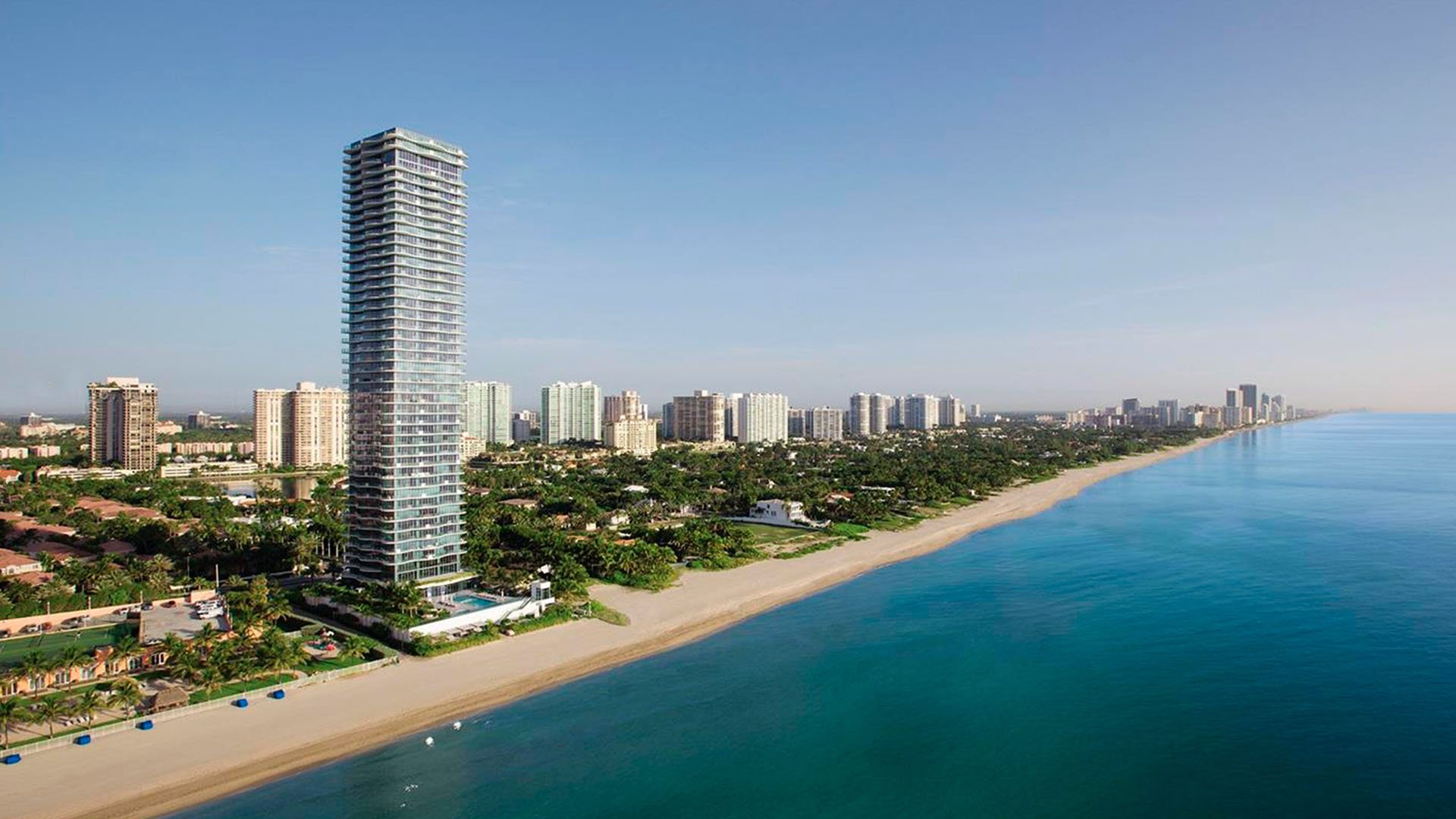
Luxury has always had a quiet side: the calibrated lobby lighting, the planted arrival court, the elevator that opens without performance, the pool deck that feels composed at noon and serene at dusk. In South Florida, that same discretion is beginning to shape how sophisticated buyers think about energy readiness in shared spaces.
Solar-ready common areas are not about turning a condominium into a technical exhibit. They are about ensuring a property is prepared for future energy choices without compromising architecture, views, service, or daily life. The distinction matters. A building that is solar-ready does not need to announce itself with visible equipment or environmental rhetoric. It simply needs the discipline to plan for what may be required later.
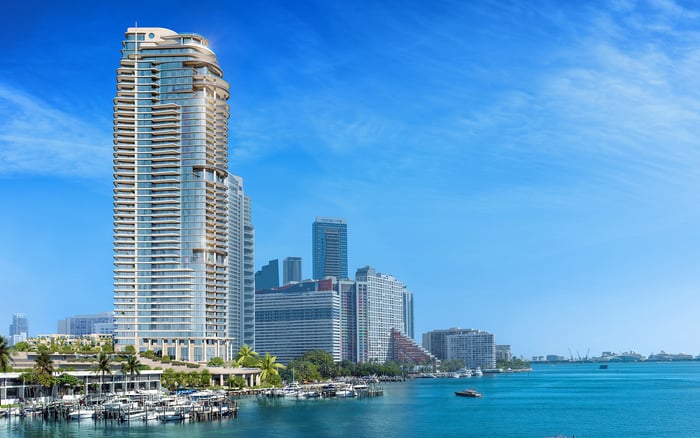
For owners comparing Brickell towers, Miami Beach retreats, Sunny Isles residences, and Coconut Grove enclaves, this is a subtle but increasingly relevant part of due diligence. The question is no longer only whether a residence has the right exposure, finish package, or amenity menu. It is whether the building has been designed with enough foresight to adapt gracefully.
In a luxury residential setting, solar-ready is best understood as a design condition rather than a finished claim. It can include appropriate roof or canopy zones, planned conduit pathways, electrical rooms with sufficient logic, space for future equipment, and common-area systems that can be intelligently connected over time. The goal is not to promise a specific outcome. The goal is to avoid expensive improvisation.
Common areas are the natural place to begin because they are shared, visible, and operationally important. Pool decks, fitness areas, garages, service corridors, landscape lighting, access systems, and amenity pavilions all depend on electricity. When the backbone is considered early, a community can preserve optionality while maintaining its design language.
This is where quiet luxury enters. The best solar-ready planning does not ask residents to accept visual clutter in exchange for virtue. It asks architects, engineers, developers, and ownership associations to coordinate early enough that future upgrades feel native to the property.
New-construction residences have the greatest opportunity to treat solar readiness as a baseline design conversation. That does not mean every building should immediately install the same equipment or pursue the same strategy. South Florida properties vary widely in roof configuration, exposure, amenity programming, service standards, and association governance.
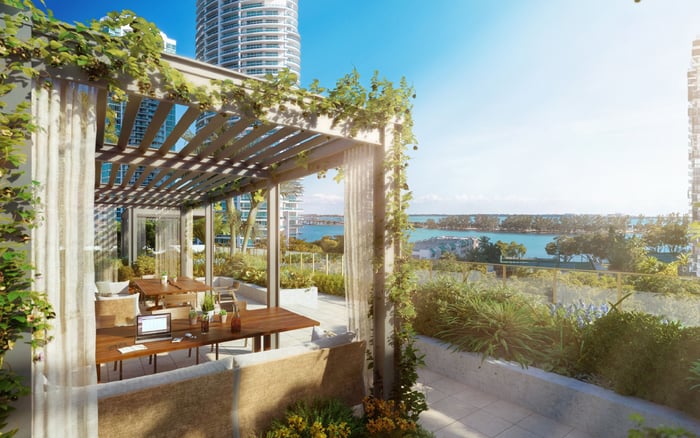
What matters is discipline. A thoughtful building can preserve clean rooflines while reserving zones that may be useful later. It can keep amenity terraces uncluttered while ensuring that shade structures, cabanas, or service areas do not block every practical option. It can organize electrical infrastructure so future decisions are less disruptive to residents.
For buyers, the most revealing question may be simple: was this considered before the building was finished? If the answer is yes, solar readiness becomes part of a broader culture of planning. If the answer is vague, it may signal that the property is focused on immediate presentation rather than long-term stewardship.
The ultra-premium market is especially sensitive to anything that feels imposed. A solar-ready property should not resemble a retrofit in waiting. It should feel like a residence whose infrastructure has been choreographed with the same care as its material palette.
That means sightlines matter. Mechanical organization matters. Access for maintenance matters. So does the relationship between rooftop areas, penthouse privacy, outdoor lounges, and building services. A poorly conceived future installation can affect the experience of a property even if it never touches an individual residence.
The more refined approach is architectural invisibility. Solar readiness can be embedded behind walls, beneath terraces, inside service spaces, and within a building’s long-range capital planning. In this sense, the amenity is not the panel, the conduit, or the control room. The amenity is preparedness.
Investment conversations around sustainability often become too loud. They lean on broad assumptions, quick slogans, or promises that belong in underwriting rather than editorial judgment. A more prudent view is that solar-ready common areas may support a property’s long-term appeal because they reduce uncertainty.
Luxury buyers tend to value control. They want buildings that can respond to changing preferences, operating conditions, and technology without tearing apart the spaces that made the property desirable in the first place. Solar readiness is one expression of that control.
It also belongs within a larger ownership lens. Reserve planning, governance quality, maintenance culture, and architectural integrity all shape how a building ages. A solar-ready framework is most compelling when it is paired with competent management and restrained design standards. Without those, infrastructure can become another fragmented project. With them, it becomes part of the building’s quiet intelligence.
A buyer does not need to become an engineer to evaluate whether a building has thought seriously about solar-ready common areas. The first step is to ask where future energy infrastructure could physically live. Roof zones, garage areas, amenity structures, and service rooms should be discussed in practical terms.
The next step is governance. Who would approve future installations? How would costs be reviewed? Would any work affect private terraces, common amenity access, or building aesthetics? In a refined building, the answers should sound organized rather than improvised.
Buyers should also ask how solar readiness relates to other systems. Lighting controls, EV charging areas, security infrastructure, elevators, pool equipment, and landscape systems may all sit within the broader conversation of energy management. The objective is not to check a box. It is to understand whether the property has a coherent infrastructure philosophy.
South Florida’s residential market has always been shaped by light. It defines the glass, the terraces, the water views, the gardens, and the way homes are staged for indoor-outdoor living. Solar-ready planning is a practical extension of that relationship, but only when handled with restraint.
The strongest version does not replace beauty with machinery. It supports beauty by keeping the property adaptable. In a region where design, comfort, and resilience are increasingly interwoven, the luxury buyer’s standard is evolving. A building should not merely impress on delivery. It should have the internal order to remain composed as expectations change.
That is the quiet luxury case: not spectacle, not moral signaling, and not a promise of instant return. Better solar-ready common areas are about preparedness, elegance, and ownership maturity. They are for buyers who understand that the most valuable systems in a residence are often the ones they rarely see.
What does solar-ready mean in a luxury building? It means the property has considered future solar infrastructure through space planning, conduits, electrical logic, and design coordination.
Does solar-ready mean solar panels are already installed? Not necessarily. Solar-ready usually refers to preparedness, not a guarantee that equipment is already operating.
Why focus on common areas instead of private residences? Common areas affect every owner and often include shared systems such as lighting, access, amenities, garages, and service spaces.
Can solar readiness be elegant? Yes. The most refined approach hides infrastructure within the architecture rather than making it a visible feature.
Is this only relevant for new-construction properties? New construction offers the cleanest planning opportunity, but existing buildings can still evaluate future-ready infrastructure thoughtfully.
Should investment buyers care about solar-ready planning? Yes, as part of a broader review of adaptability, governance, maintenance culture, and long-term building discipline.
What should buyers ask during due diligence? Ask where future equipment could be placed, how approvals would work, and whether systems were planned with expansion in mind.
Does solar-ready planning change the look of amenity spaces? It should not if handled well. Strong planning protects views, rooflines, terraces, and the overall design language.
Is this relevant in Brickell and waterfront markets? Yes. Dense urban towers and coastal residences both benefit from infrastructure planning that respects design and operations.
How does this relate to quiet luxury? Quiet luxury values restraint, longevity, and invisible quality, which makes solar-ready planning a natural fit.
To compare the best-fit options with clarity, connect with MILLION.
If branded residences are on your mind — as a home or as an allocation — we would be glad to share what we are seeing, privately.
Begin a quiet conversation