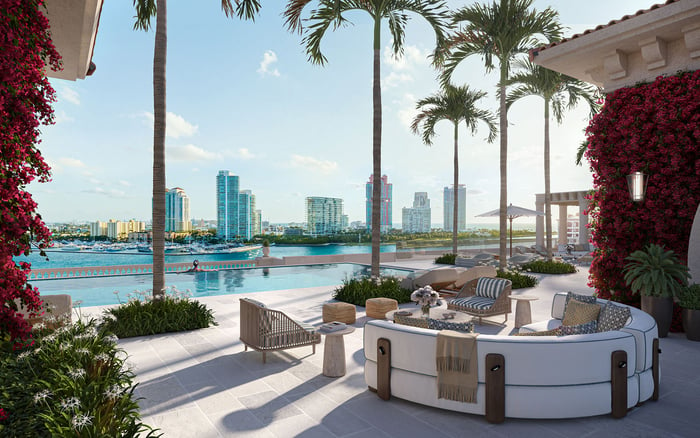
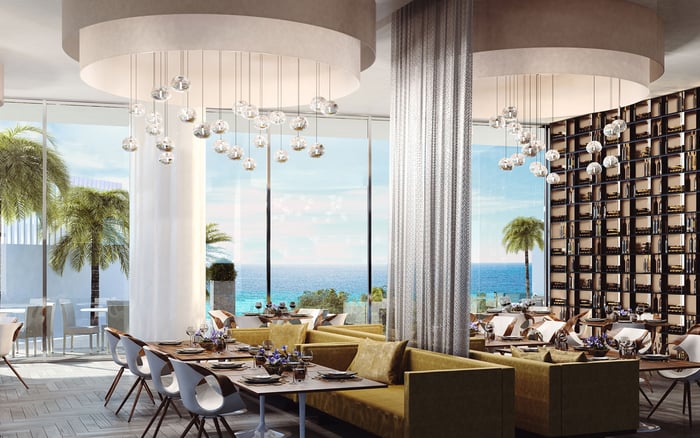
A discreet, practical guide for technology-minded buyers evaluating South Florida oceanfront residences, with emphasis on privacy, building culture, daily rhythm, and due diligence.
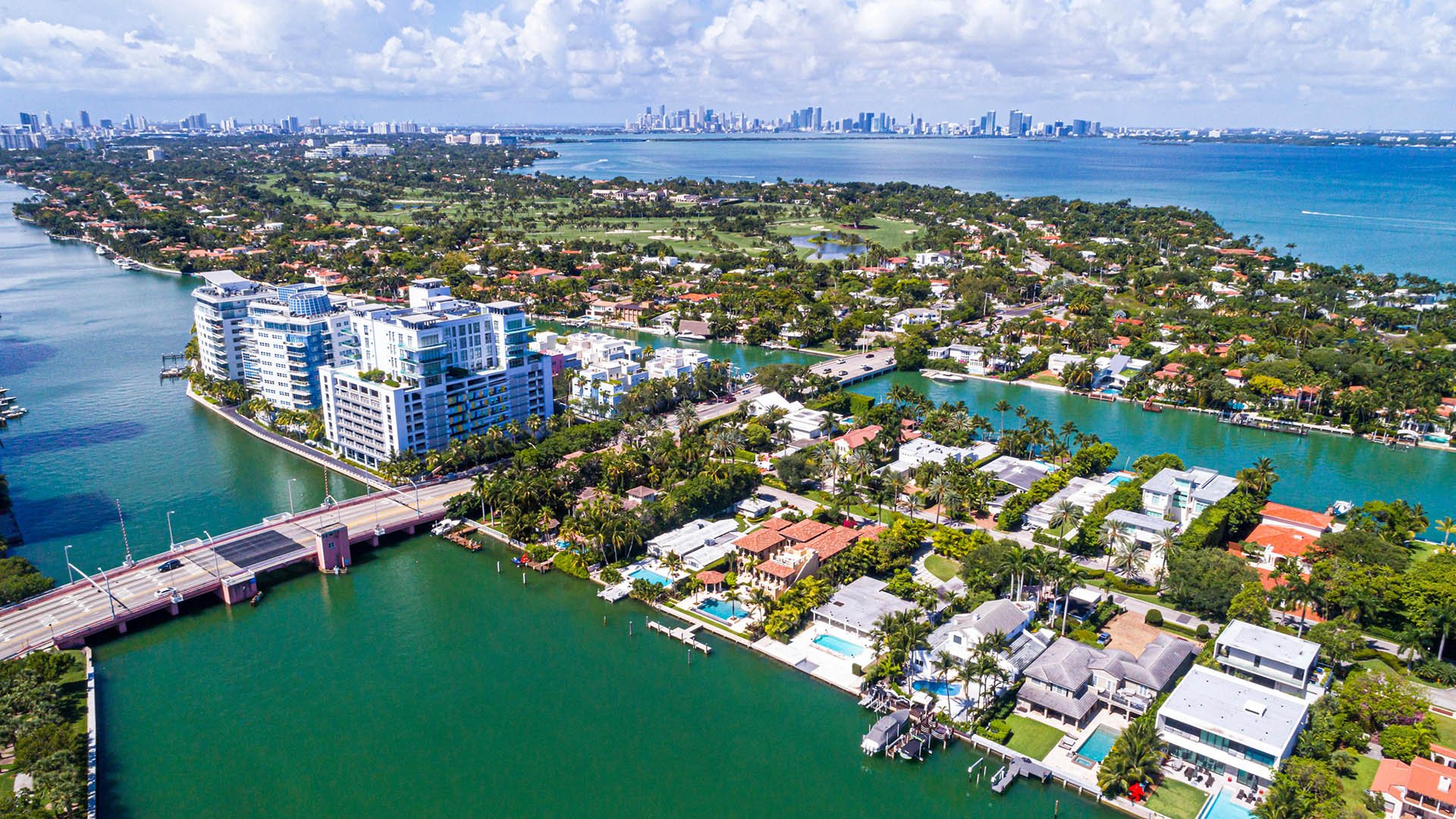
For a Silicon Valley buyer, choosing an oceanfront residence in South Florida is rarely just a search for a beautiful balcony. It is a transfer of operating style. The same instincts that guide a founder, investor, or senior executive toward privacy, efficiency, optionality, and long-term control should also guide the choice of building, neighborhood, floor plan, and ownership structure.
The ocean is the emotional draw. The residence is the instrument. The right choice should simplify daily life, not merely make it more theatrical. It should support focused work, family logistics, wellness routines, guests, security, and the quiet pleasure of waking up to a horizon that requires no appointment.
This perspective is for a buyer arriving from the Bay Area with a different understanding of space, service, and time. South Florida rewards precision. Surfside, Miami Beach, Bal Harbour, Sunny Isles Beach, Fort Lauderdale, Pompano Beach, and Palm Beach can all deliver water, light, and luxury, but they do not deliver the same life.
The first question is not which tower is most photogenic. It is how the residence will actually be used. A primary home has different requirements than a seasonal base. A family residence asks for storage, staff access, school commutes, guest privacy, and durable interiors. A second home often prioritizes lock-and-leave simplicity, hotel-like service, and immediate access to the beach, dining, and airport routes.
Technology buyers often underestimate the operational layer of oceanfront living. Elevators, valet rhythm, package handling, service corridors, guest registration, pet policies, beach access, and board culture all shape the experience. Two residences with similar views can feel entirely different once daily routines begin.
Consider your work pattern as well. A residence that photographs beautifully may not support a serious remote-work routine if the plan lacks acoustic separation, natural light in the office area, or a calm arrival sequence. In the best oceanfront buildings, luxury is not only visible in finishes. It is felt in how little friction the day contains.
Surfside has a particular appeal for buyers who want the ocean without the constant performance of a larger resort district. Its strongest residences tend to attract people who value discretion, walkability, and a quieter sense of arrival. For a Silicon Valley household used to privacy as a form of luxury, Surfside can feel intuitive.
The decision within Surfside often comes down to scale and personality. A buyer drawn to architectural quietude may look at The Delmore Surfside as part of a broader comparison of new-generation oceanfront living. Another buyer may prefer the established boutique character associated with Arte Surfside, especially if intimacy and design identity matter more than a large amenity ecosystem.
In Surfside, study the edges. How does the building meet the street? How private is the entry? Is the beach access direct and dignified? Does the lobby feel like a social stage or a calm threshold? These details shape whether the residence feels like a sanctuary or simply a luxury address.
Miami Beach is better suited to buyers who want oceanfront living near a broader cultural and social field. It can serve the household that wants dinner, design, wellness, beach, and nightlife within a compact radius, while still maintaining a private residential base.
The tradeoff is intensity. Buyers should be honest about their tolerance for movement, visitors, events, and seasonal energy. The right Miami Beach building can create a composed interior life amid an active setting, but that depends on orientation, entry design, amenity management, and resident culture.
A residence such as The Perigon Miami Beach belongs in the conversation when the buyer wants a design-forward oceanfront address within a Miami Beach lifestyle context. The question is not simply whether the building is beautiful. It is whether its version of luxury aligns with how you want your evenings, weekends, and guest visits to unfold.
Sunny Isles Beach often appeals to buyers who want a more vertical interpretation of coastal living. Tall towers, expansive water views, and a resort-oriented atmosphere define much of the experience. For some Silicon Valley buyers, the appeal is clear: secure arrival, broad amenity programs, generous exposures, and a strong sense of being above the coastline.
The key is to compare view quality with livability. A dramatic high-floor residence can be extraordinary, but daily comfort still depends on elevator performance, wind exposure on terraces, service flow, parking convenience, and the ability to host without disrupting private family areas.
Buyers evaluating branded or service-rich residences may include St. Regis® Residences Sunny Isles in their review, particularly when hospitality language, service expectations, and oceanfront identity are central to the purchase. The strongest Sunny Isles Beach choice balances spectacle with usability.
A sophisticated buyer should examine an oceanfront condominium with the same seriousness used to evaluate an asset, even when the purchase is primarily emotional. Governance, reserves, insurance posture, maintenance culture, capital planning, rental rules, and owner composition all affect the ownership experience.
The building’s physical condition matters, but so does its decision-making culture. Is the association proactive or reactive? Are common areas maintained with discipline? Are staffing standards consistent? Is the property managed for long-term preservation or short-term appearance?
Do not let interiors distract from the building envelope. Salt air, wind, sun, and water exposure are part of coastal life. The residence should be reviewed for windows, doors, terrace conditions, mechanical systems, and practical maintenance access. Beauty is essential, but stewardship protects beauty.
Finishes can be changed. A compromised plan is harder to solve. Prioritize ceiling height, natural light, primary suite privacy, kitchen functionality, guest separation, storage, service access, and terrace usability. If you work from home, identify where calls happen, where confidential conversations can occur, and how the home feels during a full household day.
For families, the best floor plans create zones. Children, guests, staff, and owners should be able to move without colliding. For couples, proportion and calm may matter more than bedroom count. For frequent hosts, the arrival sequence and powder room placement can be as important as the view.
Also consider the angle of the ocean. Direct oceanfront is powerful, but some buyers prefer a layered view with coastline, city lights, and bay color. The right orientation depends on how you live from morning to night.
The most compelling South Florida oceanfront residence should make life feel more fluent. It should remove small irritations, support privacy, and make wellness feel natural. It should be easy to leave, easy to return to, and satisfying during both quiet weekdays and full holiday weeks.
For buyers relocating from Silicon Valley, the best decision is not necessarily the most visible address. It is the residence that makes the new chapter feel inevitable. When the building culture, neighborhood rhythm, plan, view, and service model align, the purchase becomes more than a move to the beach. It becomes a better operating system for daily life.
What should a Silicon Valley buyer prioritize first in an oceanfront residence? Prioritize use case, privacy, building operations, and floor plan before focusing on finishes or views.
Is Surfside a good fit for buyers seeking discretion? Surfside can suit buyers who prefer a quieter oceanfront setting with a more restrained residential rhythm.
How does Miami Beach differ from Surfside for daily living? Miami Beach generally offers a more active lifestyle context, while Surfside tends to feel more private and compact.
Why do some buyers consider Sunny Isles Beach? Sunny Isles Beach appeals to buyers who value height, expansive views, and a resort-style oceanfront atmosphere.
Should I choose direct ocean views over a better floor plan? Not always. A strong floor plan often delivers more daily value than a dramatic view paired with awkward living spaces.
What building documents should be reviewed before purchase? Buyers should review association rules, financials, insurance information, maintenance history, and governance materials with advisors.
How important is elevator and valet performance? These operational details are important because they shape daily convenience and can affect how private and efficient the building feels.
Are branded residences automatically better? No. Branding can signal service expectations, but the plan, location, governance, and resident culture still need careful review.
What makes a residence suitable for remote work? Look for acoustic separation, natural light, reliable service areas, and a plan that supports calls without household disruption.
When should a buyer involve professional advisors? Advisors should be involved early, especially for legal, tax, insurance, financing, and property-condition review.
To compare the best-fit options with clarity, connect with MILLION.
If branded residences are on your mind — as a home or as an allocation — we would be glad to share what we are seeing, privately.
Begin a quiet conversation