A discreet guide for international buyers who want South Florida amenities with residential calm, service discipline, privacy, and a daily rhythm that feels considered rather than theatrical.
For a Zurich buyer considering Brickell or the broader South Florida coast, the amenity conversation should begin with restraint. The most sophisticated residence is not always the one with the longest amenity menu. It is the one where amenities support daily life without turning the building into a perpetual hotel lobby.
That distinction matters in South Florida, where the market has embraced wellness rooms, private dining, lounges, pools, arrival courts, spa areas, children’s spaces, work suites, and staffed services. Depth can be valuable, especially for an owner who splits time between Europe and Miami. Yet depth without discipline can feel performative. The right building lets you use what you need, avoid what you do not, and move through shared spaces without feeling observed.
For buyers accustomed to Swiss privacy, the aim is not minimalism for its own sake. It is precision. Amenity depth should create options, not obligations. It should make the residence easier to live in, easier to host from, and easier to leave secure when travel resumes.
Brickell is compelling for buyers who want a strong urban base, financial-district proximity, dining, bay views, and a walkable daily pattern. But the neighborhood’s energy makes building selection especially important. A tower can be beautifully located and still feel too public if the amenity sequence pulls residents through busy shared zones.
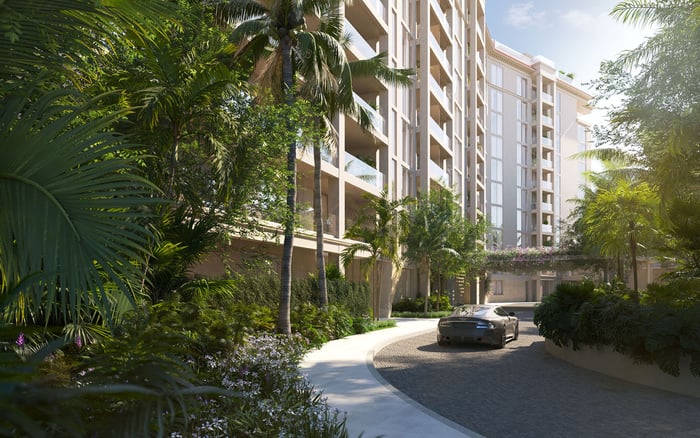
When evaluating a Brickell address, study the route from vehicle arrival to elevator, from elevator to residence, and from residence to the amenities you will actually use. Ask whether wellness, work, dining, and pool areas are designed as residential extensions or as social stages. A project such as 2200 Brickell can be considered through that lens: not simply as a Brickell name, but as a prompt to examine how scale, entry, circulation, and daily programming align with your preferred level of discretion.
The same applies to taller or more overtly branded environments. At St. Regis® Residences Brickell, due diligence should focus on whether service expectations, owner privacy, and amenity access feel residential first. In Brickell, the best fit is often the building that gives you the city when you want it and calm when you close the door.
A useful exercise is to build a seven-day amenity map before touring. Do you train daily, host monthly, work from home several mornings a week, travel frequently, or need an easy guest experience for family arriving from Europe? A building with fewer but better-used spaces may outperform one with a more expansive program that does not match your routine.
Wellness is the clearest example. A gym, treatment area, pool, and recovery space are valuable only when they are convenient, reserved intelligently, maintained consistently, and not overwhelmed at predictable hours. The difference between luxury and resort feeling is often operational rather than visual. If every desirable space requires social negotiation, the building may not serve a private buyer well.
The same test applies to entertaining. Private dining rooms, lounges, and terraces should help an owner host without sacrificing the intimacy of the home. If the amenity floor becomes the building’s default social center, it may feel lively but not necessarily refined. The strongest South Florida residences allow hosting to feel effortless while preserving the hierarchy between private residence and shared environment.
Lifestyle is a word used broadly in luxury real estate, but for a Zurich-to-Miami buyer it should be interpreted narrowly. It means the building makes daily habits smoother. It does not mean every arrival should feel like an event.
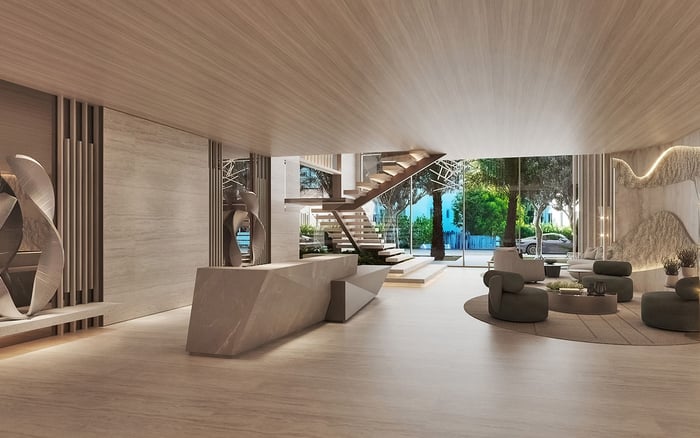
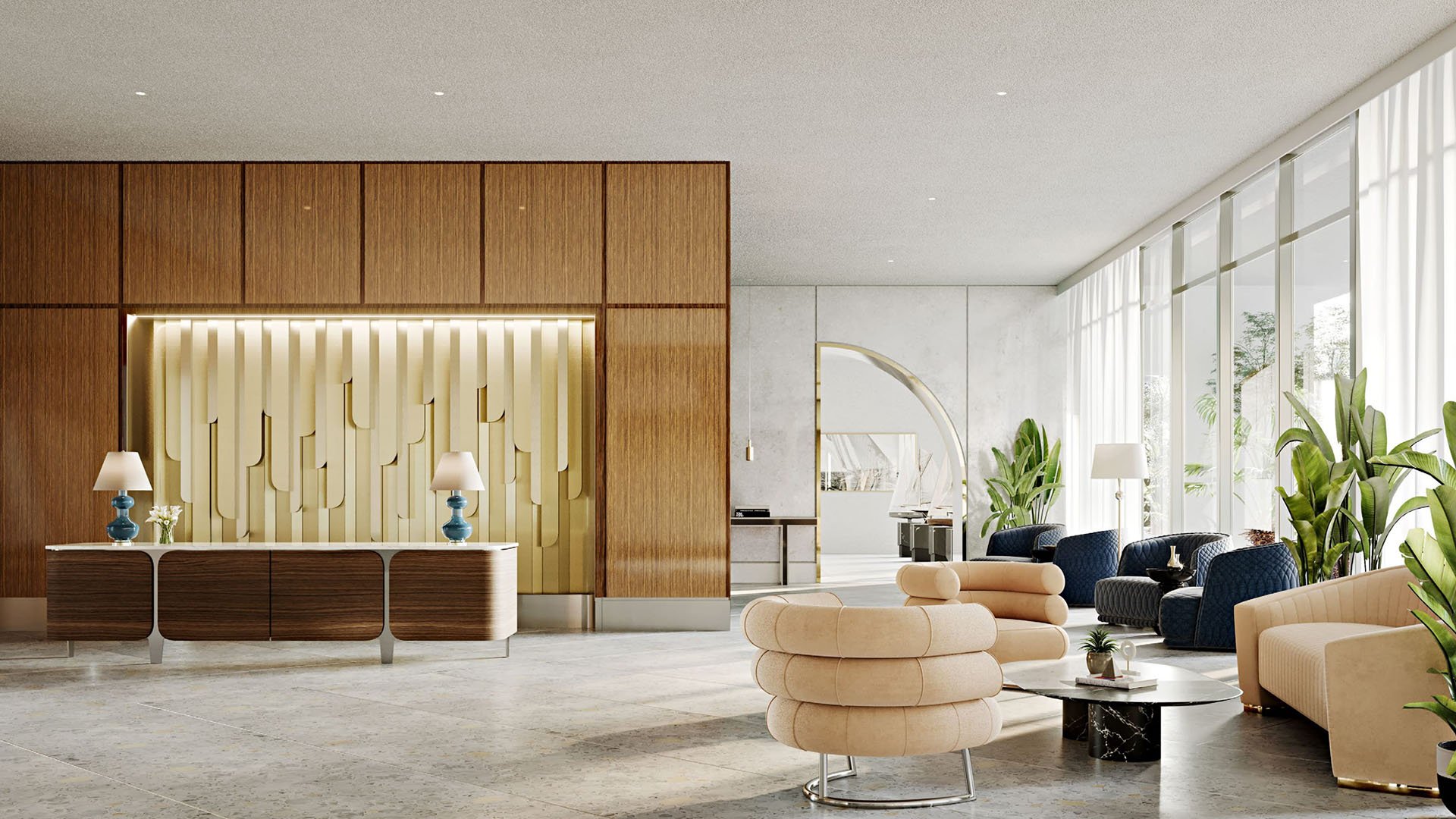
Look closely at lobby proportions, staffing posture, lighting, acoustics, and the number of nonresidents who may pass through the building. In a true residential atmosphere, staff recognition feels discreet, not ceremonial. Seating areas are useful, but they do not invite lingering by everyone. Corridors, elevators, mail areas, package rooms, pet routes, and service entries are planned so residents are not constantly crossing operational traffic.
This is where South Florida differs from many European expectations. A dramatic lobby may photograph beautifully, but the more relevant question is whether it ages into daily calm. Does the design feel composed at 8 a.m., after a long-haul flight, during school pickup, or when guests arrive for dinner? If the answer is yes, amenity depth can feel like infrastructure rather than spectacle.
Boutique scale can help, but it is not a guarantee. A smaller building can still feel socially intense if its few shared spaces are overprogrammed. Conversely, a larger building can feel surprisingly private if circulation is well separated and amenities are distributed intelligently.
For buyers considering Coconut Grove, the attraction is often a softer residential rhythm, tree canopy, marina access nearby, and a less vertical emotional profile than the urban core. A property such as The Well Coconut Grove invites a buyer to ask whether wellness-oriented living can remain personal rather than branded as a constant social identity. In Coconut Grove, amenity depth should feel integrated with neighborhood life, not sealed off from it.
Boutique also has a maintenance dimension. Fewer residences may mean a more intimate feel, but buyers should understand how staffing, reservations, guest policies, and long-term upkeep are structured. A private atmosphere depends on governance as much as design.
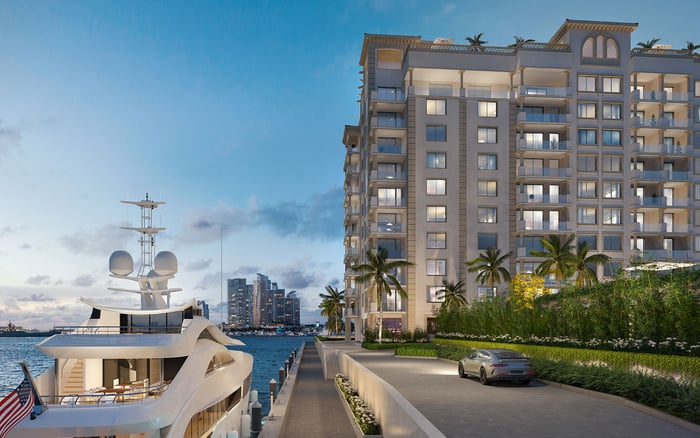
Waterfront living in South Florida carries obvious appeal, but water alone does not create serenity. The true test is whether the building protects the experience of light, air, view, and arrival. Miami Beach buyers, for example, may seek proximity to sand and culture while avoiding a resort cadence. That makes the boundary between private residence and hospitality energy especially important.
At The Perigon Miami Beach, a buyer can frame the tour around transitions: from porte cochere to lobby, from residence to beach or pool, and from shared wellness spaces back to private interiors. The most successful Waterfront buildings make these transitions feel natural, not theatrical.
Bay Harbor Islands can offer another version of calm, often appealing to buyers who want residential scale with access to Miami Beach, Bal Harbour, and the mainland. Considering Onda Bay Harbor through the same lens, the question is not whether the setting is quieter than Brickell. It is whether the amenity program supports that quiet rather than diluting it.
Before committing, ask five practical questions. First, which amenities will you use weekly, monthly, and rarely? Second, can you reach those spaces without passing through social bottlenecks? Third, does the building distinguish residents, guests, staff, deliveries, and service traffic with grace? Fourth, are rules and reservations designed to preserve access rather than create friction? Fifth, does the building still feel like home when it is busy?
The Zurich buyer often values predictability. In South Florida, that predictability comes from careful building selection, not from avoiding amenities altogether. The ideal residence offers enough depth to make ownership comfortable across seasons, but enough restraint to keep the atmosphere private. Brickell may be the starting point, yet the right answer may also be Miami Beach, Coconut Grove, Bay Harbor, or another neighborhood where the amenity culture matches your personal cadence.
What does amenity depth mean in a South Florida residence? It means the building offers a layered set of useful spaces and services, such as wellness, hosting, work, and arrival support, without relying on spectacle.
Why might a Zurich buyer be cautious about resort-style amenities? Buyers accustomed to privacy may prefer amenities that feel controlled, quiet, and residential rather than highly social or hotel-like.
Is Brickell too busy for a discreet residential lifestyle? Not necessarily. The right Brickell building can provide urban access while preserving calm through thoughtful circulation, staffing, and amenity placement.
Should I choose the building with the largest amenity package? Not by default. A smaller set of well-managed amenities that match your weekly routine may be more valuable than a long list of rarely used spaces.
How should I evaluate a wellness amenity program? Focus on convenience, privacy, maintenance, reservation rules, and whether the spaces can be used comfortably at peak times.
Does Boutique always mean more private? No. Boutique scale can help, but privacy depends on layout, governance, staffing, and how shared spaces are programmed.
What should I look for during a property tour? Watch the arrival sequence, elevator access, service routes, acoustic comfort, lobby behavior, and the path from residence to amenities.
Can Waterfront living still feel understated? Yes. Waterfront residences feel most refined when view, air, pool, and outdoor access are handled as private extensions of home.
How important are guest policies for international owners? Very important. Clear guest, delivery, and service protocols help a part-time owner maintain comfort and control while traveling.
What is the best way to compare Brickell with Miami Beach or Coconut Grove? Compare the rhythm of daily life, not only the address. The best choice is the neighborhood and building where your routines feel natural.
To compare the best-fit options with clarity, connect with MILLION.
If branded residences are on your mind — as a home or as an allocation — we would be glad to share what we are seeing, privately.
Begin a quiet conversation