A discreet buyer’s guide for Toronto clients evaluating Sunny Isles Beach and nearby South Florida residences through the lens of views, exposure, permanence, and due diligence.
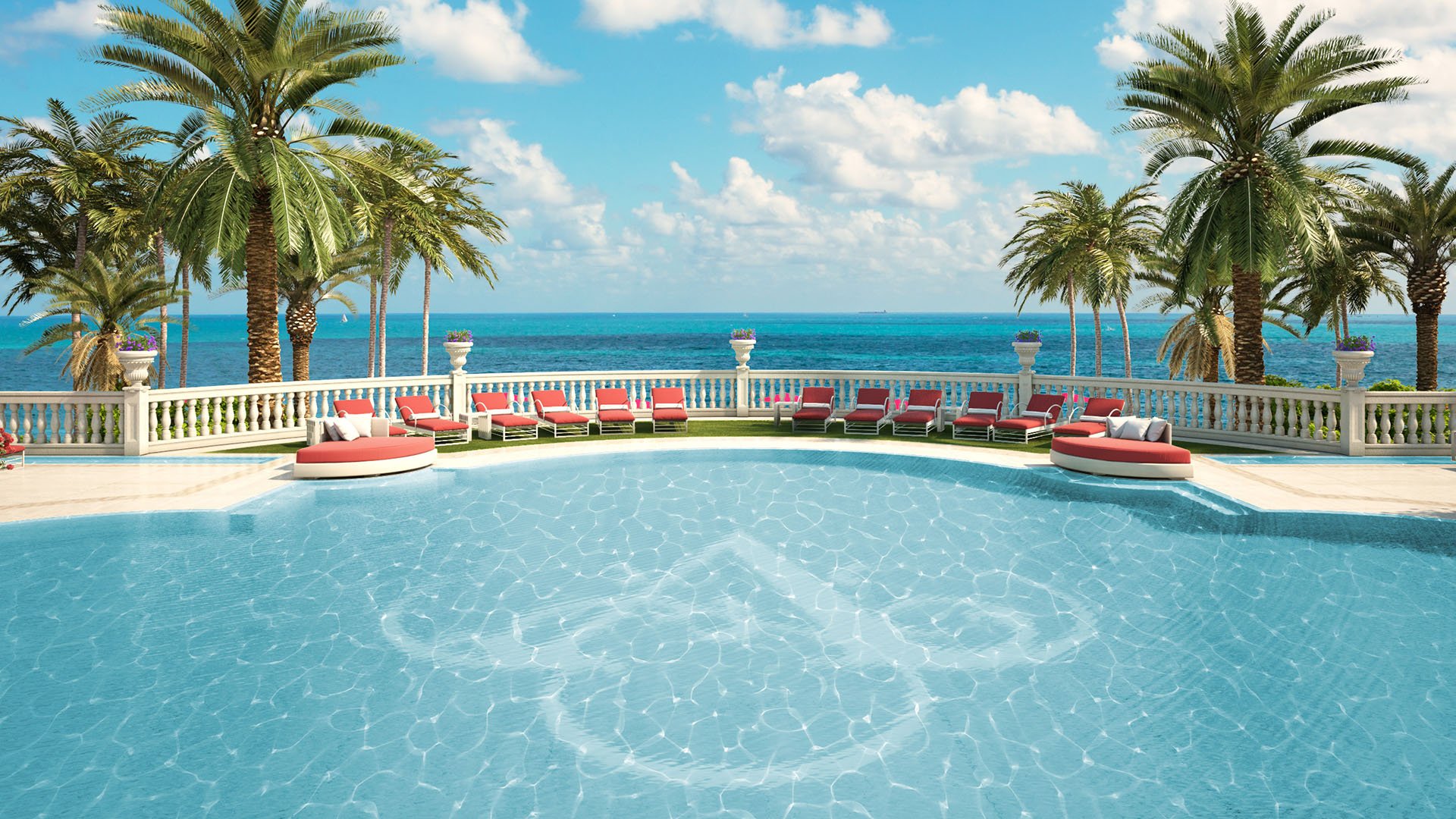
For a Toronto buyer evaluating Sunny Isles Beach, the conversation often begins with climate, tax planning, schools, flights, and lifestyle. Yet in the ultra-premium market, the more discerning question is quieter: what, exactly, will I be looking at in ten years?
In South Florida, a view is not simply a photograph from a balcony. It is a composition of exposure, height, neighboring parcels, civic edges, water geometry, and the probability of future change. “Protected view corridor” is often used conversationally, but buyers should treat it as a due-diligence concept rather than a slogan. A protected or more defensible outlook may come from direct ocean frontage, adjacency to public land, unusually wide setbacks, low-rise surroundings, water bodies, or a combination of planning constraints and physical geography. None should be assumed without verification.
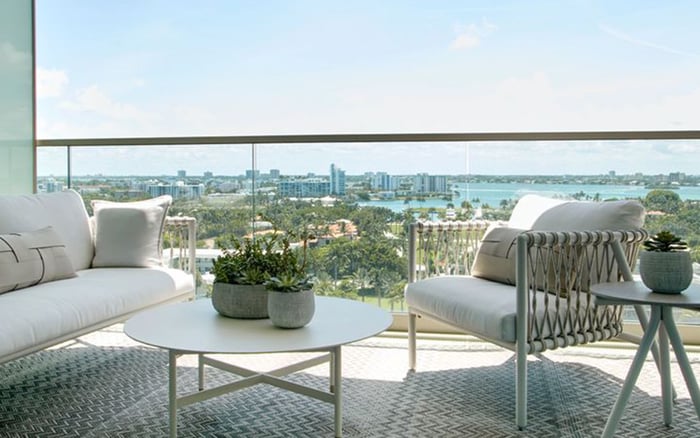
That distinction matters for Toronto buyers because South Florida’s waterfront is more horizontal, more light-sensitive, and more emotionally tied to outdoor living. A suite that feels expansive at noon may read very differently at sunset. A higher floor may not be automatically superior if its principal exposure looks across a developable parcel. A lower residence may feel unusually private if its line of sight is framed by dunes, beach, marina water, or a long lateral view rather than a straight-on obstruction.
The phrase should be unpacked into three separate questions. First, is the view physically protected by water, beach, parkland, or another long-term open space? Second, is the view legally or politically supported by current land-use conditions? Third, is the buyer paying a premium that assumes permanence, or simply paying for today’s enjoyment?
A careful buyer should ask for the view to be studied in plan, not only in photography. Balcony orientation, glass line, column placement, terrace depth, and the shape of neighboring sites all influence what the eye actually receives. On the oceanfront, an eastern view can feel elemental, but side views may depend heavily on the relationship between towers. On the Intracoastal or bay side, the panorama can be broader, yet future context must still be examined parcel by parcel.
For many Toronto families, the ideal is not absolute certainty. It is intelligent asymmetry: buying a residence where the most important view planes have the strongest physical or civic reasons to remain open. That may mean prioritizing oceanfront frontage, selecting a stack with a diagonal water view, or choosing a building whose amenity and residence layouts make the best exposures feel integral rather than ornamental.
Sunny Isles Beach is often chosen for its vertical oceanfront lifestyle: high service, resort-grade amenities, beach access, and a skyline shaped by luxury condominium living. For buyers focused on Sunny Isles Beach, the key is to separate the romance of the address from the mechanics of the line of sight.
Direct east-facing residences have the clearest emotional appeal. Morning light, water color, and horizon views are central to the area’s identity. Yet even there, buyers should evaluate balcony depth, neighboring tower spacing, and whether a primary room has a true frontal view or a more oblique one. In a market where glass, ceiling height, and terrace scale carry meaningful value, the view should be tested from the living room, the primary bedroom, the kitchen, and the outdoor seating zone.
Residences such as Bentley Residences Sunny Isles, St. Regis® Residences Sunny Isles, and The Ritz-Carlton Residences® Sunny Isles are often considered by buyers who want a branded or highly serviced residential environment. The view analysis should still remain independent of the name on the porte cochère. A great brand can elevate daily life, but it does not replace a disciplined review of exposure, stack, future context, and resale audience.
Many relocating buyers instinctively equate high floors with better value. In some cases, that is correct: elevation can improve water reach, skyline breadth, privacy, and light. But height is not the only variable. A mid-level home with a clean diagonal over the beach or water may outperform a higher residence with a compromised angle. A lower home may feel more connected to the sand, palms, pool deck, and sound of the ocean, which can be especially appealing for second-home living.
The best approach is to compare views by use case. If the residence will be occupied for long winter stays, glare, wind, balcony usability, and afternoon heat matter. If it is a principal residence, privacy from neighboring towers becomes more important. If the home is intended as a legacy asset, the buyer should think like a future purchaser and ask which outlook will be easiest to understand in one showing.
Toronto buyers are often sophisticated about vertical living, but South Florida adds a different vocabulary: the value of dawn, salt air, terrace dining, and the line where ocean meets sky. Water view is not a generic category here. It can be direct, lateral, framed, filtered, seasonal in feel, or dependent on height. Each version prices differently and lives differently.
A view-first strategy does not always require choosing the most obvious beachfront tower. Some buyers prefer a waterfront home with calmer water, marina atmosphere, or a more residential pace. Others want the energy of Miami Beach, Surfside, Bal Harbour, or Bay Harbor Islands, where the view may be shaped by bay water, low-rise streets, gardens, or architectural foreground rather than open ocean alone.
For example, The Delmore Surfside may appeal to buyers comparing a quieter coastal setting with proximity to the broader Miami Beach lifestyle. In Bay Harbor Islands, Onda Bay Harbor represents a different kind of view conversation, one oriented around bayfront living and a more intimate urban scale. These alternatives can be useful comparables, even for a buyer who ultimately returns to Sunny Isles.
The goal is not to decide that one area is superior. It is to understand which view type best supports the way the owner will actually live. Ocean horizon, Intracoastal movement, marina water, skyline shimmer, and garden foreground each create a different daily rhythm.
Before committing, a buyer should request a view-specific review alongside the conventional contract, building, and financial analysis. The review should consider the unit’s stack, floor height, glass orientation, balcony geometry, neighboring parcels, current surroundings, and plausible future change. Renderings and photographs are useful, but they should not be the only basis for a premium decision.
It is also wise to visit at different times of day. Morning light can flatter an oceanfront home, while late afternoon may reveal heat, reflection, or unexpected privacy concerns. Night views matter as well. Some buyers want darkness and horizon; others want the glitter of towers and causeways. The correct answer depends on temperament.
A useful way to frame the decision is this: do not buy the view you were shown; buy the view you have tested. That means standing at the main seating area, imagining dining on the terrace, checking bedroom privacy, and asking whether the outlook still feels valuable when the weather is imperfect.
A protected or more defensible view can support long-term desirability, but buyers should avoid treating it as a guarantee. The strongest purchases are those where the residence has multiple value pillars: architecture, service, location, floor plan, terrace quality, building condition, and a view that is both beautiful and explainable.
This is especially important for Toronto owners who may use the property seasonally before selling or transitioning it to family use. A future buyer should be able to understand the residence within minutes. If the view premium requires too much explanation, the pricing may be vulnerable. If the outlook is immediate, serene, and difficult to replicate, the asset has a clearer story.
In Sunny Isles and the surrounding coastal market, the best homes are rarely purchased on view alone. They are selected because the view, plan, service model, and neighborhood all reinforce one another. That is the difference between a beautiful apartment and a confident South Florida home.
Is a protected view corridor the same as an unobstructed view? No. An unobstructed view describes the present condition, while a protected or defensible view requires deeper review of surrounding land, water, and planning context.
Should Toronto buyers prioritize direct ocean views in Sunny Isles Beach? Direct ocean views are highly desirable, but the best choice depends on privacy, floor plan, terrace usability, and long-term context.
Are higher floors always safer for preserving views? Not always. Higher floors can improve exposure, but angle, neighboring sites, and building spacing may matter more.
What is the first question to ask about a view premium? Ask what physical or civic condition supports the premium. Water, beach, parks, and low-rise edges can all influence confidence.
How many times should a buyer visit before deciding? More than once when possible. Morning, afternoon, evening, and overcast conditions can reveal different strengths and weaknesses.
Can a side ocean view be better than a direct view? Sometimes. A diagonal or lateral view may offer privacy, depth, and a broader sense of coastline than a more exposed frontal view.
Do branded residences change the view analysis? They may enhance service and lifestyle, but the view should still be reviewed independently by stack, floor, and exposure.
What should seasonal owners consider? Seasonal owners should weigh winter light, terrace comfort, storage, service, and how easily the home can be maintained while away.
Is bayfront living a compromise compared with oceanfront living? Not necessarily. Bayfront residences can offer calmer water, evening light, and a more private residential mood.
What makes a view valuable at resale? A valuable resale view is easy to understand, pleasant from primary rooms, and supported by a setting that feels difficult to replicate.
For a discreet conversation and a curated building-by-building shortlist, connect with MILLION.
If branded residences are on your mind — as a home or as an allocation — we would be glad to share what we are seeing, privately.
Begin a quiet conversation