Palm Beach and West Palm Beach are entering a new era of ultra curated coastal condominiums where resilience is treated as carefully as aesthetics. Boutique projects such as Aman Palm Beach Residences, Forté on Flagler West Palm Beach and Alba West Palm Beach pair low density layouts, discreet amenities and timeless design with elevated slabs, hurricane hardened structure and corrosion resistant detailing. Layered on top are Florida's new inspection and reserve funding regimes and increasingly sophisticated insurance strategies. Together, these elements transform the best waterfront towers into shoreline strongholds that protect both lifestyle and long term capital.
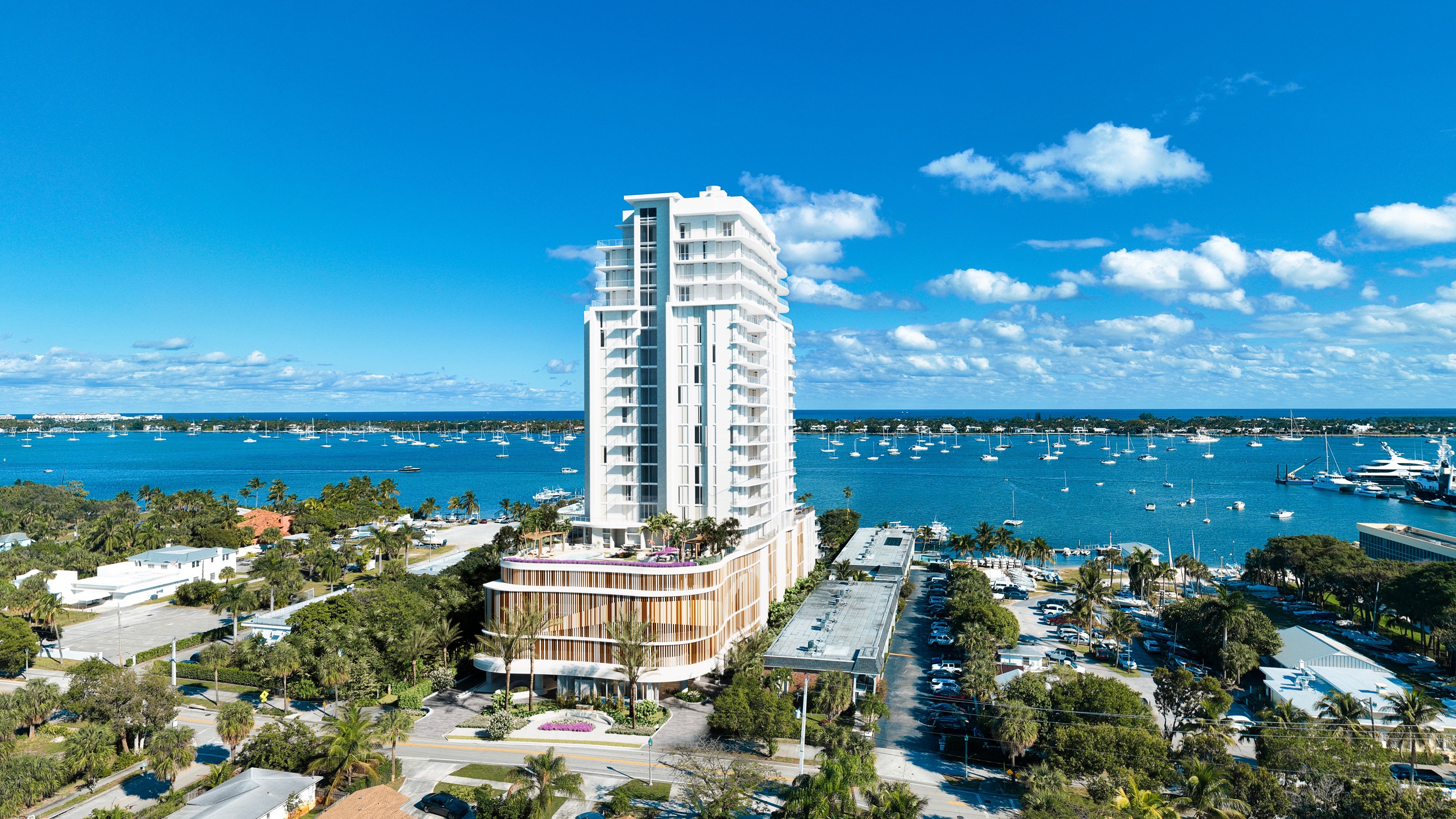
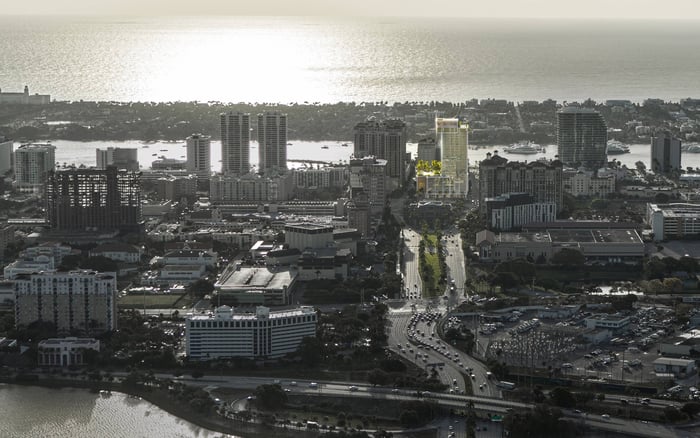
The oceanfront edge of Palm Beach has always felt like a private front row seat to the Atlantic, but the skyline along the island and its West Palm Beach counterpart is quietly entering a new chapter. After more than two decades without a true new oceanfront condominium on the island, a considered renaissance is reshaping the coastal zone with a handful of ultra curated buildings. For buyers, the question is no longer simply who has the best view, but which residences are engineered and governed to protect capital as carefully as they protect comfort.
A new generation of developers, from international names to long standing local families, is treating Palm Beach's shoreline as a canvas for low density, design led compounds. At the center of that shift is Aman Palm Beach Residences, the first ground up oceanfront condominium on Palm Beach Island in more than twenty years. OKO Group and its partners are replacing the former Ambassador Hotel complex with just 41 expansive homes spread across three five story buildings, dramatically reducing the original 135 key count and easing the strain on services, traffic and the surrounding dunes.
That deliberate reduction in density does more than elevate privacy. With nearly five acres to work with, the master plan can allocate generous setbacks, broad lawns and restored dune systems rather than crowding every square foot with sellable area. Fewer residences mean fewer cars, lighter infrastructure loads and a calmer, resort like atmosphere; they also mean a structure that can be tailored to the particularities of the site, from wind angles to flood pathways, rather than forced into a rigid tower format.
Every serious project in this coastal zone must also run the scrutiny of the Palm Beach Architectural Commission. ARCOM's remit is both aesthetic and environmental, and developers routinely factor one to two years of design review into their timelines. This friction is intentional. It filters out rushed proposals and pushes serious teams to engage best in class architects and interior designers, whether that is a neo traditional limestone tower by Robert A. M. Stern Architects on South Flagler Drive or the crystalline profile of Forté on Flagler West Palm Beach by Arquitectonica. Timeless architecture, executed at a high level, is more than visual theatre; it is an insurance policy that the building will age with grace and remain desirable for decades.
In this part of Florida, resilience has become the quiet luxury amenity that sophisticated purchasers now ask about in the first meeting. The modern Florida Building Code, repeatedly strengthened since the early 2000s and most recently updated in 2023, mandates a suite of measures aimed squarely at wind and water. New coastal condominiums are designed around impact rated glazing, storm fastened roofs, reinforced concrete frames and anchoring details that help a tower ride out a major hurricane with controlled flex rather than catastrophic failure.
Elevation is treated with equal seriousness. Updated Palm Beach County flood maps have pulled more properties into high risk zones, and newer buildings answer with higher finished floor levels and layers of flood proofing. Codes require that primary living spaces sit at or above the base flood elevation, and many developers prudently add a cushion of freeboard above the minimum. At Forté on Flagler West Palm Beach, mechanical systems and emergency generators sit well above street level within hardened rooms, so that even if garage levels or entry courts are affected by storm surge, critical services remain protected.
On the island itself, the Coastal Construction Control Line overlays this engineering logic with siting discipline. Once a project crosses that invisible line in the sand, specialized foundations, setbacks and dune protection measures are required to prevent erosion and safeguard public beaches. The low rise plan at Aman is a direct response to these realities. By keeping buildings to five stories, stepping them behind reconstructed dunes and anchoring deep piles into the coastal substrate, Aman Palm Beach Residences can temper wind exposure while preserving the sense of being almost level with the sea.
The materials palette is equally considered. Salt laden air can quietly attack traditional steel and concrete over time, so structural engineers now specify high strength concrete mixes with corrosion inhibitors, epoxy coated reinforcing bars and stainless steel connection hardware in the most exposed locations. Balconies, parapets and roof edges are detailed to shed water quickly rather than trap it, and waterproofing membranes are treated as primary structure, not afterthought. Many development teams engage marine focused engineering consultancies to model storm scenarios and sea level rise so that the skeleton of the building is, quite literally, overbuilt for its environment.
In the ultra prime segment, privacy has always been a currency as prized as square footage. Palm Beach's newest coastal residences lean into that idea with strikingly low unit counts. Both Aman Palm Beach Residences and Forté on Flagler West Palm Beach offer just 41 homes apiece, which translates to only one or two expansive residences per floor in the case of Forté, and villa like layouts in Aman’s low rise buildings. Private lift lobbies, service elevators and carefully separated back of house circulation let residents move through the property with minimal overlap.
Thoughtful planning extends beyond the lift core. Party walls are typically demised with multiple layers of acoustic insulation, floor plates are arranged to avoid stacking bedrooms over living rooms, and generous setbacks from busy roads soften ambient noise. Generous landscaping buffers gardens and pool decks from neighboring parcels, so that even in West Palm Beach's fast evolving waterfront corridor, the experience on site is one of calm rather than spectacle.
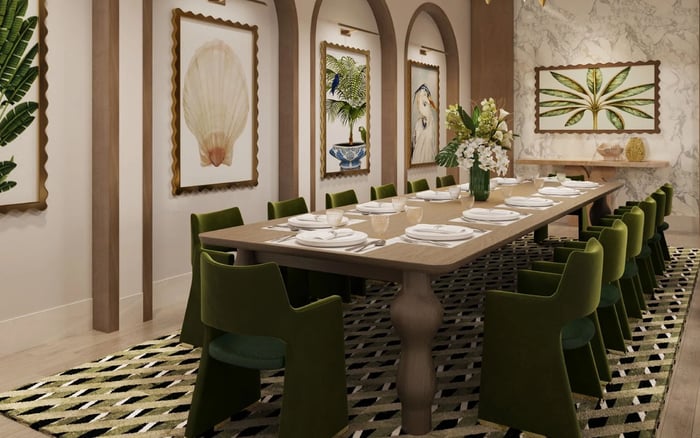
Amenities have evolved in tandem. The latest generation of waterfront towers favors wellness suites, residents' clubs and practical luxuries over novelty features that date quickly or demand constant repairs. At Alba West Palm Beach, spa facilities, fitness spaces and a curated indoor outdoor lounge program are tuned to daily use rather than occasional events. Private dining rooms, temperature controlled wine storage, libraries and screening rooms are designed with durable finishes and simple servicing so that homeowners enjoy resort level offerings without the volatility of an over complicated operating budget.
The same long view is evident in the architecture and interiors. On the traditional side of the spectrum, limestone and cast stone facades, tall mullioned windows and formal arrival courts echo the Mizner era without copying it outright, the sort of language favored by Robert A. M. Stern Architects and their peers. At the contemporary end, glass forward compositions like Forté rely on clean lines and carefully proportioned terraces rather than sculptural flourishes that might date. Interior design studios such as Pembrooke and Ives or Jean Louis Deniot lean into tactile materials, warm metals and bespoke millwork that will feel relevant for decades, giving buyers confidence that the aesthetic story of the building will support resale values well into the future.
Beyond architecture and engineering, Florida's legal framework has shifted decisively toward long term risk management since the Surfside tragedy in 2021. State legislation now requires milestone structural inspections for condominium and co operative buildings three stories and higher. In practice, once a building within three miles of the coast reaches 25 years of age, a licensed engineer must carry out a comprehensive assessment of its structural systems and repeat that process every ten years. For new construction in Palm Beach's coastal zone, these milestones feel distant, but they heavily influence how projects are conceived, documented and maintained from day one.
Companion statutes address the financial backbone of these communities. Historically, some associations underfunded reserves to keep fees artificially low, leaving owners exposed to sudden special assessments when concrete restoration or roof replacements became unavoidable. Under the new rules, Florida condominiums must complete a Structural Integrity Reserve Study at least every ten years and fully fund reserves for key building elements by the middle of this decade. For a buyer evaluating a new tower, that translates into clarity. The developer's budget must acknowledge future capital needs, and the board will be required to collect appropriate contributions, smoothing what were once jarring cost spikes.
This combination of engineering oversight and mandated reserves is already creating a bifurcation in the market. Older buildings that need substantial retrofits may struggle with owner fatigue as assessments mount, while newly delivered coastal towers begin life compliant with the latest code and backed by robust maintenance plans. For investors used to underwriting commercial property, this is a familiar, even welcome, framework. The best run associations now look and feel more institutional in their disclosures and planning, a quality that aligns with the scale of capital being deployed into top tier Palm Beach residences.
Insurance is the final piece of the risk puzzle. Premiums across Florida have risen materially in recent years, and ocean facing assets attract particular scrutiny. Yet new, resiliently built condominiums often secure more favorable terms than their aging peers precisely because they combine impact glazing, elevated residential levels, hardened mechanical rooms and permanent flood mitigation measures. Features like raised podium parking, deployable flood barriers at garage entrances and whole building generator systems do more than keep residents comfortable during a storm. They help a property return to normal operations quickly, protecting both rental income and resale values.
Viewed together, the emerging projects along this stretch of coastline read as a playbook for protecting luxury residential investments. Aman Palm Beach Residences anchors the southern end of the island with a low slung, ultra private compound that feels more like an Aman resort in the tropics than a conventional condominium. Deep foundations, carefully restored dune systems and a highly edited unit mix give owners the comfort of knowing that the property is built for the long run, both physically and reputationally, under the eye of a globally recognised hospitality brand.
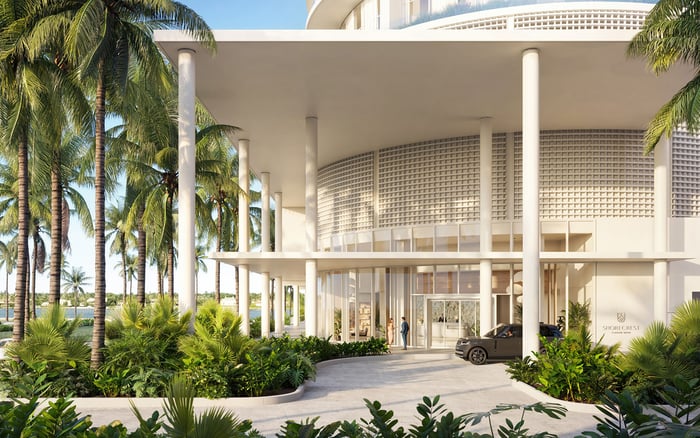
Across the Intracoastal, Forté on Flagler West Palm Beach rises as a sculpted glass tower with a robust concrete core and flow through floor plans that capture sunrise and sunset views. Its amenity deck sits high above grade, doubling as a green roof that manages stormwater while delivering a resort calibre pool terrace. Just north, Mr. C Residences West Palm Beach brings a European informed interpretation of waterfront living, and Shorecrest Flagler Drive West Palm Beach extends the Flagler Drive skyline with a boutique scale profile focused on wellness, marina access and oversized outdoor spaces.
Projects such as Alba West Palm Beach and The Ritz Carlton branded residences planned for the broader region reinforce the same themes of elevation, engineering depth and thoughtful amenity planning. On Palm-beach itself, the pipeline remains intentionally thin, a reflection of both physical scarcity and regulatory discipline. That scarcity, paired with the increasingly rigorous way buildings are designed, inspected and funded, supports the thesis that best in class waterfront condominiums here are not just lifestyle purchases but resilient, long term stores of value.
For clients assembling a portfolio of coastal property, the most compelling opportunities sit where architecture, engineering, governance and lifestyle align. Understanding how each building performs across those dimensions is at the core of the advisory service offered by MILLION Luxury. For confidential, one to one insight into Palm Beach and West Palm Beach's emerging shoreline strongholds, connect with the team at MILLION Luxury.
Start with fundamentals that are hard to change later: structural design, elevation relative to flood maps, the quality of the building envelope and the track record of the developer and design team. Once those are satisfactory, drill into governance, reserves and the resident profile to confirm cultural fit.
Ask when it was built and which edition of the Florida Building Code it complies with, then request details on impact glazing, roof systems, backup power and flood mitigation. A serious team will be able to walk you through the engineering strategy in plain language and provide documentation from their consultants.
Request the latest budget, reserve schedule and any completed Structural Integrity Reserve Study, even if the building is new. Clarify which components are being reserved for, how often contribution levels are reviewed and whether there is a plan for upcoming inspections and eventual capital projects.
Both sides of the Intracoastal offer compelling opportunities, but they play different roles in a portfolio. The island offers unparalleled scarcity and a more traditional resort atmosphere, while West Palm Beach provides newer inventory, larger amenity programs and a growing cultural scene. The right answer depends on whether you prioritise pure scarcity, vibrant urban energy or a combination of the two.
Boutique, low density properties often command a premium because they deliver privacy, quiet and a high staff to resident ratio. Larger towers can offer broader amenity suites and services but may feel more transient. In both cases, the key determinants of value are still construction quality, governance and how thoughtfully the lifestyle has been curated.
If branded residences are on your mind — as a home or as an allocation — we would be glad to share what we are seeing, privately.
Begin a quiet conversation