A discreet buyer’s guide to why humidity control can matter as much as views, finishes, and service when evaluating Shore Club Private Collections Miami Beach.
In Miami Beach, luxury is often understood through its most visible signals: architecture, service, privacy, views, arrival sequence, and the quality of materials under hand. Yet for a serious buyer, one of the most consequential details may be almost invisible. Humidity control can shape how a residence feels, how it protects sensitive possessions, and how confidently it supports a collector’s lifestyle over time.
That is why Shore Club Private Collections Miami Beach invites a more refined question than whether a home is simply well cooled. The sharper question is whether the interior environment is stable enough for art, couture, fine woods, books, instruments, archival objects, and the layered materials that define a truly finished residence.
For the Miami Beach buyer, this is not a technical footnote. It is part of the purchase logic.
Air conditioning can make a room feel pleasant. Preservation-grade thinking is different. It asks whether temperature and humidity are controlled with enough consistency to protect objects and finishes from unnecessary stress.
In South Florida, salt air, heat, and moisture are part of the setting. They are also part of ownership. A residence may look flawless at a private showing, but the long-term experience depends on what happens every hour of every season, including the hours when the owner is away. Second-home ownership makes that point even sharper, because a residence may remain unoccupied for extended periods while still needing to safeguard interiors and collections.
Museum-grade humidity, as a buyer concept, is not about turning a condominium into an institution. It is about applying the same discipline serious collectors already understand: stability matters. The fewer swings in the interior environment, the more confidence an owner can have in living with significant objects rather than storing them elsewhere.
The most elegant residences often encourage an emotional decision. A buyer steps inside, sees the light, studies the proportions, and imagines a more graceful daily life. That instinct has value. Still, the best buyers pair emotion with due diligence.
A collector should ask how humidity is managed, how it is monitored, and what level of consistency can reasonably be expected. They should understand whether the system is designed only for comfort or also for interior stability. They should ask how maintenance is handled, what alerts are available, and whether staff or ownership can review performance when the residence is vacant.
These questions do not diminish the romance of a Miami Beach purchase. They protect it. A residence that can sustain delicate materials quietly enhances everything else: art placement, closet design, millwork selection, wine storage planning, leather upholstery, wall coverings, and the owner’s willingness to live with rare pieces in daily view.
At the top of the market, many buyers are choosing between beautiful options. The decision is not always about more square footage or a higher floor. Often, it turns on which residence feels most aligned with how the owner actually lives.
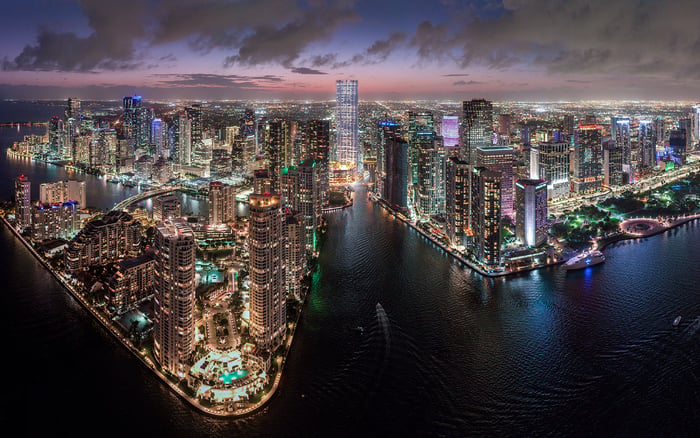
For an Art Basel collector, humidity control may influence whether a wall is suitable for a particular work. For a family with couture, it may shape the closet brief. For an owner with custom millwork, lacquer, suede, parchment, silk, or antique pieces, it can affect the confidence behind interior investment. For someone comparing an oceanfront lifestyle with a more urban Brickell rhythm or a quieter Surfside address, climate discipline can become part of the broader lifestyle equation.
This is where the buyer conversation becomes more sophisticated. A view is visible at once. A service culture is felt quickly. Humidity performance reveals itself over time, which is precisely why it deserves attention before contract decisions are made.
Designers working at this level do not think only in rooms. They think in atmospheres. Materials are selected for beauty, but also for how they will age. In South Florida, that aging process is inseparable from the environment.
A stable interior allows a designer to use richer palettes and more sensitive materials with greater confidence. It can support textured wall coverings, museum-style art lighting, custom cabinetry, and layered textiles without forcing the owner into a defensive posture. It can also influence where pieces are installed, how storage is planned, and what type of monitoring is appropriate after move-in.
This matters because ultra-premium buyers are not simply purchasing a finished residence. They are often commissioning a private world within it. That world may include advisory teams, art handlers, closet specialists, lighting consultants, and estate managers. Humidity control becomes the quiet infrastructure beneath all of those decisions.
A discerning buyer should read a residence as both a home and a stewardship platform. The question is not only, “Is this beautiful today?” It is also, “Will this remain beautiful with the least friction over time?”
That lens is especially useful in Miami Beach, where the pleasures of coastal living are inseparable from environmental demands. Strong buildings and refined interiors are expected at this level. The point of differentiation is often how intelligently those elements are coordinated, maintained, and explained to the owner.
Buyers should ask for clarity in plain language. What does the system do? What does the owner need to do? What is automated? What is service-dependent? Who is responsible when the residence is unoccupied? Confident answers to these questions can create a meaningful sense of trust.
Humidity performance can also influence future marketability, even when it is not the first headline in a listing conversation. A residence that has protected art, interiors, and millwork well may present more convincingly years later. It may photograph better, show better, and reassure the next buyer’s advisors more quickly.
This is not about promising appreciation or reducing ownership to mechanics. It is about recognizing that luxury value is cumulative. Every quiet system that preserves the experience of the home can support the overall ownership narrative. When a buyer is deciding among rare residences, that narrative matters.
In that sense, museum-grade humidity is less a feature than a philosophy. It reflects a home designed not merely to impress at acquisition, but to remain composed after the closing, after the first season, and after years of living with objects that deserve care.
Why does humidity matter in a Miami Beach luxury residence? Humidity affects comfort, materials, art, clothing, and the long-term condition of interiors. In a coastal climate, stable control can be a meaningful ownership advantage.
Is museum-grade humidity the same as standard air conditioning? No. Standard cooling focuses on comfort, while preservation-minded humidity control focuses on consistency and protection for sensitive objects and finishes.
Should every buyer prioritize humidity control equally? Not necessarily. It matters most for buyers with art, couture, books, instruments, antiques, custom millwork, or residences that may sit vacant.
What should a buyer ask before purchasing? Ask how humidity is controlled, monitored, maintained, and communicated to the owner. Also ask what happens when the residence is unoccupied.
Can humidity control influence interior design choices? Yes. Better environmental stability can give designers more confidence with delicate finishes, textiles, wall coverings, cabinetry, and art placement.
Is this only relevant for collectors? No. Collectors may feel the benefit most clearly, but any owner investing in refined interiors can benefit from a more stable environment.
How does this affect a second-home owner? A second home may be vacant for long stretches, so automated monitoring and maintenance clarity become especially important for peace of mind.
Does humidity control replace proper art handling? No. It supports preservation, but valuable works still require appropriate installation, lighting, insurance, documentation, and professional care.
Why compare this with Brickell or Surfside residences? Different neighborhoods offer different lifestyles, but serious buyers should compare environmental performance as well as views, service, and design.
Can humidity performance affect resale confidence? It can support how well a residence and its interiors present over time, which may strengthen the ownership story for a future buyer.
If you'd like a private walkthrough and a curated shortlist, connect with MILLION.
If branded residences are on your mind — as a home or as an allocation — we would be glad to share what we are seeing, privately.
Begin a quiet conversation