A discreet buyer’s guide to interpreting how Art Basel Miami Beach vendor activity can influence luxury property perception, neighborhood desirability, and pricing discipline across nearby enclaves.
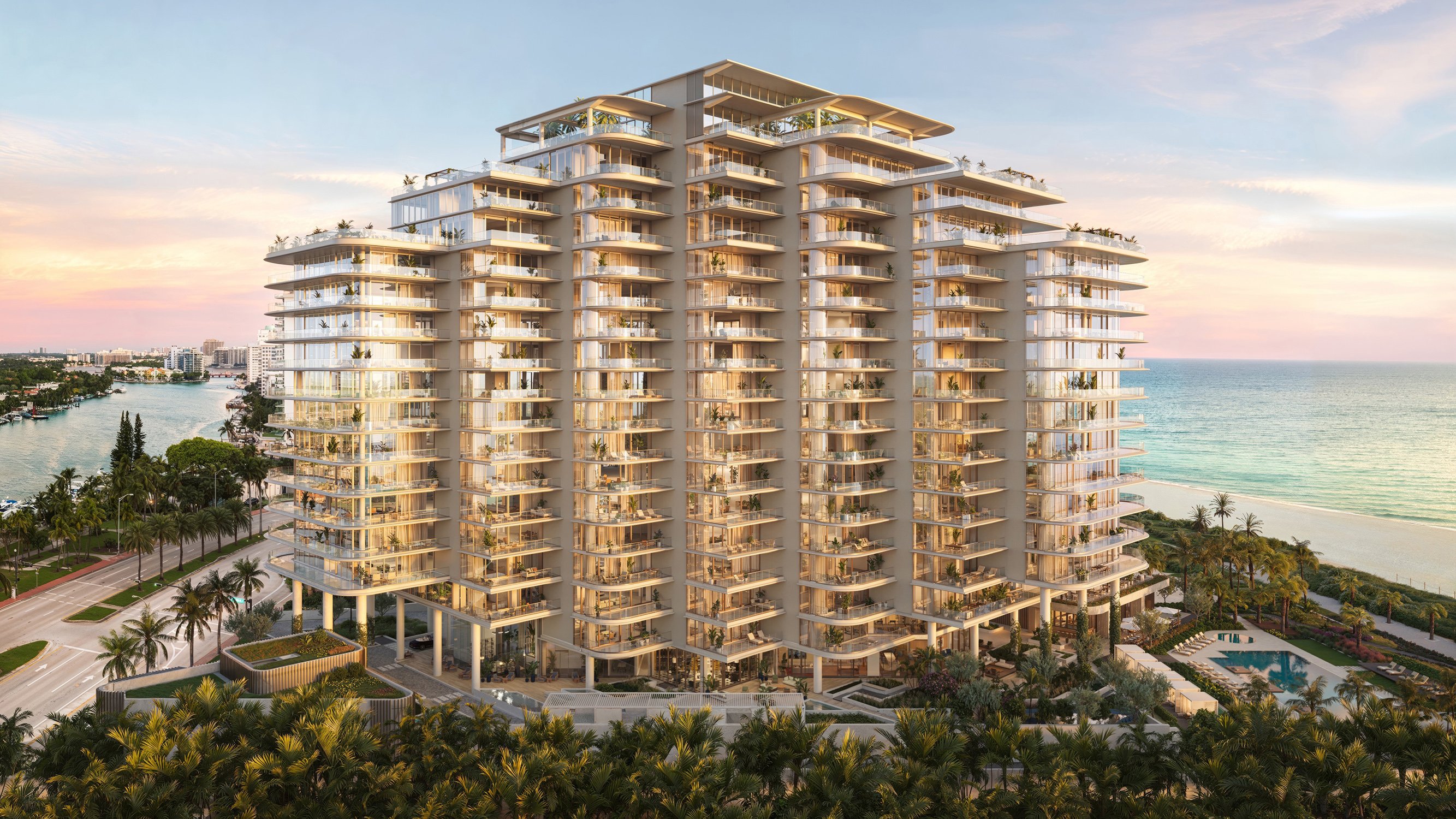
Art Basel Miami Beach changes the emotional temperature around property. For a brief period, the city feels more curated, more international, and more intensely observed. The vendor layer around the event, from private hospitality and culinary activations to design-adjacent services, can influence how buyers experience nearby neighborhoods. Yet the effect on luxury property values is rarely direct or mechanical. It is better understood as a perception premium, one that can reinforce demand when the underlying real estate already offers scarcity, privacy, architecture, and access.
For sophisticated buyers, the question is not whether vendors make a neighborhood more valuable overnight. They do not. The sharper question is whether the vendor ecosystem reveals something durable about an area: its walkability, service depth, arrival sequence, building quality, and capacity to support a high-net-worth lifestyle without strain.
In the luxury segment, value is shaped by more than square footage and finishes. It is shaped by confidence. During major cultural moments, vendors test a neighborhood’s ability to absorb attention. Streets, hotels, restaurants, galleries, transportation, private events, and residential lobbies all become part of the buyer’s mental map. When the experience feels smooth, exclusive, and secure, the neighborhood’s brand becomes easier to believe.
That does not mean every nearby condominium enjoys the same lift. The most resilient properties are those that already align with ultra-premium expectations. Beachfront orientation, discreet access, generous terraces, service-rich lobbies, and low-friction mobility matter. Vendor activity can amplify these strengths, but it cannot create them where they are absent.
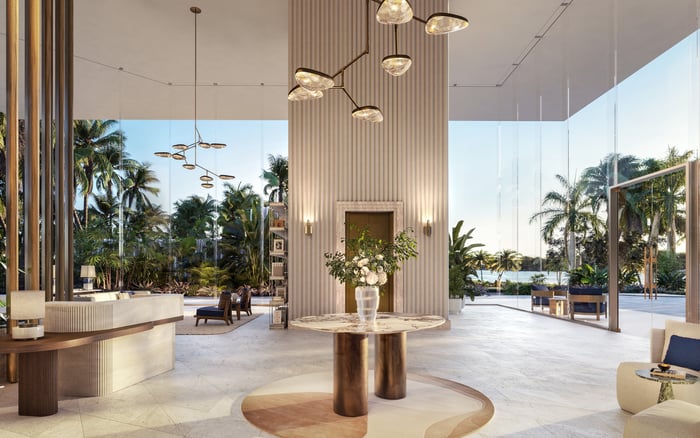
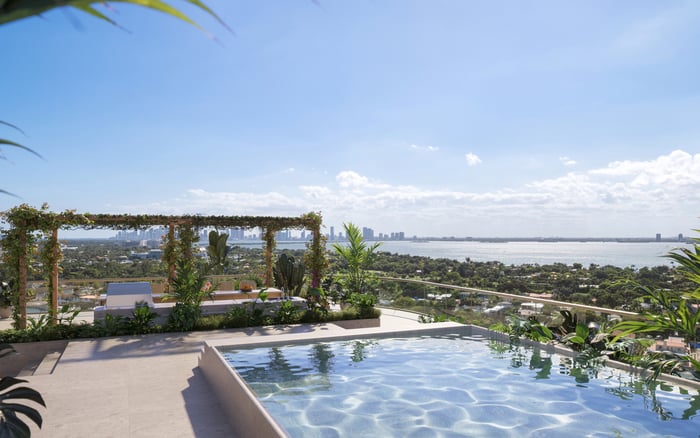
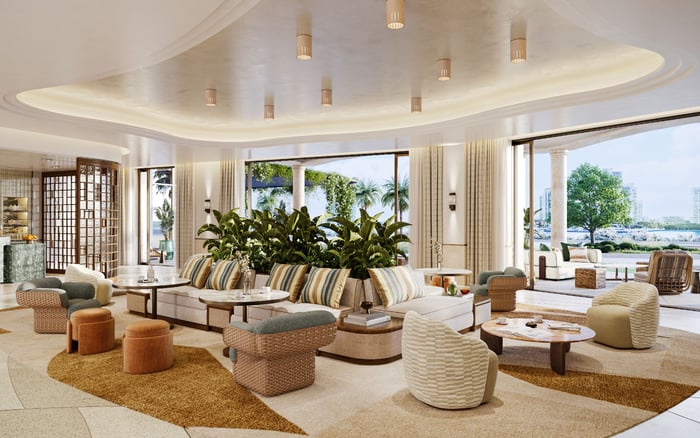
This is why buyers often study established and emerging Miami Beach addresses during art week. A residence such as The Perigon Miami Beach speaks to the ownership profile that values design, privacy, and proximity to cultural energy without requiring constant participation in it.
Miami Beach is the natural center of gravity for this discussion. The most compelling properties are not simply close to the action. They offer the option to enter or exit it gracefully. That balance is central to value. A buyer may want dinner access, collector events, and a short drive to the fair, while still expecting silence, security, and a private residential atmosphere at home.
This is where the phrase Miami Beach can be misleadingly broad. Not every location benefits equally from seasonal attention. The most attractive assets tend to combine convenience with insulation. Buildings that preserve a sense of calm while the city is at its busiest may command stronger emotional conviction from buyers.
At the branded and private end of the market, Shore Club Private Collections Miami Beach illustrates the appeal of a residence that sits within a hospitality-aware environment while still speaking to long-term ownership. For buyers, that distinction matters. Vendor intensity nearby has value only when the residence itself remains the retreat.
South Beach carries a different kind of energy. It is more theatrical, more immediate, and often more legible to international buyers who associate the area with a complete lifestyle rather than a single asset class. During Art Basel Miami Beach, that visibility can sharpen interest, but it can also expose weaknesses. Noise, congestion, and service inconsistency are quickly noticed by buyers accustomed to effortless experiences.
The strongest South Beach assets convert proximity into control. They offer access without surrendering privacy. They allow owners to move between beach, dining, art, and home with minimal friction. In that setting, vendor activity can support a property’s lifestyle narrative, particularly when the building has the management quality to keep public excitement from entering private space.
For buyers focused on a recognized luxury service environment, The Ritz-Carlton Residences® South Beach sits naturally within this conversation. The broader point is simple: in South Beach, value is not only about being near the moment. It is about having the infrastructure to enjoy it selectively.
Brickell is not the beach, and that is part of its appeal. During cultural weeks, mainland residences can benefit from a different form of demand: convenience, dining access, private entertaining, and proximity to business schedules. Some buyers prefer to engage with Miami Beach by appointment rather than by address. For them, Brickell offers a polished urban base with a more financial, vertical rhythm.
Vendor activity can still matter here. Private dinners, brand events, and collector gatherings often favor neighborhoods with strong hospitality capacity and efficient transportation options. Brickell can absorb that rhythm in a way that feels familiar to global buyers who divide time among major cities.
This is particularly relevant for new-construction buyers comparing beach privacy with urban convenience. A project like The Residences at 1428 Brickell fits the mainland side of the art-week equation: a residence that can function as both a private home and a strategic Miami base.
Investment thinking during Art Basel Miami Beach requires restraint. Seasonal glamour can create urgency, and urgency can cloud underwriting. Vendor energy may enhance a buyer’s confidence in a location, but it should be treated as supporting evidence, not the thesis itself.
The durable drivers remain familiar: scarcity, floor plan quality, view protection, building governance, privacy, service, parking, arrival experience, and long-term neighborhood identity. A property that performs well only when the city is activated by events may be more fragile than it appears. A property that feels complete on an ordinary Tuesday is usually the stronger candidate.
Buyers should also consider whether vendor activity improves the lived environment or merely increases attention. A refined restaurant scene, stronger hospitality standards, and a deeper design culture can support neighborhood desirability. Temporary spectacle, by contrast, fades quickly. The best acquisitions are made when the buyer can separate atmosphere from asset quality.
Begin with the arrival sequence. During busy periods, the difference between a frustrating approach and a graceful one becomes obvious. Then study the transition from public realm to private residence. The lobby, valet, elevator experience, and staff composure all matter because they reveal how a building performs under pressure.
Next, assess the neighborhood’s relationship to time. Some areas are strongest during event weeks but less compelling after the calendar quiets. Others retain their value because they offer beach access, residential calm, dining, wellness, and everyday convenience in a balanced composition. The latter group is usually more aligned with long-term luxury ownership.
Finally, consider personal use. A collector who wants to host privately may value proximity differently than a family seeking a quiet seasonal residence. A frequent traveler may prioritize airport access and staff efficiency. A design-focused owner may accept greater urban intensity in exchange for cultural adjacency. There is no universal answer, only a more precise match between lifestyle and location.
The vendor impact surrounding Art Basel Miami Beach is best understood as a lens, not a price formula. It reveals which neighborhoods feel fluent in luxury and which buildings maintain composure when attention intensifies. For Miami Beach, the prize is proximity without overexposure. For South Beach, it is controlled access. For Brickell, it is urban convenience with cultural spillover.
When those qualities align with strong architecture, privacy, and service, art-week energy can reinforce value perception. When they do not, the moment passes and the property must stand on its own. That is the discipline sophisticated buyers should bring to every showing.
Does Art Basel Miami Beach automatically increase nearby property values? No. It can heighten attention and perception, but lasting value depends on the property’s fundamentals.
What does vendor impact mean for luxury real estate? It refers to how event-related services, hospitality, and cultural activity shape the buyer experience around a neighborhood.
Which locations are most relevant to this discussion? Miami Beach, South Beach, and Brickell are especially relevant because they offer different versions of access, privacy, and convenience.
Should buyers purchase during art week? Buyers can tour during art week, but decisions should be based on ordinary-day livability as much as event-week atmosphere.
Can vendor activity help rental appeal? It may support seasonal interest, but rental strength still depends on building rules, location, condition, and ownership goals.
Is beachfront property more protected from event volatility? Beachfront scarcity can be a stabilizing factor, but each building must be evaluated on its own merits.
Why does privacy matter so much during major events? Privacy shows whether a luxury residence can remain calm and functional when the surrounding city becomes highly active.
How should new-construction buyers evaluate event proximity? They should focus on access, service quality, view corridors, and whether the building supports year-round use.
Is Brickell a serious alternative to Miami Beach during art week? Yes, for buyers who prefer an urban base with dining, business access, and selective engagement with beach events.
What is the safest investment lens for this topic? Treat art-week energy as a bonus, then underwrite the residence based on scarcity, privacy, service, and long-term desirability.
For a tailored shortlist and next-step guidance, connect with MILLION.
If branded residences are on your mind — as a home or as an allocation — we would be glad to share what we are seeing, privately.
Begin a quiet conversation