A buyer-focused guide to evaluating how adjacent parcels, zoning, construction, views, privacy, and resale positioning can affect the true cost of a boutique residence in South Florida.
In South Florida, the most expensive surprise in a boutique residence is not always inside the walls. It may be the vacant parcel next door, the underbuilt site across the street, the aging low-rise at the edge of a view corridor, or the service alley that could one day become the staging ground for a larger project. Neighboring development risk is the possibility that what surrounds a residence today may change in ways that affect privacy, light, views, access, noise, daily comfort, and eventual resale appeal.
For buyers drawn to boutique living, the appeal is often intimacy: fewer residences, quieter lobbies, more personal service, and a stronger sense of place. That intimacy is exactly why adjacent development matters. In a large tower, one compromised exposure may be absorbed by scale. In a smaller building, a single neighboring structure can redefine the experience of an entire line of homes.
The real cost is therefore not just the purchase price. It is the price plus the risk-adjusted value of what could happen around the property during ownership.
Boutique residences tend to trade on rarity. A buyer may be paying for a specific view, a calmer street, a garden outlook, proximity to the water, or the feeling of living in a residential enclave rather than a high-density corridor. When a neighboring site changes, the qualities that justified the premium can shift.
A direct view obstruction is the most obvious concern, but it is not the only one. Side setbacks, balcony orientation, garage entries, rooftop mechanical equipment, loading zones, and outdoor amenity decks can all change how a home lives. A residence that feels serene at contract may feel very different if future construction introduces headlights into bedrooms, restaurant activity beneath terraces, or a taller mass along the main exposure.
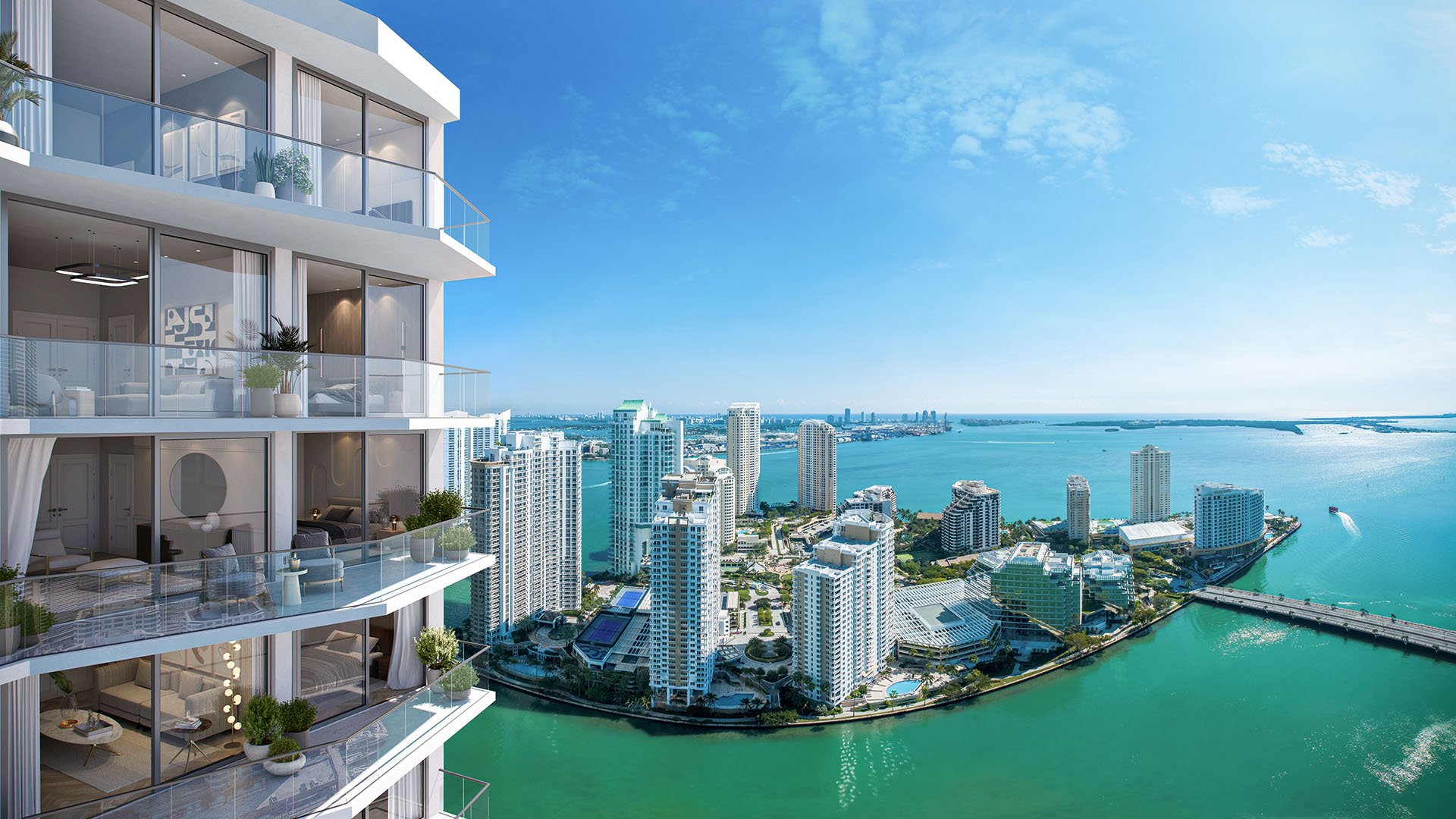
In markets such as Brickell, where urban energy is part of the attraction, neighboring development can be acceptable when the buyer is properly positioned. A residence near 2200 Brickell may be evaluated differently from a secluded coastal home because the buyer may already expect a more vertical, evolving neighborhood. The question is not whether the area will change. The question is whether the unit, floor, exposure, and acquisition price properly account for that change.
South Florida buyers often pay meaningful premiums for water, skyline, garden, golf, or sunset exposures. The more specific the view, the more carefully it should be stress tested. A beautiful outlook over a low-rise property may be temporary if the neighboring parcel has future redevelopment potential. A side water view may be more vulnerable than a direct, protected waterfront orientation. A low-floor garden view may depend heavily on the permanence of landscaping, easements, setbacks, or adjacent use.
Waterfront residences require especially disciplined analysis because the emotional pull is strong. Waterfront does not automatically mean protected. The most resilient views are typically shaped by geography, broad water bodies, established public realm, or ownership patterns that make obstruction less likely. Even then, buyers should separate the view they enjoy today from the view they are effectively buying for the long term.
In Miami Beach, a buyer comparing boutique coastal options around The Perigon Miami Beach should look beyond the beauty of the immediate residence. The surrounding blocks, beach access pattern, neighboring building heights, and side exposures can materially shape the daily experience of ownership.
Privacy is one of the quiet luxuries that rarely appears as a line item, yet it often explains why one residence feels more valuable than another. A future building can introduce sightlines into primary bedrooms, bathrooms, terraces, pools, and outdoor kitchens. Even if a view remains technically intact, the feeling of seclusion may be reduced.
Light is equally important. A neighboring structure can change morning brightness, afternoon heat, shadow patterns, and the usefulness of terraces. In a boutique residence, where floor plans often emphasize indoor-outdoor living, that shift can affect how often a balcony is used, how landscaping performs, and how interiors photograph for future resale.
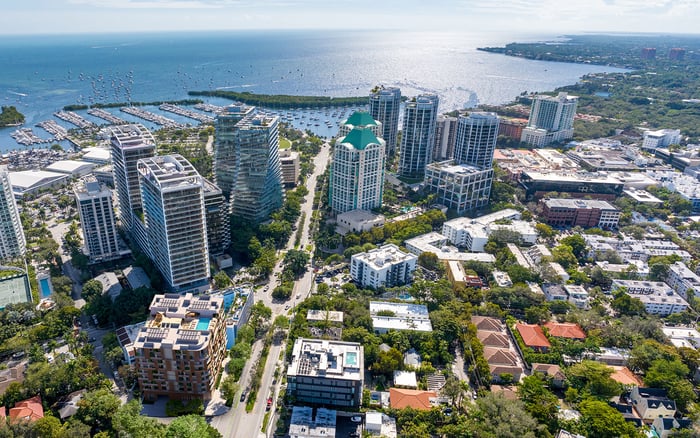
Coconut Grove illustrates the importance of context. Buyers considering the village atmosphere near The Well Coconut Grove may be seeking tree canopy, walkability, and a softer residential rhythm. In that setting, the impact of a neighboring project is not only about height. It is also about scale, street presence, traffic movement, and whether the future environment preserves the qualities that made the purchase compelling.
Even when the long-term result is positive, the construction period can carry a cost. Noise, dust, lane closures, crane activity, temporary lighting, and altered access can affect daily life. For second-home owners, the inconvenience may be episodic. For full-time residents, it can become central to the ownership experience.
These issues also intersect with liquidity. If a buyer needs to sell during an active construction cycle, the property may be competing against uncertainty. Prospective purchasers may discount for noise, unfinished surroundings, or fear of what the final condition will be. That does not mean the original acquisition was wrong. It means the hold period and exit flexibility should be understood before purchase.
The most sophisticated buyers distinguish temporary inconvenience from permanent impairment. Construction next door may be tolerable if the completed neighbor improves the streetscape, brings architectural quality, or replaces a weaker use. It is more concerning when the completed project changes the fundamental reason the residence commanded a premium.
Investment value in luxury residential property is not only about rental potential or appreciation. It is also about downside control. Neighboring development risk should influence offer strategy, contract review, inspection priorities, and the choice between two otherwise similar residences.
A buyer may accept more neighboring uncertainty for a superior floor height, stronger corner exposure, deeper terrace, better parking access, or a price that already reflects the risk. Conversely, a beautifully finished home may warrant caution if its premium depends on a fragile view corridor or an adjacent parcel that feels likely to evolve.
Bay Harbor Islands is a useful example of why parcel-by-parcel thinking matters. Around Onda Bay Harbor, a buyer should think carefully about water orientation, neighboring massing, bridge and street movement, and the difference between a protected outlook and a pleasant but changeable one. The most valuable analysis is specific, not generic.
Before contracting, buyers should ask what exists beside, behind, and across from the residence today, and what those sites may reasonably become. The goal is not to predict every future approval. It is to identify whether the home’s value depends on assumptions that have not been tested.
Important questions include: Which exposures drive the price? Are nearby properties underbuilt relative to the surrounding context? Where are garage entrances and service areas likely to sit if a neighbor redevelops? Could a future amenity deck overlook the residence? Is the primary terrace facing a stable condition or an evolving edge? How would the residence show if the current view were partially reduced?
The best purchase decisions often come from ranking risks, not eliminating them. In South Florida, change is part of the landscape. The art is buying into change with the right floor, the right exposure, the right pricing, and the right expectation.
What is neighboring development risk? It is the possibility that nearby parcels may change in ways that affect views, privacy, noise, access, light, or resale value.
Why does it matter more for boutique residences? Boutique buildings often depend on specific exposures and a quieter sense of place, so adjacent changes can feel more personal and more visible.
Is a blocked view always a deal breaker? Not always. The issue is whether the purchase price, floor height, and overall lifestyle still make sense after the potential change.
Can construction next door affect resale? Yes. Active construction can make showings harder and may cause buyers to discount uncertainty, even if the final result is attractive.
Should I avoid vacant parcels nearby? Not automatically. Vacant or underbuilt parcels simply deserve closer review because they may represent future change.
Are waterfront views always protected? No. Waterfront can be more resilient, but side views, nearby lots, and adjacent structures still need careful evaluation.
How should I compare two similar residences? Compare the stability of each exposure, not just finishes, amenities, and price. The less vulnerable home may be the better value.
Can neighboring development ever help value? Yes. A well-executed neighboring project can improve streetscape, services, and neighborhood perception if it does not impair the residence.
What should contract buyers focus on first? Focus on the view premium, adjacent parcels, access points, construction exposure, and whether the home still works under a less favorable scenario.
What is the safest mindset for luxury buyers? Treat the surrounding context as part of the asset. A residence is not only what you buy, but also what can happen around it.
When you're ready to tour or underwrite the options, connect with MILLION.
If branded residences are on your mind — as a home or as an allocation — we would be glad to share what we are seeing, privately.
Begin a quiet conversation